




Egypt, a land of ancient wonders and modern vibrancy, thrives along the Nile. Its history boasts pharaohs, pyramids, and hieroglyphs. Today, Cairo pulses as its capital, while the Suez Canal links continents. Islam dominates, yet ancient traditions endure. Egypt blends rich heritage with contemporary challenges.
Luxor, ancient Thebes, is an Egyptian treasure. It’s home to Karnak and Luxor temples, and the Valley of the Kings. The Nile bisects it, offering stunning historical views. A vital tourist hub, Luxor showcases pharaonic grandeur, revealing Egypt’s powerful past.
Kom Ombo, an Egyptian temple, uniquely honors two gods: Sobek and Horus. Its dual design reflects this, with mirrored halves. Perched on the Nile, it features intricate carvings, including ancient surgical tools. A fascinating glimpse into pharaonic religious practices and medical knowledge.
Aswan, Egypt’s southernmost city, sits along the Nile. Known for its scenic beauty, it features the Aswan High Dam and Philae Temple. Nubian culture thrives here. Granite quarries and vibrant markets define the city. Aswan offers a tranquil escape, showcasing Egypt’s diverse landscapes and heritage.
Edfu’s Temple of Horus, one of Egypt’s best-preserved, dominates the city. Built during the Ptolemaic period, its intricate reliefs depict the myth of Horus and Set. Sand-covered for centuries, its excavation revealed a near-complete temple, offering a vivid glimpse into ancient Egyptian rituals.
A hot air balloon ride over Luxor offers a breathtaking dawn perspective on Egypt’s ancient wonders. As you rise above the West Bank, the Valley of the Kings, Hatshepsut’s Temple, and scattered desert tombs unfold beneath you.
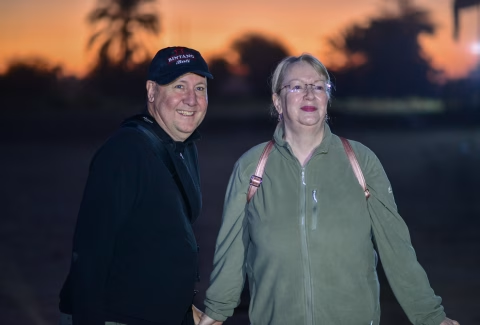

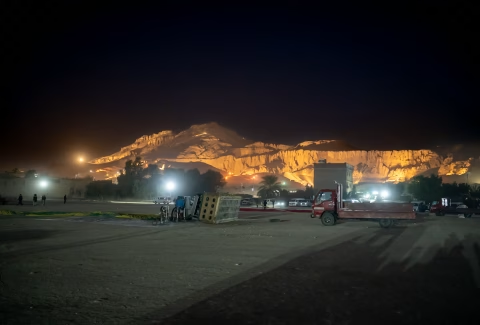

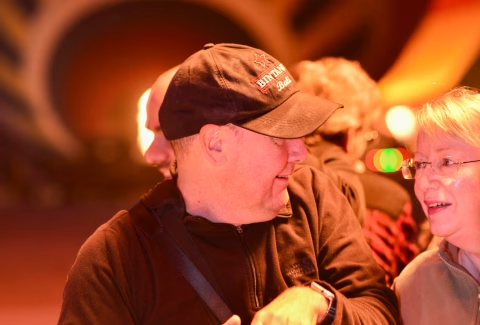


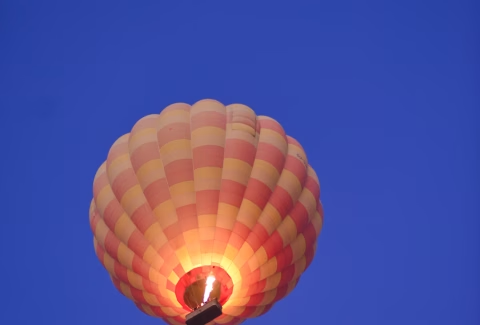
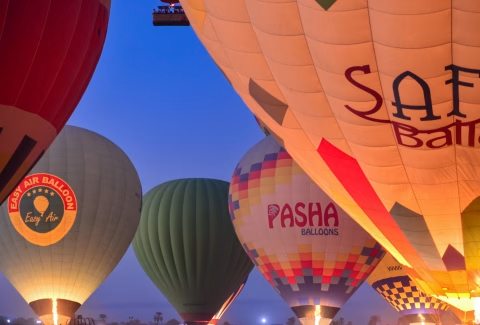
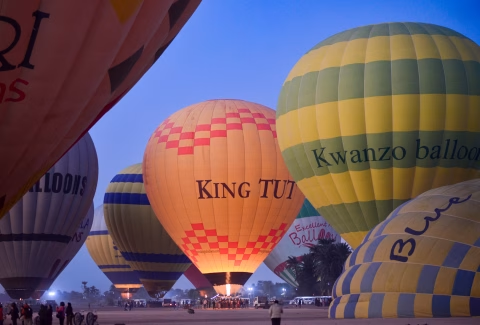
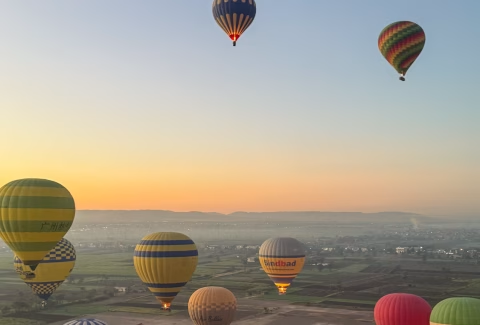
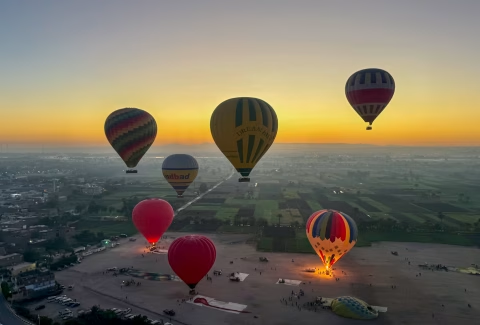
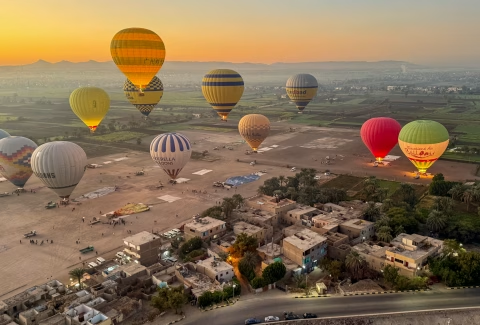
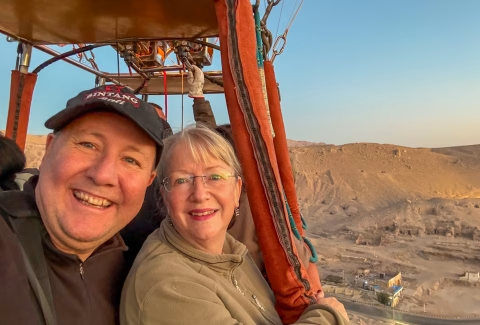

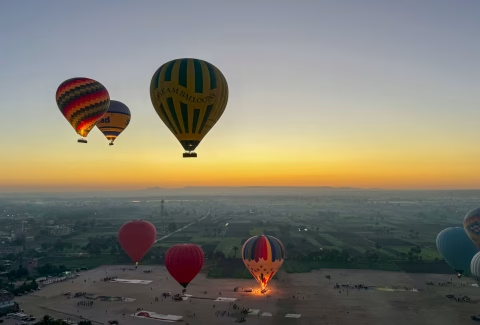
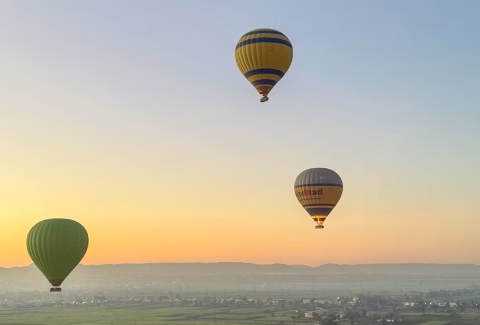
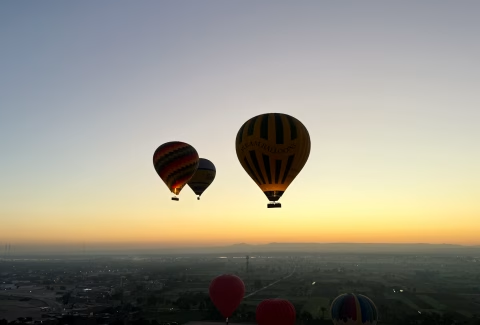
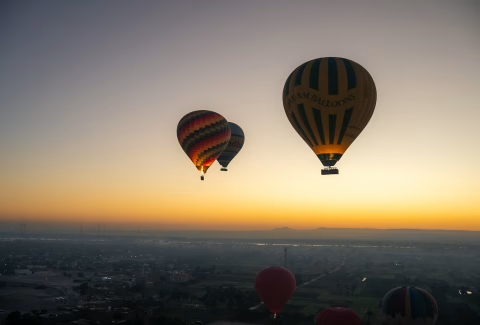
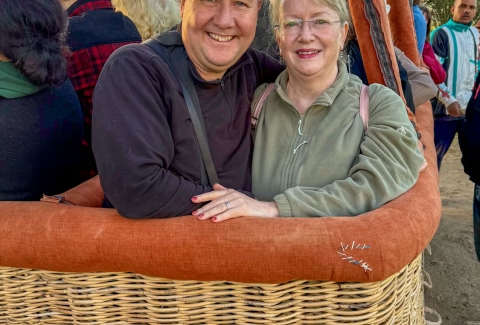
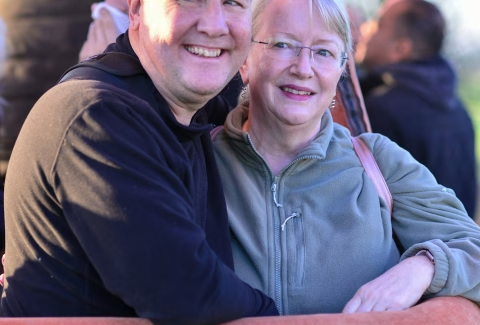
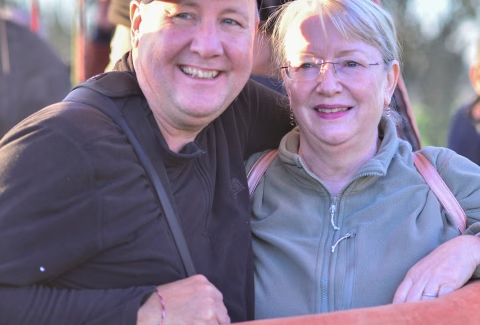
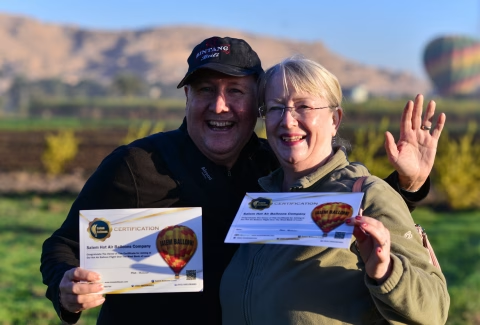
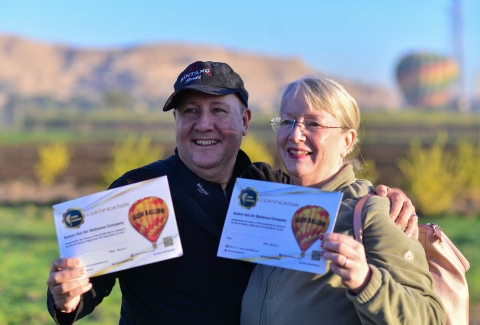
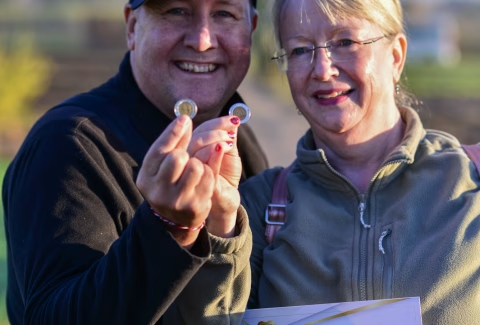
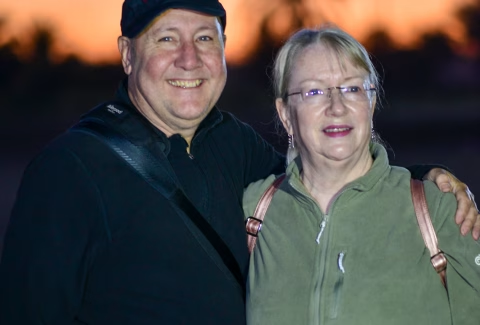
Our first full day of holiday started with an early 5:00 AM wake-up call. Bleary-eyed but excited, our small group of four arrived at the launch site and paired up with two friendly Iranian travelers. In the staging field, about thirty colossal balloons huddled together, waiting for the official bell to sound. Before boarding, local kids swarmed us trying to sell trinkets, leaving us wondering why they weren’t in school.
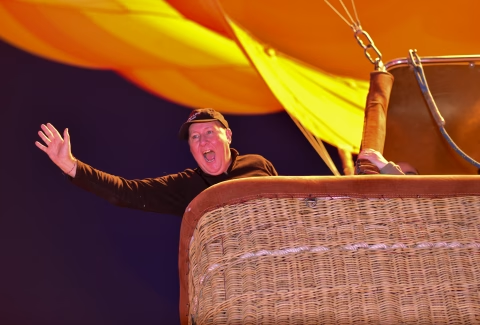
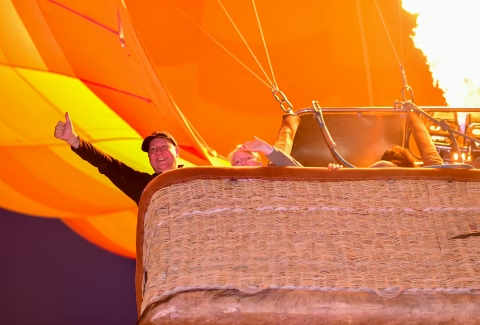
As the burners roared, we lifted off into a peaceful, floating paradise. The views were staggering. We drifted directly over the deep gashes of the Valley of the Kings, the multi-tiered terraces of Hatshepsut’s Temple, and endless hidden tombs carved into the sun-baked cliffs. Rooster and Cola loved the magic of the flight as the majestic landscape unfolded beneath us.
Eventually, we made a fun landing right in a local farmer’s field and picked up our $10 souvenir video and photos. Looking back, our early scheduling was pure luck; if we had waited until the end of the week, the trip would have been completely cancelled due to high winds. It was the perfect start to our Egyptian adventure.

Perched dramatically on a scenic bend of the Nile, the Temple of Kom Ombo stands as one of Egypt’s most architectural and theological marvels. Stepping off our river cruise ship, we ventured into a world where myth and history blur, discovering a sacred sanctuary uniquely split between two divine rivals.
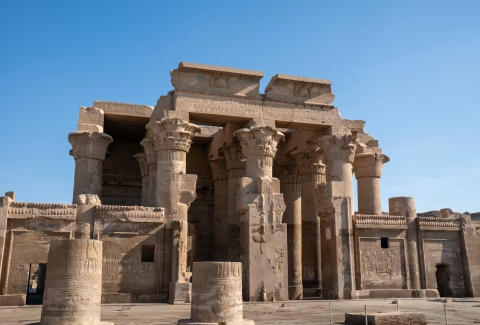
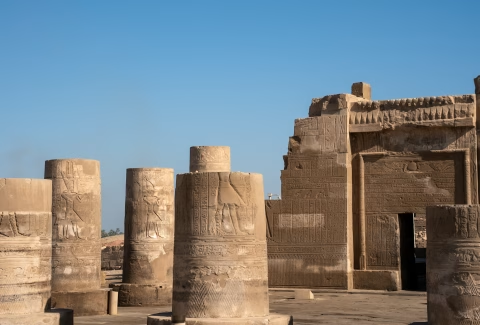
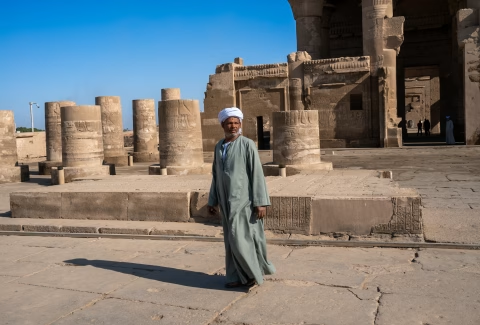
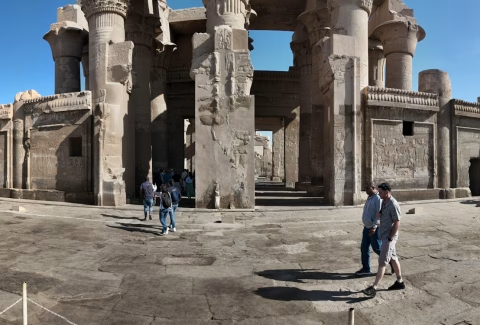
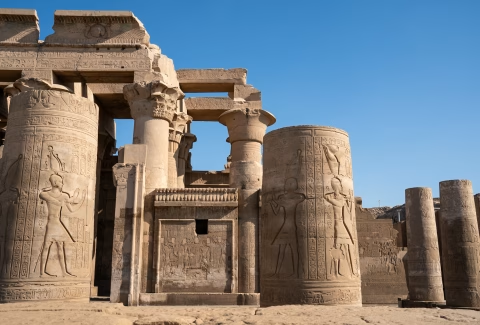
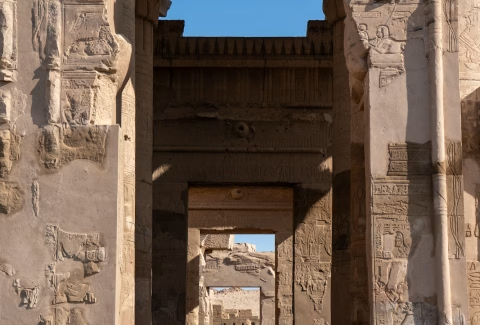
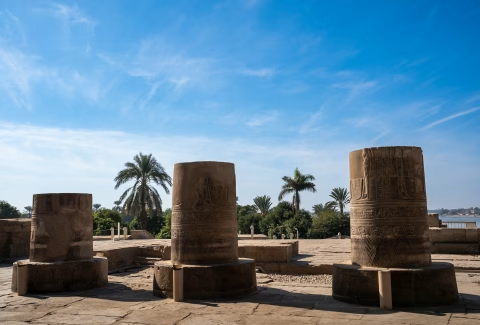
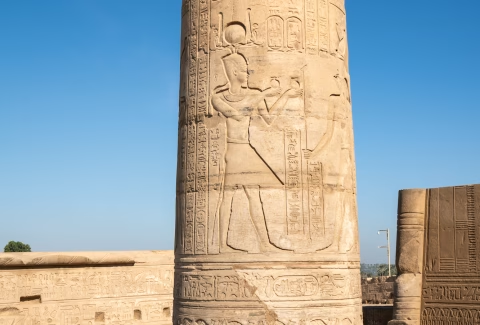
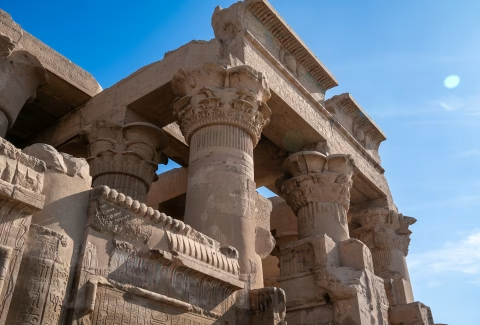
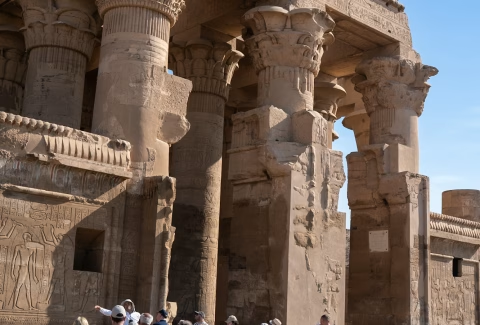
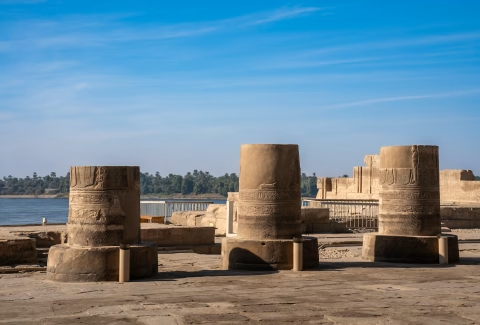
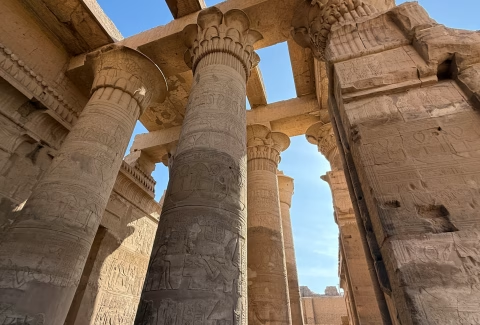
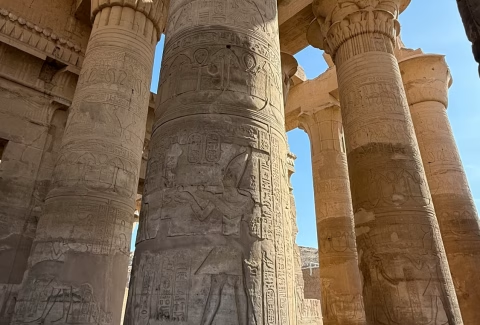
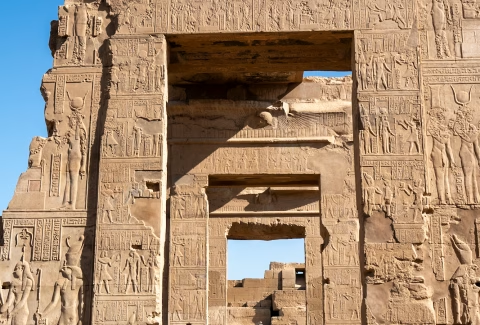
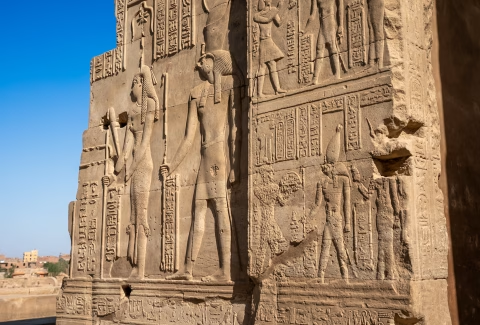
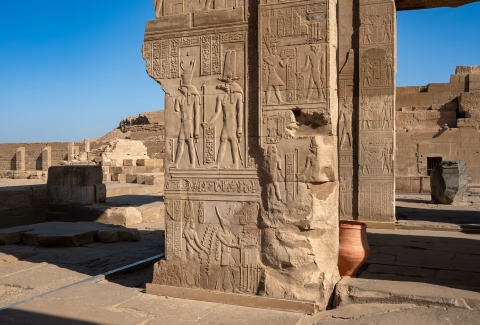
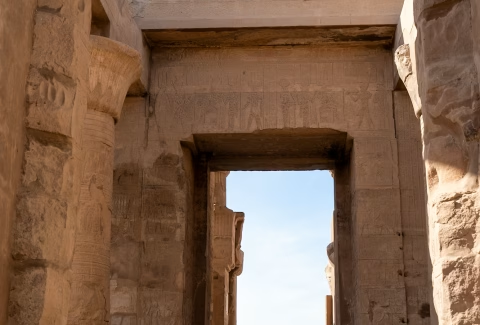
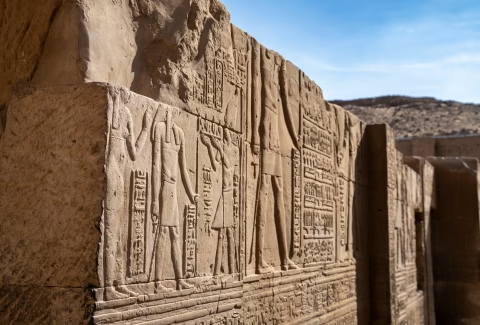
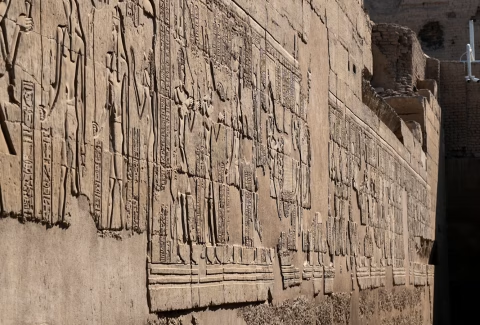
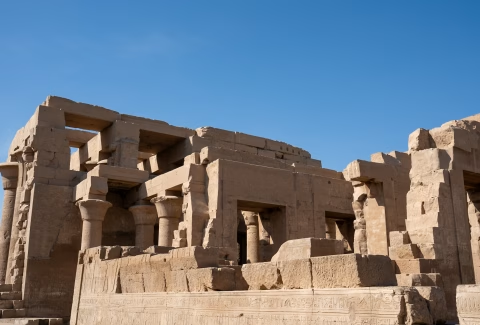
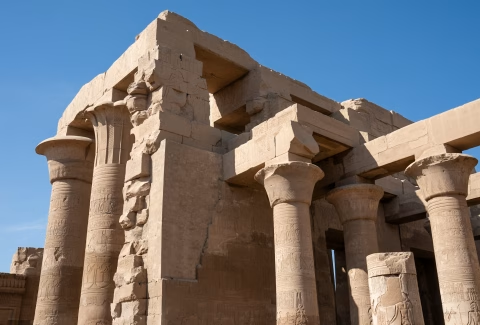
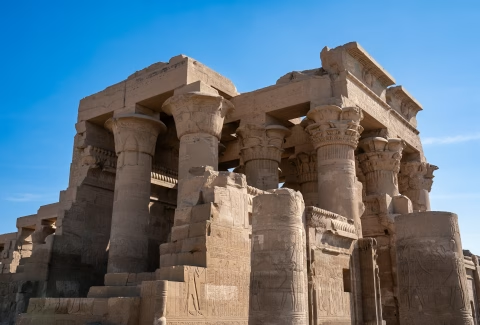
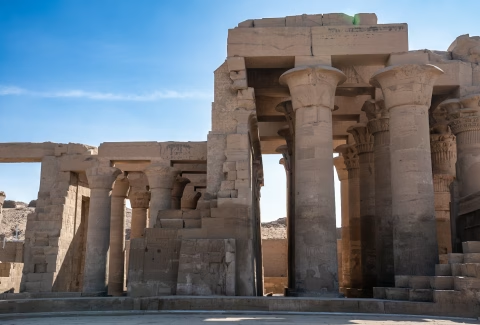
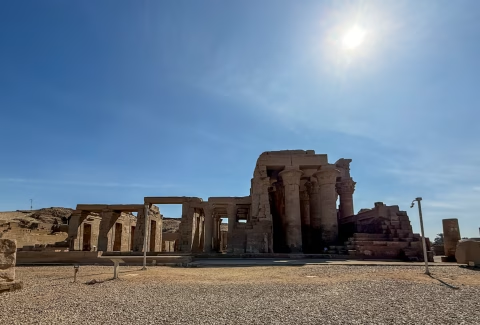
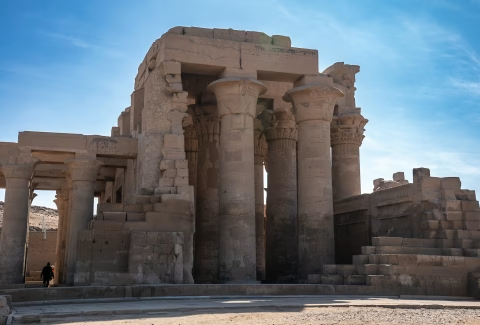
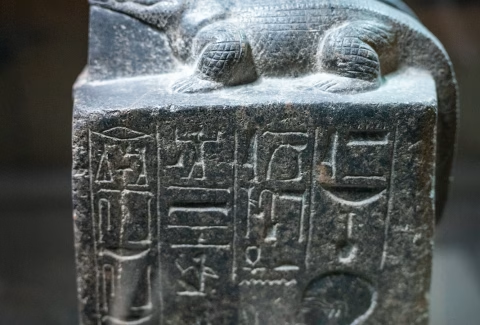
Our journey began with a lively rite of passage: braving the local marketplace. Just a short walk from the boat, we tactfully tackled the enthusiastic traders, navigating their vibrant stalls of spices and textiles to finally pass through the temple gates. Inside, the sheer grandeur of Kom Ombo takes your breath away. Standing directly on the riverbank, it is entirely unique due to its perfectly symmetrical design. The temple is dual-themed, split exactly down the middle to honor two separate gods: Sobek, the fierce crocodile deity of fertility and creation, and Horus the Elder, the noble falcon god of the sky.
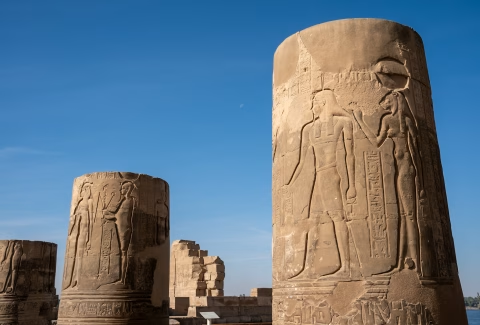
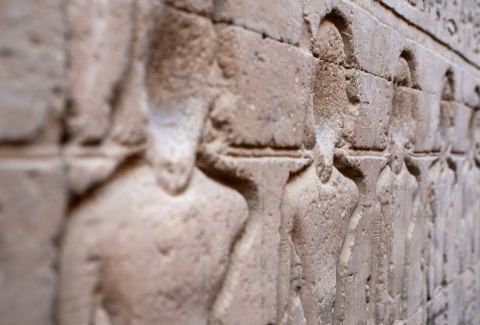
As we explored the towering columns and detailed reliefs, our guide pointed out a striking historical scar: many of the ancient statues and carvings were deliberately ‘de-faced.’ This ritualistic defacement occurred centuries later, often by early Christians or rival rulers. By meticulously chipping away the eyes, noses, and faces of the stone deities, they believed they were effectively neutralizing the pagan monuments—blinding their spiritual power and destroying their identity to render them powerless.
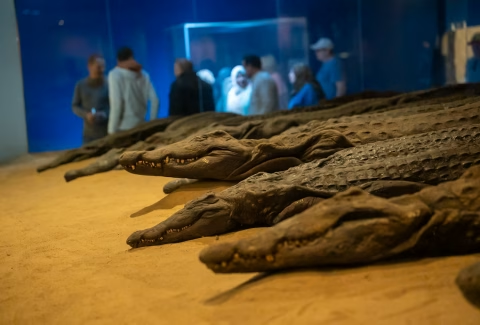
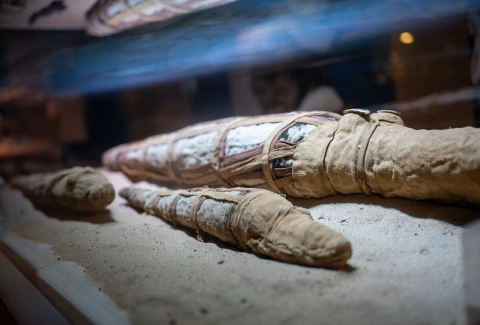
The climax of our tour took a thrillingly macabre turn at the edge of the complex, where we entered the Crocodile Museum. Here, we came face-to-face with dozens of remarkably preserved mummified crocodiles, unearthed from nearby sacred burial grounds where they were once worshiped as living embodiments of Sobek himself. Ultimately, making our way back, we successfully negotiated a short walk through the energetic traders once more, returning safely to our boat filled with awe for the dual gods of the Nile.
Our journey began with a lively rite of passage: braving the local marketplace. Just a short walk from the boat, we tactfully tackled the enthusiastic traders, navigating their vibrant stalls of spices and textiles to finally pass through the temple gates. Inside, the sheer grandeur of Kom Ombo takes your breath away. Standing directly on the riverbank, it is entirely unique due to its perfectly symmetrical design. The temple is dual-themed, split exactly down the middle to honor two separate gods: Sobek, the fierce crocodile deity of fertility and creation, and Horus the Elder, the noble falcon god of the sky.
As we explored the towering columns and detailed reliefs, our guide pointed out a striking historical scar: many of the ancient statues and carvings were deliberately ‘de-faced.’ This ritualistic defacement occurred centuries later, often by early Christians or rival rulers. By meticulously chipping away the eyes, noses, and faces of the stone deities, they believed they were effectively neutralizing the pagan monuments—blinding their spiritual power and destroying their identity to render them powerless.
The climax of our tour took a thrillingly macabre turn at the edge of the complex, where we entered the Crocodile Museum. Here, we came face-to-face with dozens of remarkably preserved mummified crocodiles, unearthed from nearby sacred burial grounds where they were once worshiped as living embodiments of Sobek himself. Ultimately, making our way back, we successfully negotiated a short walk through the energetic traders once more, returning safely to our boat filled with awe for the dual gods of the Nile.
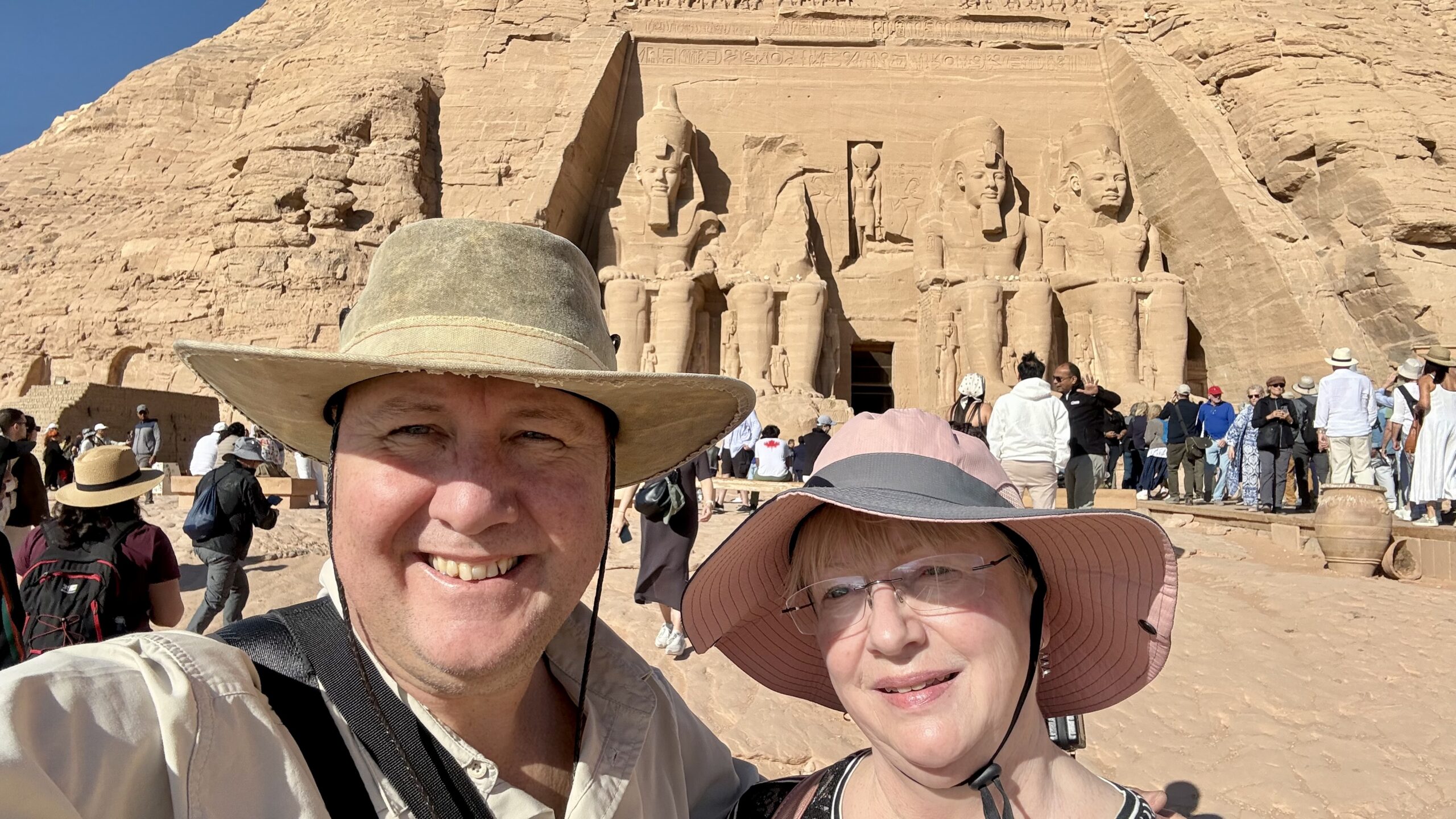
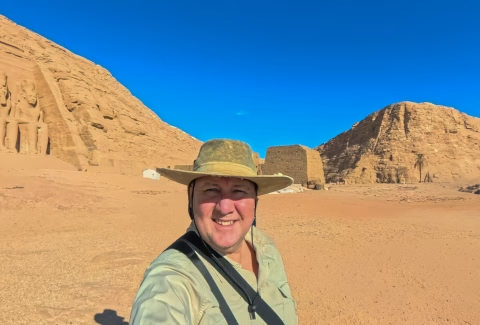
The Egyptian sun hadn’t even begun to stir when our alarms shattered the silence, signaling the start of an epic trek across the stark Nubian landscape. It was another grueling, brutally early morning, followed by a three-hour drive each way through the vast, open desert—all for a relatively brief window of time on the ground. Yet, the moment the horizon parted to reveal the monumental rock-cut facades of Abu Simbel, every ounce of exhaustion evaporated into the dry desert air.
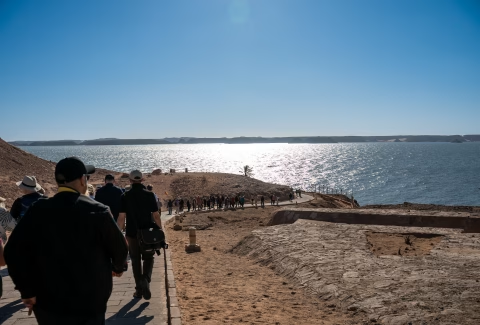
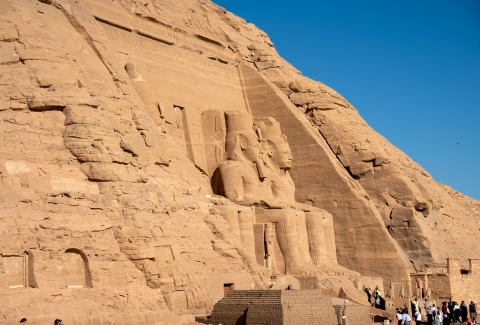
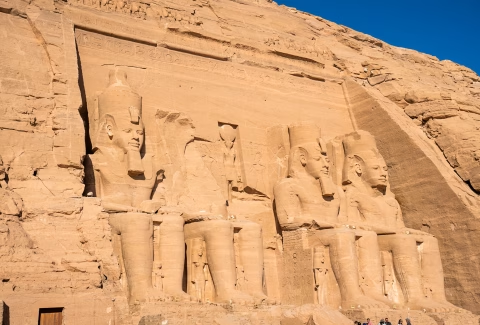
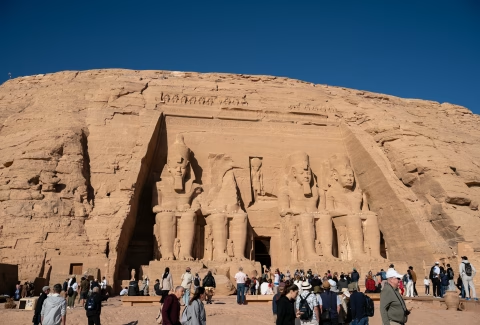
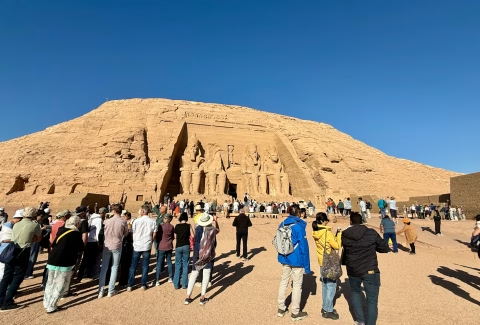
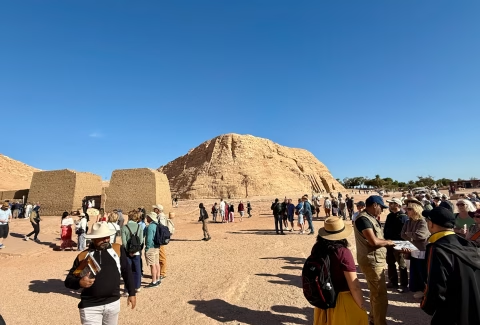
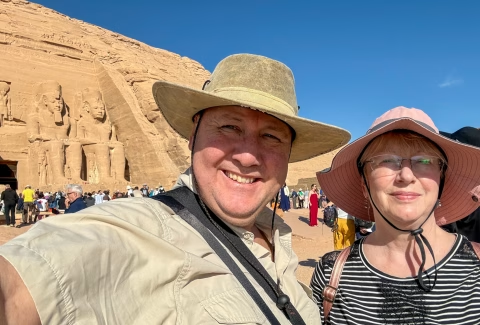
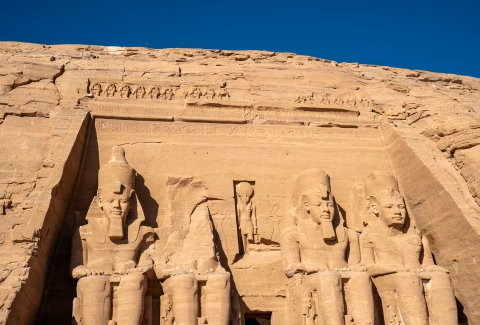
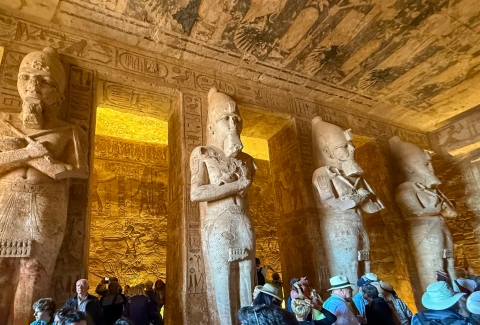
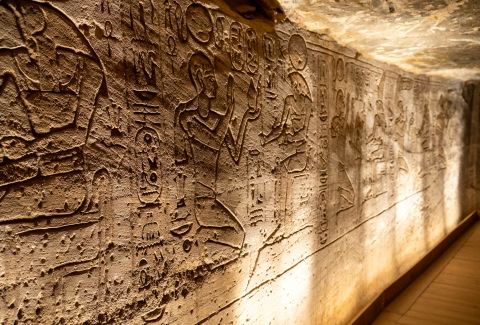
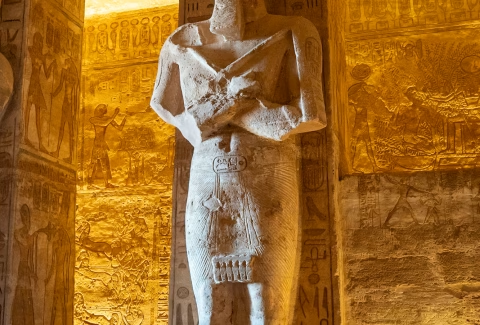
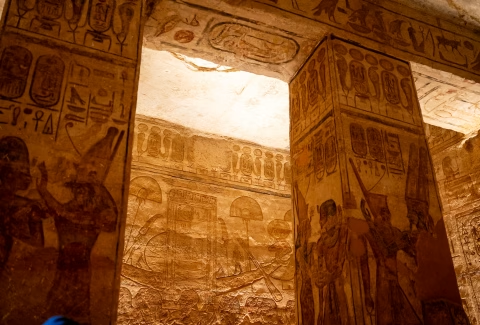
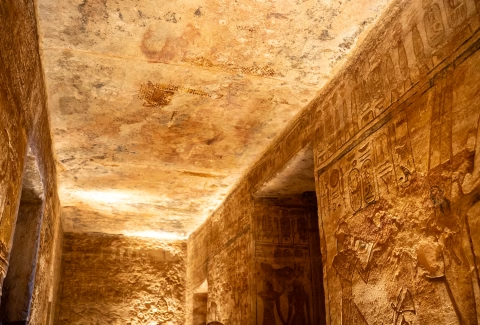
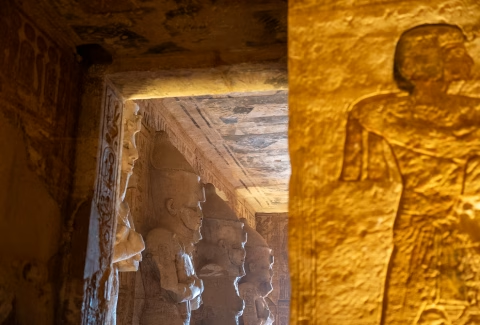
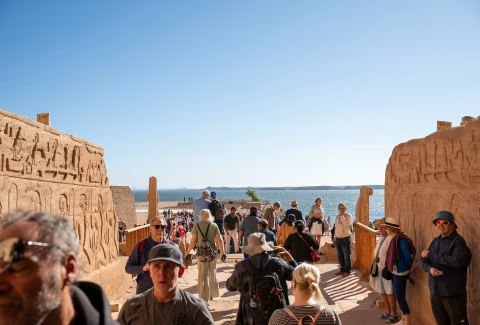
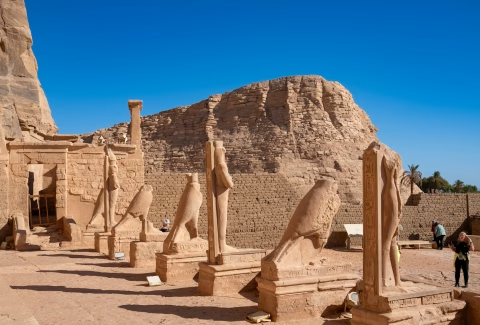
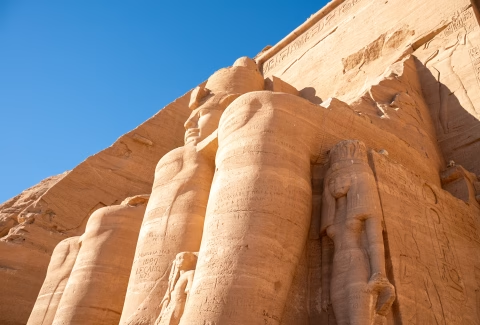
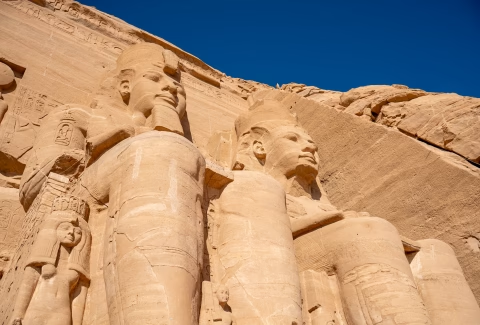
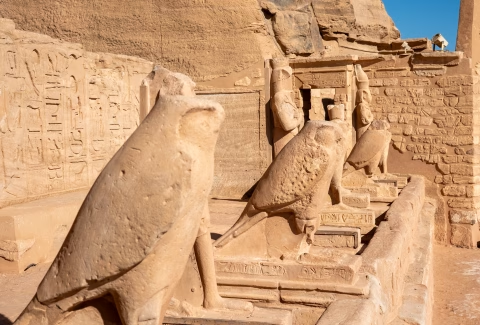
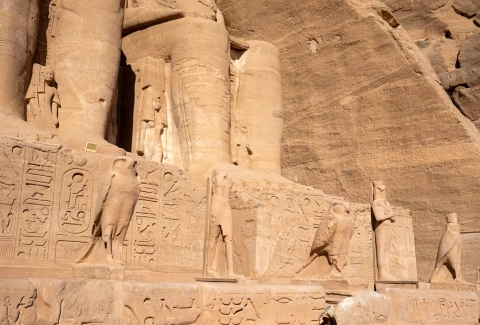
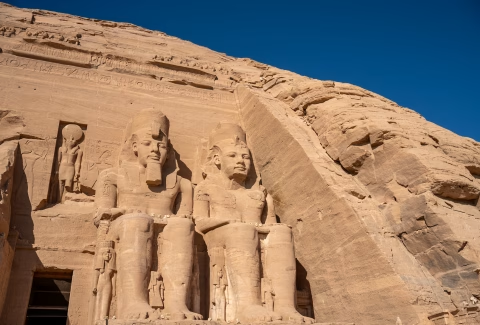
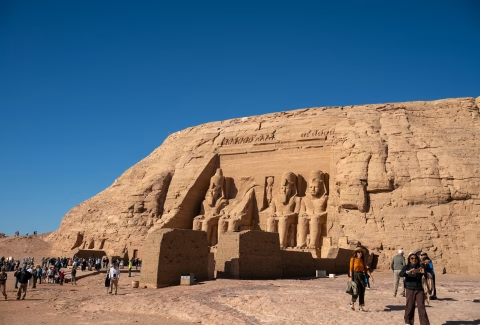
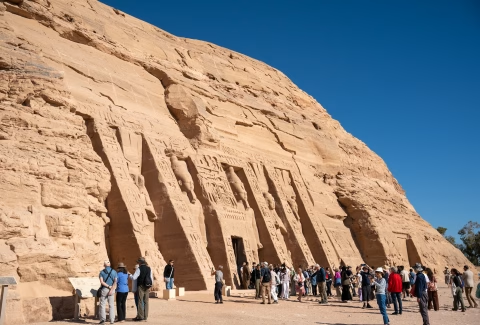
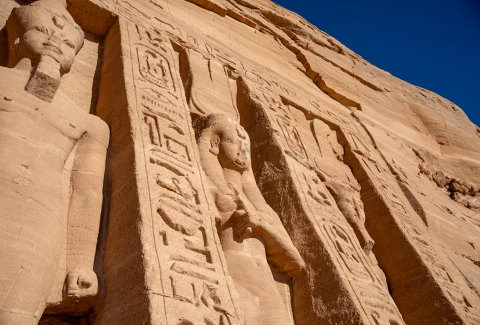
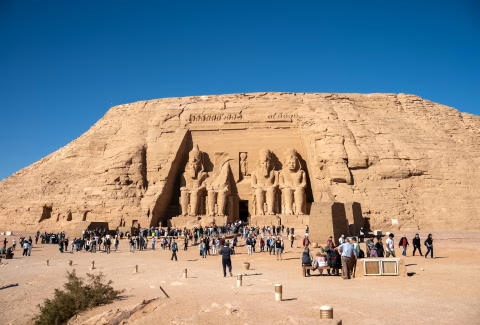
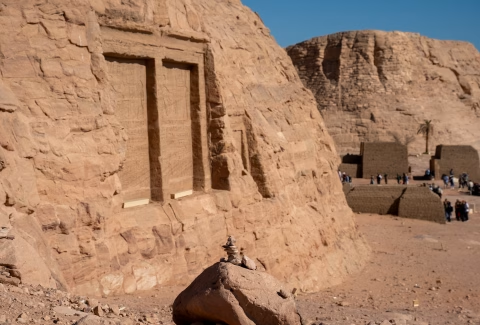
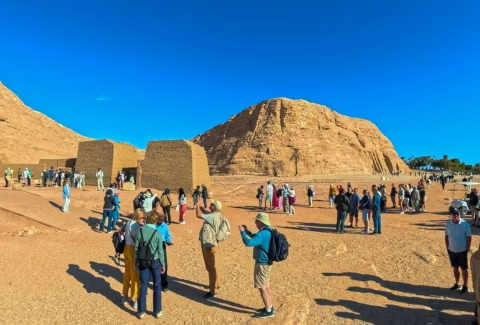
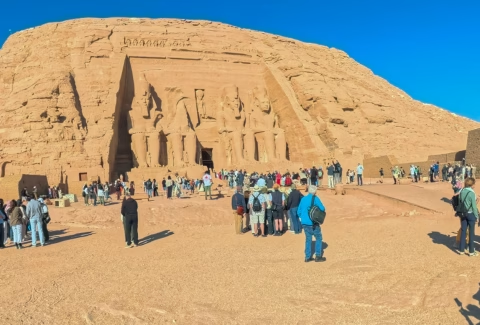
Carved directly into the sandstone cliffs during the 13th century BCE, this breathtaking complex stands as a timeless monument to the immense ego and grand vision of King Ramesses II. Designed to honor the gods and immortalize his victory at the Battle of Kadesh, the site features four colossal statues of the Pharaoh guarding the entrance. In a staggering feat of modern engineering, the entire complex was carefully dismantled and moved to higher ground in the 1960s to escape the rising waters of Lake Nasser, preserving its ancient majesty for generations to come.
Stepping onto the site, the sheer scale of the temples was utterly jaw-dropping, though we quickly realized we weren’t the only ones eager to marvel at them. The plaza buzzed with a chaotic energy as throngs of tourists jostled for the perfect photo, making it a challenge to find a quiet moment of contemplation beneath the massive stone gazes.
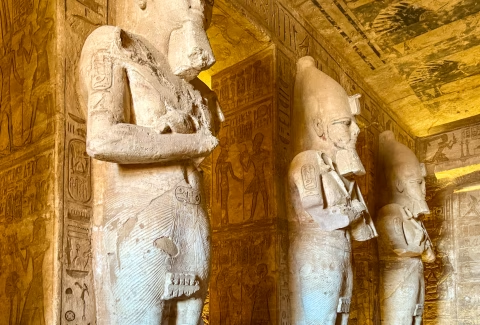
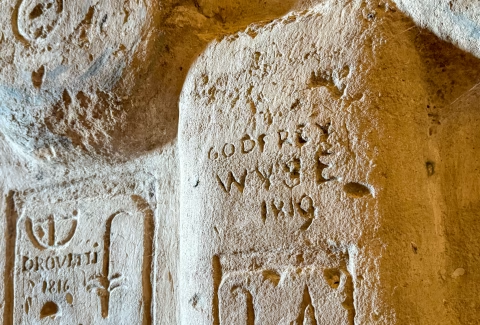
Yet, beyond the grand scale of the structures, it was the smaller details inside that truly stole our imagination. Among the towering columns, we were completely fascinated by the layers of historic graffiti carved into the stone. Ranging back to the 18th century, these etched names belonged to early European explorers who traveled here long before modern tourism. It was a bizarrely intimate reminder that for centuries, travelers have stood exactly where we were standing, leaving their own small marks against the overwhelming weight of eternity.
Our journey through Aswan took us from the colossal scale of modern engineering to the timeless romance of ancient temples, and finally into the heart of a granite quarry that guards Egypt’s unfinished secrets. It was a day filled with unforgettable sights, boat rides, and surprising heights
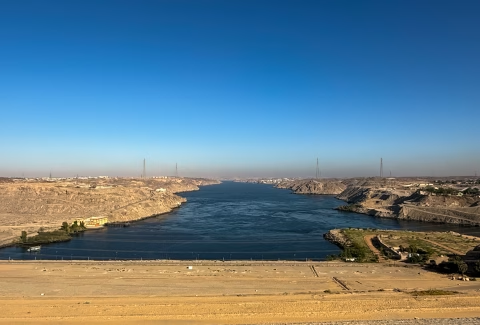
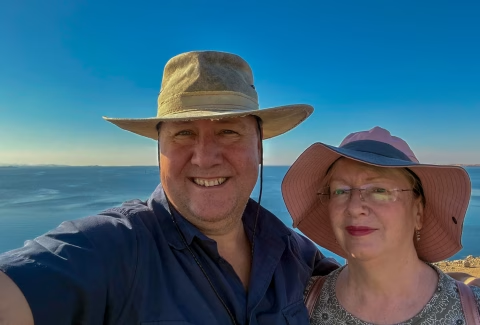
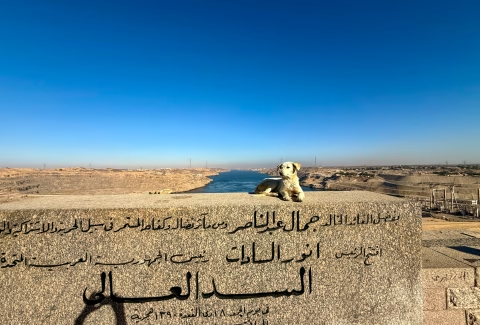
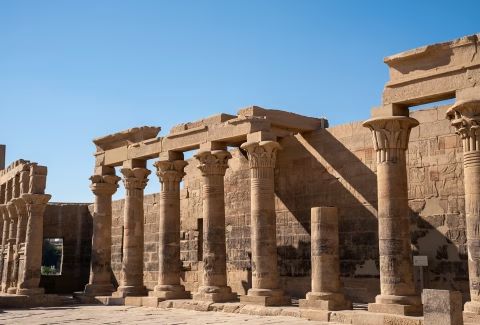
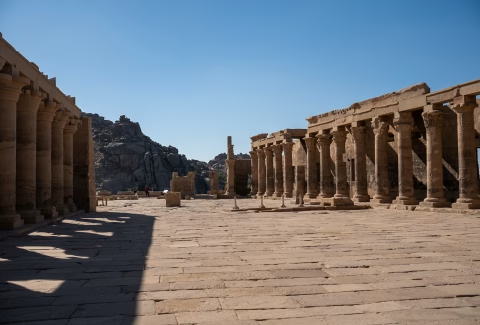
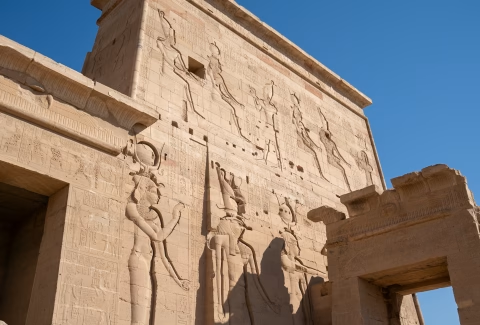
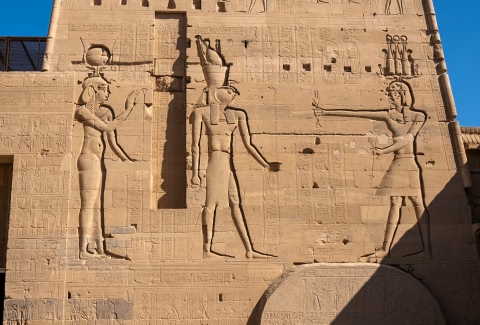
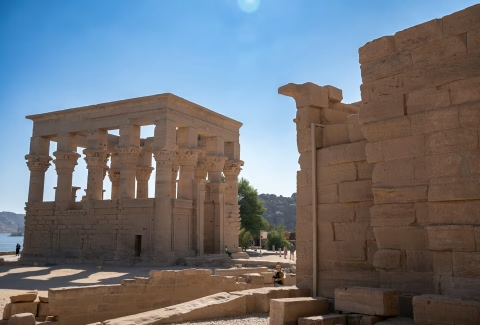
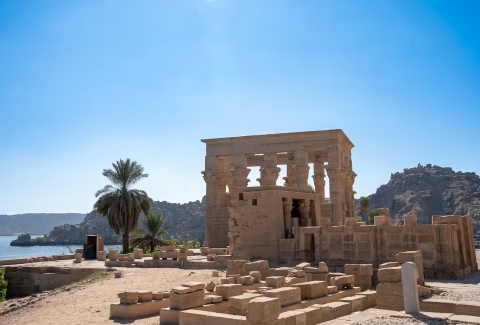
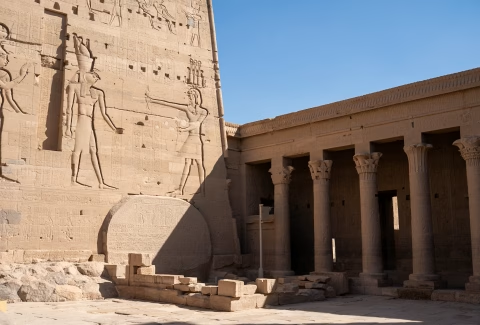
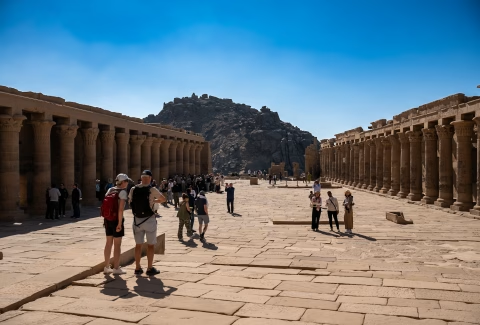
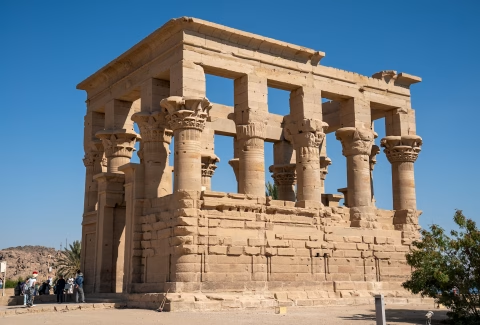
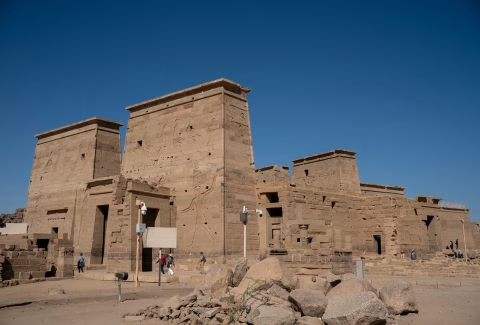
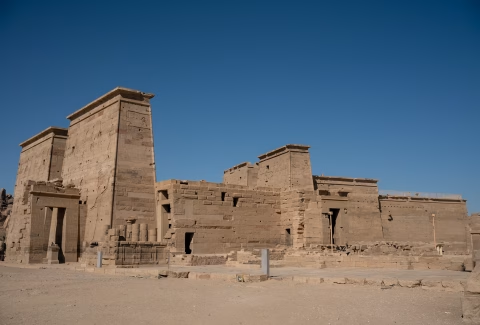
Our first stop was the monumental Aswan High Dam, a staggering feat of modern engineering that tamed the mighty Nile. Standing atop this massive structure, the views across Lake Nasser were breathtakingly vast. Amidst the grandeur of concrete and sweeping water, our favorite moment was spotting a completely unbothered, chilling out dog on the dam, soaking up the Egyptian sun without a care in the world.
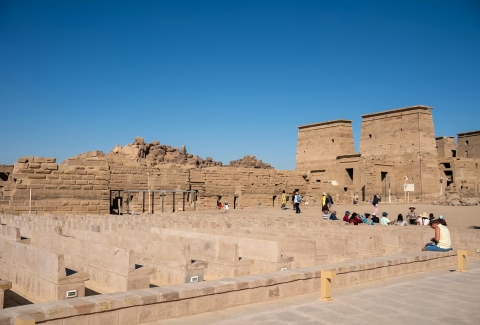
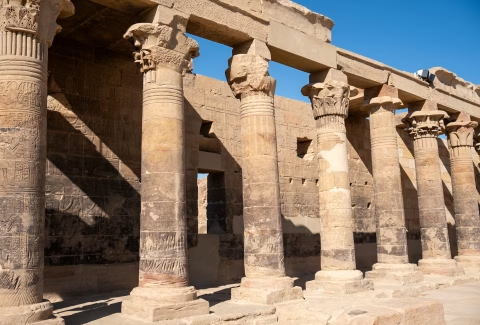
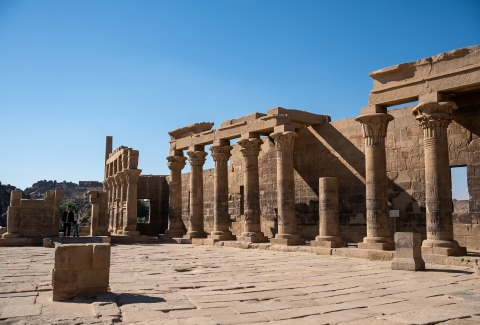
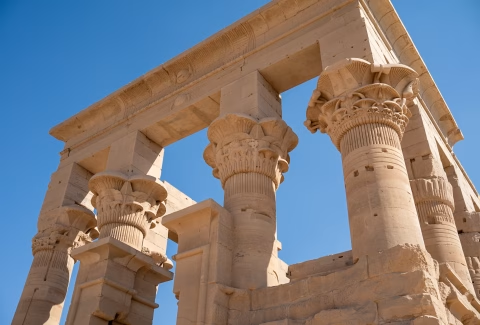
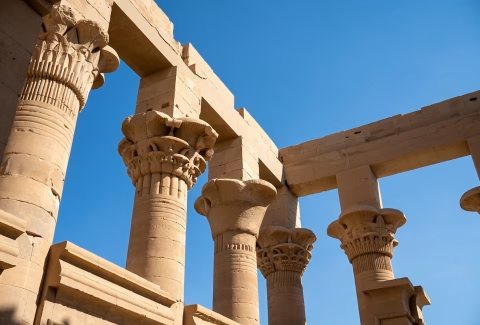
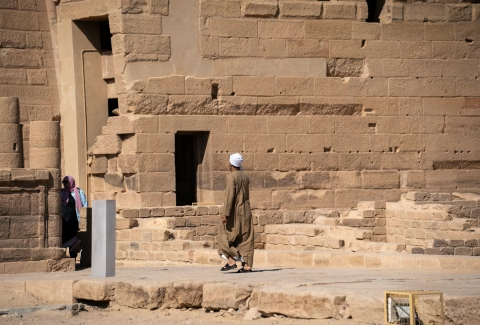
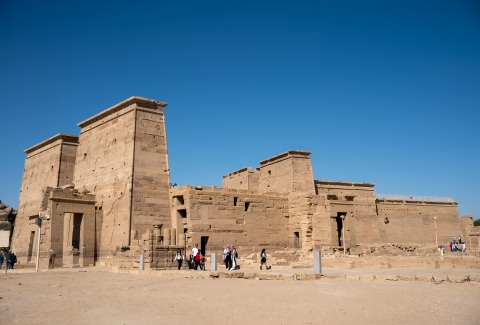
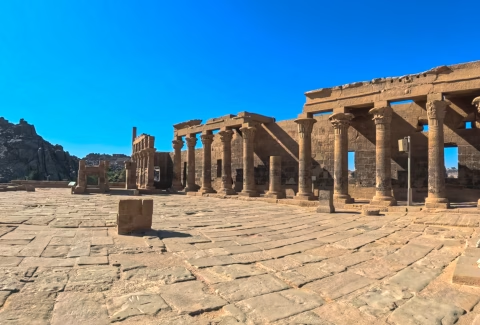
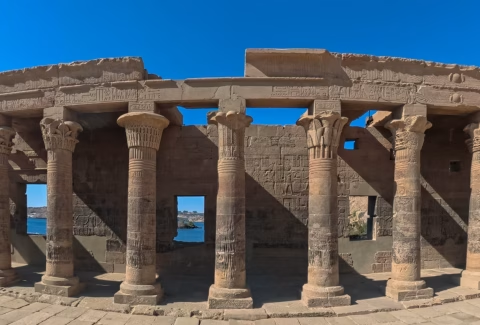
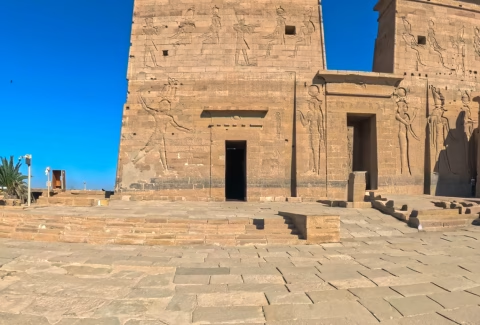
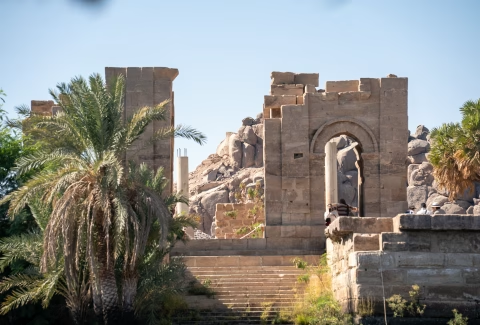
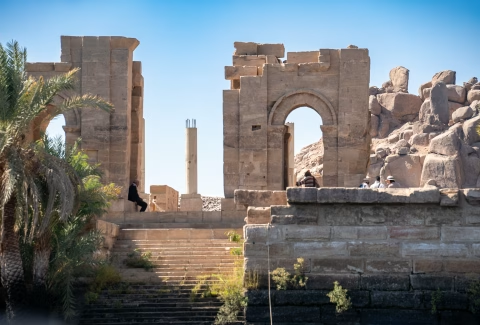
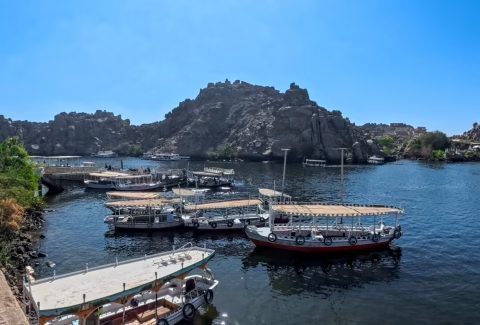
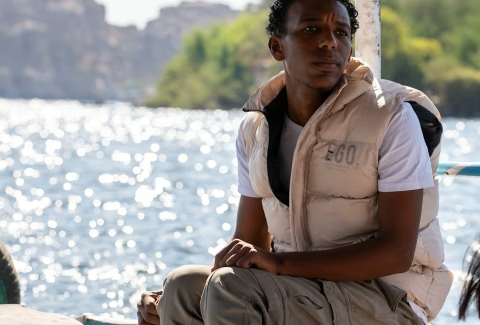
Next, we headed to the majestic Philae Temple, dedicated to the goddess Isis. Reaching it was an adventure in itself. The boat trip experience to the Philae temple was magical, skimming across the glistening water toward the island. Having previously seen the dazzling night light show here, seeing the intricate carvings illuminated by daylight offered a spectacular new perspective.
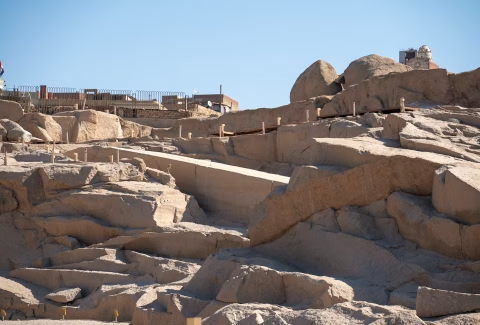
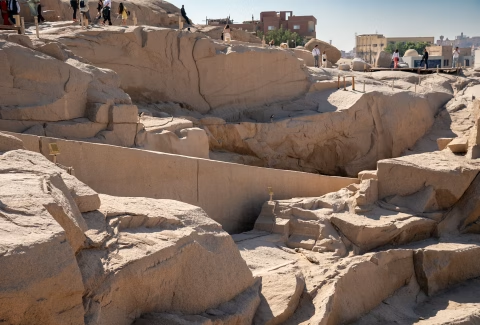
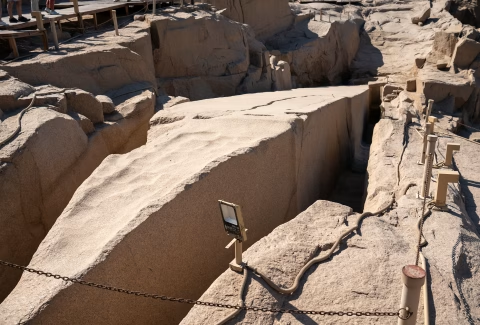
We wrapped up our tour at the ancient northern quarries to see the Unfinished Obelisk. It provides a fascinating look into how these massive monoliths were carved straight out of the bedrock. Climbing around it was incredible, though the steep, dusty terrain made Cola quite nervous climbing over the obelisk. Peering down into the trenches gave us a true appreciation for the sheer scale of ancient Egyptian ambition.
Getting back to our boat was interesting as we had to walk through multiple river boats to finally get to our own vessel, as the Nile river boats park side by side when docked
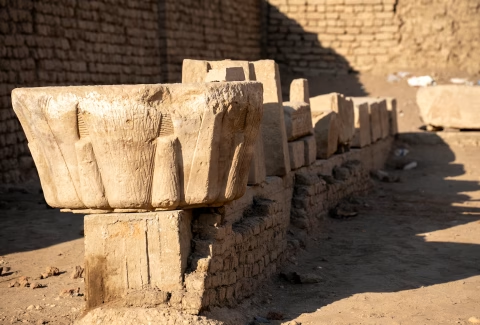
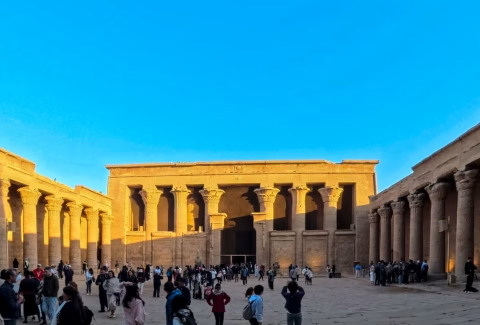
Of all the ancient wonders I explored along the Nile, nothing quite prepared me for the raw scale and immaculate preservation of the Temple of Horus at Edfu. Built during the Ptolemaic Kingdom between 237 and 57 BC, this massive sandstone complex lay buried under desert sand for centuries. Walking through it today, I felt like I had stepped into a time machine—it stands as Egypt’s most complete temple, offering an uncompromised look into the architectural genius and mysterious rituals of the pharaohs.
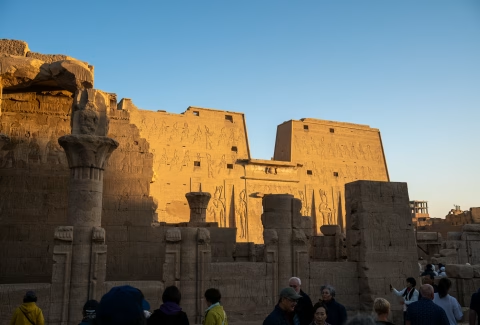
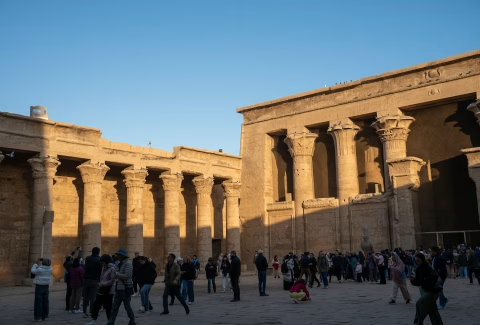
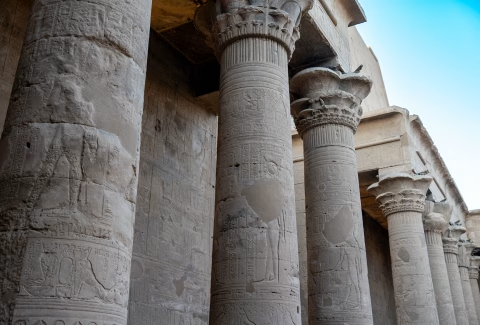
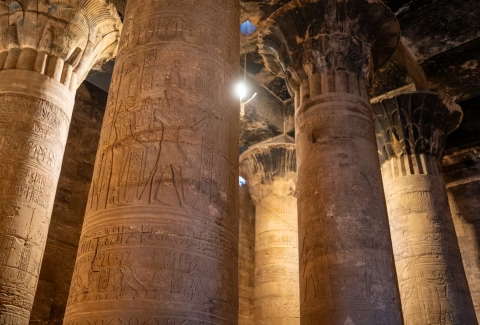
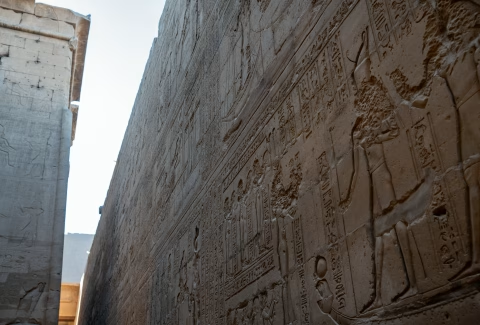
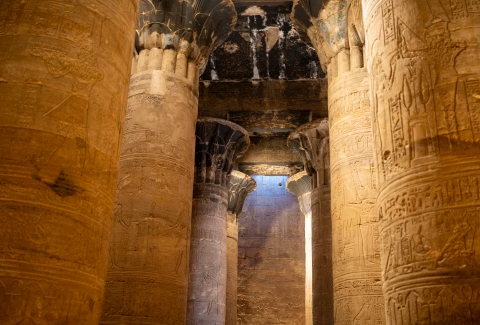
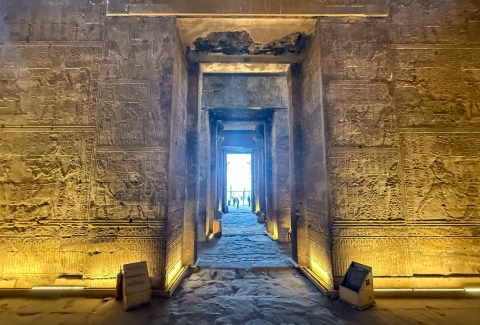
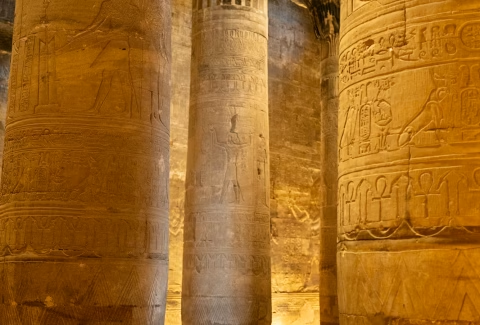
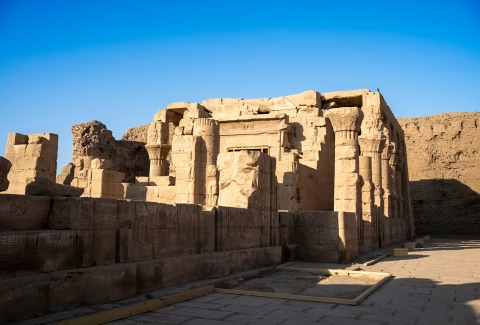
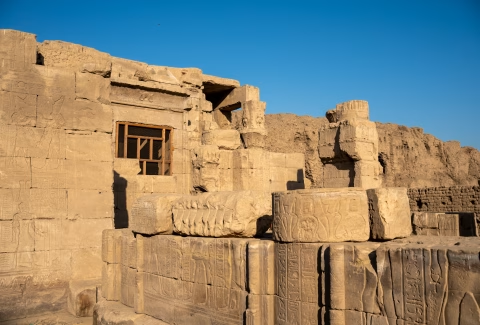
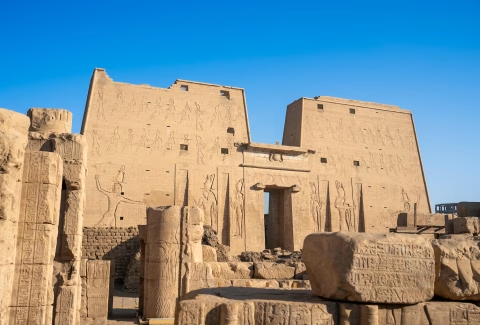
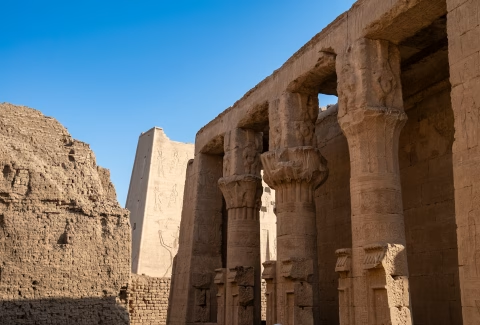
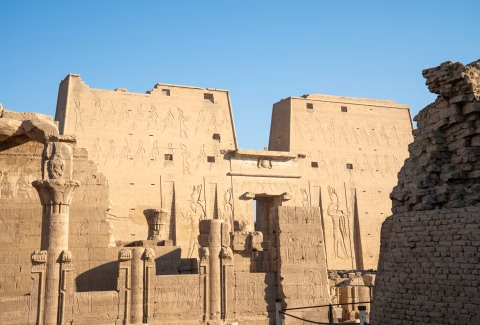
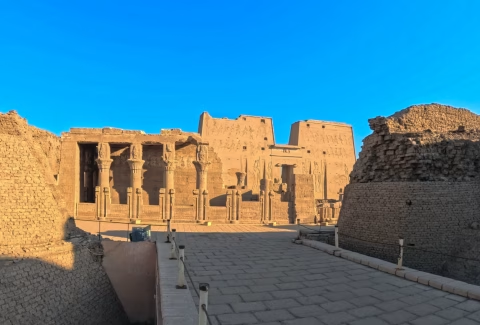
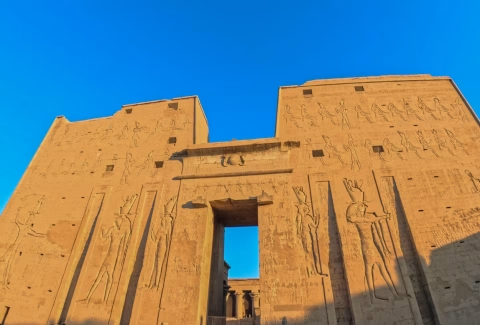
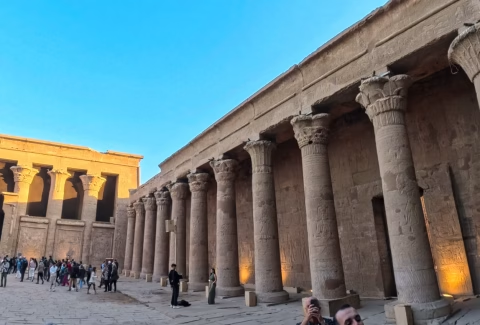
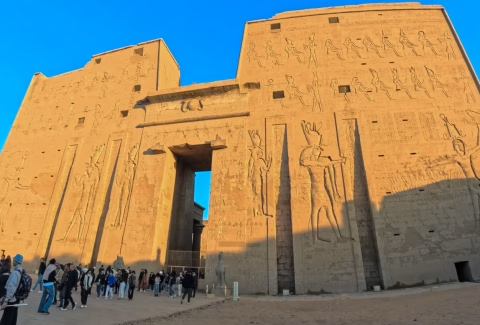
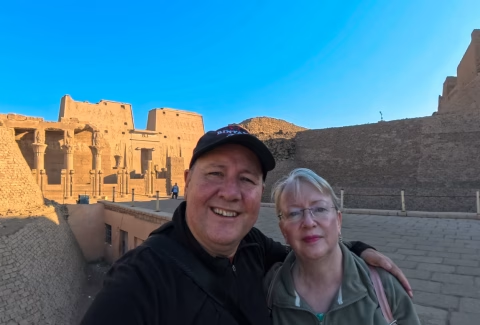
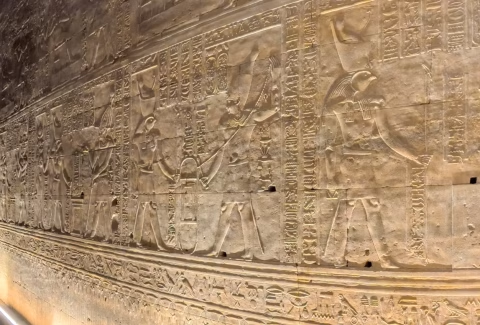
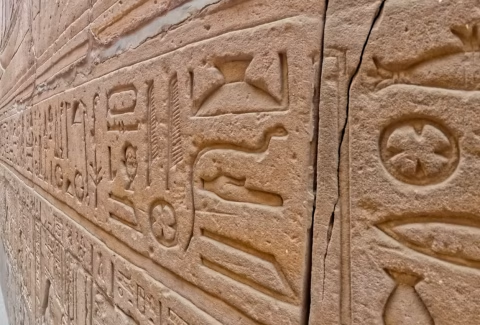


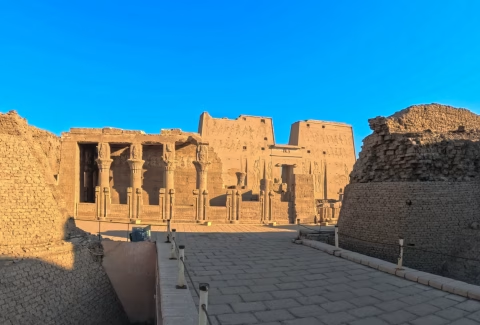
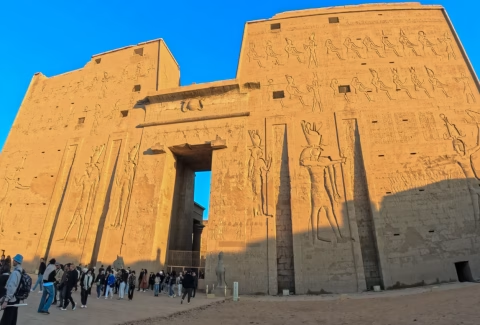
Approaching the temple, the first thing that absolutely hit us was the sheer scale of the pylon—the monumental entrance gateway. Standing at over 110 feet tall, its towering facade is carved with massive reliefs of King Ptolemy XII smiting his enemies before Horus. It makes you feel incredibly small.
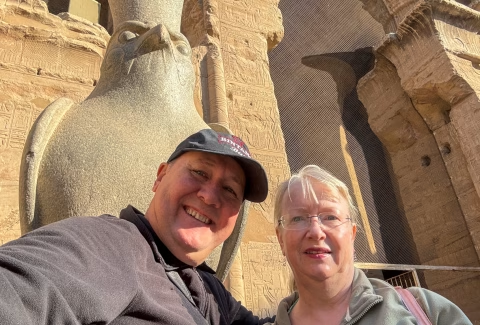
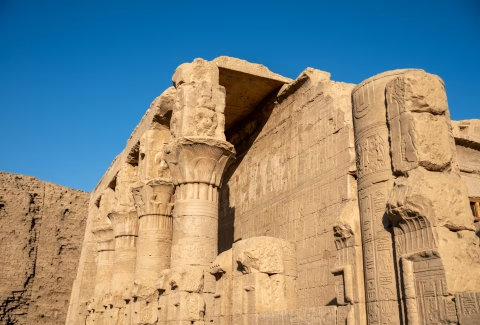
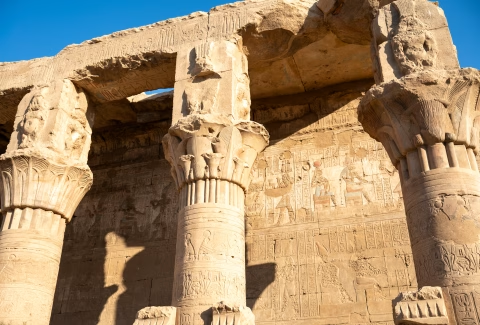
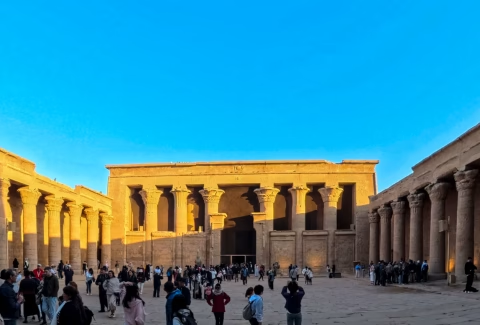
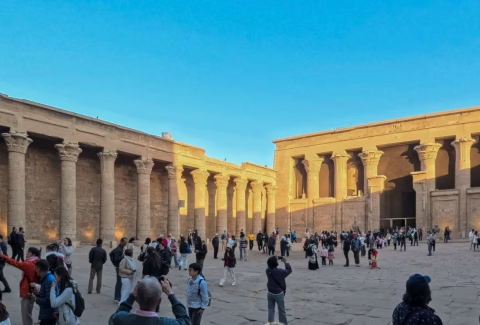
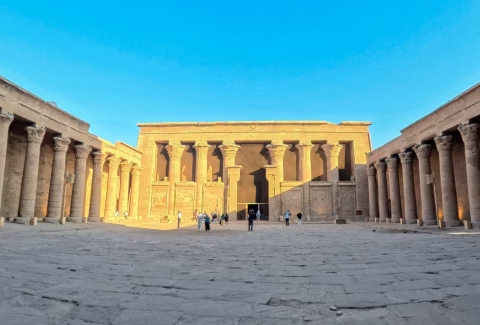
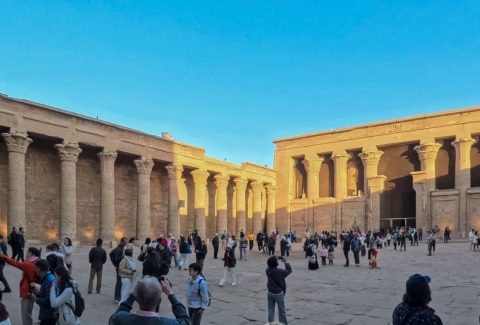
Once we stepped past the threshold, I entered the vast Court of Offerings, flanked by towering columns. Our favourite spot was standing right next to the iconic, beautifully polished black granite statues of Horus. Depicted as a majestic falcon wearing the double crown of Egypt, they still stand guard at the entrance to the hypostyle hall just as they did millennia ago.
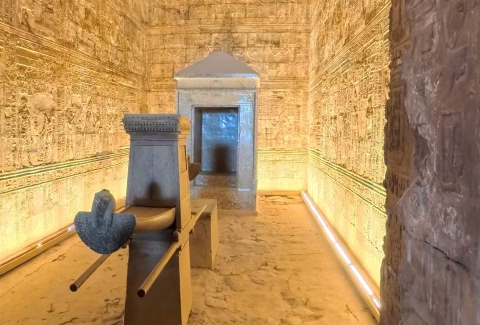
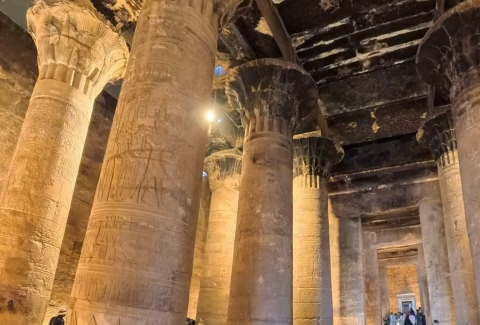
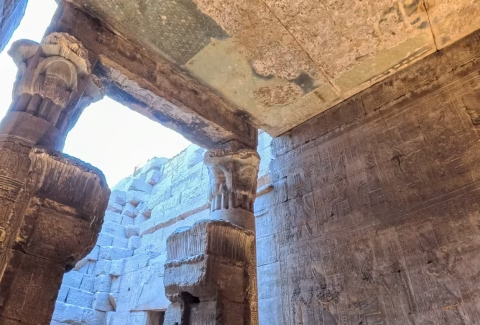
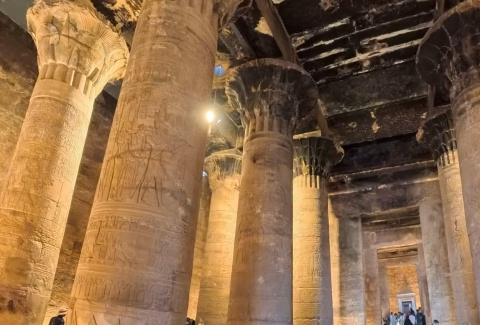
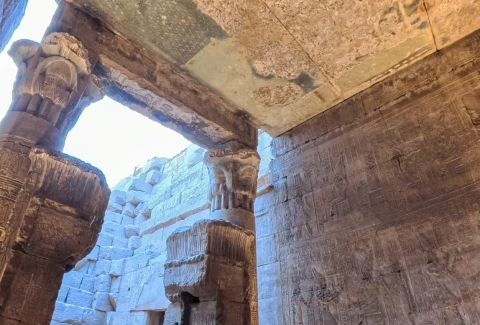
Inside, the vibe gets much more atmospheric. As we moved deeper, the floors gently rose and the ceilings lowered—a deliberate architectural trick designed to mimic the “primeval mound” of creation. The lack of natural light creates a mystical environment, illuminating chambers like:
The Laboratory: Where priests mixed sacred perfumes and incense.
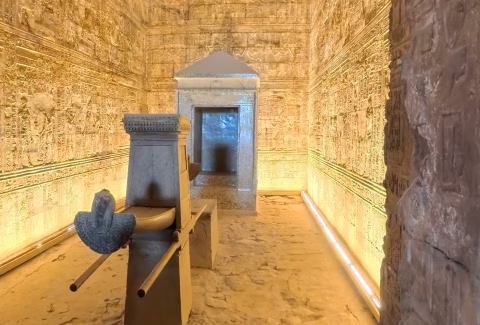
The Sanctuary: The holy of holies, where we got to see a rare, intact stone naos (shrine) that once held the golden cult statue of the god.
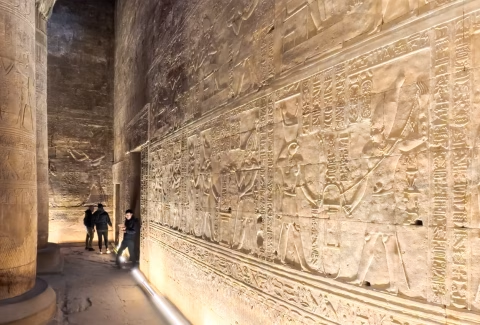
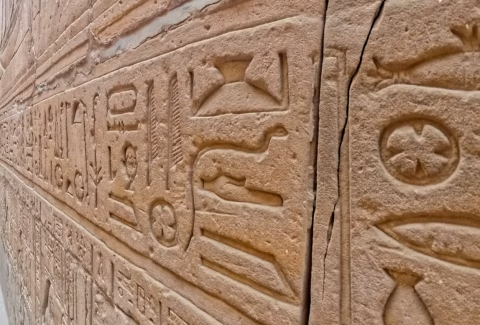
Every inch of the walls is covered in intricate hieroglyphics. We learned that these inscriptions detail the “Sacred Drama”—the mythical, epic battle between Horus and his chaotic uncle, Seth. For me, Edfu wasn’t just a monument; it felt like walking through a giant, stone storybook.
Our final venture out in Egypt was a whirlwind of breathtaking scale, deep history, and a true test of our heat tolerance. Looking back, checking these ancient marvels off our bucket list together was the perfect grand finale to an unforgettable trip.
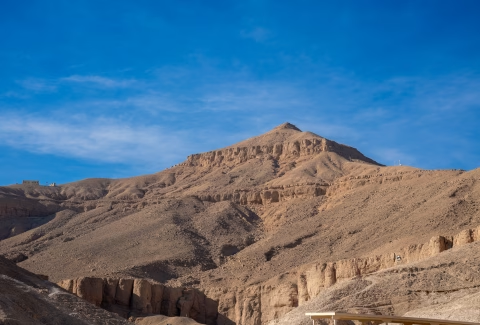
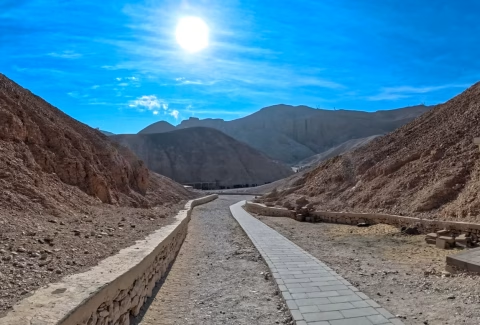
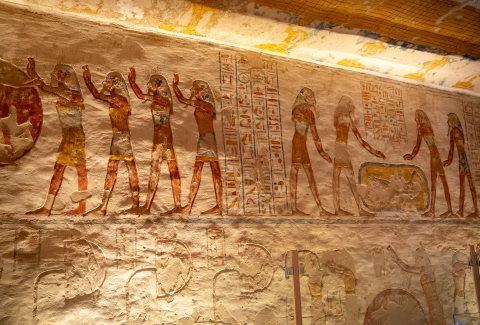
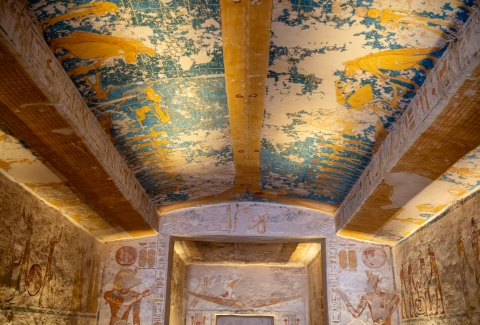
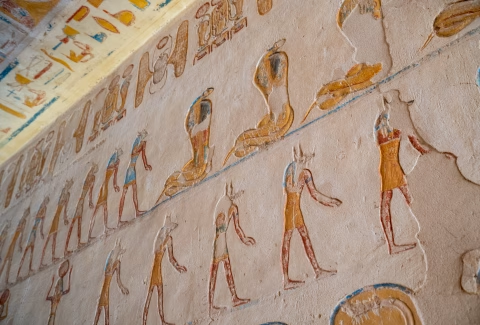
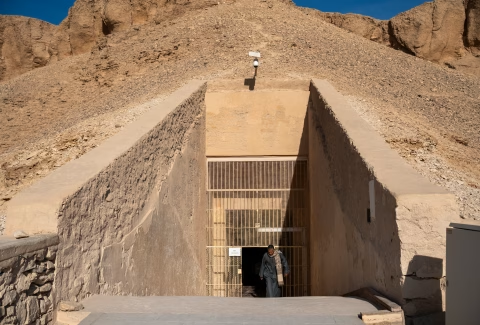
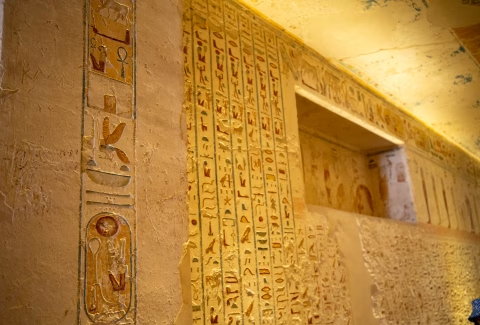
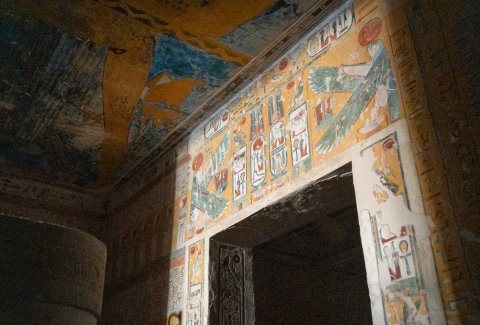
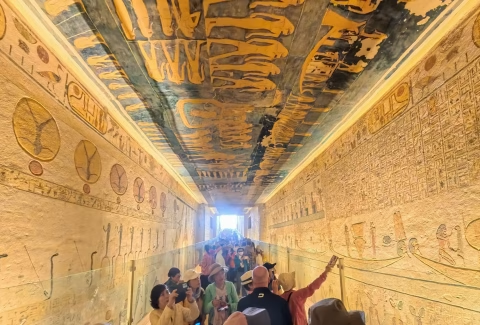
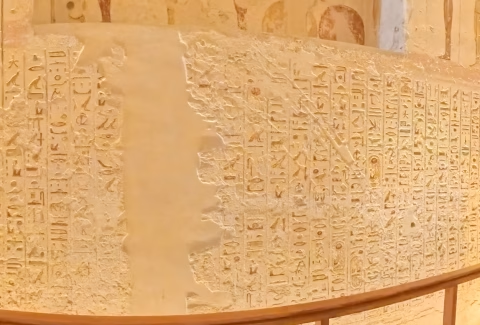
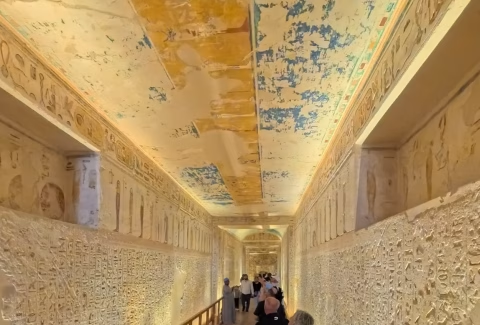
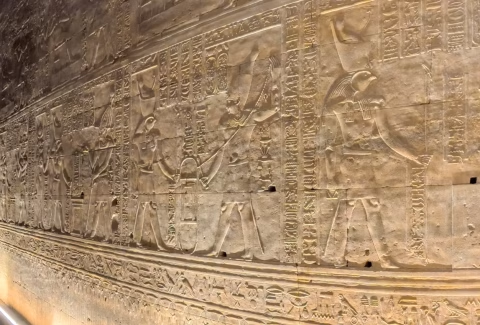
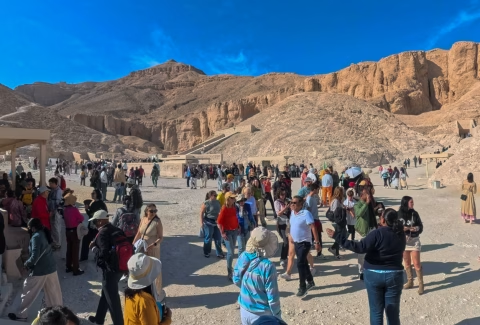
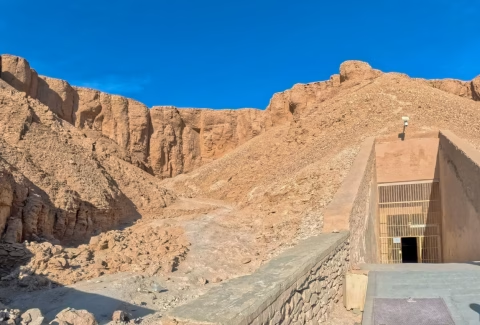
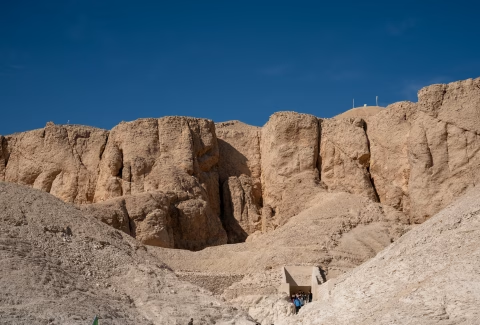
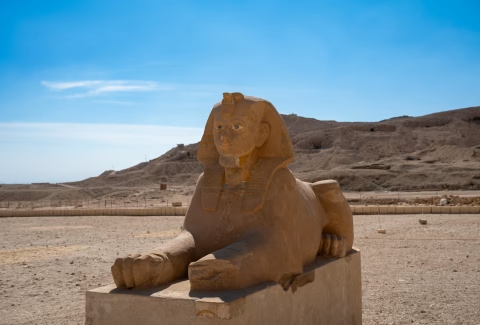
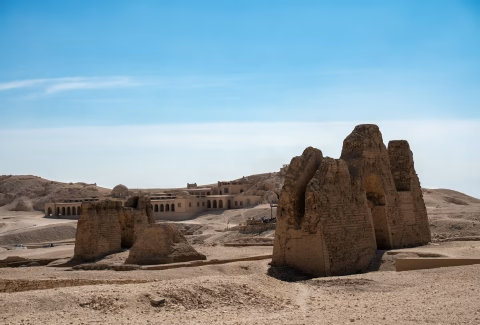
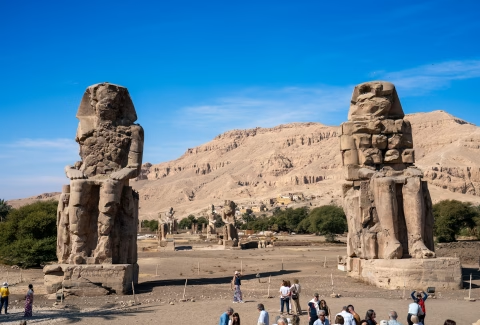
Our first stop was the legendary Valley of the Kings, the final resting place of New Kingdom pharaohs. We actually decided to skip going inside King Tutankhamun’s tomb. We’d been told it’s perpetually crowded and a bit overrated, given that his most dazzling treasures are safely housed in Cairo’s museums anyway.
Instead, we focused on the broader history of the valley—and the incredible people who uncovered it. For nearly 500 years (from the 16th to the 11th century BCE), Egyptians abandoned building massive pyramids and chose instead to carve deep, hidden tombs into these limestone cliffs. While many of these tombs had been broken into and left open since antiquity, the modern era of discovery truly kicked off when Napoleon’s scientific expedition mapped the area in 1799.
Soon after, larger-than-life explorers arrived. The flamboyant Italian strongman-turned-archaeologist Giovanni Belzoni made massive waves in 1817 when he discovered the breathtakingly beautiful tomb of Seti I (KV17). In the late 1800s, French Egyptologist Victor Loret uncovered a treasure trove of royal tombs, including Amenhotep II’s, which was hidden away with a dozen relocated royal mummies. And, of course, the valley’s most legendary moment came in 1922, when British archaeologist Howard Carter finally found Tutankhamun’s nearly intact tomb after years of meticulous searching.
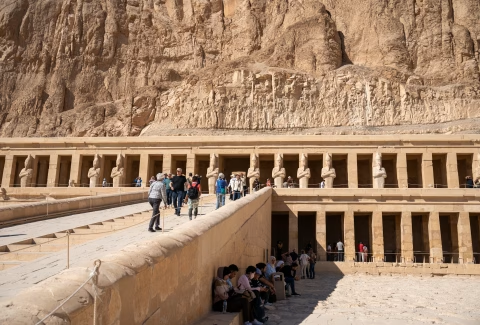
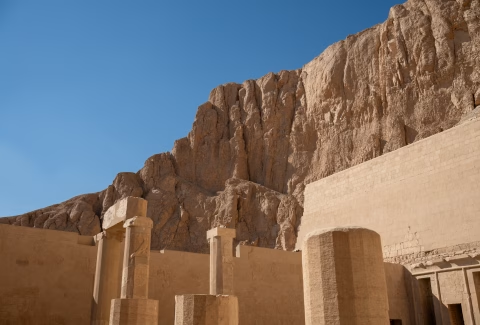
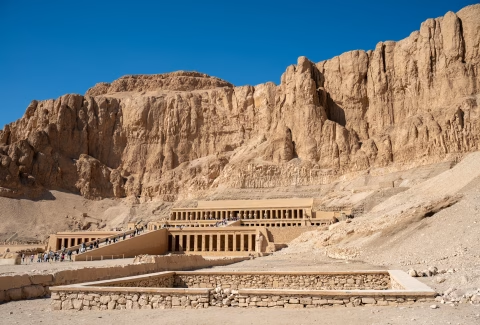
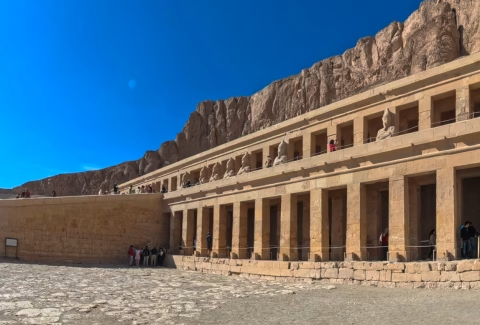
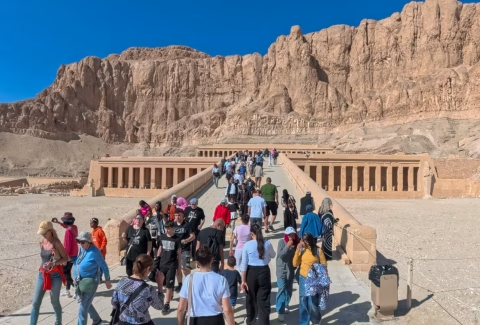
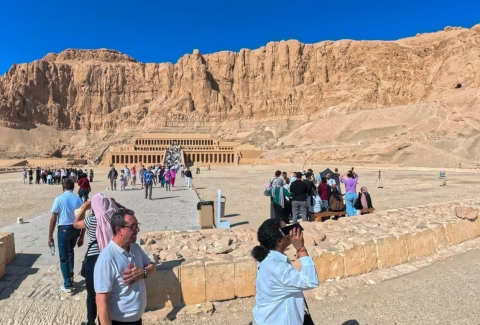
Next, we crossed over to the stunning mortuary temple of Hatshepsut at Deir el-Bahari. Boy, it was hot! There was very little shade to protect us from the glaring desert sun, but the architecture was worth every drop of sweat.
Hatshepsut was one of Egypt’s rare and highly successful female pharaohs. To legitimise her rule, she built this dramatic, three-tiered terraced temple that blends seamlessly into the towering cliffs behind it. Walking up those grand ramps felt like stepping straight into antiquity.
Our last stop was Al Karnak, and what a busy, massive day it turned out to be. To say this place is impressive is a massive understatement. It is the largest religious complex ever constructed, built over a span of 2,000 years with generations of pharaohs adding their own temples, chapels, and giant obelisks.
Cola was completely fascinated by the ritual of walking around the giant sacred scarab beetle statue 10 times—an ancient tradition said to bring good luck, health, and a happy marriage! (Any made some more children…)
Film buffs will also immediately recognize Karnak’s famous Great Hypostyle Hall, a forest of 134 colossal sandstone columns. Its dramatic shadows have served as the backdrop for several iconic movies. For instance, it hosted the classic 1977 James Bond film The Spy Who Loved Me, where Roger Moore plays hide-and-seek with the steel-toothed villain, Jaws. It was also prominently featured in the star-studded 1978 Agatha Christie mystery Death on the Nile, where a massive stone block is deliberately dropped from the columns. Finally, the sprawling complex lent its ancient grandeur to the sweeping action sequences in Transformers: Revenge of the Fallen in 2009.
Leaving Luxor, we felt completely humbled by the scale of what these ancient builders accomplished. It was hot, crowded, and exhausting—and we wouldn’t change a single second of it.