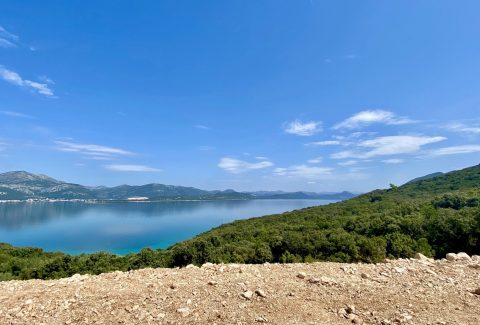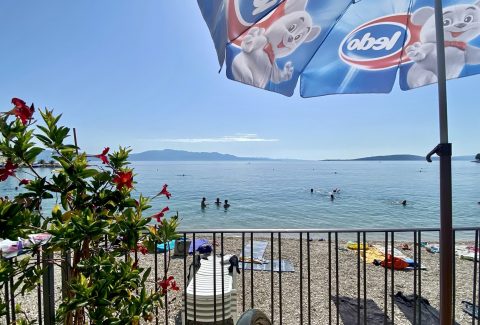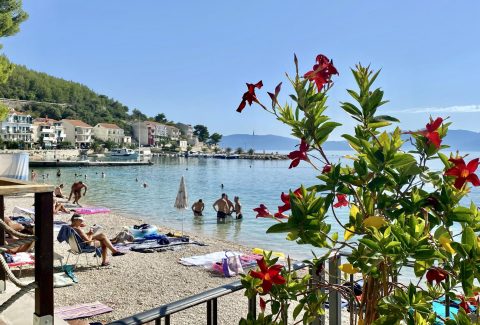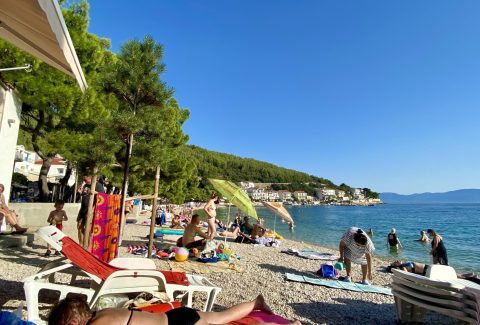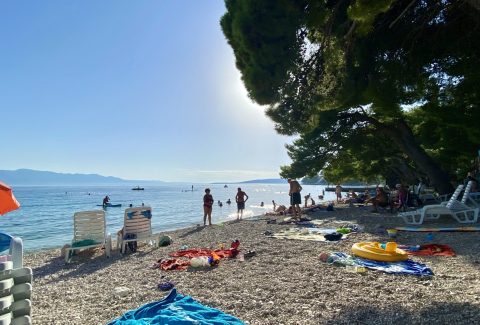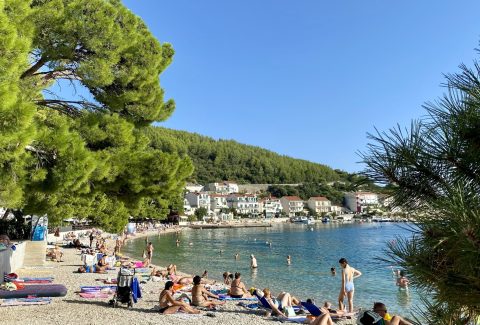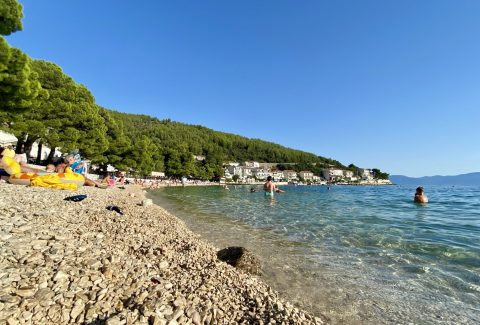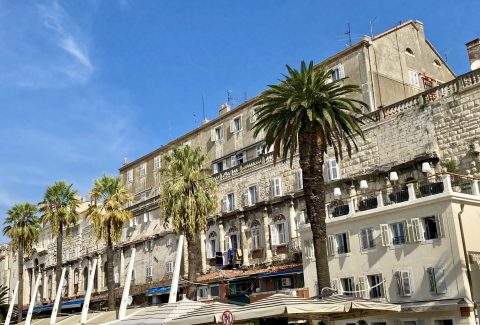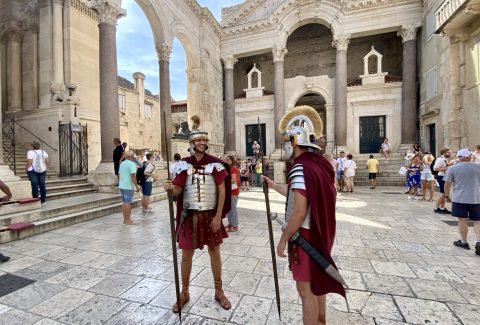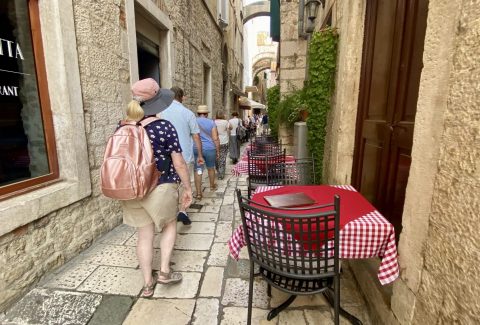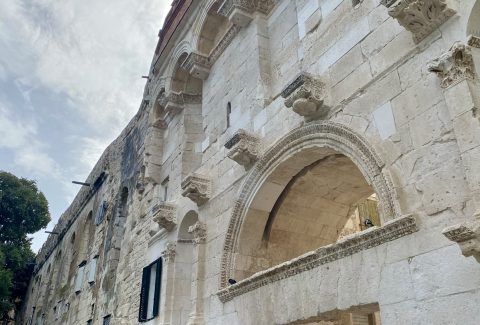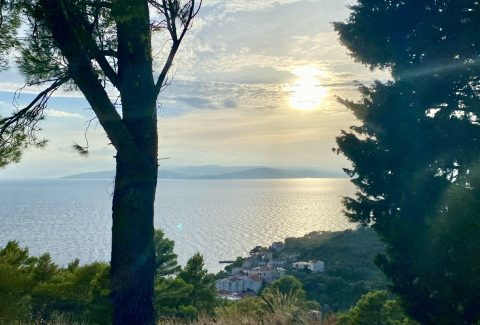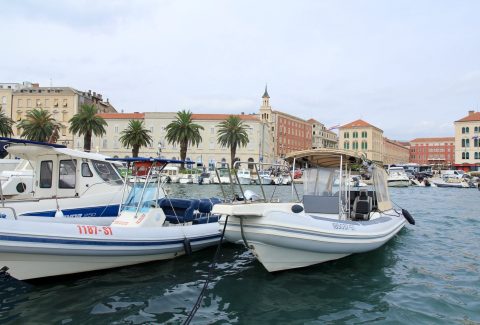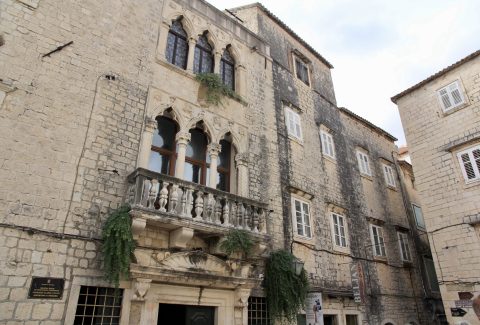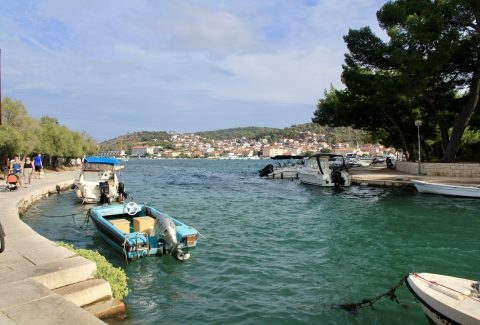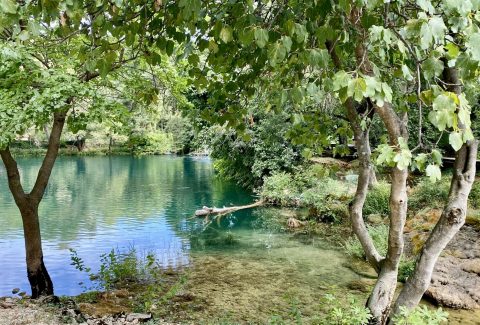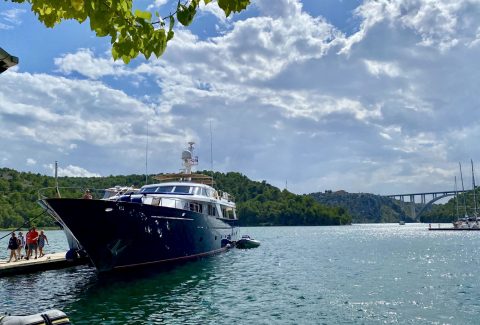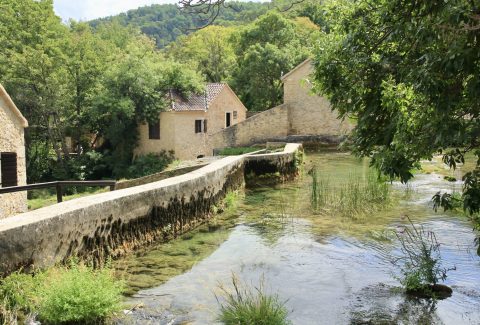

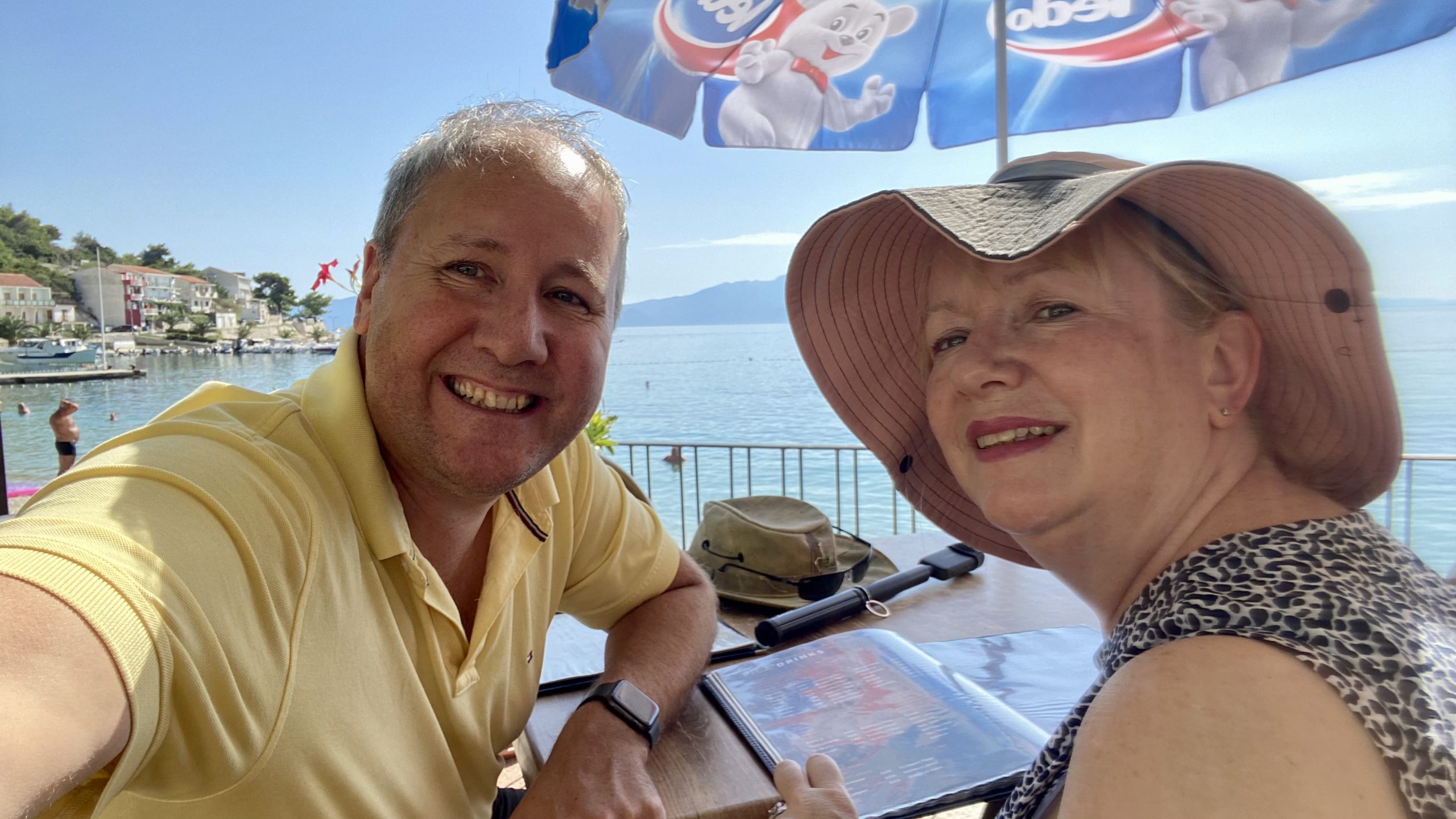


Croatia, a crescent-shaped country in Southeast Europe, is famous for its diverse landscapes, rich history, and stunning Adriatic Sea coastline. Extending along the Balkan Peninsula, its rugged littoral region includes over a thousand islands, crystal-clear turquoise waters, and ancient Roman ruins. After gaining independence in the 1990s, Croatia transformed into one of Europe’s premier travel destinations, blending a relaxed Mediterranean lifestyle with vibrant cultural traditions.
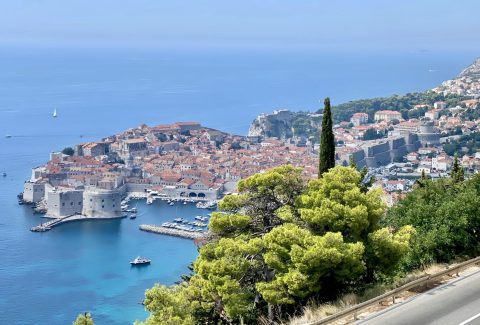
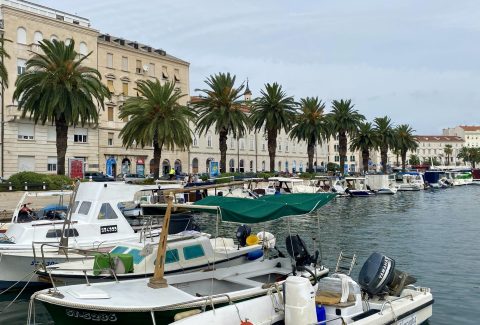
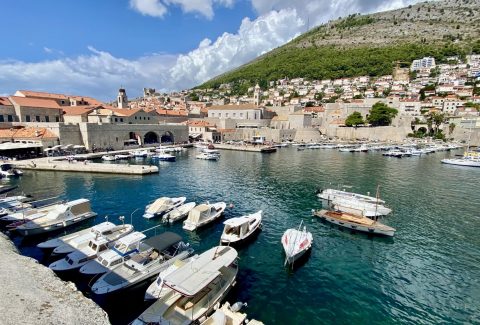
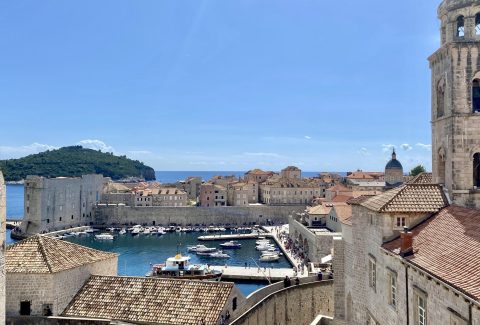
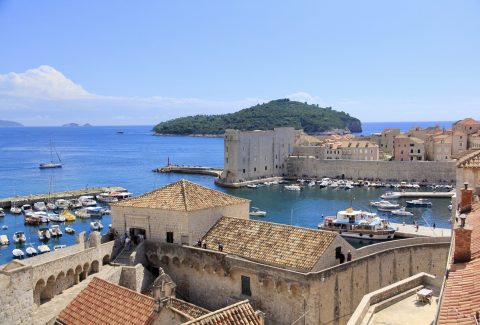
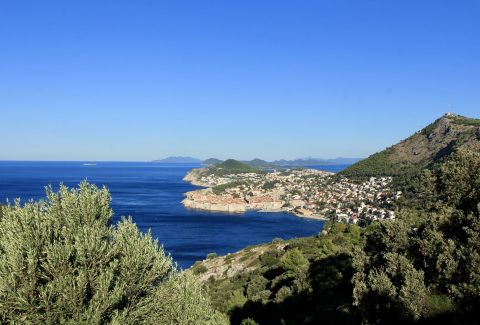
Tucked into the far southern edge of this coastline lies Dubrovnik, widely celebrated as the “Pearl of the Adriatic”. For centuries, it thrived as the Republic of Ragusa, a powerful, self-governing maritime trade hub known for its sophisticated diplomacy.
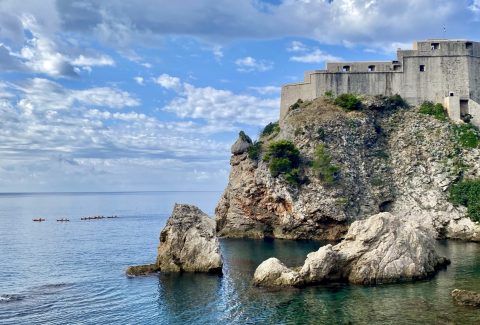
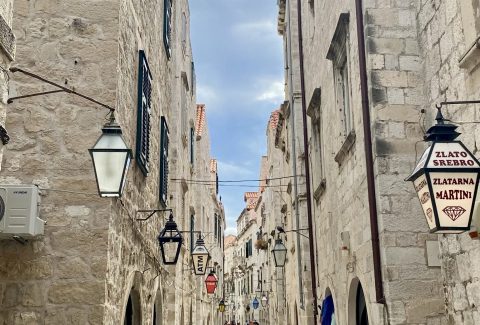
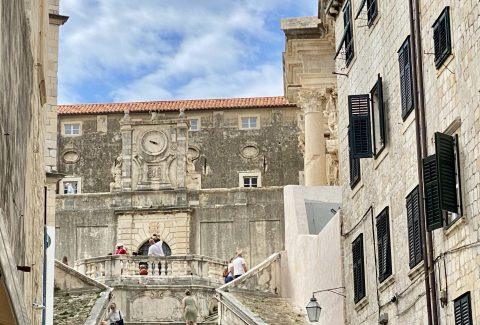
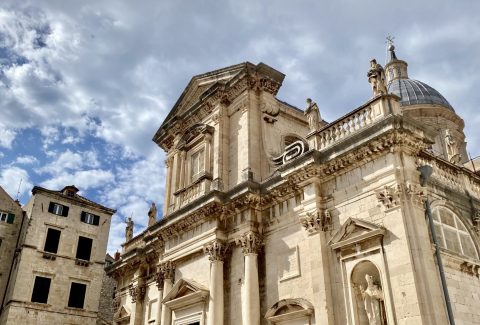
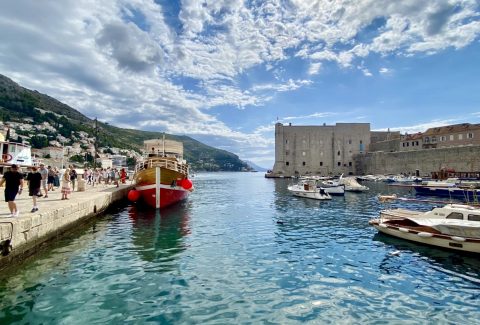
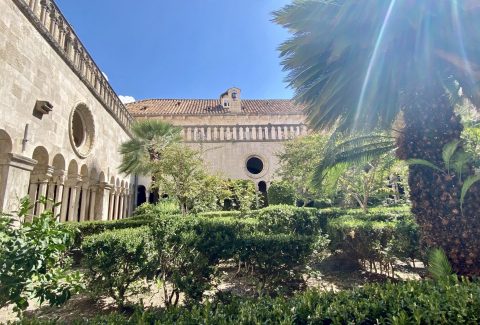
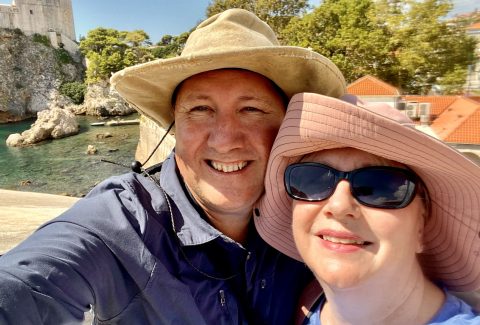
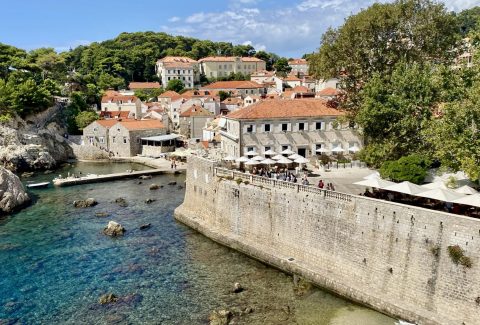
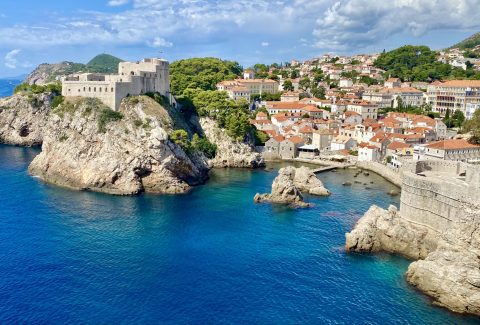
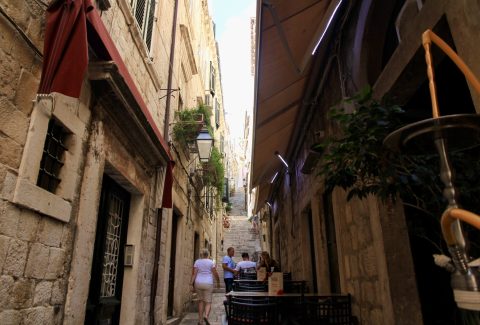
Today, Dubrovnik is a UNESCO World Heritage site renowned for its remarkably preserved medieval Old Town. The city’s defining feature is its massive, unbroken stone fortifications that run for over a mile and reach heights of up to 80 feet. These walls, which have never been breached by a hostile army, shield a pedestrian-only paradise filled with gleaming limestone streets, Gothic-Renaissance palaces, and elegant Baroque churches.
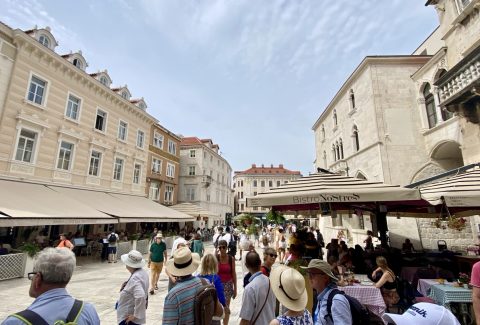
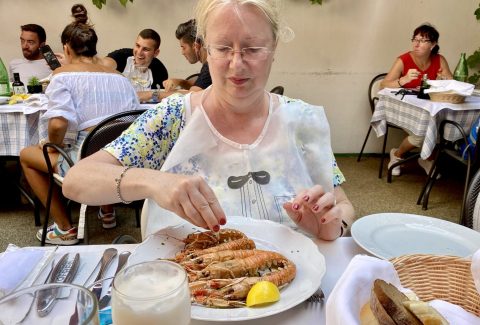
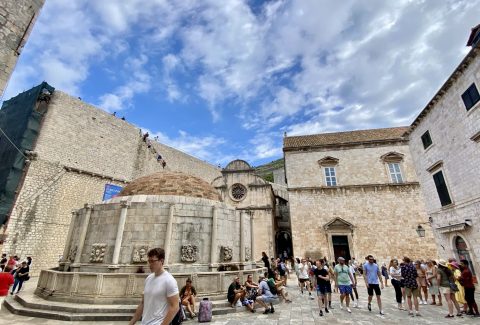
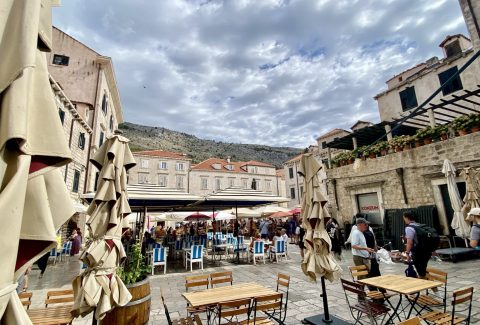
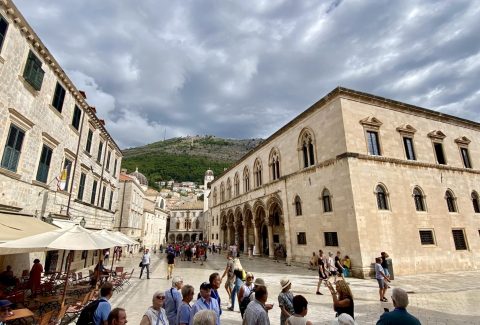
Visitors gather on the lively main thoroughfare, the Stradun, to enjoy fresh seafood, local wines, and vibrant pavement cafés. In recent years, Dubrovnik’s global popularity has soared further as a major filming location, notably serving as King’s Landing in Game of Thrones. Combining deep history with dramatic coastal beauty, Dubrovnik remains the crown jewel of Croatian tourism.
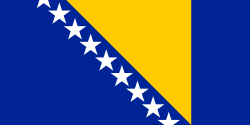
Bosnia and Herzegovina, located in the heart of the Balkan Peninsula, is a country defined by its stunning mountainous landscapes, deep historical layers, and rich cultural diversity. It borders Croatia, Serbia, and Montenegro, with a tiny coastline along the Adriatic Sea. The capital, Sarajevo, is famously known as the “Jerusalem of Europe” due to the centuries-long coexistence of Islam, Orthodox Christianity, Catholicism, and Judaism.
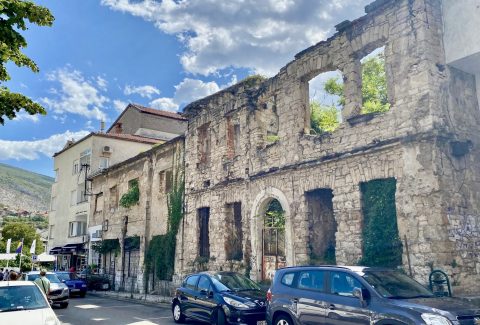
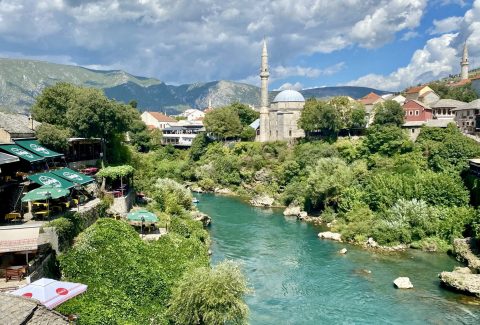
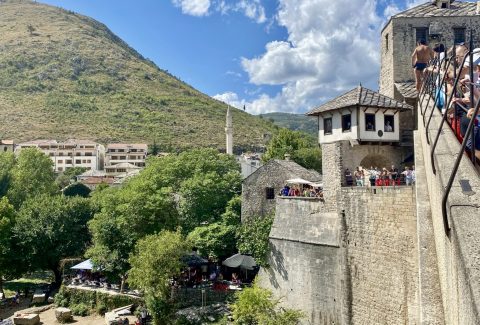
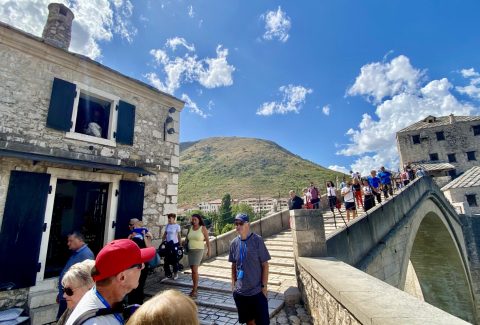
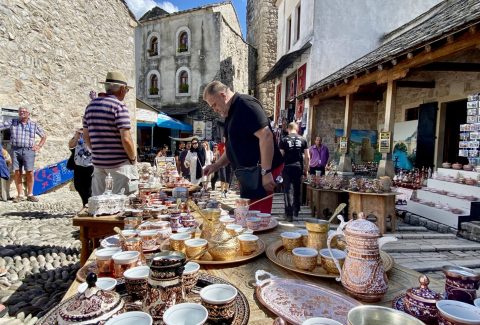
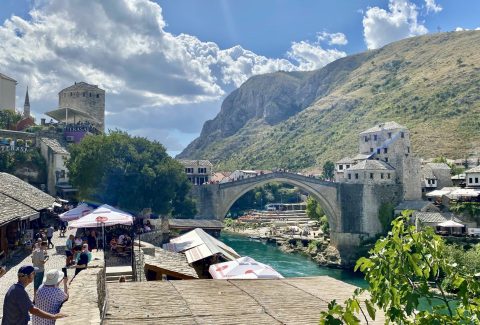
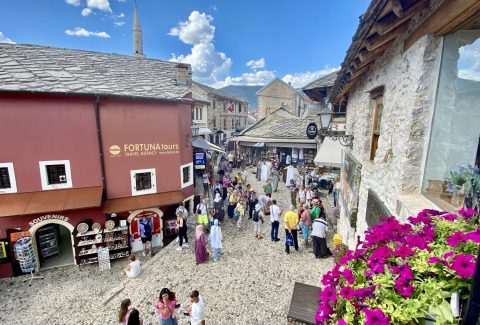
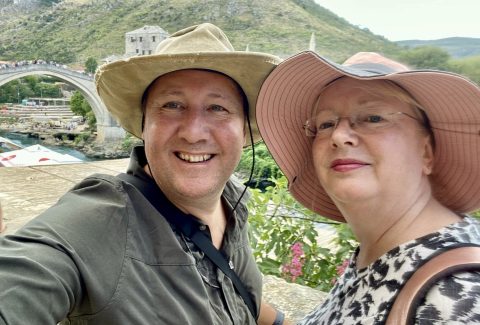
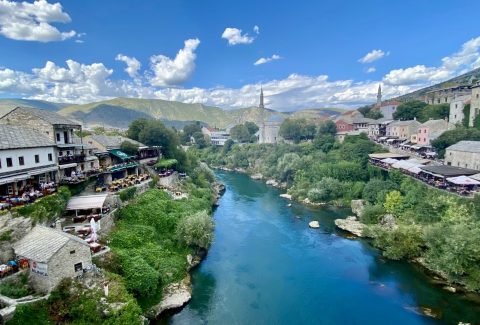
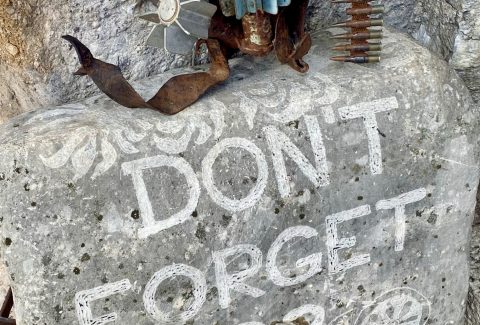
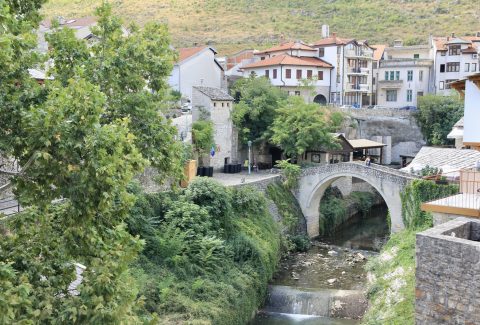
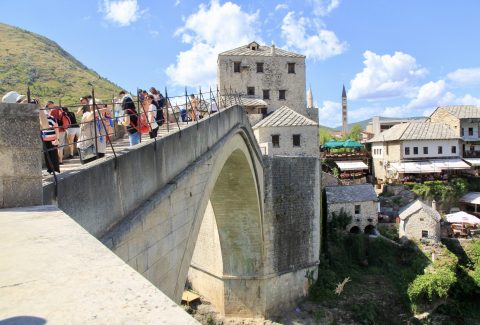
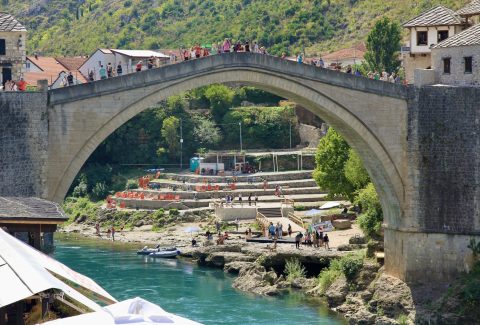
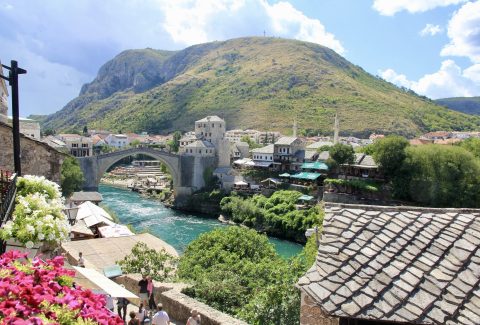
The nation’s history is a tapestry woven by major empires, most notably the Ottoman and Austro-Hungarian empires, both of which left an indelible mark on the architecture, cuisine, and customs. This cultural fusion is beautifully exemplified by landmarks like the iconic Stari Most (Old Bridge) in Mostar. In the 20th century, Bosnia and Herzegovina became part of Yugoslavia. Following the collapse of communism, it declared independence in 1992, which triggered a devastating three-year civil war. The 1995 Dayton Peace Accords ended the conflict, establishing the complex political structure that exists today.
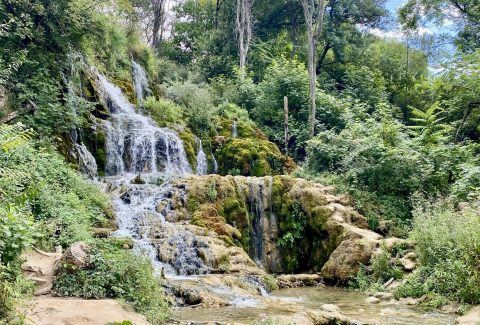
Modern Bosnia and Herzegovina is divided into two main entities: the Federation of Bosnia and Herzegovina (predominantly Bosniak and Croat) and the Republika Srpska (predominantly Serb), overseen by a rotating tripartite presidency. While political complexities remain, the country has increasingly become a vibrant destination for travelers. Visitors are drawn to its pristine nature—including the roaring Kravice Waterfalls and rugged Dinaric Alps—as well as its world-class coffee culture, hearty cuisine like ćevapi, and the remarkable resilience of its people.
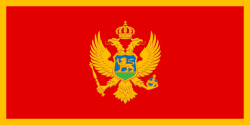
Nestled on the Adriatic Sea, Montenegro is a small Balkan nation that packs an incredible geographic and cultural punch into a territory roughly the size of Connecticut. Its name literally translates to “Black Mountain,” a nod to the dark, pine-forested peaks that dramatically plunge directly into the sea.
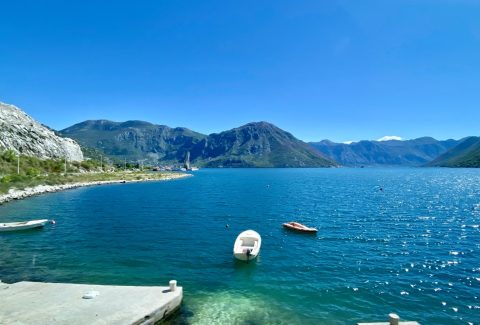
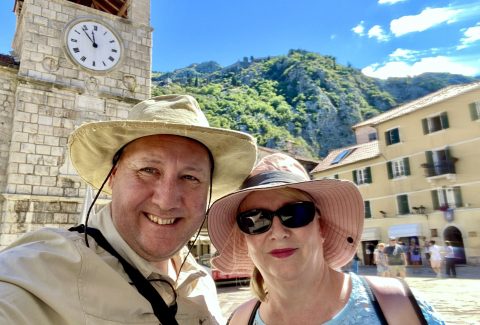
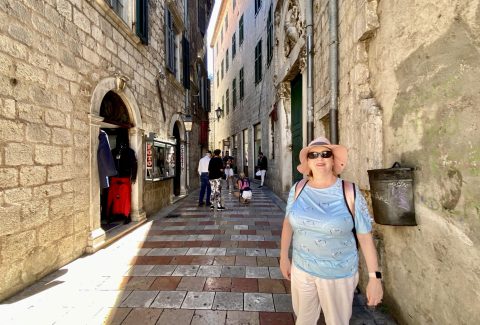
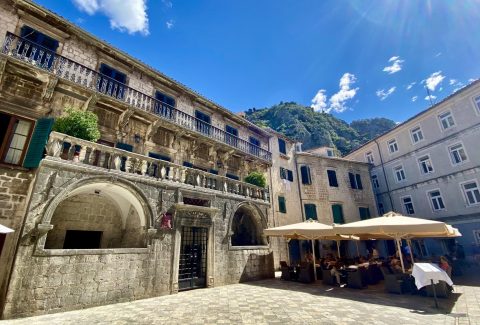
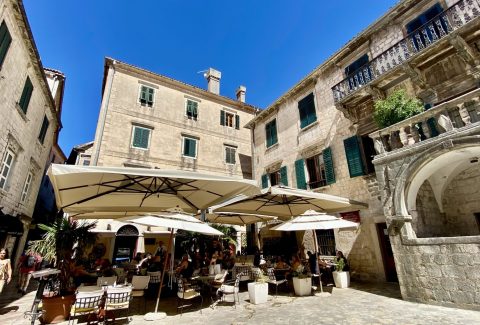
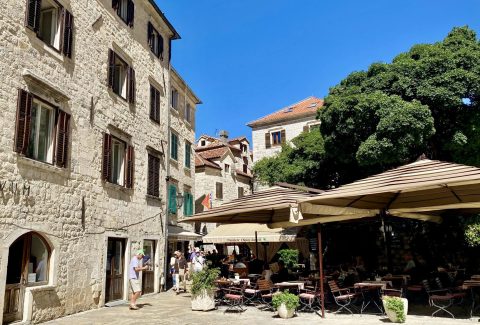
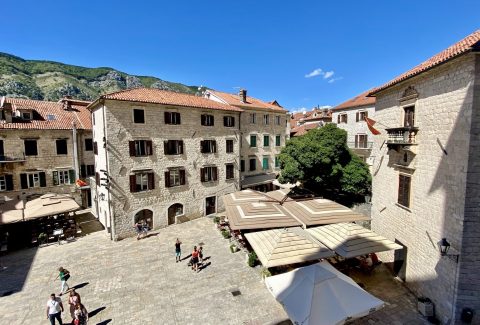
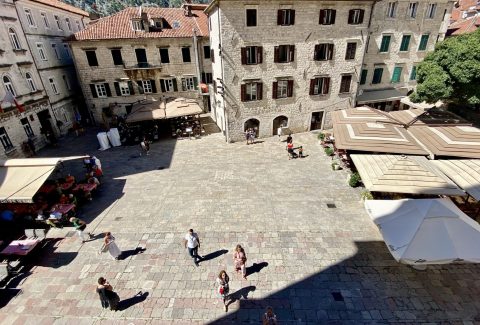
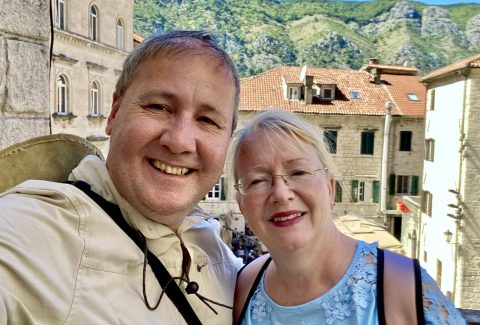
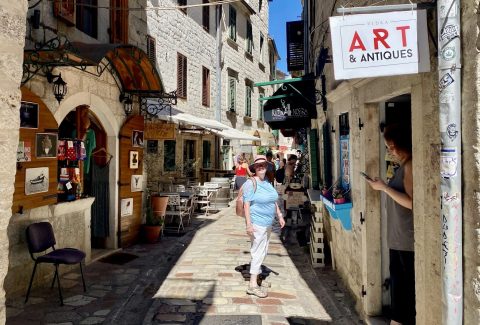
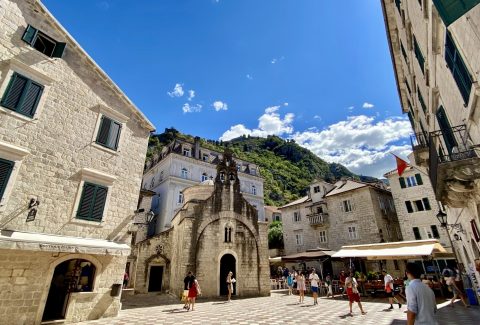
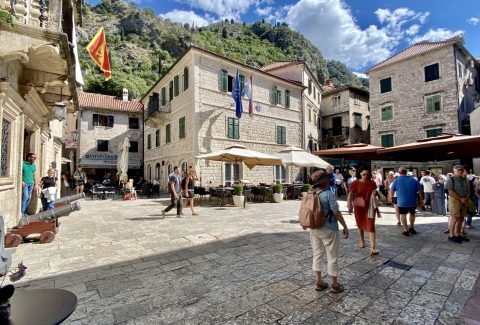
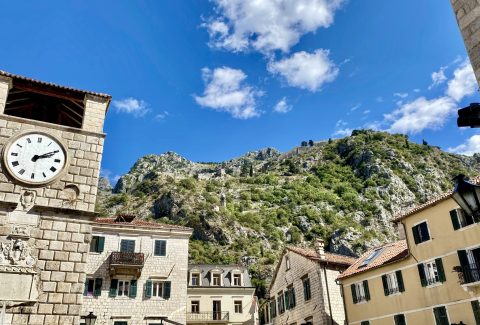
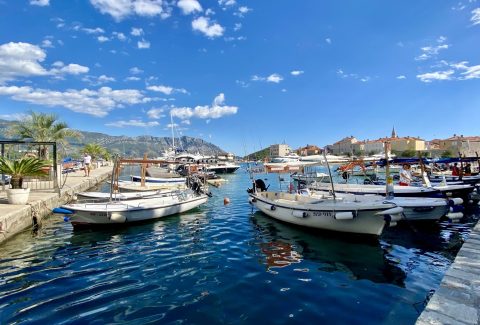
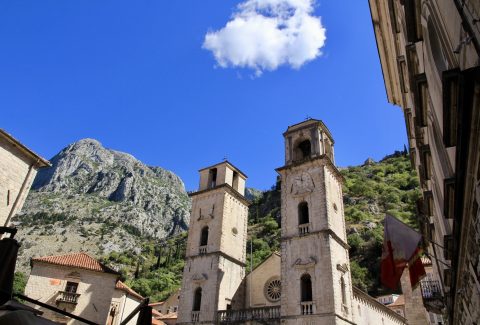
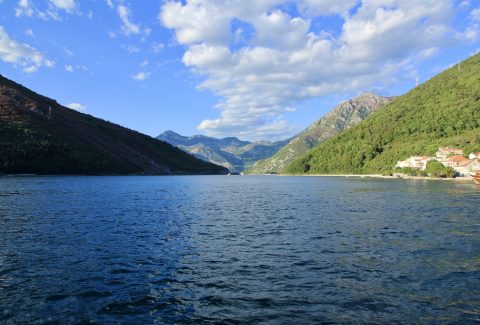
The coastline is the country’s crown jewel, defined by the Bay of Kotor—a submerged river canyon often called Europe’s southernmost fjord. Along these waters sit medieval, stone-walled towns like Kotor and Perast, heavily influenced by centuries of Venetian rule. Further south, the coast offers vibrant beaches like Budva and the iconic, fortified islet resort of Sveti Stefan.
Moving inland, the landscape shifts rapidly into a rugged playground for outdoor enthusiasts. Montenegro boasts five national parks, including Durmitor, a UNESCO World Heritage site home to glacial lakes (“mountain eyes”) and the Tara River Canyon, which is the deepest canyon in Europe. In the central region, the Ostrog Monastery clings impossibly to a vertical cliffside, serving as a major spiritual site.
Despite its turbulent Balkan history, Montenegro peacefully achieved independence from its union with Serbia in 2006. Today, it operates as a parliamentary republic with a service-based economy heavily reliant on summer tourism. Melding Eastern European traditions with Mediterranean flair, its culture is reflected in a hearty cuisine of seafood, mountain cheeses, and robust Vranac wines. Montenegro offers a striking balance of coastal luxury and untamed, alpine wilderness.
A great chance to see the different cultures and scenery of Croatia, Bosnia Herzegovina, Montenegro
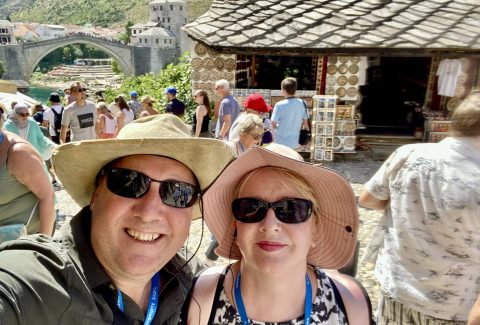
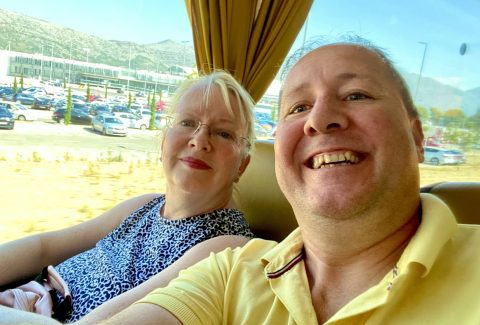
First holiday venture with Newmarket holidays. As the youngest out of the group we felt that the holiday company was aimed for a more ‘mature’ clientele.
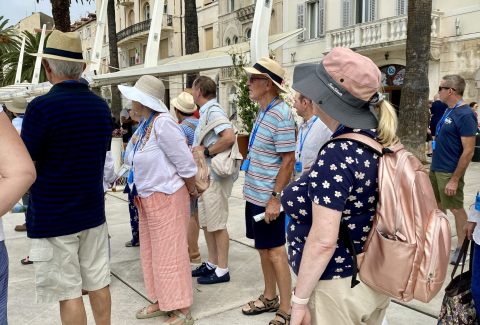
The group was also larger at about 25 than we were used to but maybe we have been spoiled.
The guide ‘Dani’ was very friendly and knowledgably. Anthony the driver also did a fantastic job including seemingly bribing the border security with bottles of water to speed us through to Montenegro.