


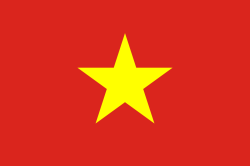
Vietnam is a Southeast Asian country known for its rich history, diverse culture, and stunning landscapes. Located on the eastern edge of the Indochina Peninsula, it stretches from the northern border with China to the southern tip at the Mekong Delta. The country’s capital is Hanoi, while its largest city is Ho Chi Minh City (formerly Saigon). Vietnam’s history is marked by centuries of foreign influence, including Chinese, French, and American colonialism, which have shaped its culture and identity.
Vietnam gained independence from France in 1954 after the First Indochina War, but its reunification was delayed by the Vietnam War (1955–1975), a conflict between communist North Vietnam, supported by the Soviet Union and China, and South Vietnam, backed by the United States. The war ended in 1975 with the fall of Saigon and the establishment of the Socialist Republic of Vietnam.
Today, Vietnam is a rapidly growing economy, driven by manufacturing, agriculture, and tourism. It has become known for its delicious cuisine, which includes dishes like pho and banh mi, and vibrant culture. The country is also renowned for its natural beauty, from the terraced rice fields in the north to the pristine beaches of the south. Despite its troubled past, Vietnam has emerged as a resilient, dynamic nation.
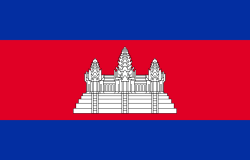
Cambodia, located in Southeast Asia, is a country rich in cultural heritage and history. It is bordered by Thailand to the west, Laos to the north, Vietnam to the east, and the Gulf of Thailand to the southwest. The capital and largest city is Phnom Penh, while Siem Reap is famous for its proximity to the ancient Angkor Wat temple complex, one of the largest religious monuments in the world.
Cambodia’s history is deeply marked by the Khmer Empire, which ruled much of Southeast Asia from the 9th to the 15th centuries. The empire’s legacy is seen in the vast ruins of Angkor, which remain a UNESCO World Heritage site. However, Cambodia’s modern history is shadowed by the Khmer Rouge regime (1975–1979), which, under leader Pol Pot, led to the genocide of an estimated 1.7 million people, including intellectuals, ethnic minorities, and political opponents.
After the fall of the Khmer Rouge, Cambodia gradually rebuilt and has since made significant strides in terms of economic growth, though it remains one of the poorest nations in Asia. The economy is supported by agriculture, textiles, tourism, and manufacturing. Cambodia’s vibrant culture, which includes traditional dance, music, and cuisine, continues to thrive despite its tumultuous past.
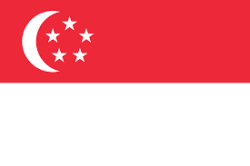
Singapore is a small but highly developed island nation in Southeast Asia, located at the southern tip of the Malay Peninsula. Despite its limited natural resources and small land area, Singapore has grown into one of the world’s leading financial, trade, and transportation hubs. It became an independent republic in 1965 after separating from Malaysia and, under the leadership of its first Prime Minister, Lee Kuan Yew, rapidly transformed from a developing country into a global economic powerhouse.
Known for its political stability, low crime rate, and efficient governance, Singapore consistently ranks high in global competitiveness, education, and quality of life. The city-state is celebrated for its modern skyline, clean streets, and green urban planning, including landmarks like Marina Bay Sands, Gardens by the Bay, and Sentosa Island.
Singapore is also a multicultural society, with major ethnic groups including Chinese, Malay, Indian, and Eurasian communities. This diversity is reflected in its food, festivals, and languages, with English, Mandarin, Malay, and Tamil as official languages. Its strategic location, business-friendly environment, and world-class infrastructure attract international investors, tourists, and talent. Singapore continues to play a significant role in regional and global affairs as a model of development, innovation, and social harmony.

Vietnam and Cambodia are the very essence of Indochina, and are a magical part of the world to explore. Ancient and modern worlds collide to create a truly thrilling adventure; the hustle and bustle of local markets, phenomenal landscapes, archaeological treasures and tranquil villages.
With gastronomic delights, friendly people and so much of their unique character and traditions still in evidence, Vietnam and Cambodia are a joy to discover on Distant Journeys’ Very Best of Vietnam & Cambodia escorted tour.
As you would expect from Distant Journeys, you’ll find a number of once-in-a-lifetime experiences within our itinerary. There is a very special two-night cruise on Vietnam’s breathtaking Ha Long Bay, and we explore one of Asia’s most awe-inspiring landmarks, Angkor Wat in Cambodia. What’s more, a wonderful four-night cruise on the mighty Mekong is also included – a relaxing and delightful way to experience and explore this region as we travel between Vietnam and Cambodia.