Day 1 – Depart UK
Tuesday 17th Feb
Depart from your choice of UK airport for your flight to Hanoi, Vietnam. Click on the Flights icon below for your flight number and departure / arrival times, and see the Travel Documents section of the app for your flight e-ticket and personalised itinerary.
Included meals: In-flight meals and drinks
Hanoi – 3 nights
Day 2 Hanoi – Wednesday 18th Feb (Flight lands a 06:10)
Upon arrival into Hanoi, please clear immigration, collect your luggage and you will be met in the arrivals area by a Distant Journeys representative, holding a Distant Journeys sign. You will be greeted and taken to your home for the first three nights in Vietnam, the delightful Pan Pacific Hanoi. Vietnam’s capital, Hanoi offers a rich Asian culture, mixed with Chinese and French influences. The afternoon is at leisure to settle in to your surroundings.
Early this evening, enjoy a welcome drink with your Tour Manager and fellow travellers, so we may become better acquainted and learn more about our adventure ahead.
Included meals: In-flight meals and drinks
Need to sort – Lunch & Evening meal
Day 3 Hanoi – Thursday 19th Feb
We begin our morning tour of Hanoi with a cyclo (similar to a rickshaw) ride through the Old Quarter. Packed with charming colonial architecture, Buddhist temples and pagodas, the ancient commercial streets are named after the original businesses that were housed here. We visit the Ho Chi Minh Mausoleum, the final resting place of ‘Uncle Ho’, before viewing the one pillar pagoda and the 11th century Temple of Literature.
Later we visit the Ethnology Museum for a unique insight into the 54 ethnic groups that make up the Vietnamese people, together with a traditional water puppet show.
Included meals: Breakfast and lunch
Need to sort – Evening meal
Day 4 Hanoi – Friday 20th Feb
FREEDOM DAY
Today offers us the freedom that this wonderfully old-fashioned city deserves. With the full support of your Tour Manager, perhaps enjoy the delights of Hanoi at your own pace, taking a relaxing cyclo ride around the cobbled streets, or indulging in a specialist cooking class to explore the five fundamental tastes of Vietnamese cuisine.
OPTIONAL – We can also help arrange a full day excursion to ‘Ha Long Bay on Land’, Ninh Binh.
Included meals: Breakfast
Need to sort – Lunch & Evening meal
Optional – Cooking Class, Discover Ninh Bihn
Day 5 Hanoi Long Bay – Saturday 21st Feb
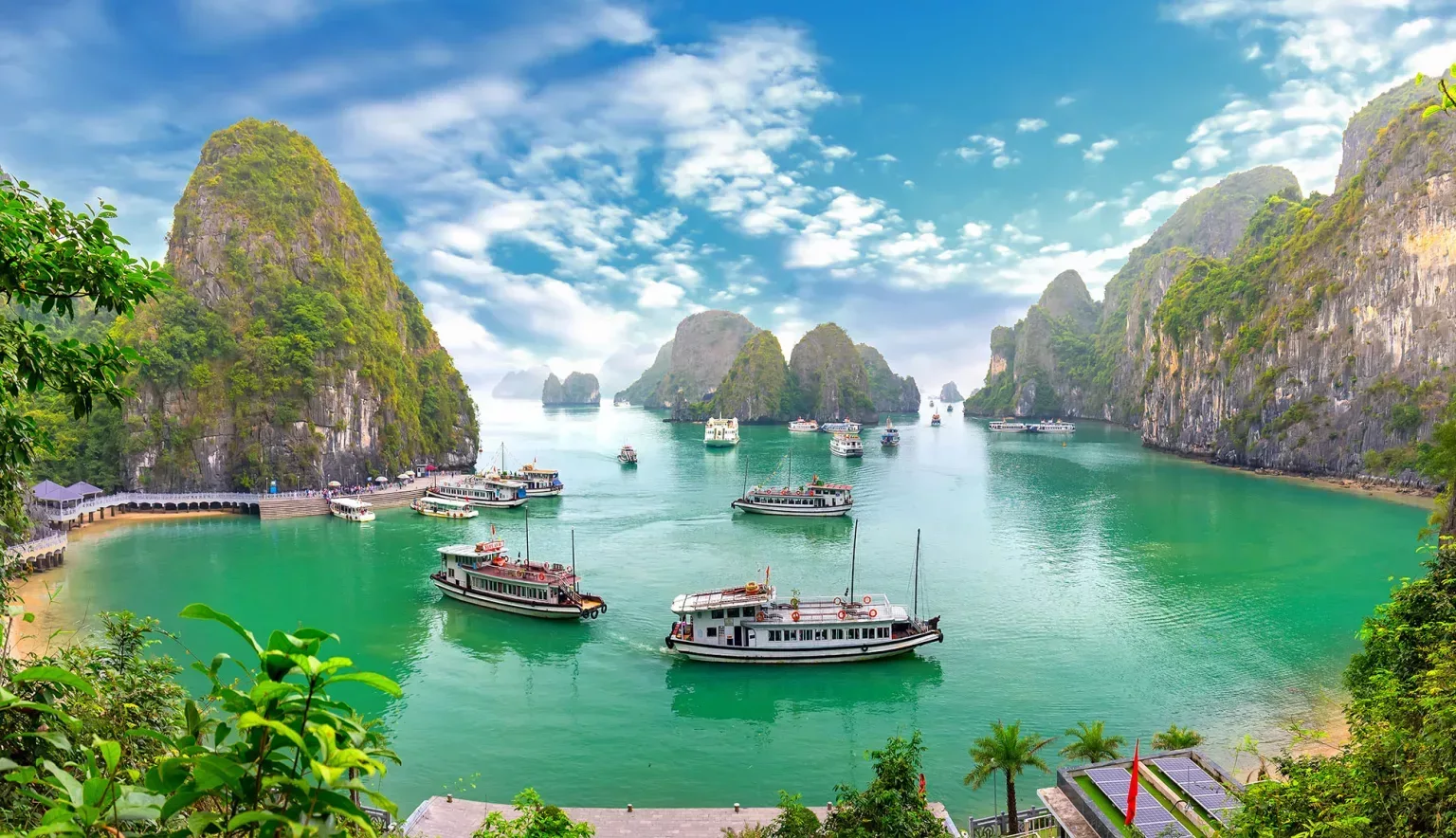
Ha Long Bay is one of Vietnam’s must-see destinations, famed for its emerald waters, staggering limestone islands, and untouched rainforests. Once in Ha Long, we travel in style on our first-class vessel, the Au Co, for a stunning two-night cruise around this UNESCO World Heritage Site.
After enjoying lunch whilst cruising into the bay, we head to the fascinating floating village of Cua Van, with a population of just over 700, to see how these remarkably independent locals live. The day ends with dinner on deck, watching the sun set over this dazzling paradise.
You may take your luggage on board the Au Co if you wish, but this will restrict space in their cabin. It is advisable to take an overnight bag with what you need for the ship with you, and leave your main luggage locked up on the coach. It is also advisable to take cash (VND or USD will be acceptable) to settle any on-board bills you may have. While card payment can be made, the signal can be poor on board, so guests have to make payment in the office when they get back ashore, which can cause delays.
Included meals: Breakfast, lunch and dinner
Day 6 Lan Ha & Ha Long Bays – Sunday 22nd Feb
Why not start your day with a Tai Chi lesson on the sun deck, before we cruise through the spectacularly serene Lan Ha Bay? Once arriving at Cat Ba Island, we venture on a short cycle ride to Viet Hai Village, where we learn about community life in the heart of Cat Ba National Park. Trinh Nu Cave, with its stunning array of stalactites and stalagmites, is our next destination at the heart of the picturesque Ha Long Bay.
IMPORTANT: During the cycle ride to Viet Hai Village, we pass through a dimly-lit tunnel. For safety reasons, you are required to dismount and push your bicycle through the tunnel.
The evening is reserved for a delicious on-board barbecue with fellow passengers.
Included meals: Breakfast, lunch and dinner
Hoi An – 3 nights
Day 7 Hoi An – Monday 23rd Feb
After breakfast we head to Ha Long’s famous Sung Sot Cave, before getting back onboard our journey to the mainland whilst soaking up the beautiful panoramas. Once there, we take the awaiting coach back to Hanoi, before flying to Da Nang. After landing, we journey to ancient Hoi An, settling into the Allegro Hoi An Hotel where we stay for the next three nights.
Included meals: Breakfast
Need to sort – Lunch & Evening meal
Day 8 – Walking tour of Hoi An – Tuesday 24th Feb
A famed UNESCO World Heritage Site of grand architecture, the once major trading port of Hoi An is a fascinating time-warp of Japanese temples, Chinese warehouses, and Dutch and French colonial houses. We embark on a tour of Hoi An by foot, encompassing the beautiful Chua Ong Pagoda, symbolic Phuc Kien Assembly Hall, pristinely preserved Tan Ky House, and the 17th century Japanese Bridge, before taking a scenic boat trip along the Thu Bon River.
This afternoon we head to an organic farm boasting over fifty varieties of medicinal herbs, fruits, and edible flowers to engage in a unique cooking experience. Our knowledgeable chef will help us choose fresh ingredients and guide us through their preparation, with a focus on traditional local dishes. After mastering the recipes, we indulge in a delicious dinner of our culinary creations.
Included meals: Breakfast and dinner
Need to sort – Lunch
Day 9 – Hoi An – Wednesday 25th Feb
FREEDOM DAY
Today offers an opportunity to relax and enjoy the hotel’s facilities, or alternatively head out for some further exploration of the area. It may appeal to you to visit the captivating Hindu temple ruins of My Son, constructed as early as the 4th century.
OPTIONAL – Alternatively, visit Tra Que Village and learn about community farming techniques, before enjoying a fresh and tasty lunch made from locally farmed produce.
Included meals: Breakfast
Need to sort – Lunch & Evening meal
HUE – 2 nights
Day 10 – Hue – Thursday 26th Feb
This morning we are treated to a spectacular drive over the Hai Van Pass along the Vietnamese coastline, a 19km stretch of road climbing to 3,000ft (914m) above sea level. This afternoon we visit the majestic Minh Mang Tomb, before continuing to the iconic seven-storey Thien Mu Pagoda, where resident monks continue to practice.
We cruise back into the city along the Perfume River to our hotel, the centrally situated Eldora Hotel, where we spend two nights.
Included meals: Breakfast and lunch
Need to sort – Evening meal
Day 11 – Hue’s Imperial Citadel – Friday 27th Feb
FREEDOM AFTERNOON
Now a UNESCO World Heritage Site, and originally the settlement of the Cham people, the Imperial city of Hue was capital of Vietnam during the Nguyen Dynasty. After breakfast at the hotel we visit the Imperial Citadel, modelled on the Forbidden City in Beijing. The Citadel was sadly destroyed in the war, but, along with many surrounding buildings, is being slowly restored. Soon after we visit the dazzling former residence of Princess Ngoc Son, before taking time in the afternoon to do as we please.
OPTIONAL – You may want to travel to the local village of Thanh Tien to learn the 300-year old craft of paper flower making,
Included meals: Breakfast and lunch
Need to sort – Evening meal
Ho Chi Minh City – 2 nights
Day 12 – Ho Chi Minh – Saturday 28th Feb
After a leisurely breakfast today, we transfer to the airport for our flight to Ho Chi Minh City. On arrival, we visit the city’s perfectly preserved French colonial Central Post Office, designed by the renowned French architect Gustav Eiffel, and take a stroll along Dong Khoi Street to the delicately featured Saigon Opera House.
Later, we check in at the upmarket Liberty Central Saigon Riverside Hotel, our accommodation for the next two nights.
Included meals: Breakfast
Need to sort – Lunch & Evening meal
Day 13 – Cu Chi Tunnels & Ho Chi Minh City – Sunday 1st March
After breakfast we journey into the stunning countryside – once the stronghold of the Viet Cong, who fought against the US and South Vietnamese governments in the Vietnam War. We visit the Cu Chi Tunnels – a vast, 250km underground network used by the Viet Cong as hiding spots, for communication, and as supply routes during the war. Our visit provides a captivating insight into how the Viet Cong lived and fought.
Following lunch, we return to the city for an afternoon of sightseeing. We start with the War Remnants Museum, which provides thought-provoking insight into the war in Vietnam and its impact on human life. Our day finishes with a visit to the Reunification Palace, a former stronghold of the South Vietnamese Government.
Included meals: Breakfast and lunch
Need to sort – Evening meal
Day 14 – Phnom Pen – Monday 2nd March
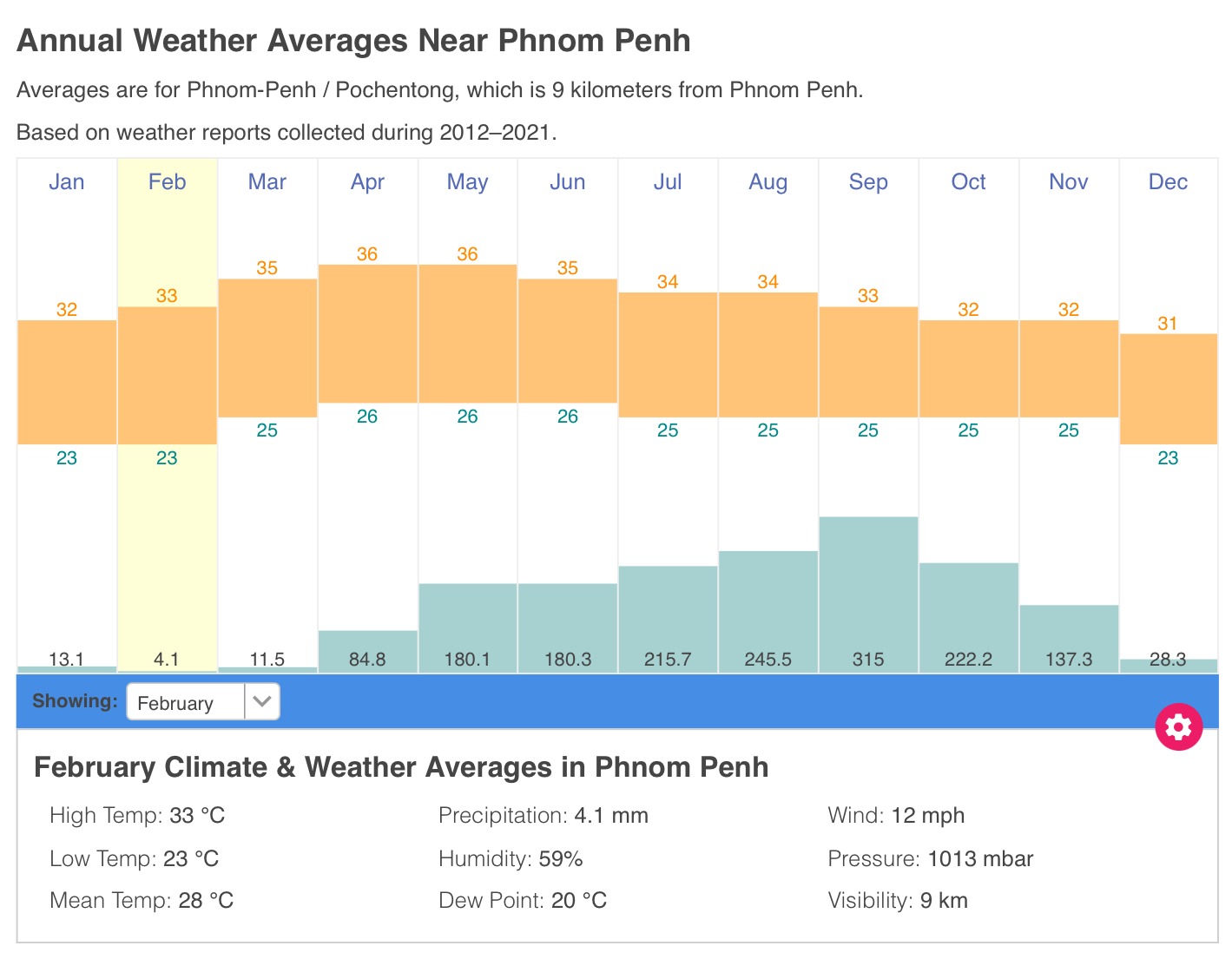
This morning, we transfer to the airport for our short flight to Phnom Penh. On arrival we visit the striking Royal Palace – the official residence of Cambodia’s King Norodom Sihamoni – built in 1866. We also have the privilege of viewing the Silver Pagoda, whose floor is covered with 5,000 silver tiles, and the magnificent, near life-size Buddha, made from solid gold and encrusted with almost 10,000 diamonds. We continue to the National Museum which houses the world’s largest collection of Khmer sculptures, ceramics and bronzes spanning the rich heritage of Cambodian history. Later in the afternoon we check in at the Palace Gate Hotel, for our overnight stay.
Included meals: Breakfast
Need to sort – Evening meal
Mekong Cruise – 4 nights
Day 15 – Mekong Cruise – Tuesday 3rd March
Our fabulous four-night cruise between Phnom Penh and Siem Reap begins this morning when we embark our Pandaw vessel. Pandaw’s elegant, hand-built cruise ships are traditionally styled in brass and teak and customised to navigate the flowing waters of the Mekong River.
This afternoon we explore Phnom Penh further by delving into its darker recent history, in which Pol Pot’s Khmer Rouge regime (1975-79) cost thousands of innocent people their lives. To learn more about these troubled times, we visit Tuol Sleng (also known as S-21), the former high school turned prison where captives of the Khmer Rouge were held, before their fate at the Killing Fields awaited them. Today it is a museum, where the haunting faces of some 17,000 people who passed through its gates are displayed. Only seven survivors lived to tell the tale. From here we journey to the Killing Fields of Choeung Ek, where a memorial provides an emotive yet chilling tribute to the fallen. This afternoon’s visit is a sobering and powerful cultural experience, providing us with an important insight into the resilience and spirit of the Cambodian people. Our vessel remains moored in Phnom Penh overnight, allowing a chance to explore the city’s nightlife.
Included meals: Breakfast, lunch and dinner PLUS selected onboard drinks
Day 16 – Tonle Sap River – Wednesday 4th March
Setting sail from Phnom Penh this morning, sit back and soak up the scenery as we cruise along the winding channels of the Tonle Sap River to reach the riverside village of Kampong Tralach. Disembarking, we explore the local area by ox cart, a wonderful opportunity to get a sense of rural life in Cambodia as we pass markets and temples, and people going about their daily lives. This evening, we gather for cocktails around a fire pit in a small fishing village and engage with the locals who are keen to share stories and demonstrate their traditional dances.
Included meals: Breakfast, lunch and dinner PLUS selected onboard drinks
Day 17 – Oudong & Pak Russel – Thursday 5th March
We make a shore excursion this morning, driving to Cambodia’s ancient capital, Oudong. Here, we visit the Vipassana Dhura Meditation Centre with its impressive Khmer architecture and experience a short meditation class. Rejoining our vessel, we cruise towards the main body of the Mekong River as we enjoy a delicious lunch and admire the changing scenery.
Reaching the small, remote village of Pak Russei, we disembark once more to discover local crafts people who are expert silk weavers, learn how noodles are made by hand, and are introduced to the ancient art of Bokator – a traditional martial art. Back on board as evening descends, perhaps sip on an aperitif in the lounge and bar, before enjoying a delicious dinner al fresco.
Included meals: Breakfast, lunch and dinner PLUS selected onboard drinks
Day 18 – Peam Chi Korng & Kampong Cham – Friday 6th March
Why not start your day with a Tai Chi lesson on deck, or simply savour a coffee as we enjoy a sunrise cruise to the village of Peam Chi Korng. This little-known gem is renowned for its pottery, and we have the chance to witness local potters creating their wares. We explore the village and browse the fresh produce market before returning to our ship for the final leg of our memorable journey. Relax on deck as we continue along the mighty Mekong to reach Steung Trang and moor overnight. Our final dinner on board will provide a sumptuous farewell, with entertainment from our wonderful crew.
Included meals: Breakfast, lunch and dinner PLUS selected onboard drinks
Siem Rep – 3 nights
Day 19 – Siem Rep – Saturday 7th March
After an amazing four days cruising the Mekong River, our time on board has sadly come to an end, and we disembark in Steung Trang and journey to Siem Reap. It is here that we explore Asia’s most famous and highly anticipated landmark, the temples of Angkor. This amazing monument was originally constructed as a Hindu temple dedicated to the God, Vishnu. This afternoon we visit the South Gate of Angkor where the statues of good and evil line the entrance, and the richly decorated Bayon, adorning the face of the Buddhist King Jayavarman VII. We also visit the 10th century Hindu Temple, Phimeankas, the Terrace of Elephants and the Terrace of Leper Kings, located inside the walled enclosure of the Royal Palace of Angkor Thom. After an epic day, we finish with a sunset cruise along the moat of Angkor Thom. Our final three nights in Cambodia will be spent at the Borei Angkor Resort & Spa.
Included meals: Breakfast
Need to sort – Lunch & Evening meal
Day 20 – Angkor Wat & Ta Prohm – Sunday 8th March
FREEDOM AFTERNOON
Angkor Wat is synonymous with Cambodia, and the temple’s famous five spires are featured on the country’s national flag. For early risers amongst us, there is the opportunity to experience sunrise over Angkor Wat, at an additional cost.
Following breakfast, we return to Angkor Wat, the world’s largest religious monument, to fully discover this enchanting temple, which features high classical style Khmer architecture. Spread across a massive site, we’ll weave throughout the bewitching temple grounds, experiencing the alchemy of such incomprehensible designs. We close the morning’s adventure with a visit to the temple of Ta Prohm, where tree roots hold this spectacular shrine together.
The afternoon is reserved for your own leisure, though the evening offers the option to visit the Phare Circus, which supports the development of Khmer youth through a programme of arts and performance.
Included meals: Breakfast
Need to sort – Lunch & Evening meal
Day 21 – Siem Rep – Monday 9th March
FREEDOM DAY
Our Tour Manager will be on hand to help us make the most of this freedom day in Siem Reap. Having spent time exploring the city’s most iconic attraction, Angkor Wat, you may wish to indulge in other experiences in and around the city, particularly those linked to social enterprises formed to support the local people.
OPTIONAL – How about learning to cook traditional Khmer cuisine, or visiting one of the city’s thriving local markets? Or perhaps it is time for you to simply breathe out and relax? The choice is yours.
Included meals: Breakfast
Need to sort – Lunch & Evening meal
SUMMARY
BREAKFAST = 0
LUNCH = 10
EVENING MEAL = 13
Day 21 ~ 10th March ~ Depart Siem Reap to Shangri-La’s Rasa Sentosa Resort and Spa, Singapore
Shangri-La’s Rasa Sentosa Resort is the only beachfront resort in Singapore. Guest rooms have a private terrace or balcony and are contemporary styled, light and airy. The resort boasts a large, freeform pool for relaxing in the tropical heat. 8 Noodles restaurant features popular Asian noodle dishes, while Casserole’s menu includes favourites from Southeast Asia.
Day 24 ~ 12 March ~ Fly home
Arrive home 13 Mar 05:55

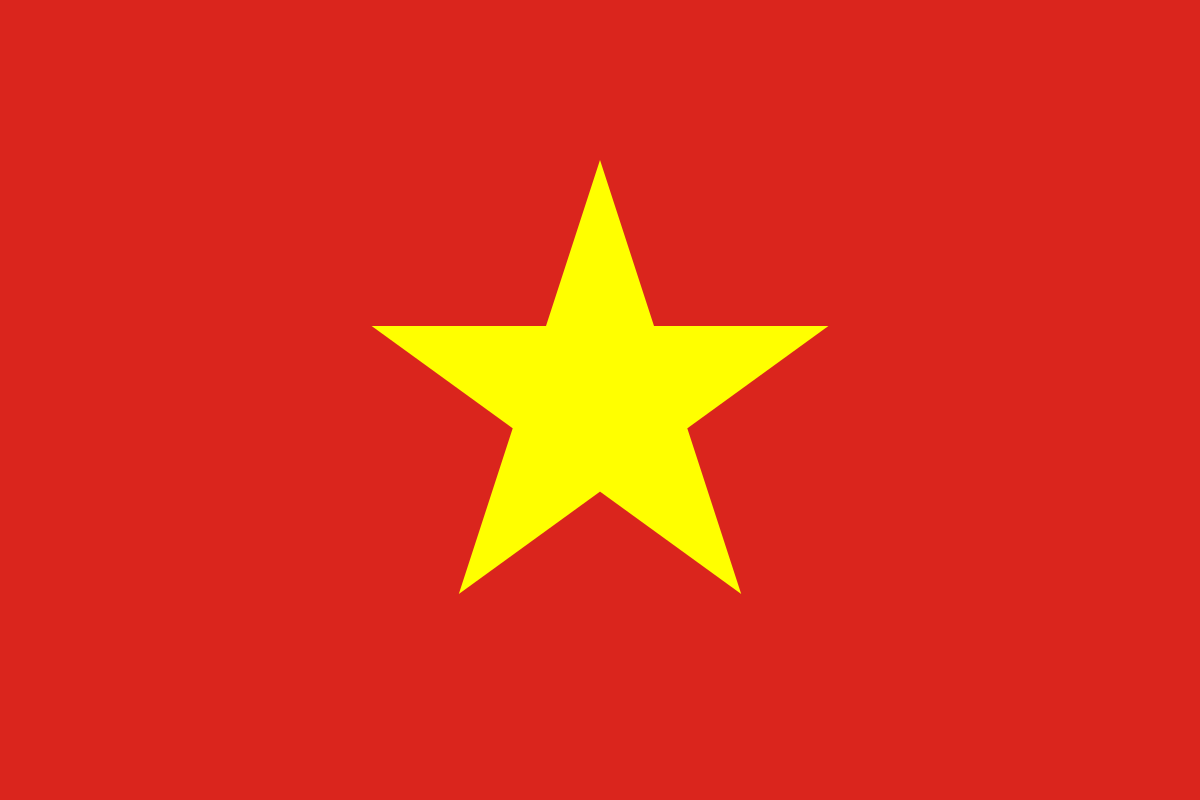 Vietnam is a Southeast Asian country known for its rich history, diverse culture, and stunning landscapes. Located on the eastern edge of the Indochina Peninsula, it stretches from the northern border with China to the southern tip at the Mekong Delta. The country’s capital is Hanoi, while its largest city is Ho Chi Minh City (formerly Saigon). Vietnam’s history is marked by centuries of foreign influence, including Chinese, French, and American colonialism, which have shaped its culture and identity.
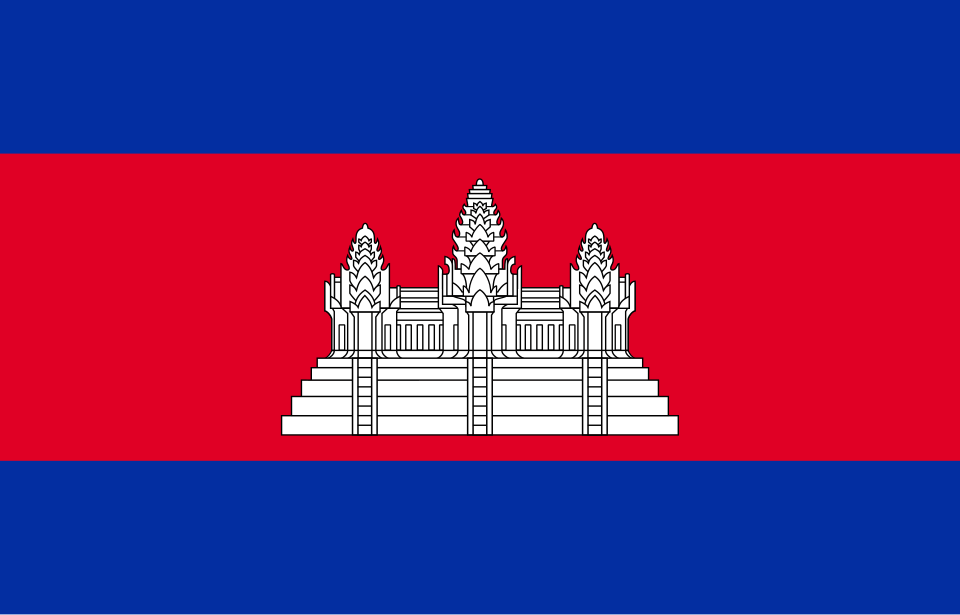 Cambodia, located in Southeast Asia, is a country rich in cultural heritage and history. It is bordered by Thailand to the west, Laos to the north, Vietnam to the east, and the Gulf of Thailand to the southwest. The capital and largest city is Phnom Penh, while Siem Reap is famous for its proximity to the ancient Angkor Wat temple complex, one of the largest religious monuments in the world.
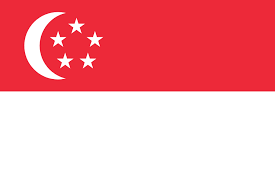 Singapore is a small but highly developed island nation in Southeast Asia, located at the southern tip of the Malay Peninsula. Despite its limited natural resources and small land area, Singapore has grown into one of the world’s leading financial, trade, and transportation hubs. It became an independent republic in 1965 after separating from Malaysia and, under the leadership of its first Prime Minister, Lee Kuan Yew, rapidly transformed from a developing country into a global economic powerhouse.