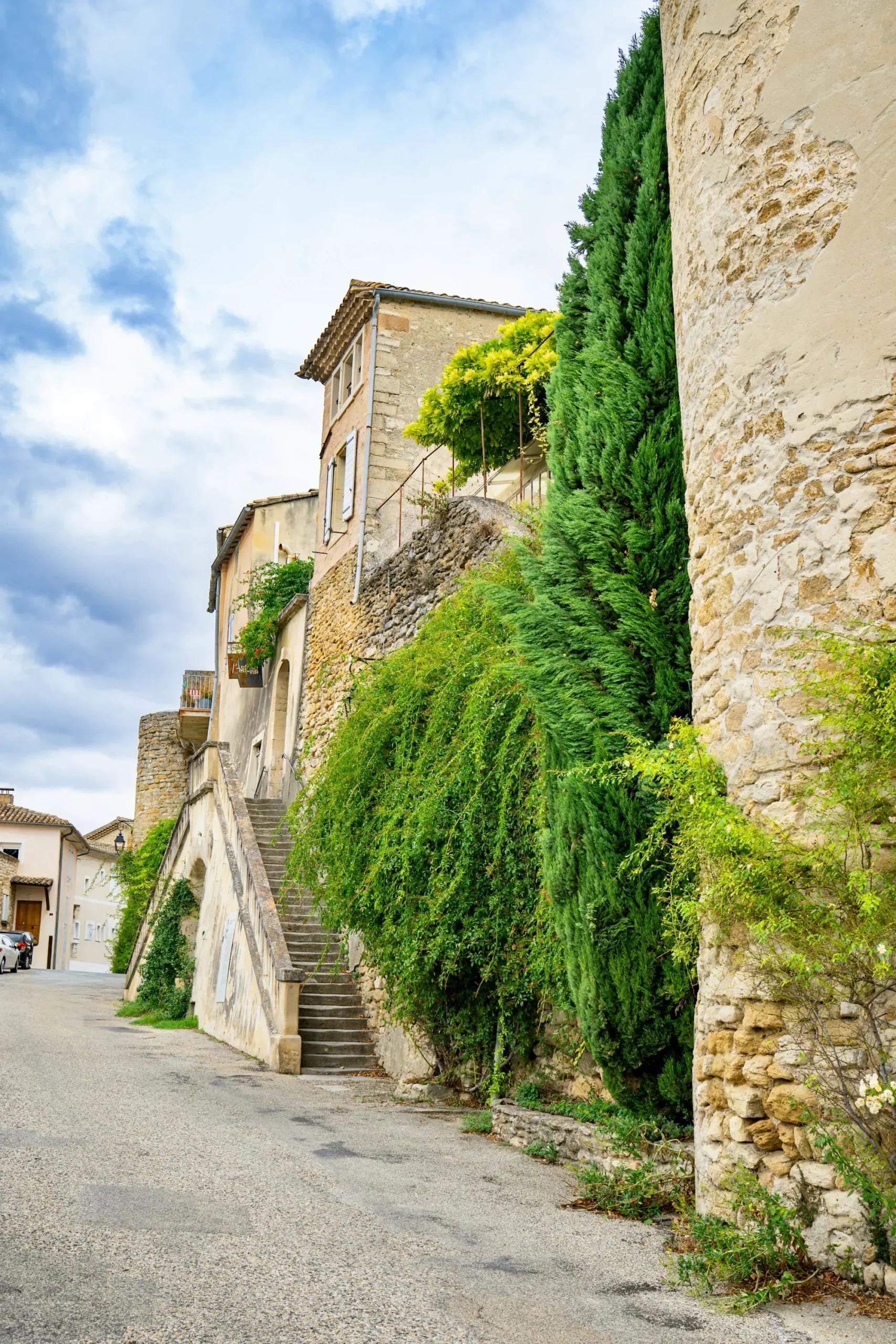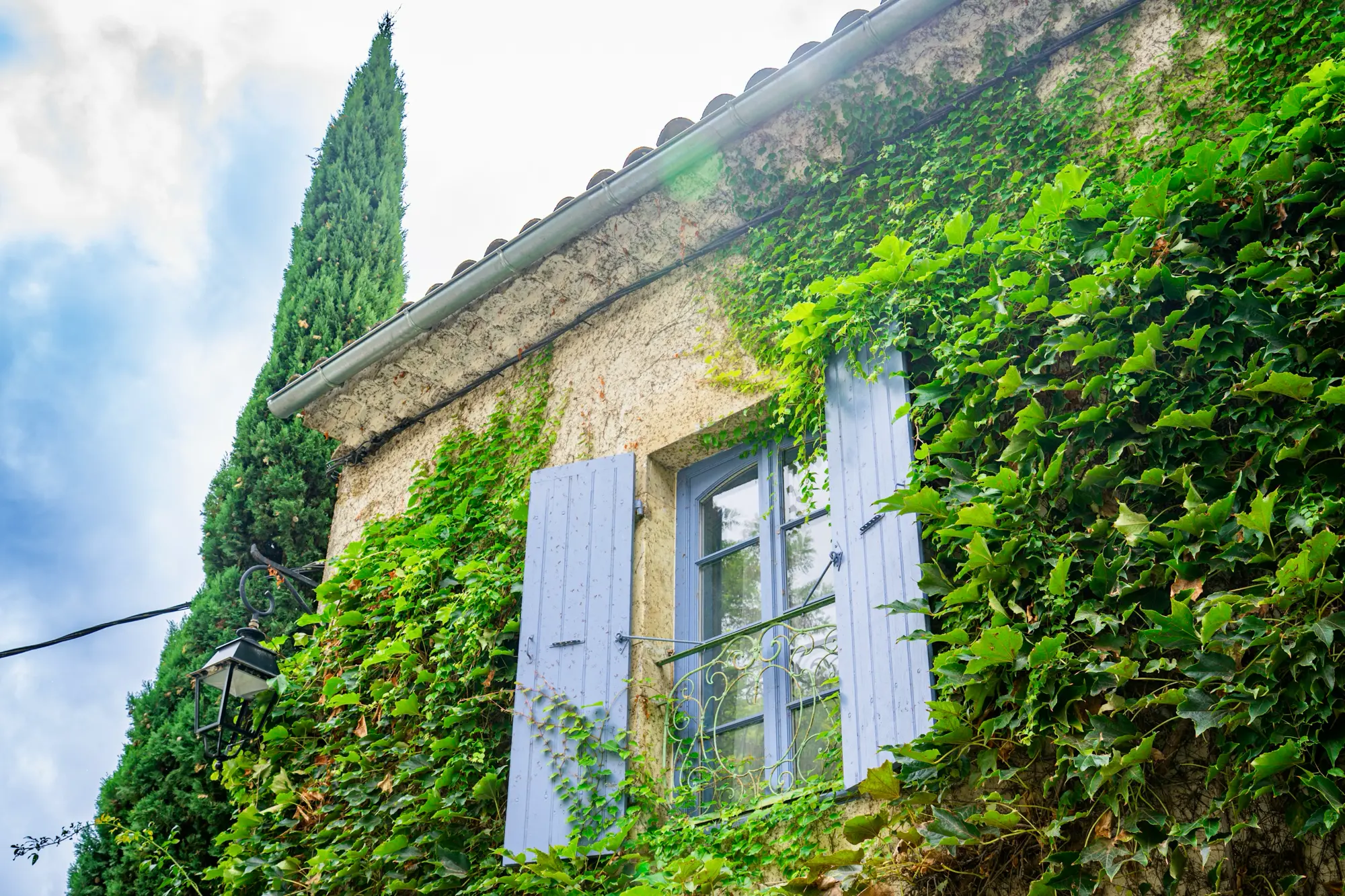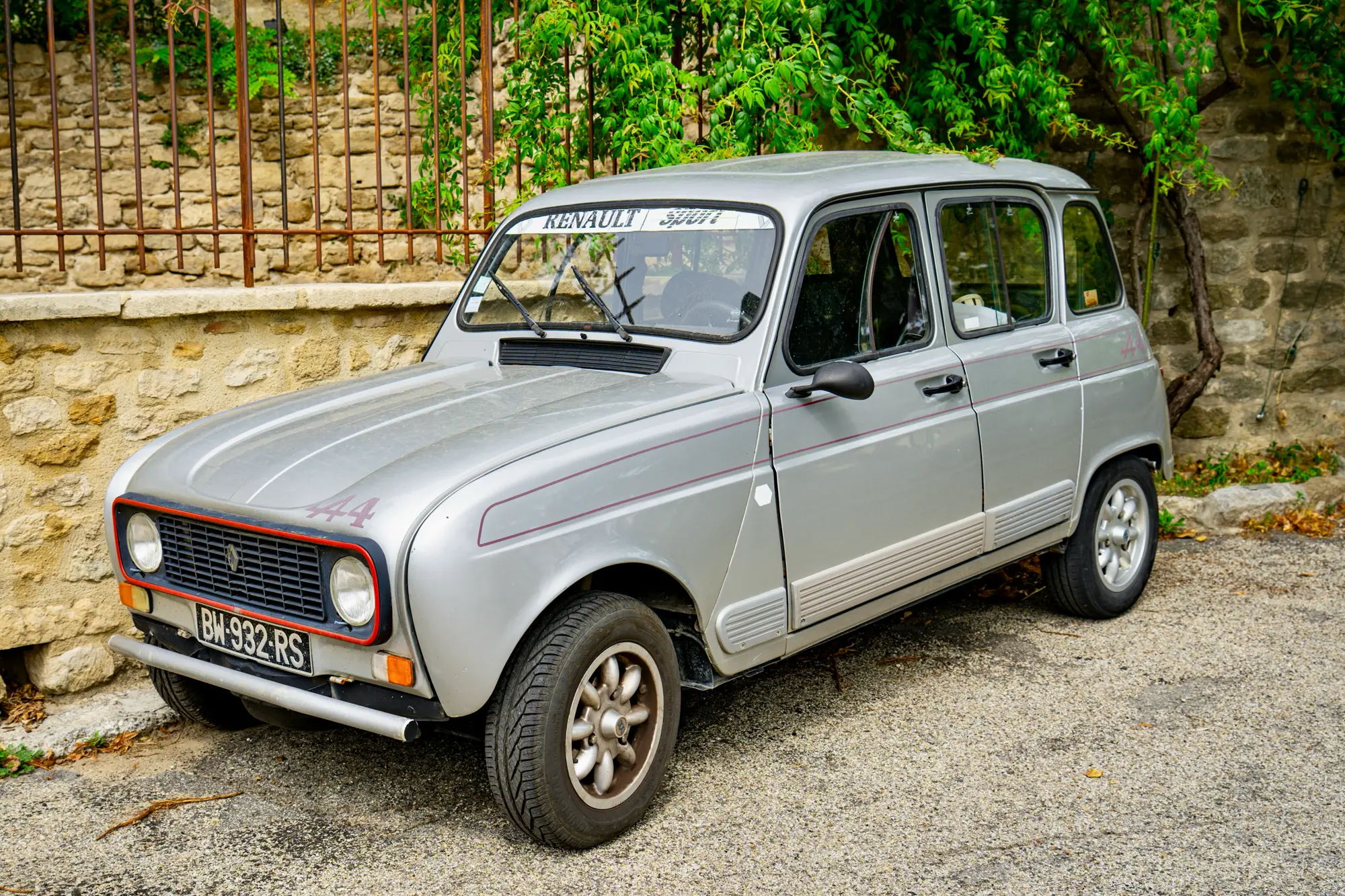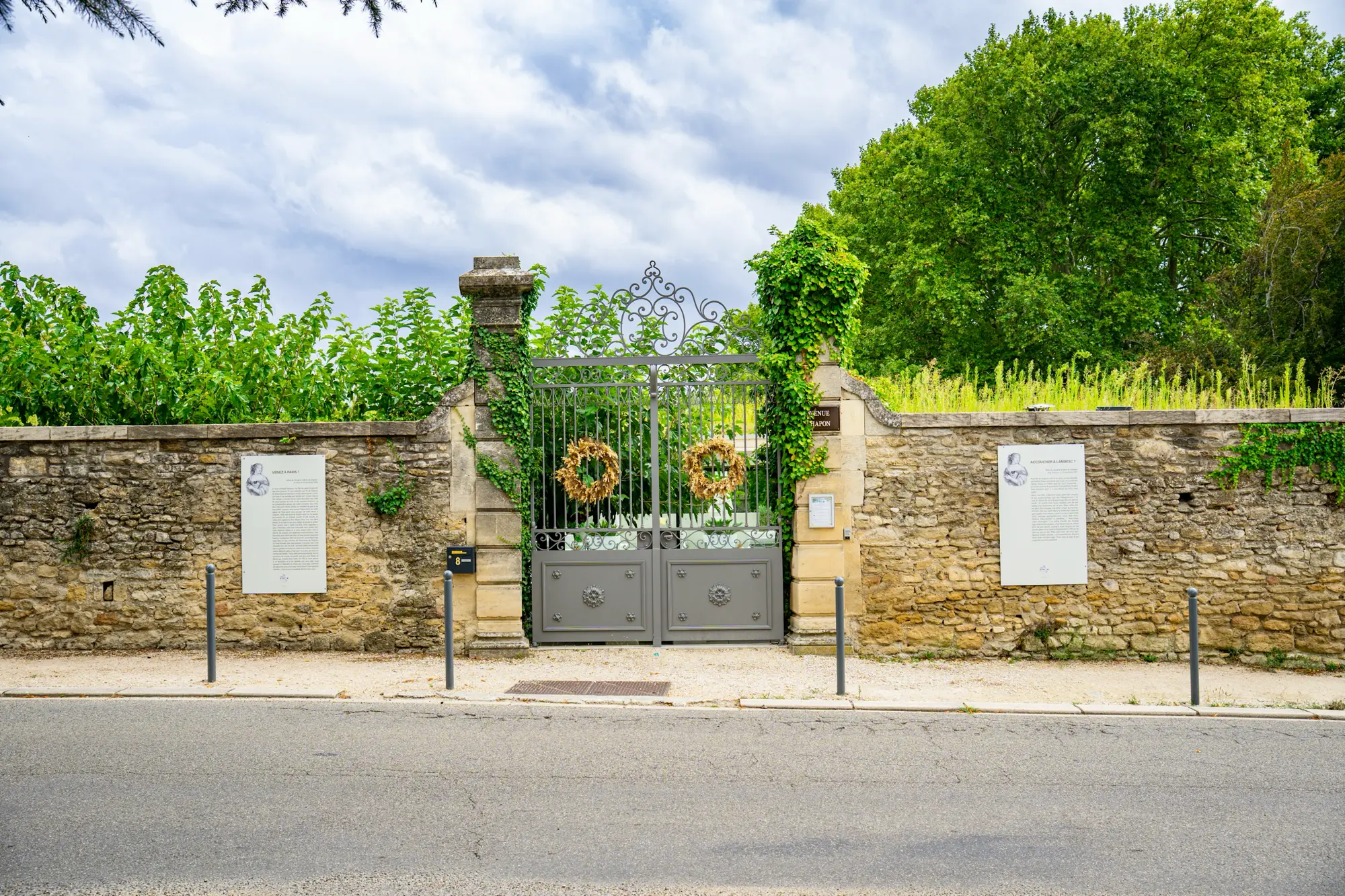


Size & Geography: France is the largest country in the European Union, covering an area of approximately 643,801 square kilometers (248,573 square miles) in Western Europe, bordering several countries including Belgium, Luxembourg, Germany, Switzerland, Italy, Spain, and Andorra. It also has several overseas departments and territories.
Population: As of 2020, the estimated population of France is around 67.2 million people, with a population density of approximately 123 people per square kilometer (319 people per square mile).
France has a rich and complex history spanning over two millennia, from the ancient Gauls to the modern-day Fifth Republic. Key historical eras include the Roman Empire, the Middle Ages, the Renaissance, the Enlightenment, and the French Revolution, which had a profound impact on world history.
Size & Geography: Switzerland is a landlocked country located in Western Europe, with a total area of approximately 41,290 square kilometers (15,940 sq mi). It is bordered by Germany to the north, France to the west, Italy to the south, and Austria and Liechtenstein to the east.
Population: As of 2021, the estimated population of Switzerland is around 8.5 million people, with a population density of approximately 209 people per square kilometer (542 people per sq mi).
Switzerland has a rich and diverse history, with various cultures and empires leaving their mark on the country. The Helvetii, a Celtic tribe, inhabited the region in the 1st century BC. The Romans conquered the area in 58 BC, and it remained under Roman rule until the 5th century AD. In the Middle Ages, Switzerland was a patchwork of independent states and cities, which eventually formed the Swiss Confederation in 1291. The country remained neutral during World War I and World War II, and it has since become a hub for international diplomacy and finance.

Size & Geography: Germany covers an area of approximately 357,021 square kilometers (137,847 sq mi) in Central Europe. It is bordered by Denmark to the north, Poland and the Czech Republic to the east, Austria and Switzerland to the south, France and Luxembourg to the west, and Belgium and the Netherlands to the northwest.
Population: As of 2021, Germany’s population is approximately 83.2 million people, with a population density of about 233 people per square kilometer (603 people per square mile).
Germany has a complex and tumultuous history, with key eras including the Holy Roman Empire, the German Empire, the Weimar Republic, and the Third Reich. The country was divided into East and West Germany after World War II, until reunification in 1990.
Day 1: Crossing Channels and Technical Failures
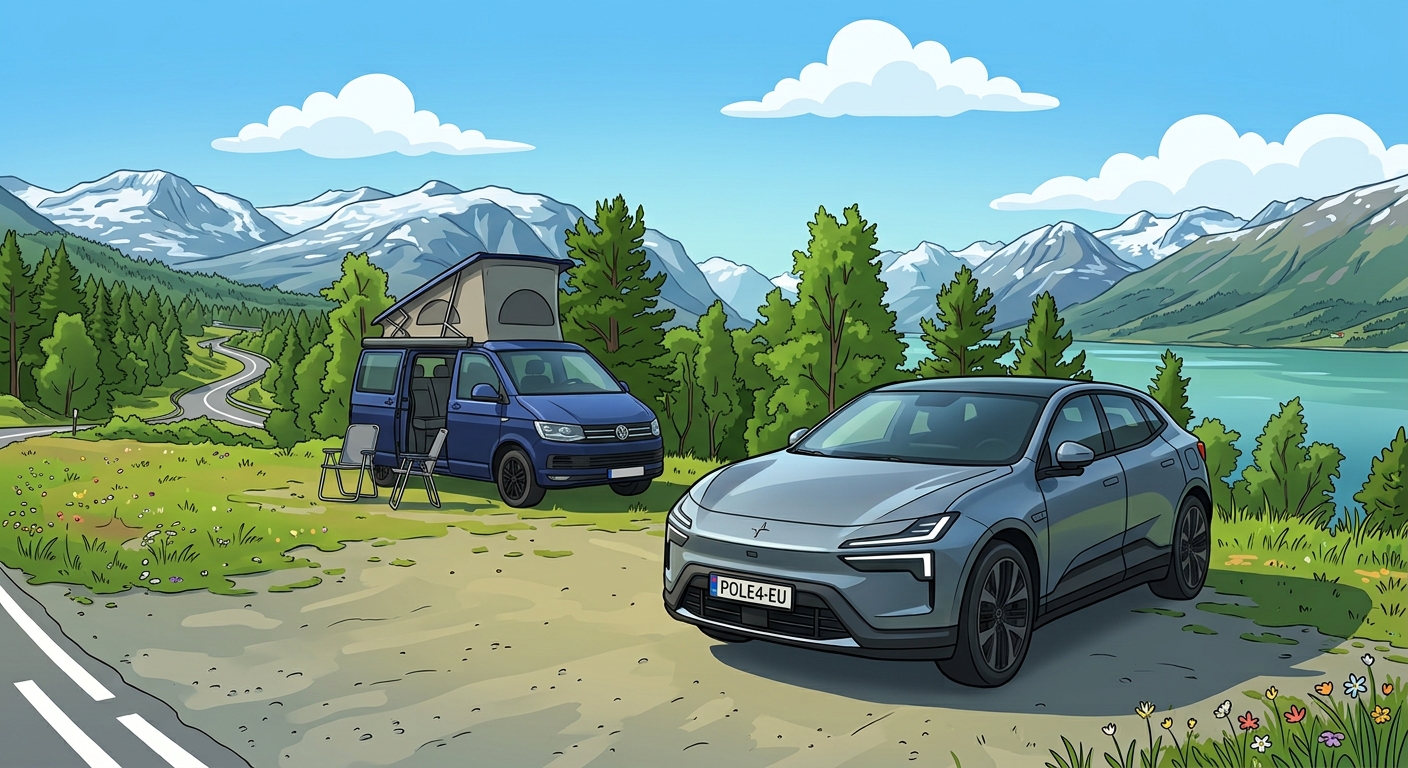
Setting off with one electric car, proudly driven by Rooster and Cola, and one noble camper van carrying TT and DD, our epic European road trip began with a classic British travel combo. Between endless queueing, unexpected API glitches, and windows that stubbornly refused to close, we knew we were in for a wild ride across the continent.
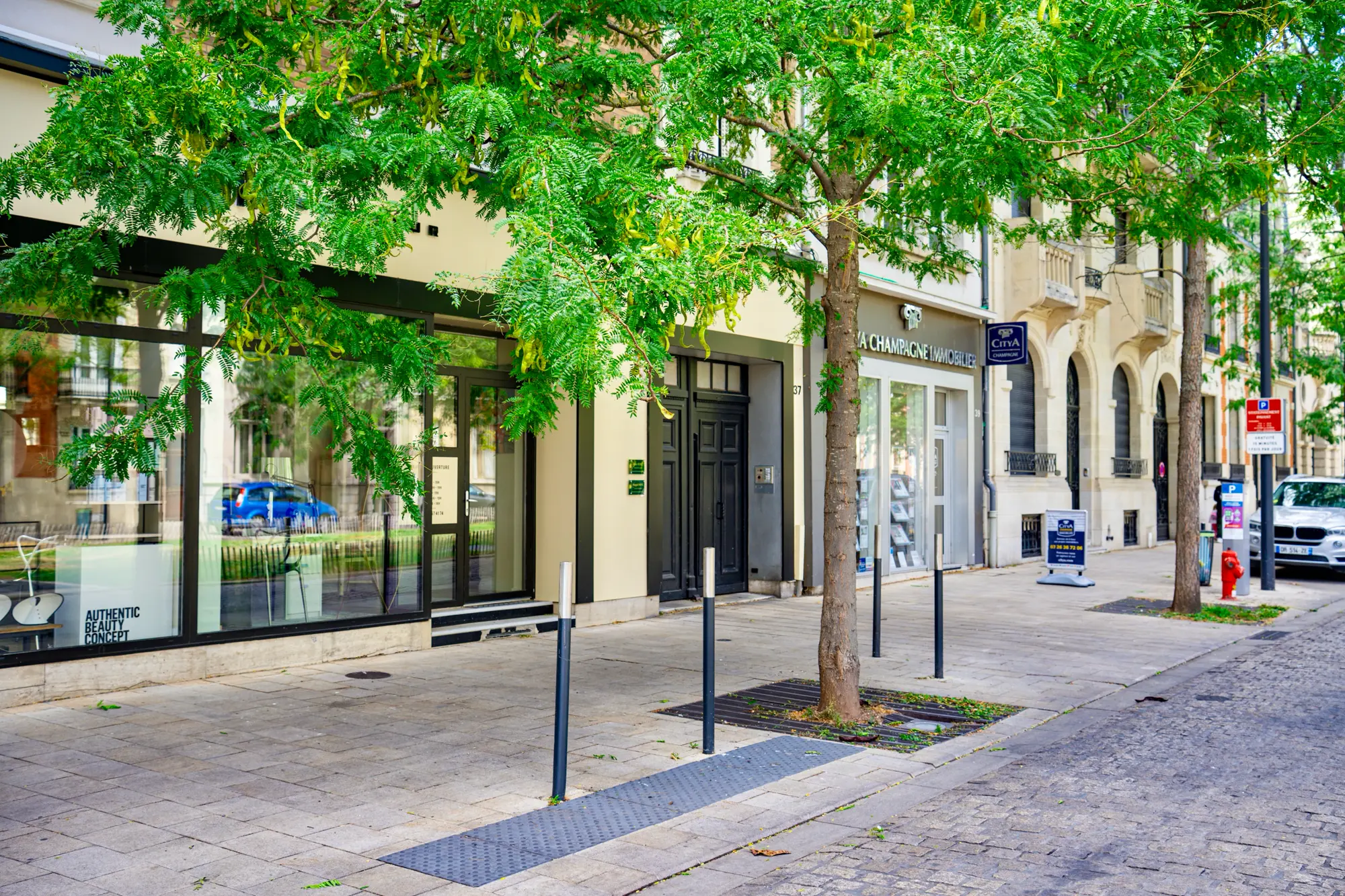
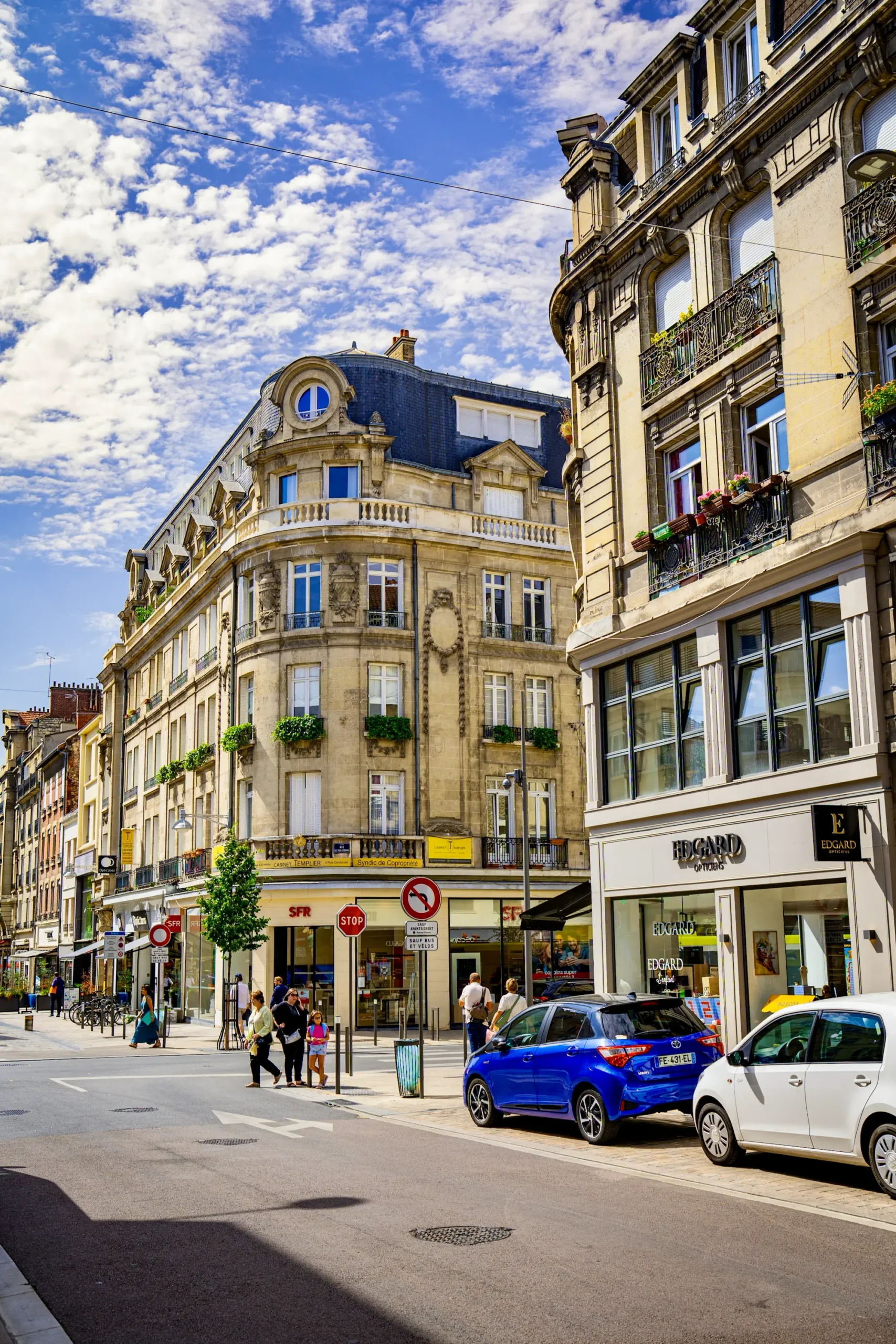
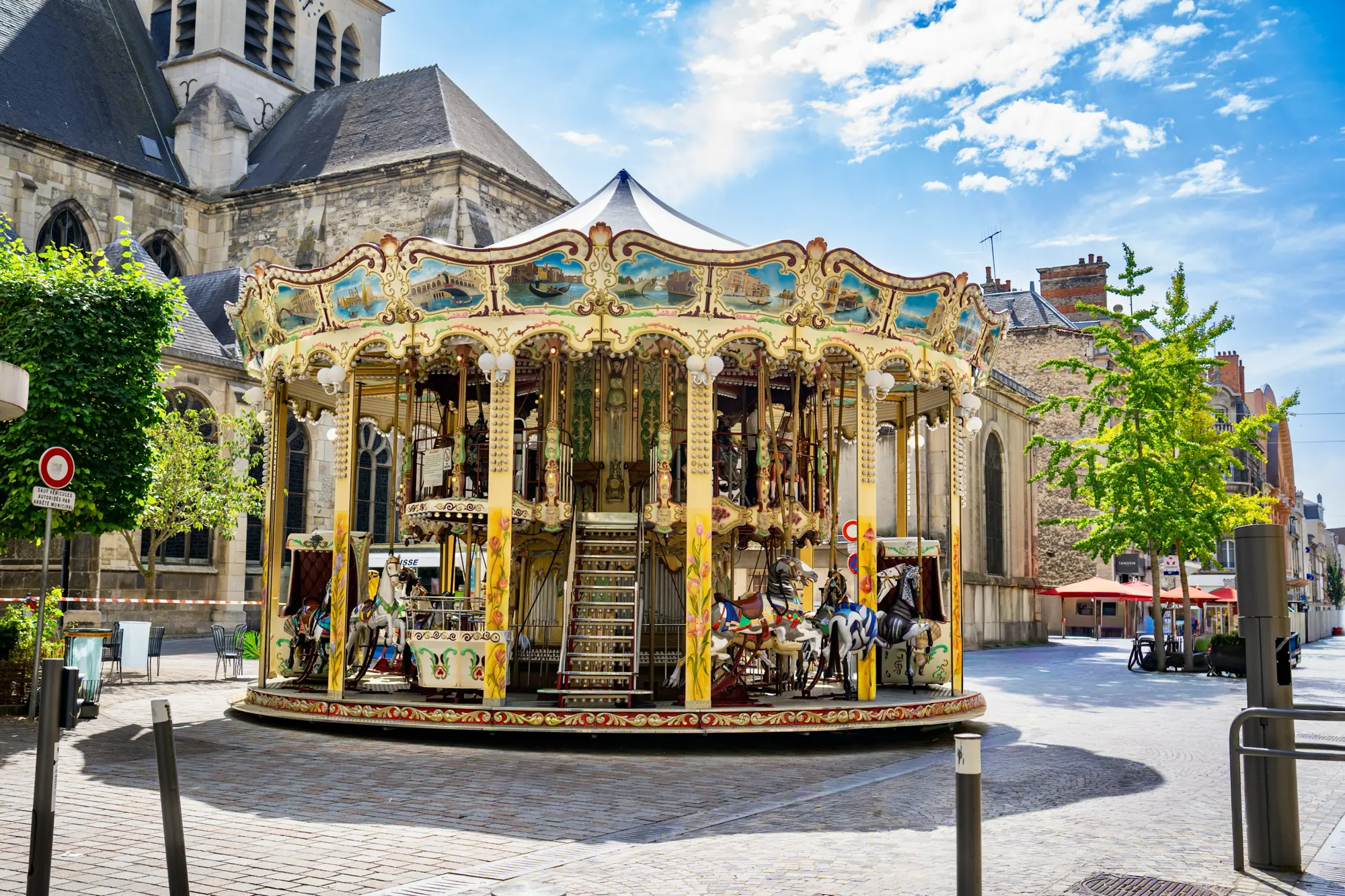
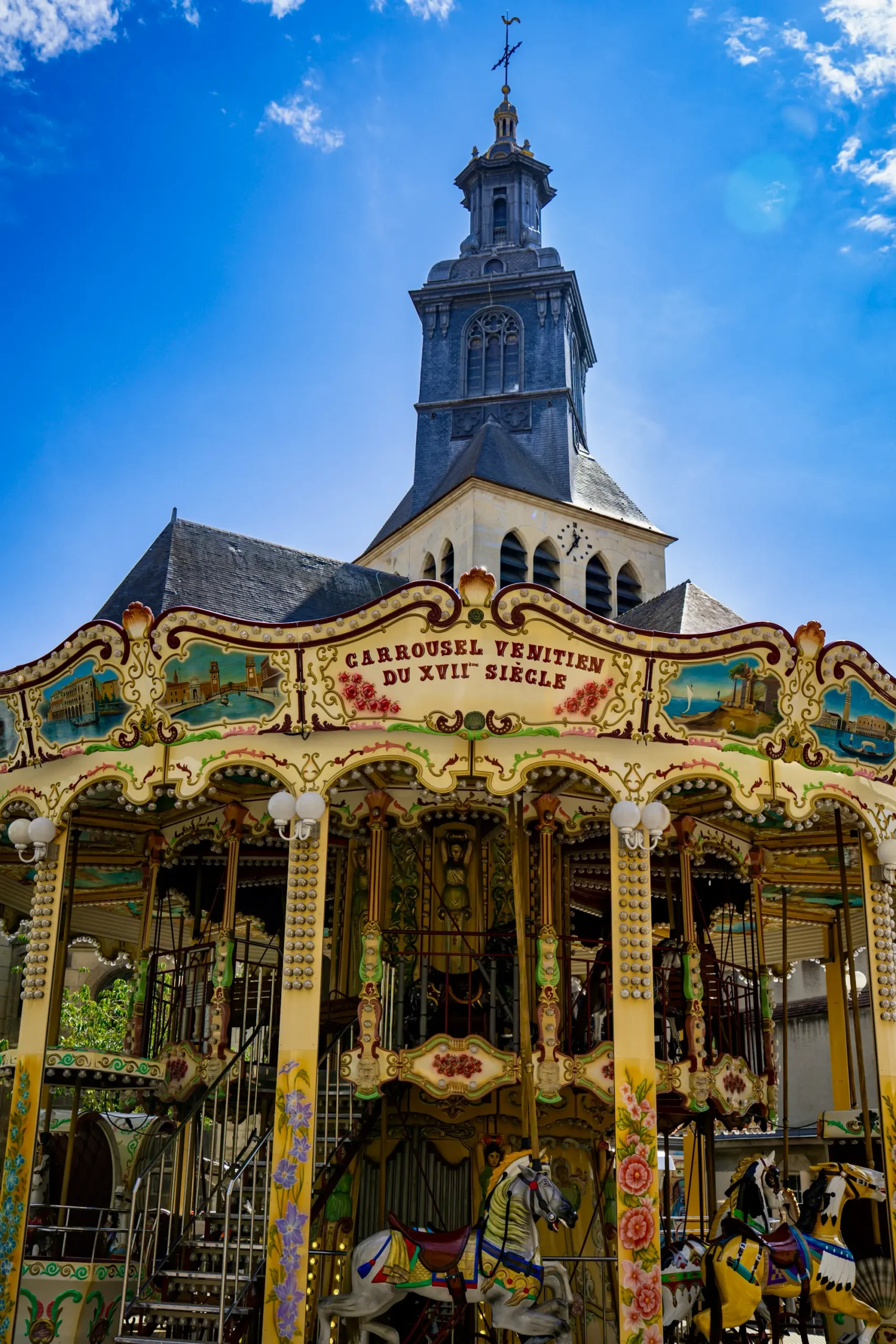
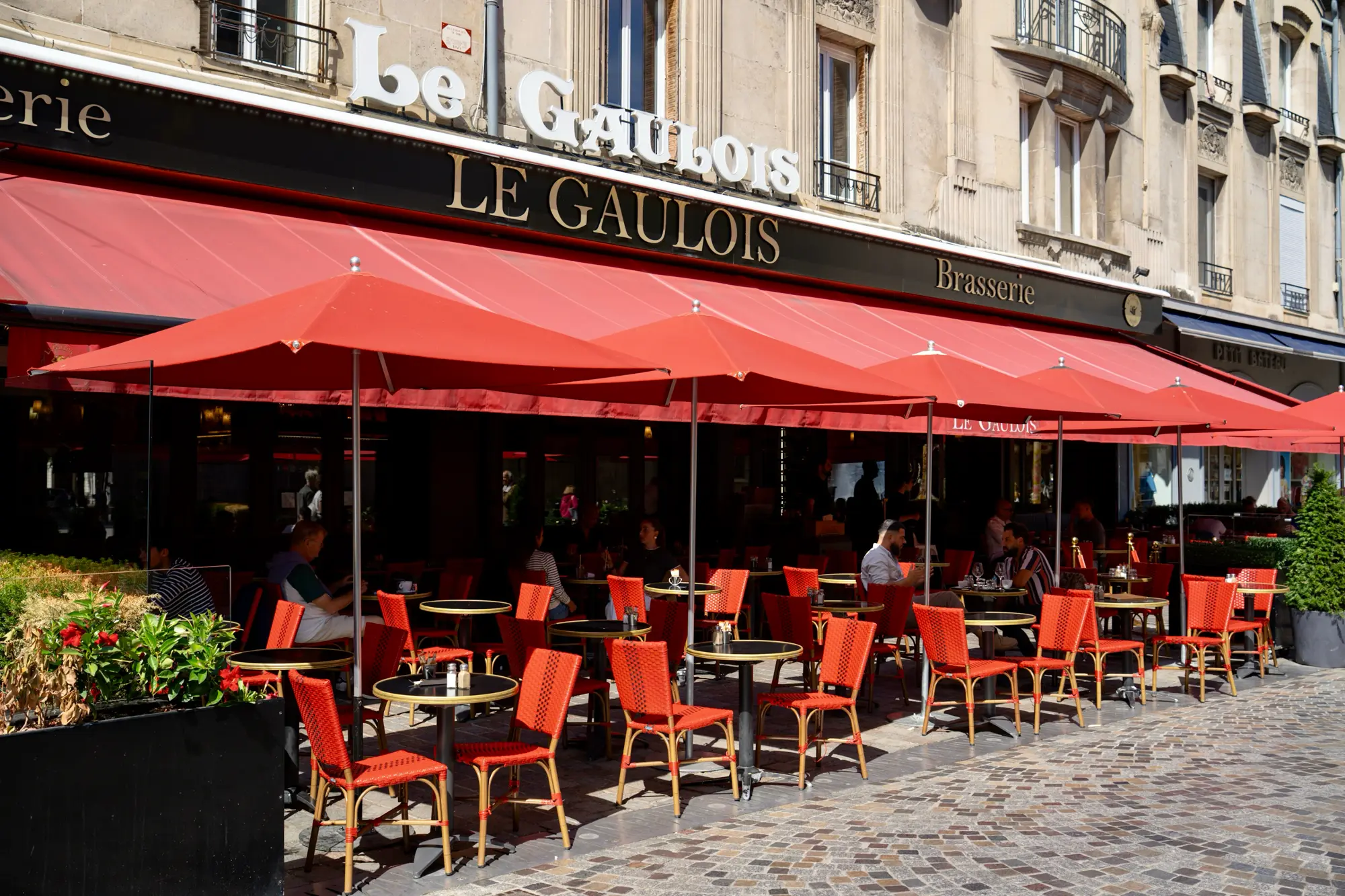
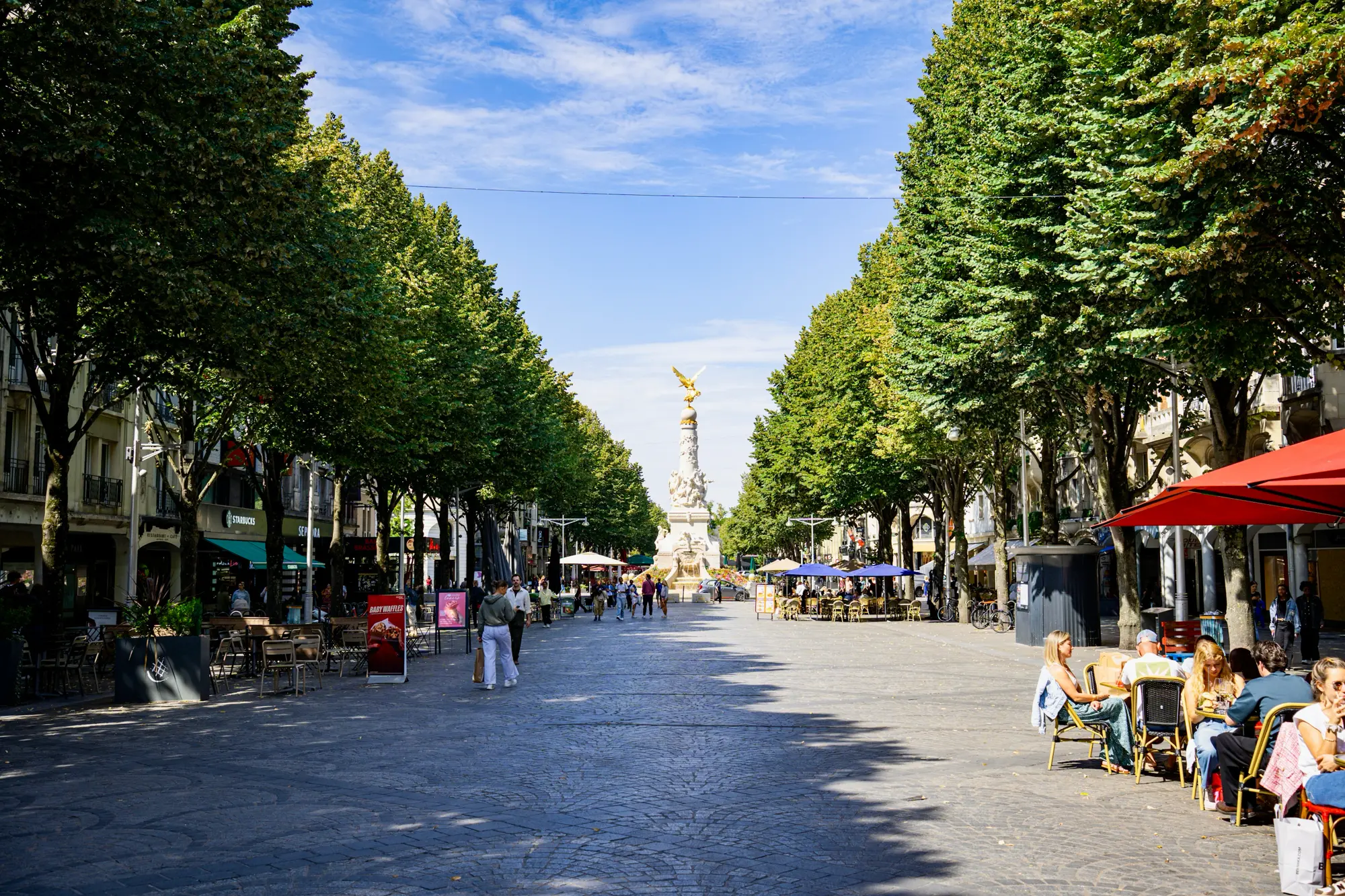
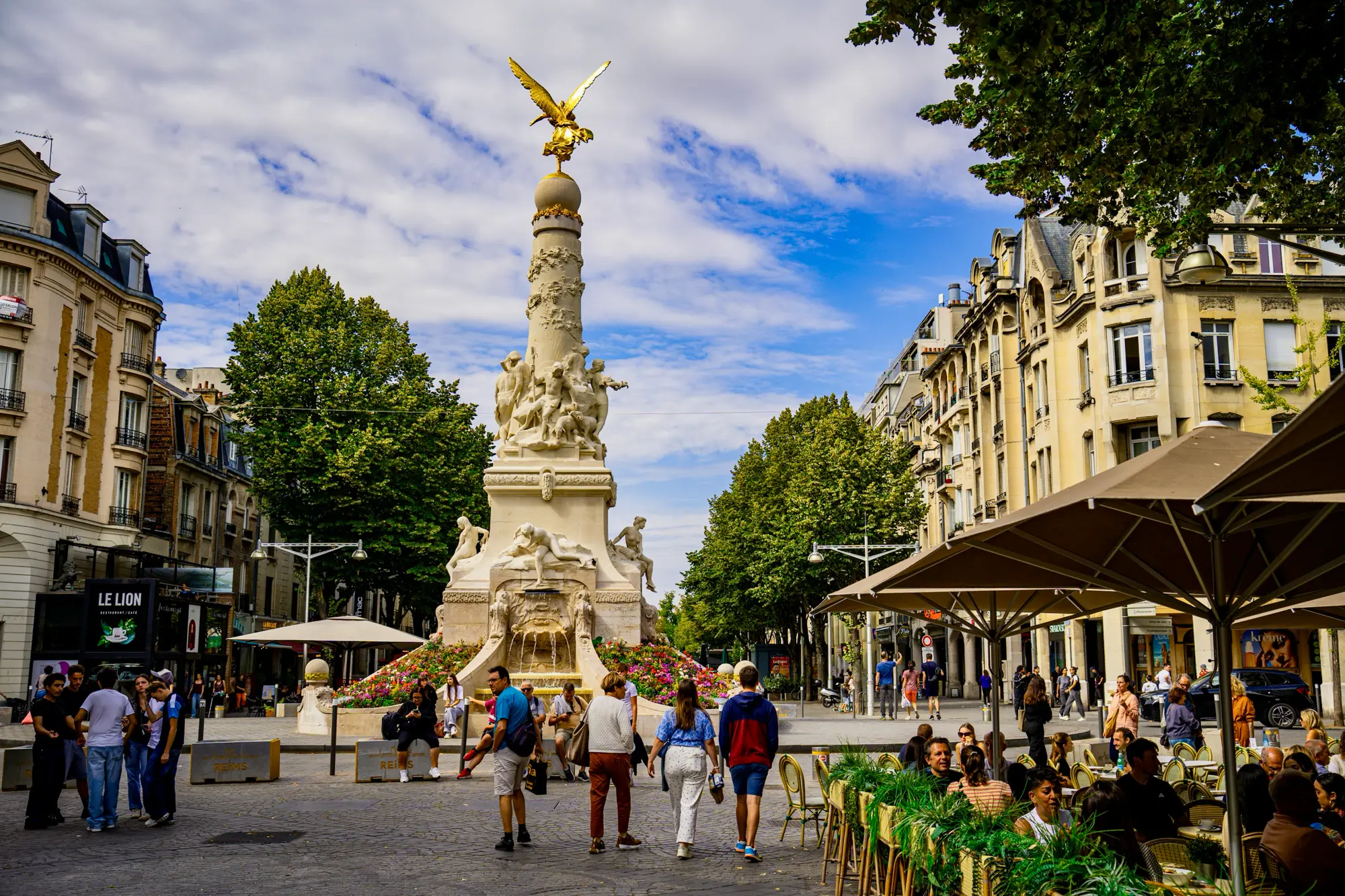
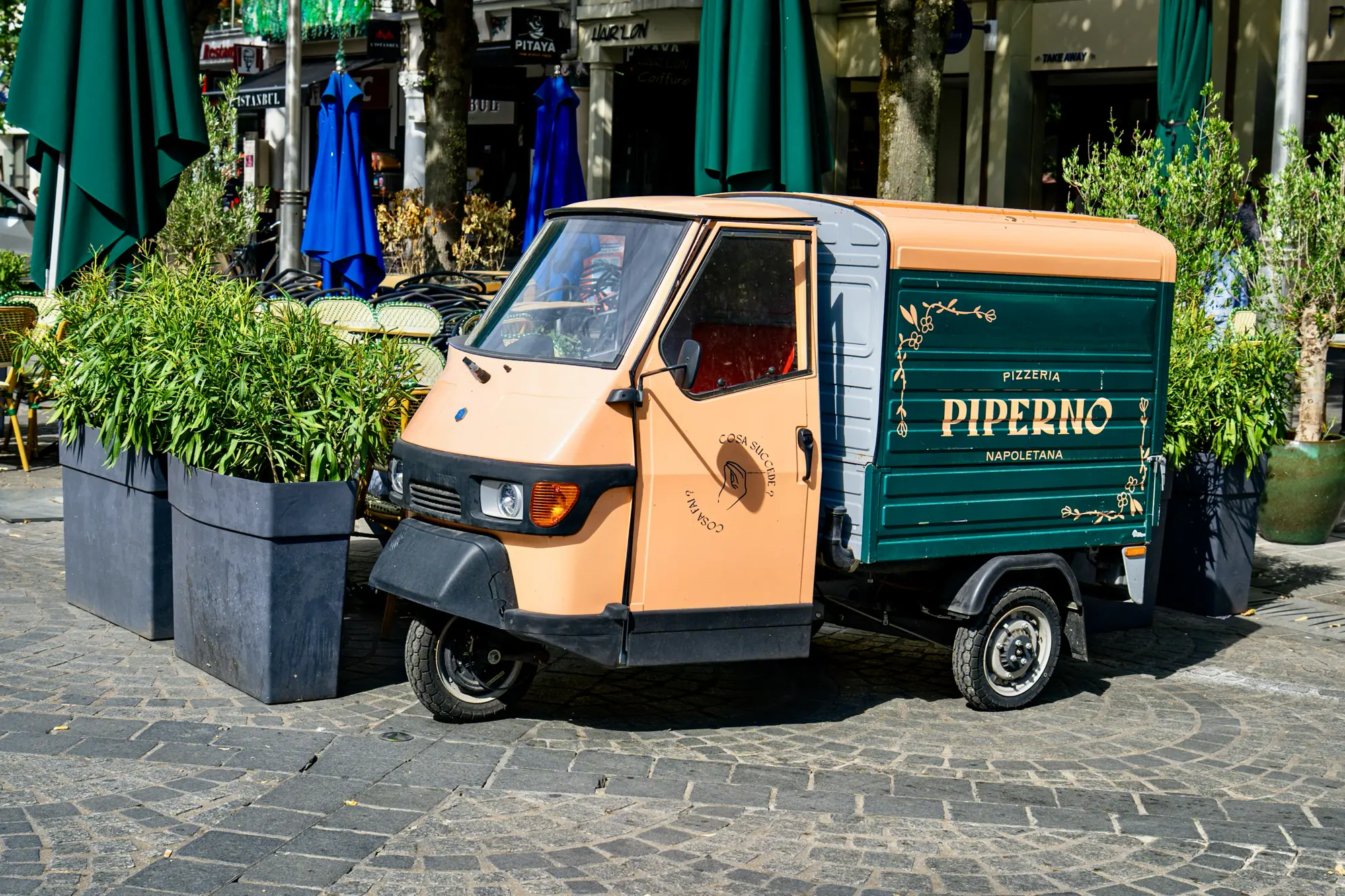
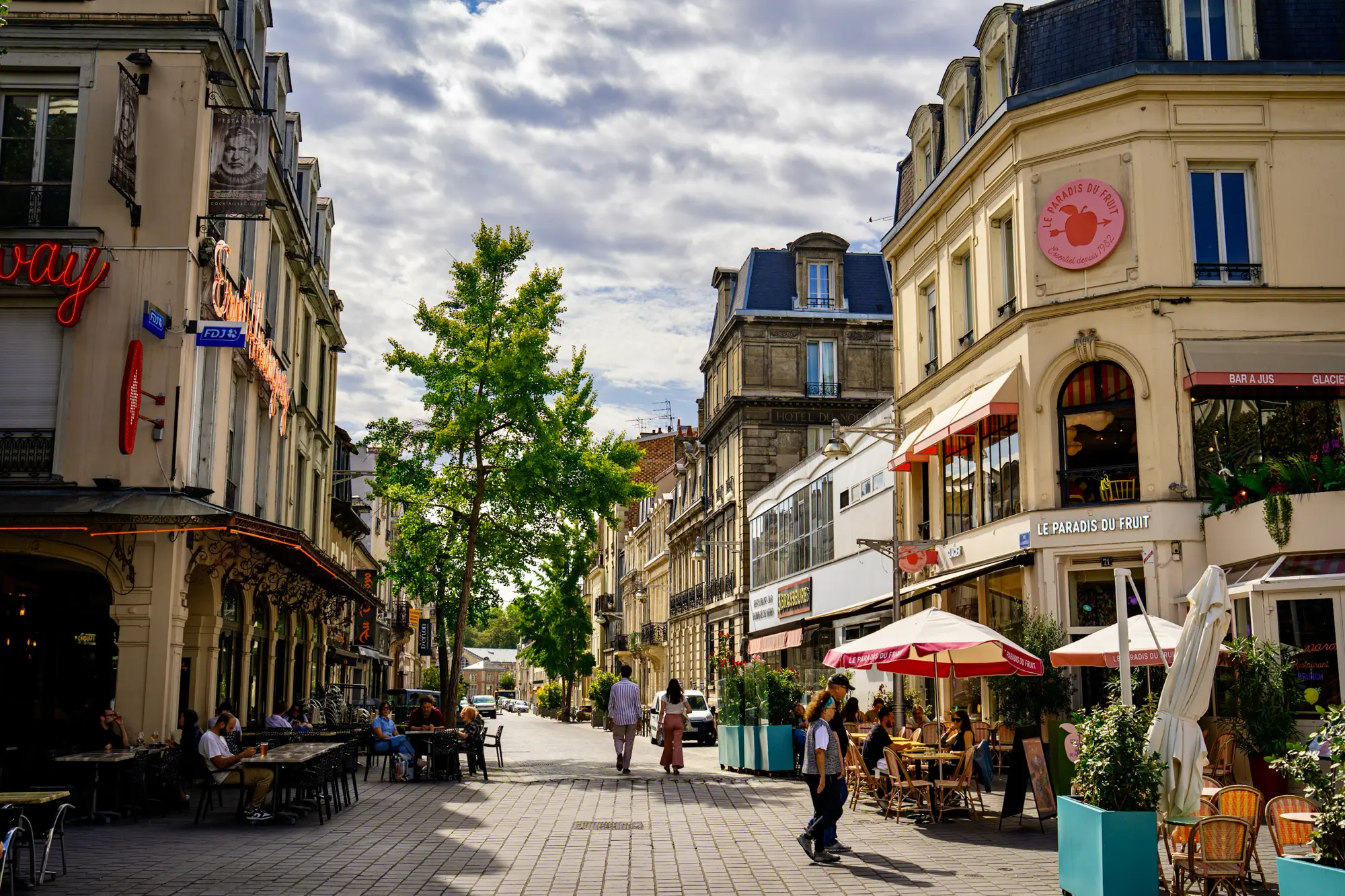
Folkestone check-in was busier than a bargain basement on Boxing Day, closely followed by a delightful API glitch courtesy of TT&DD’s van. To top it off, my car window decided that going up was entirely optional. Nothing says “adventure” quite like driving across Europe with a permanent draft chilling our elbows!
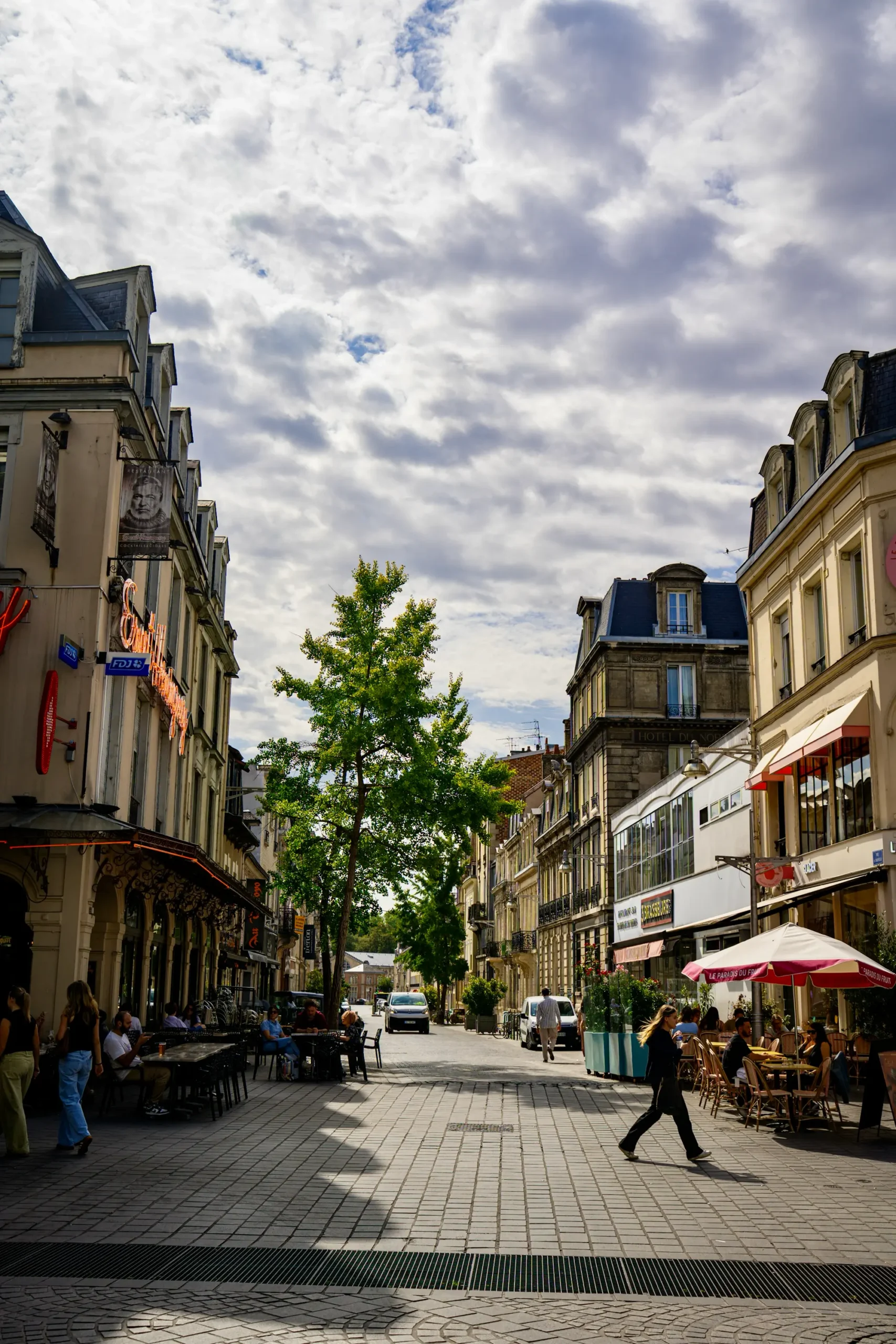
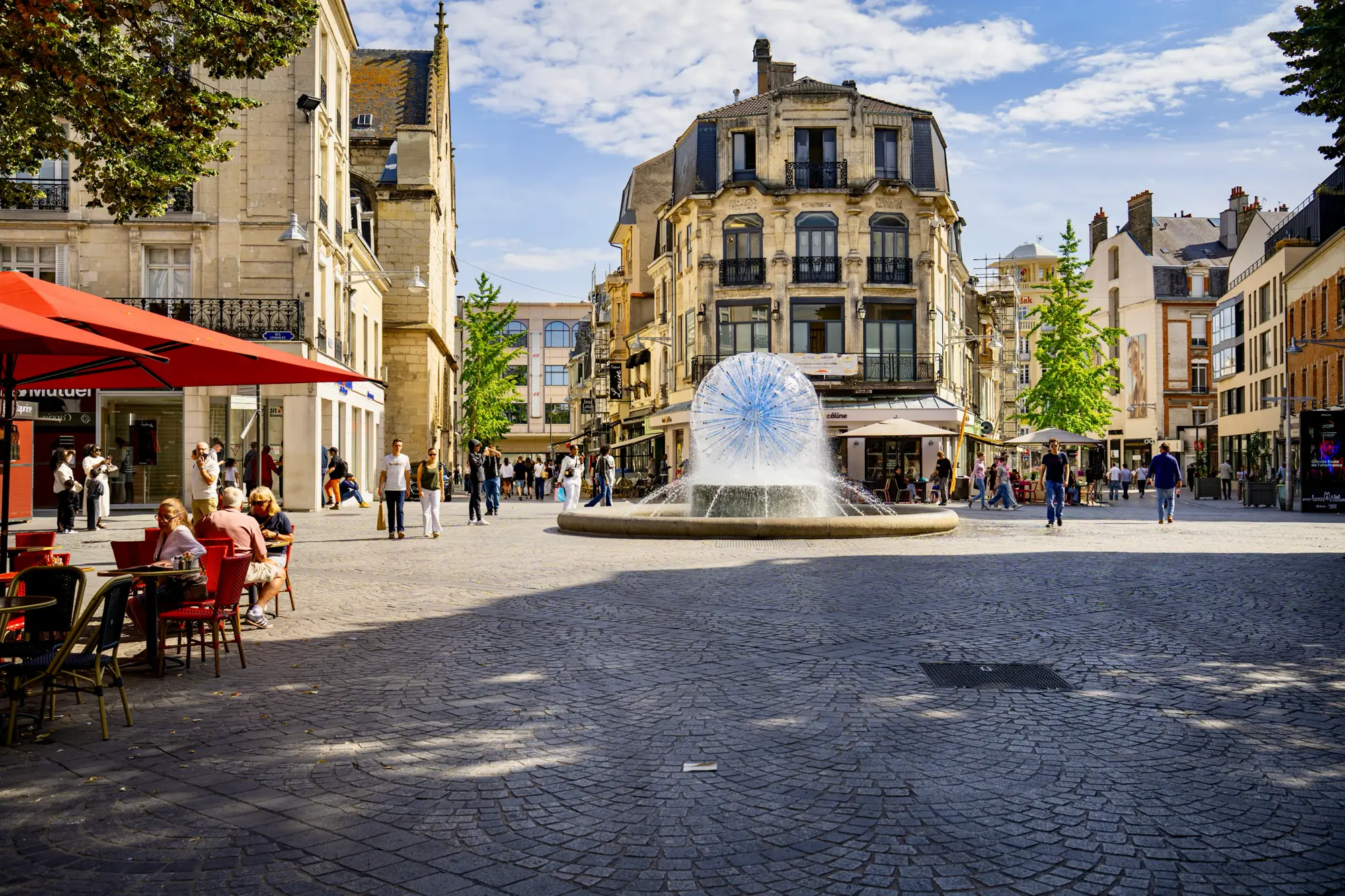
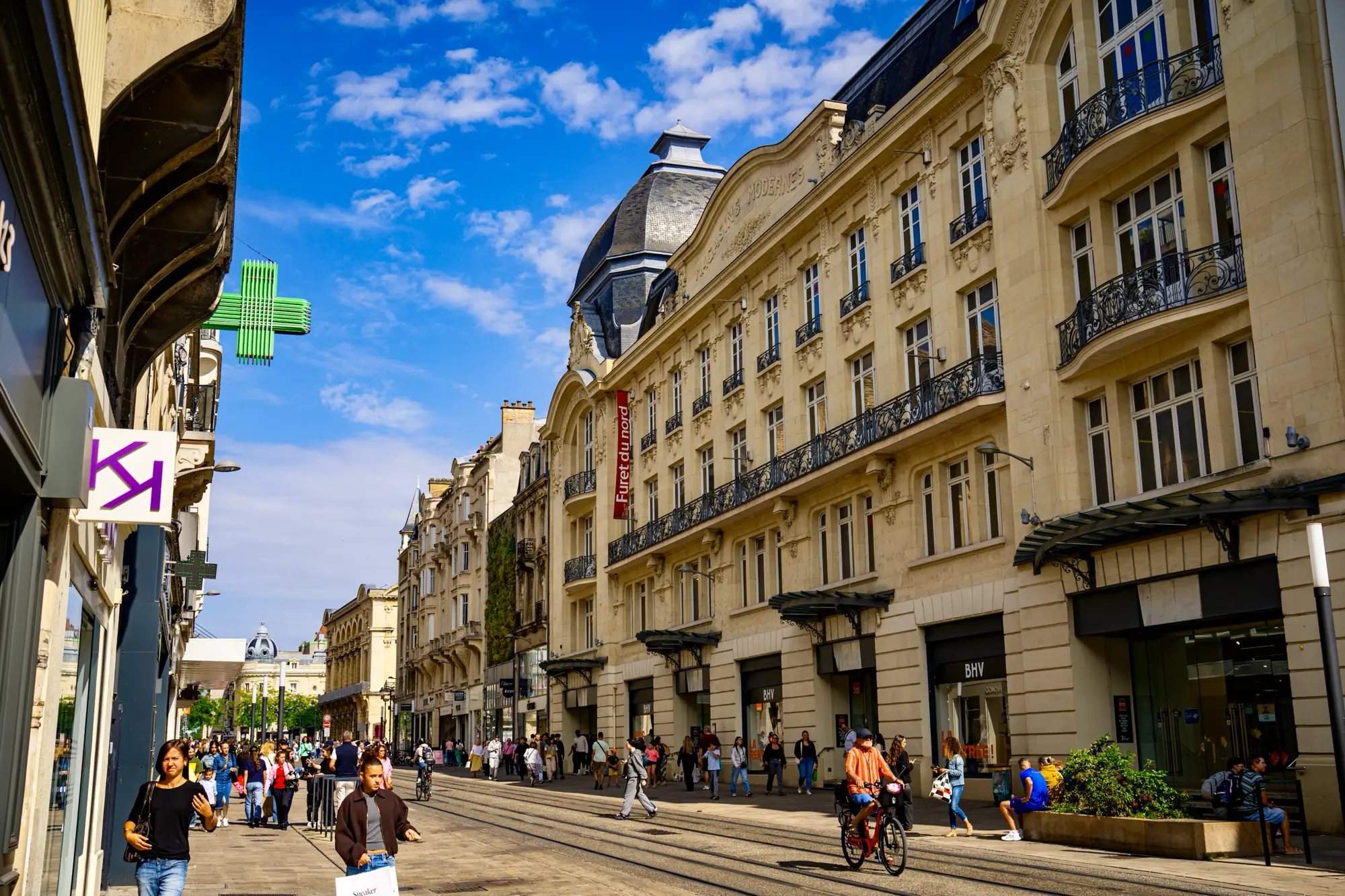
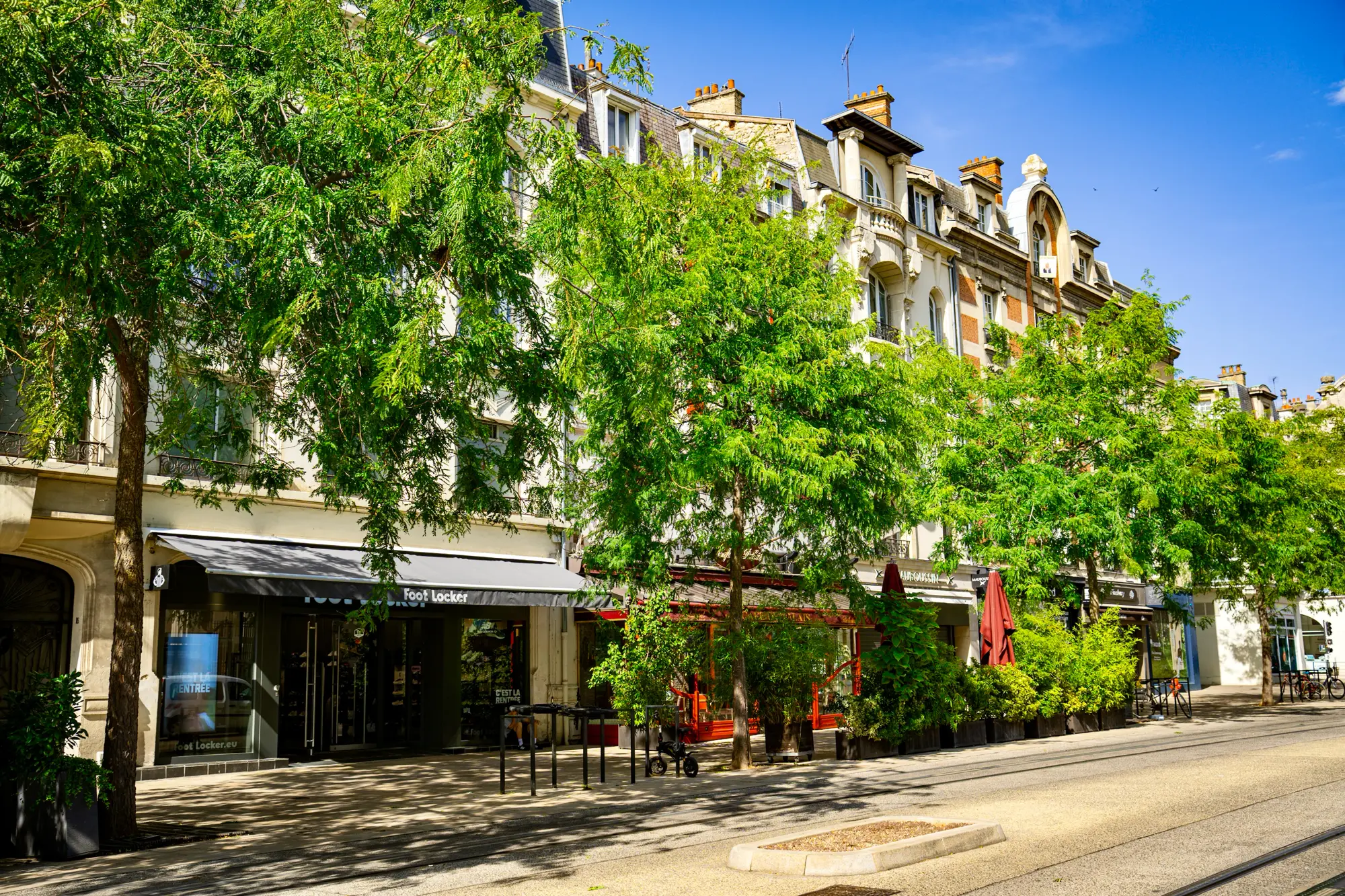
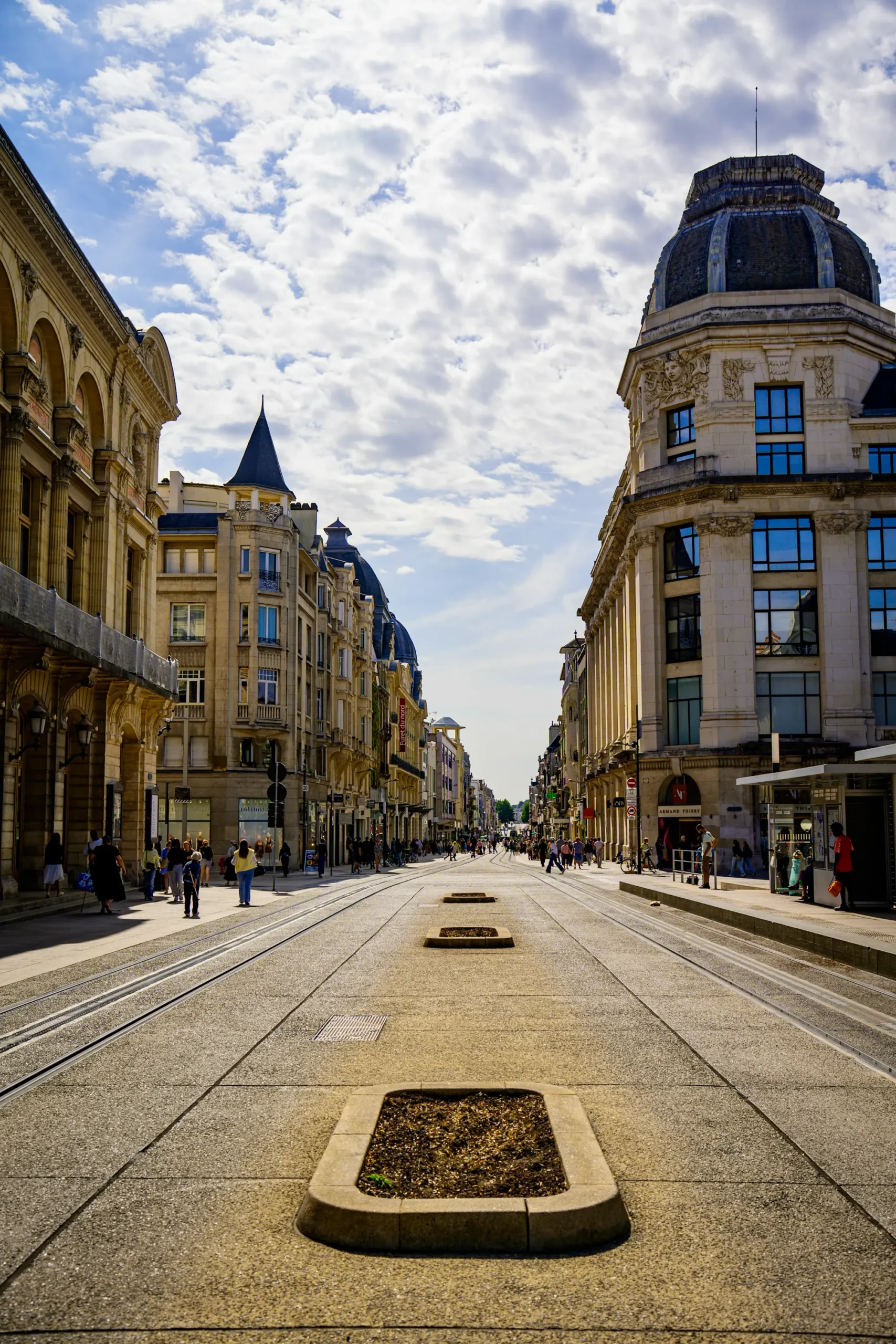
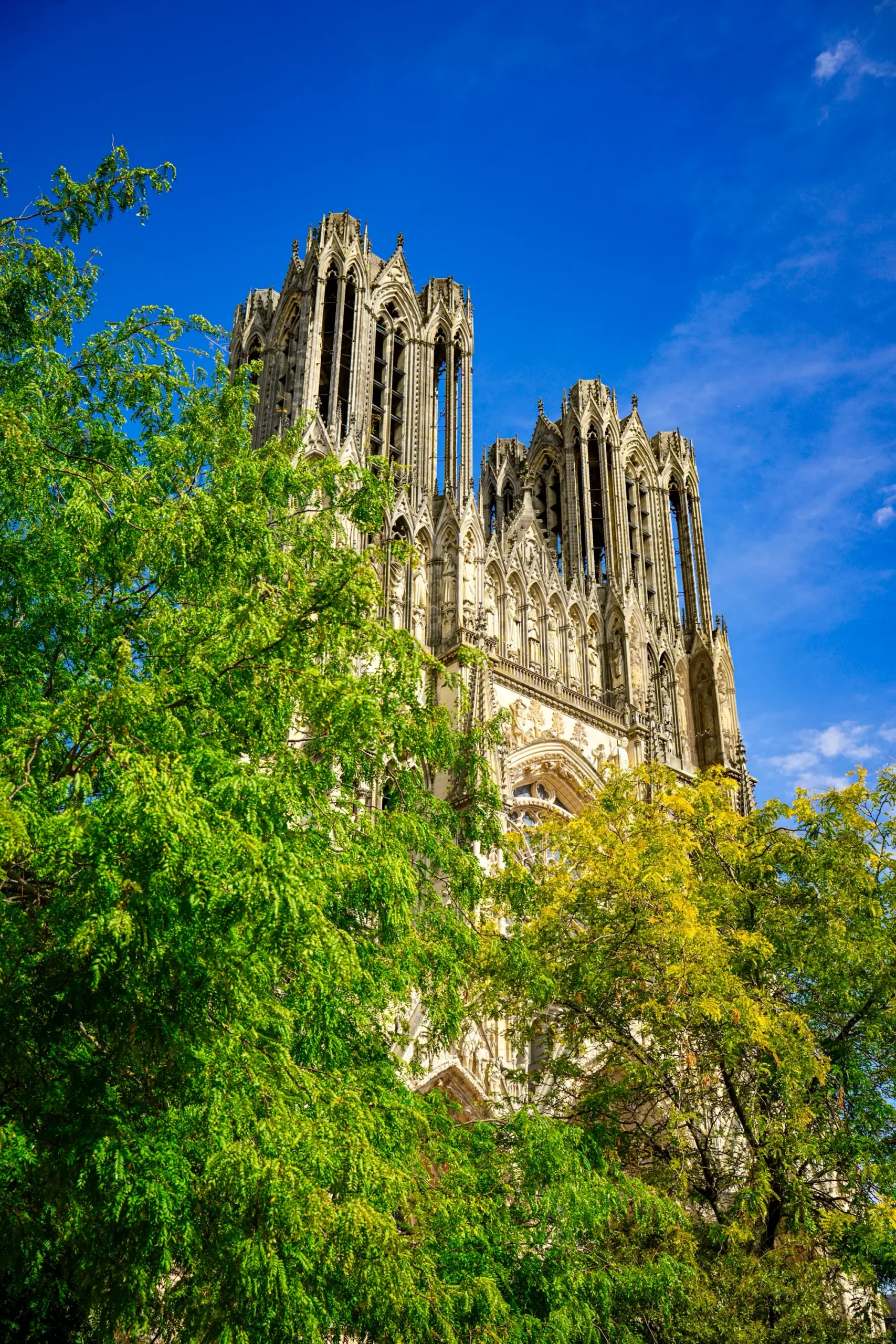
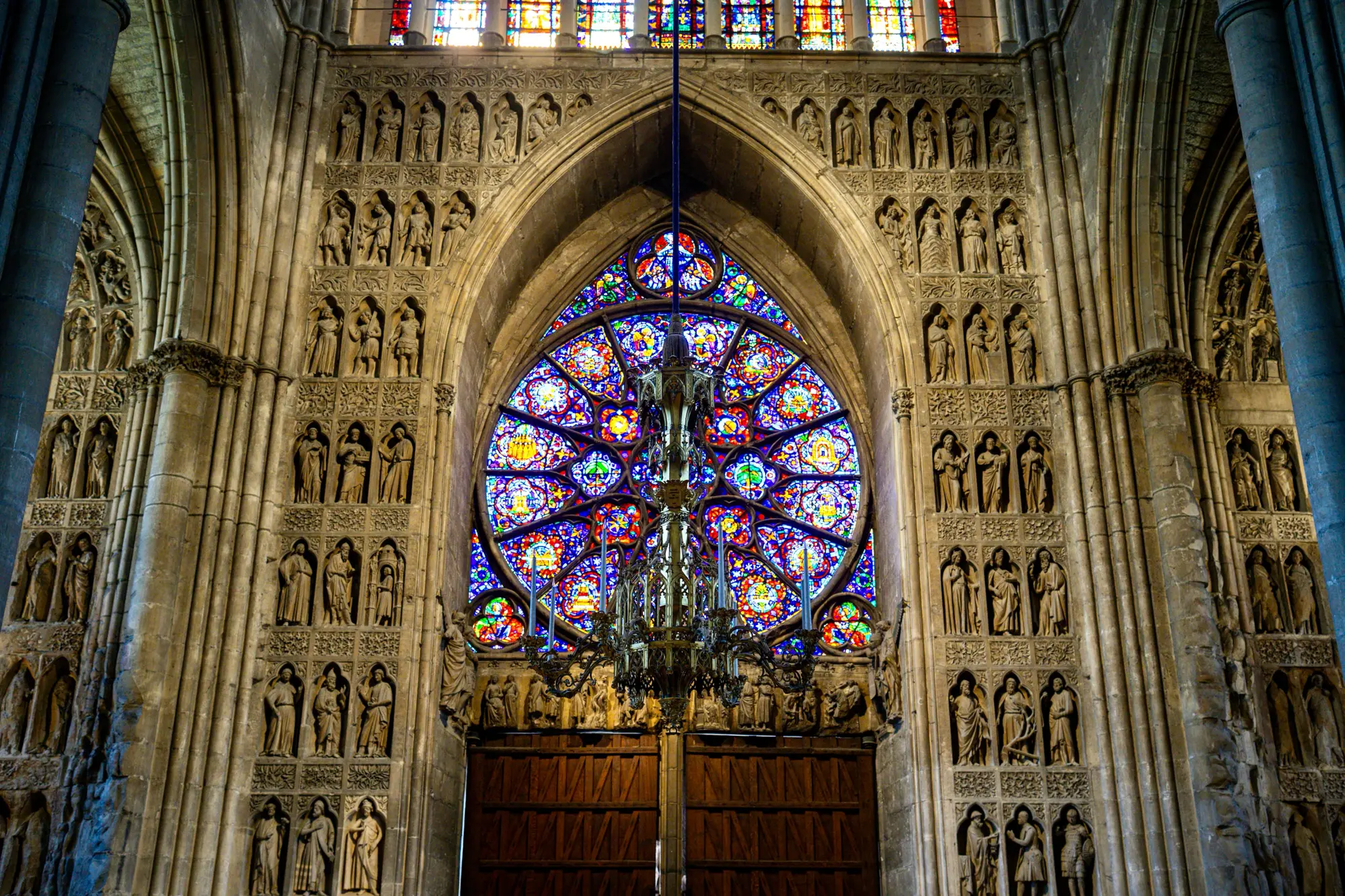
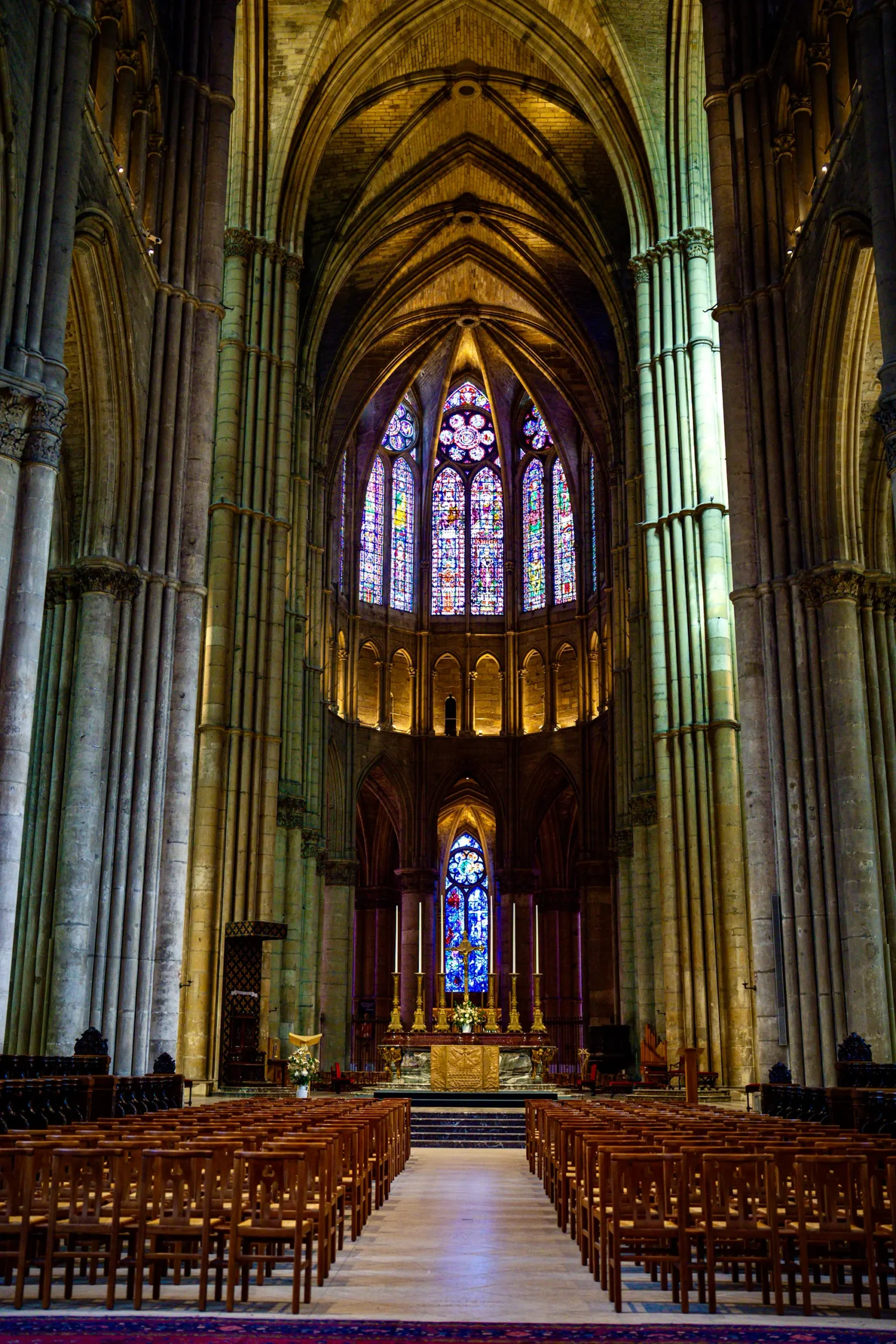
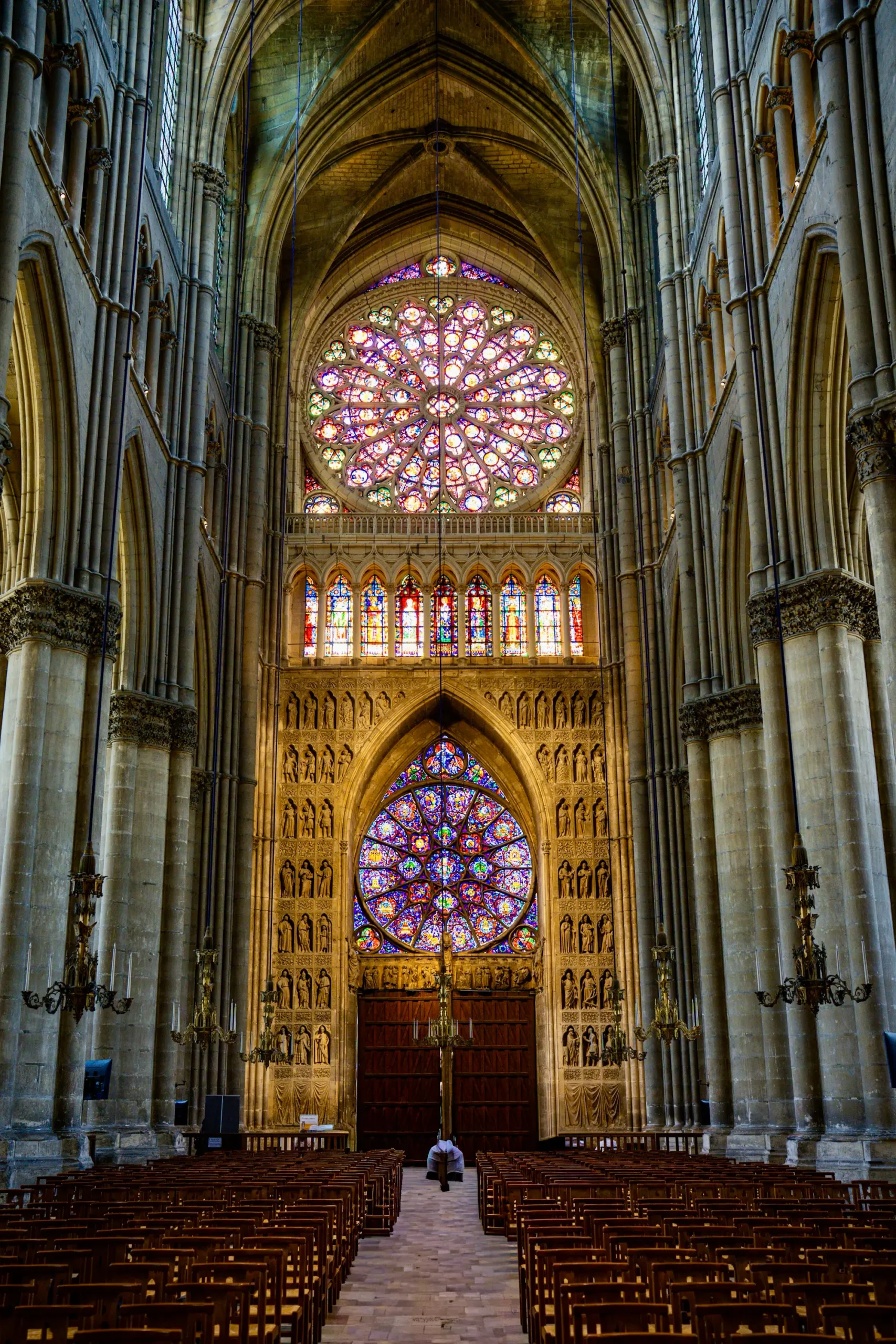
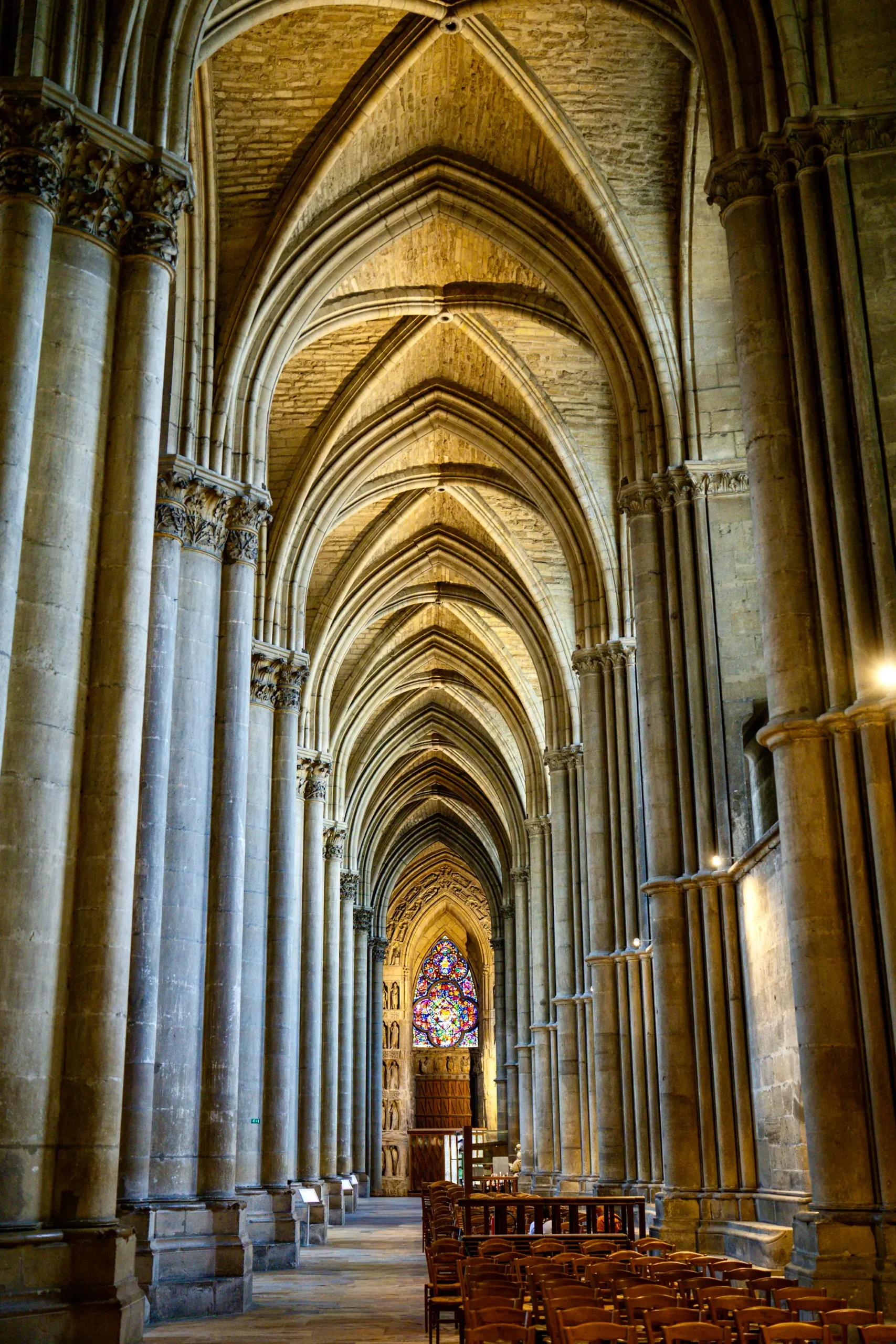
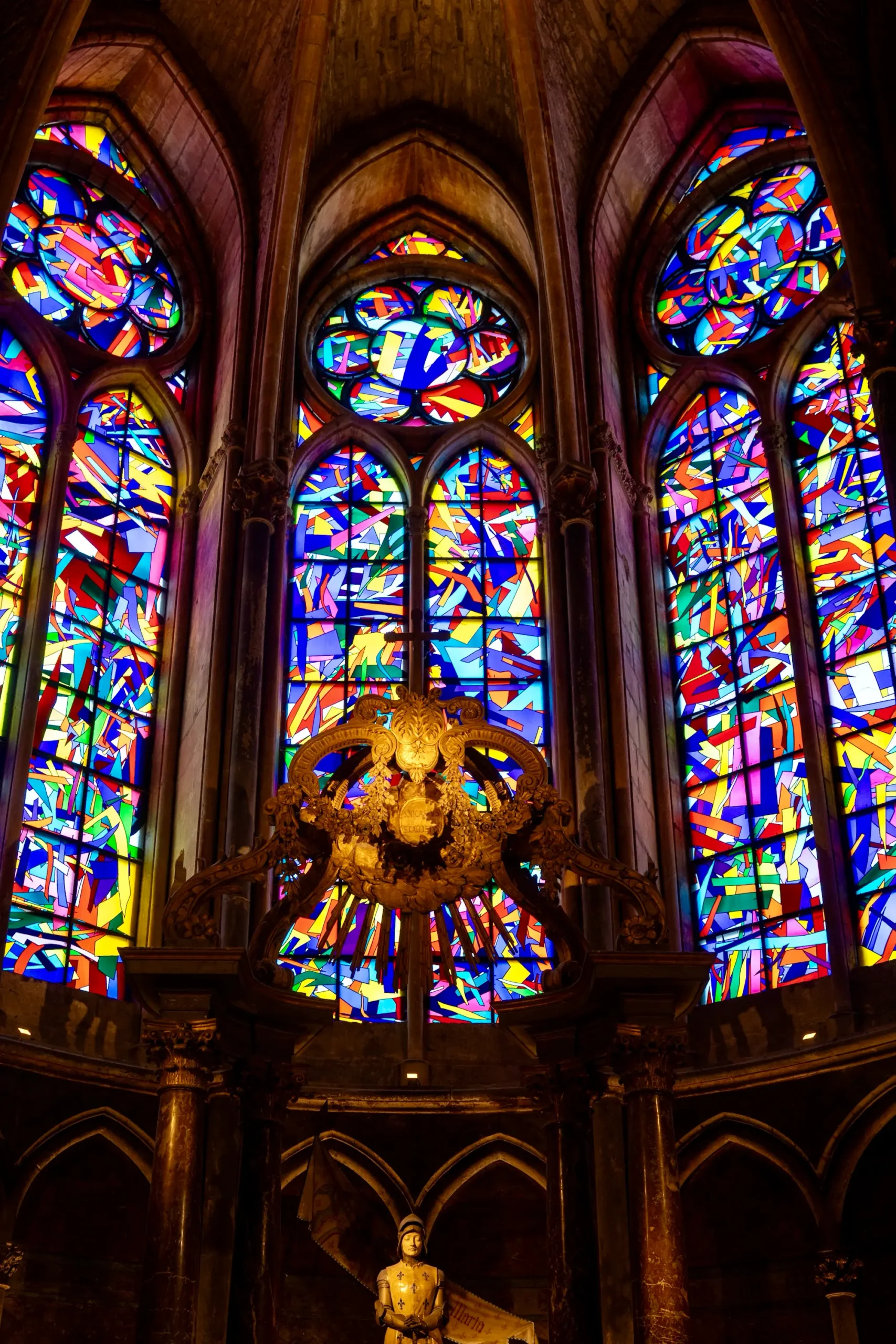
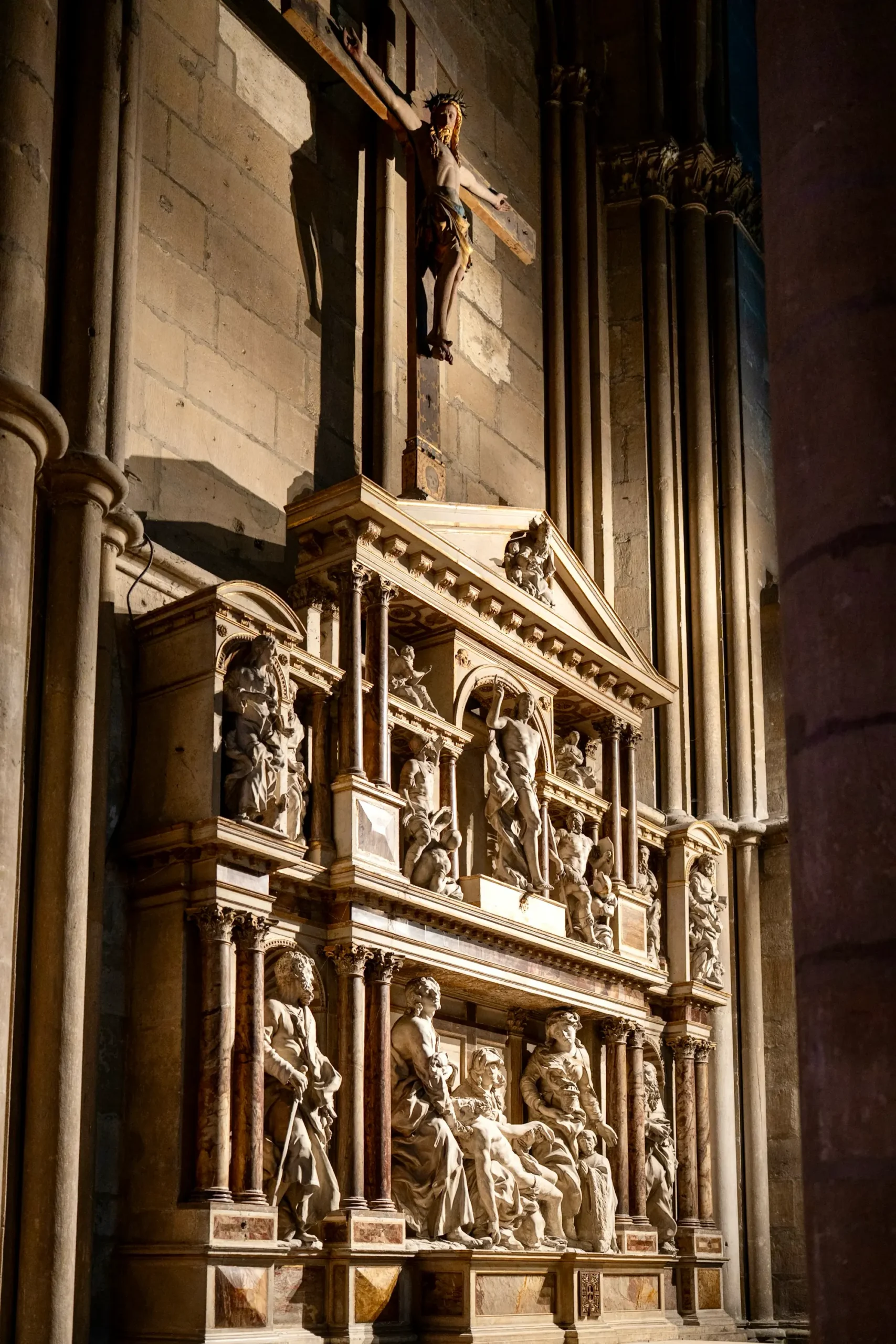
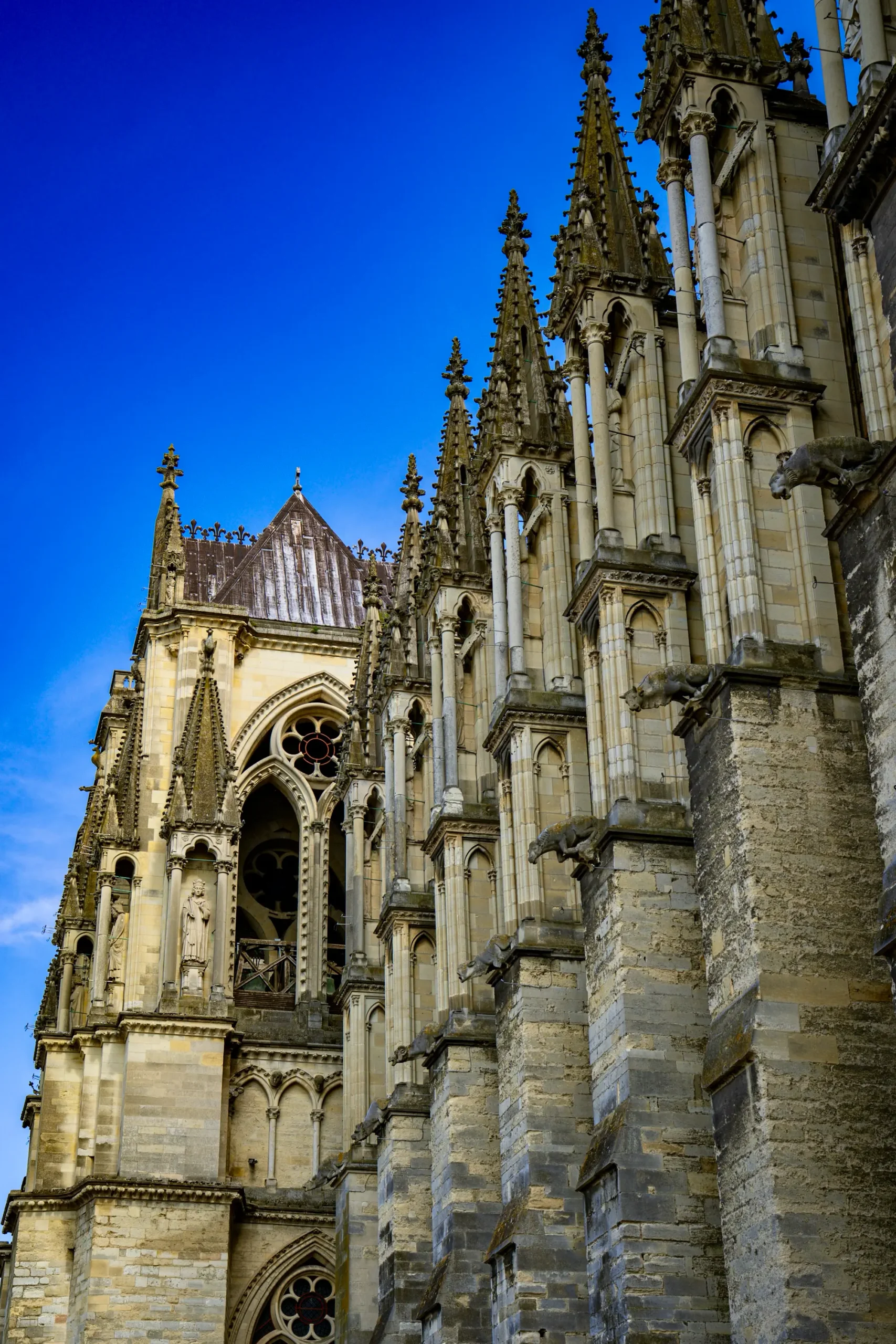
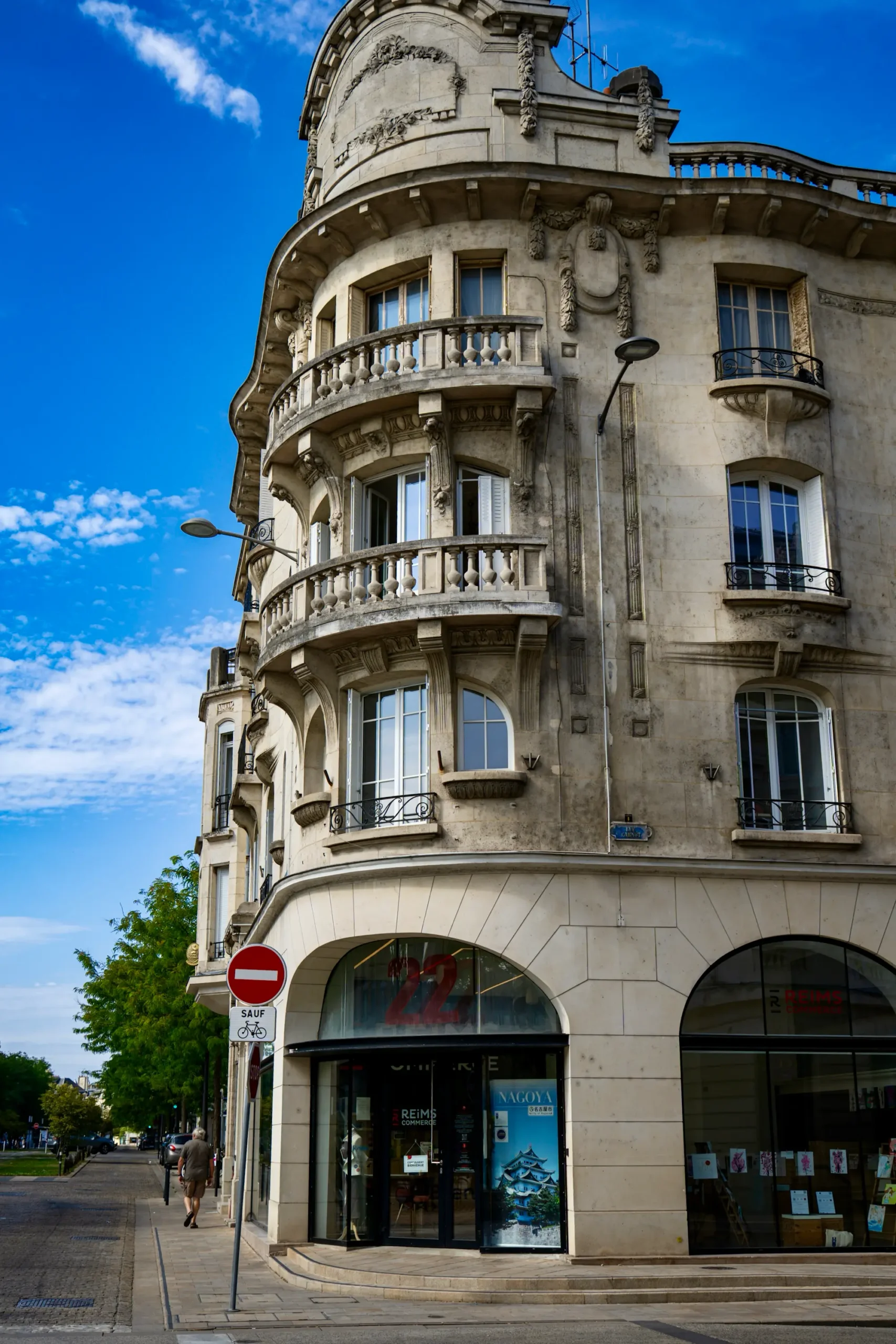
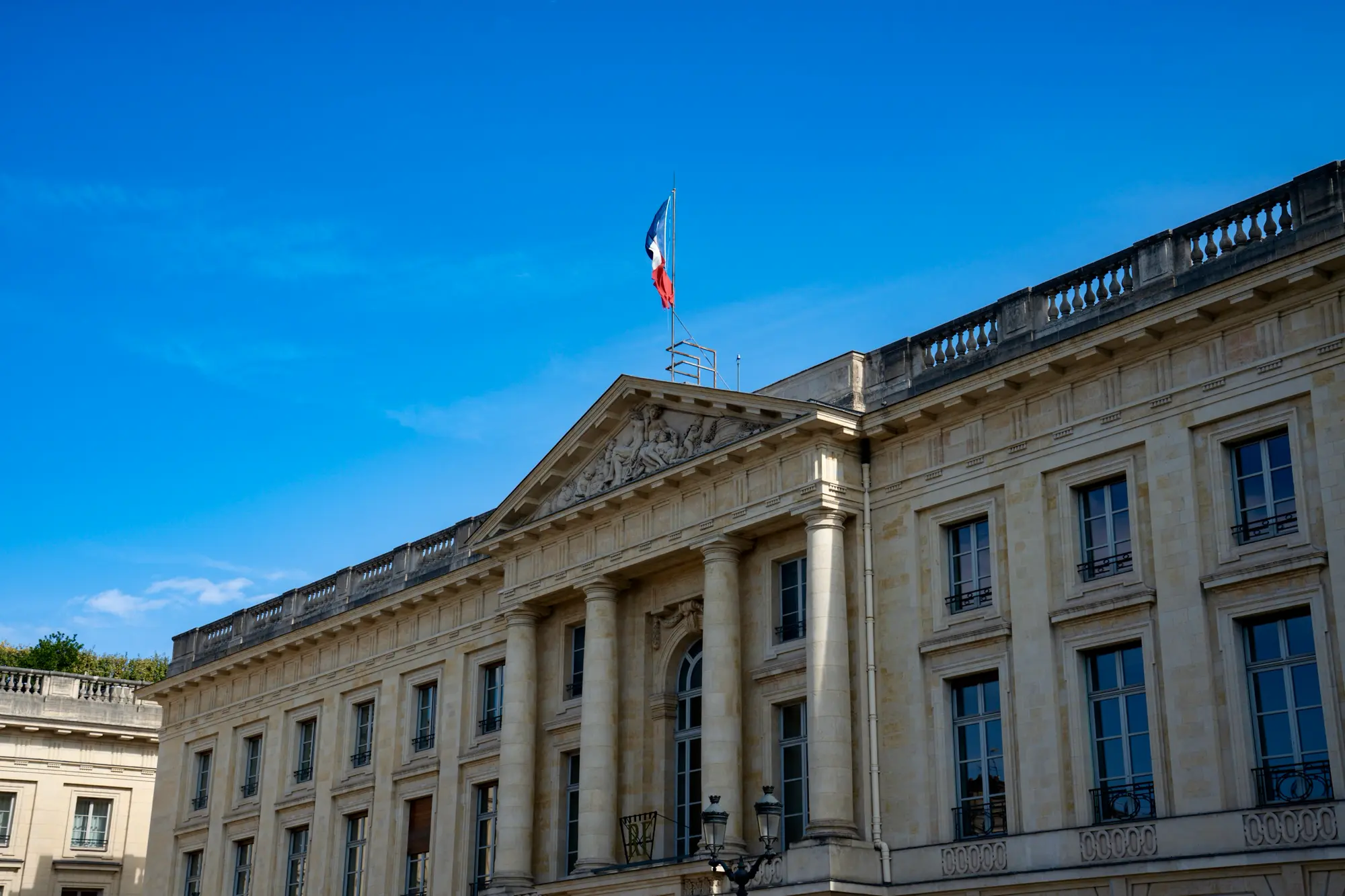
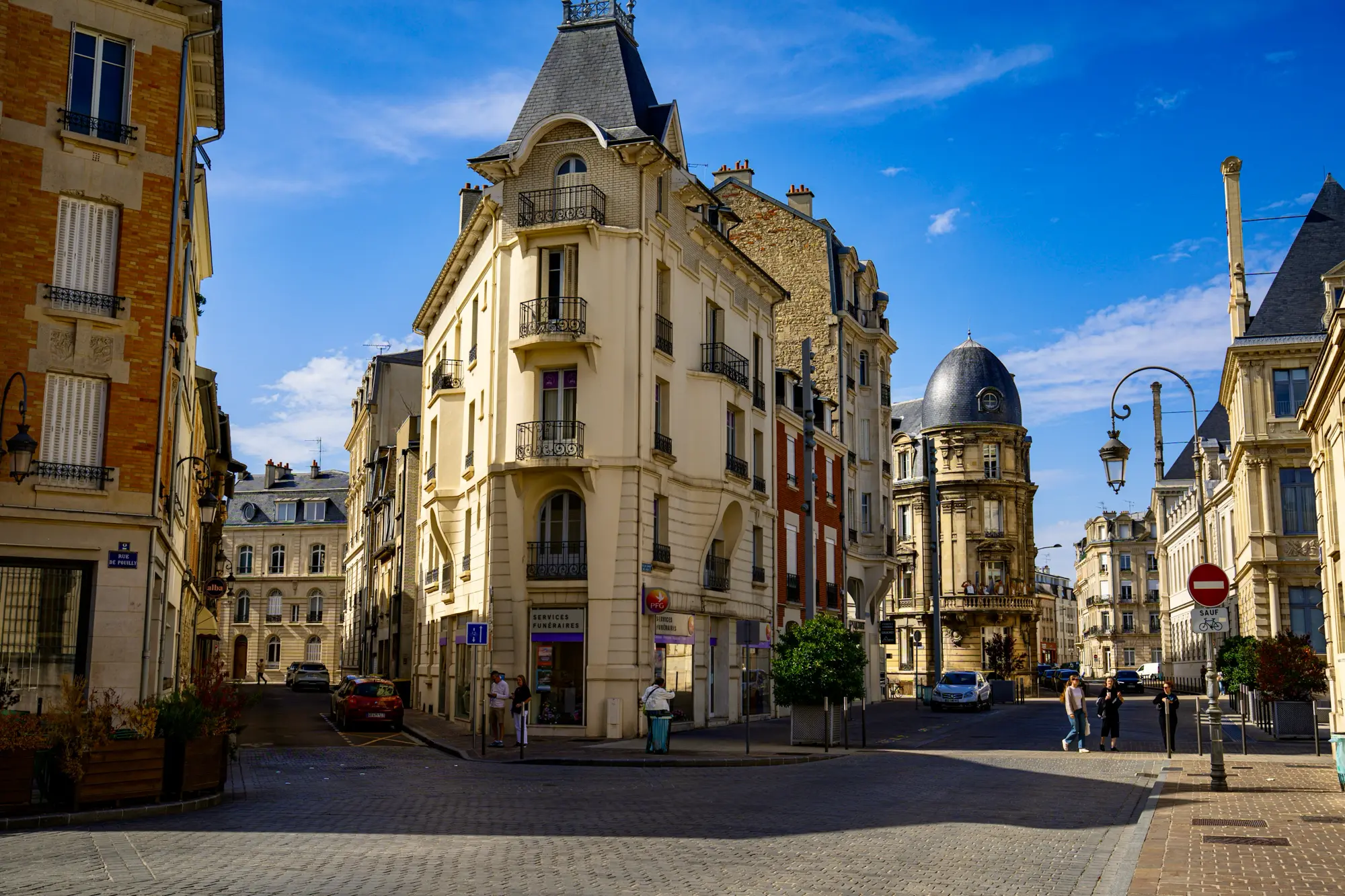
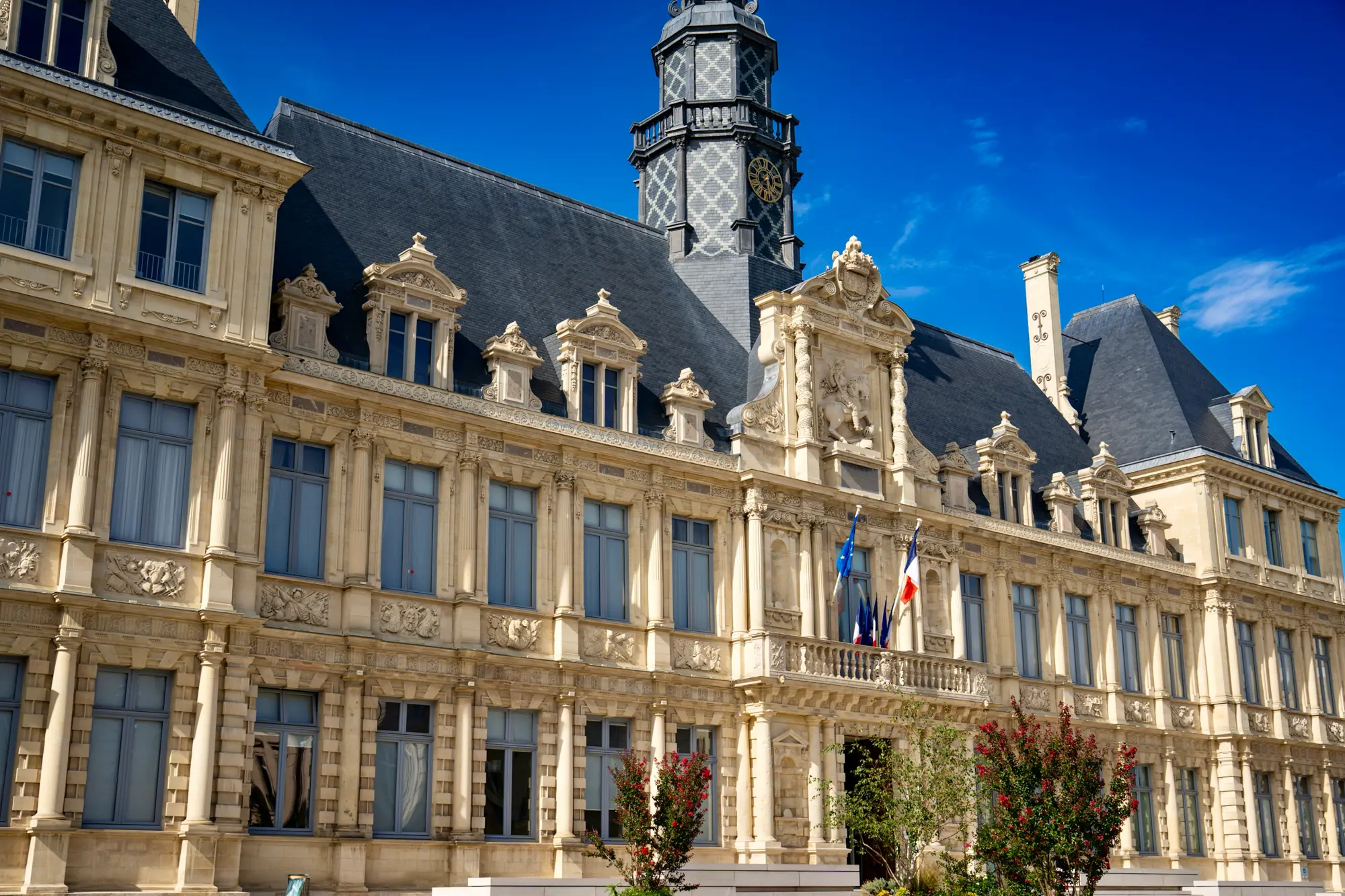
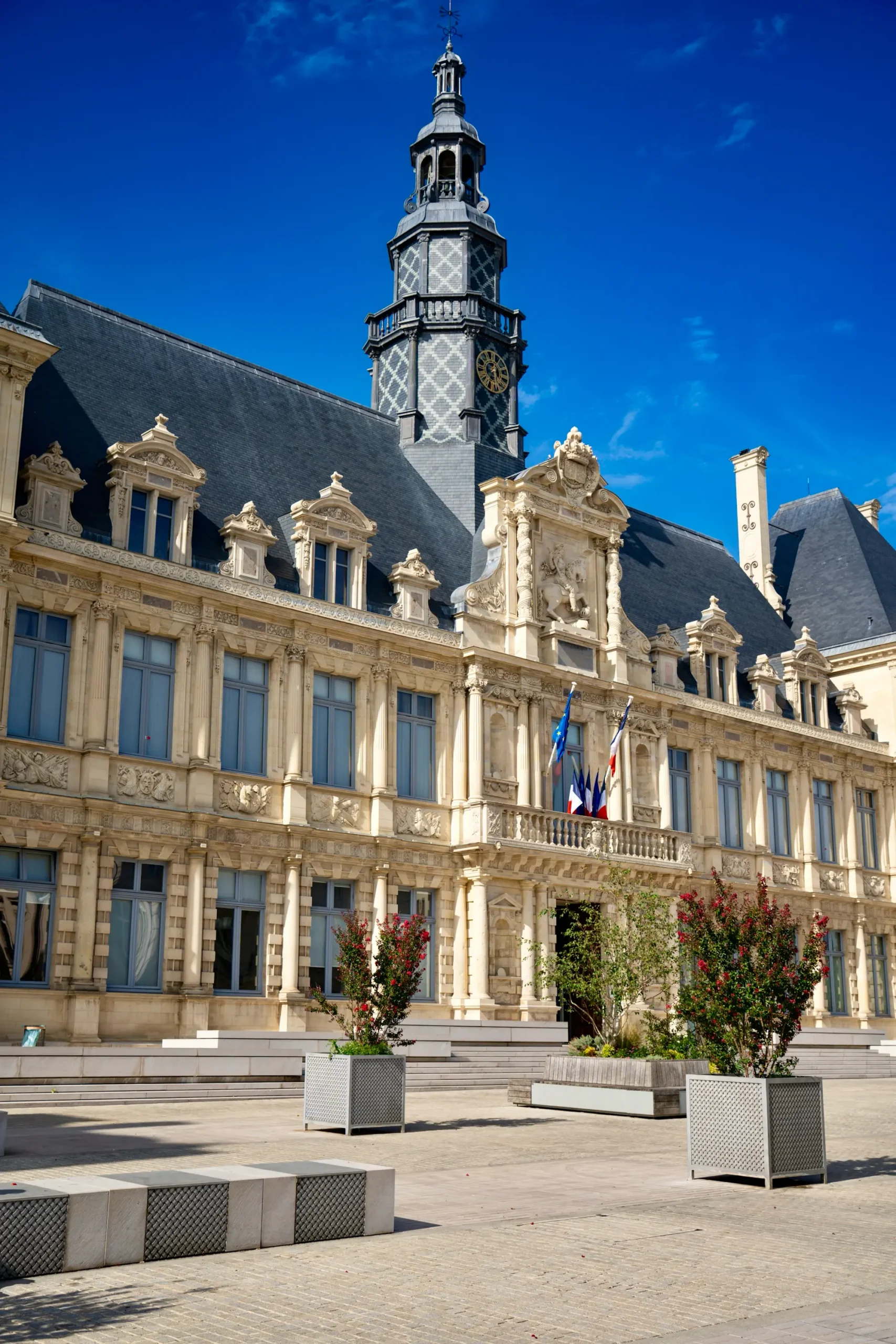
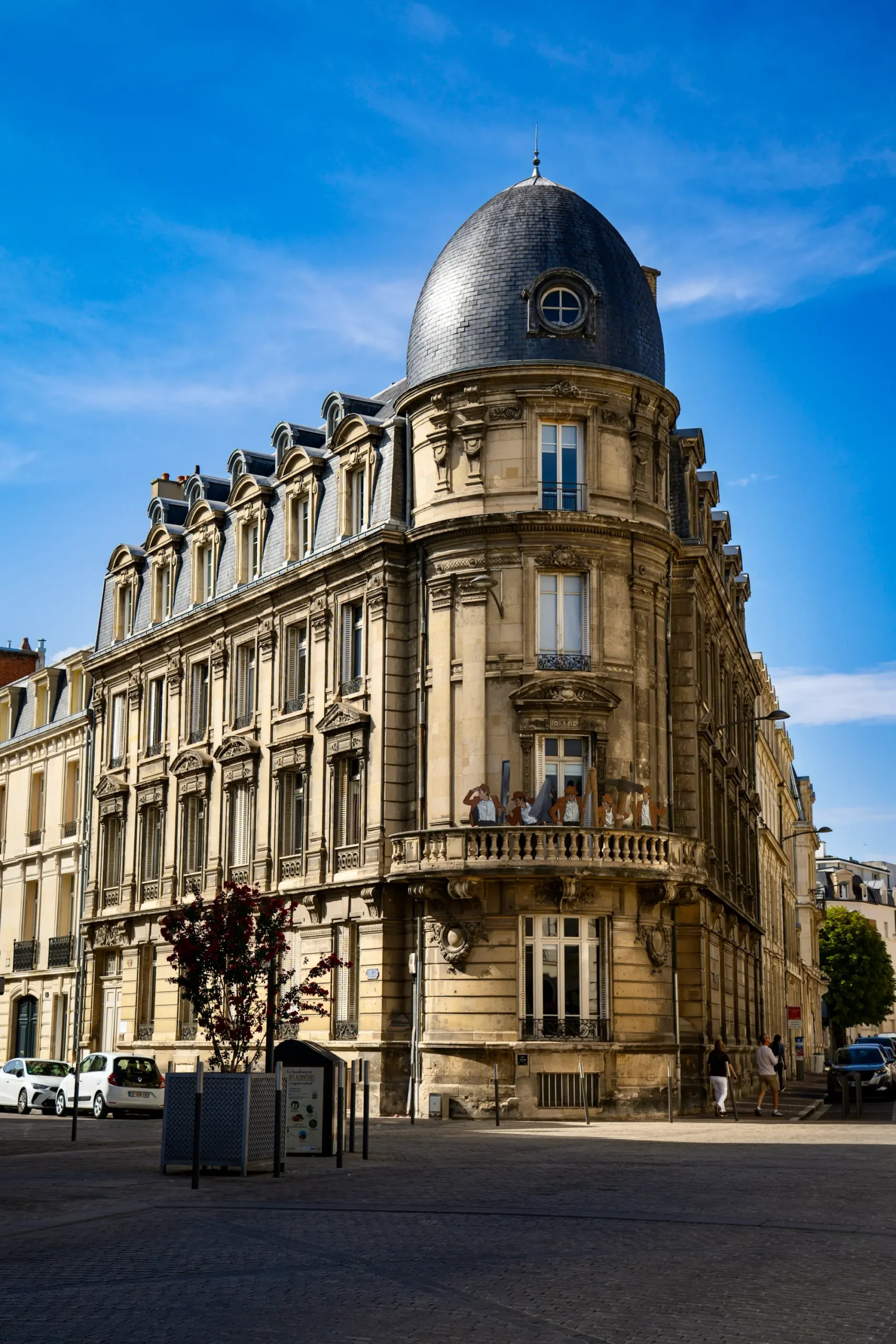
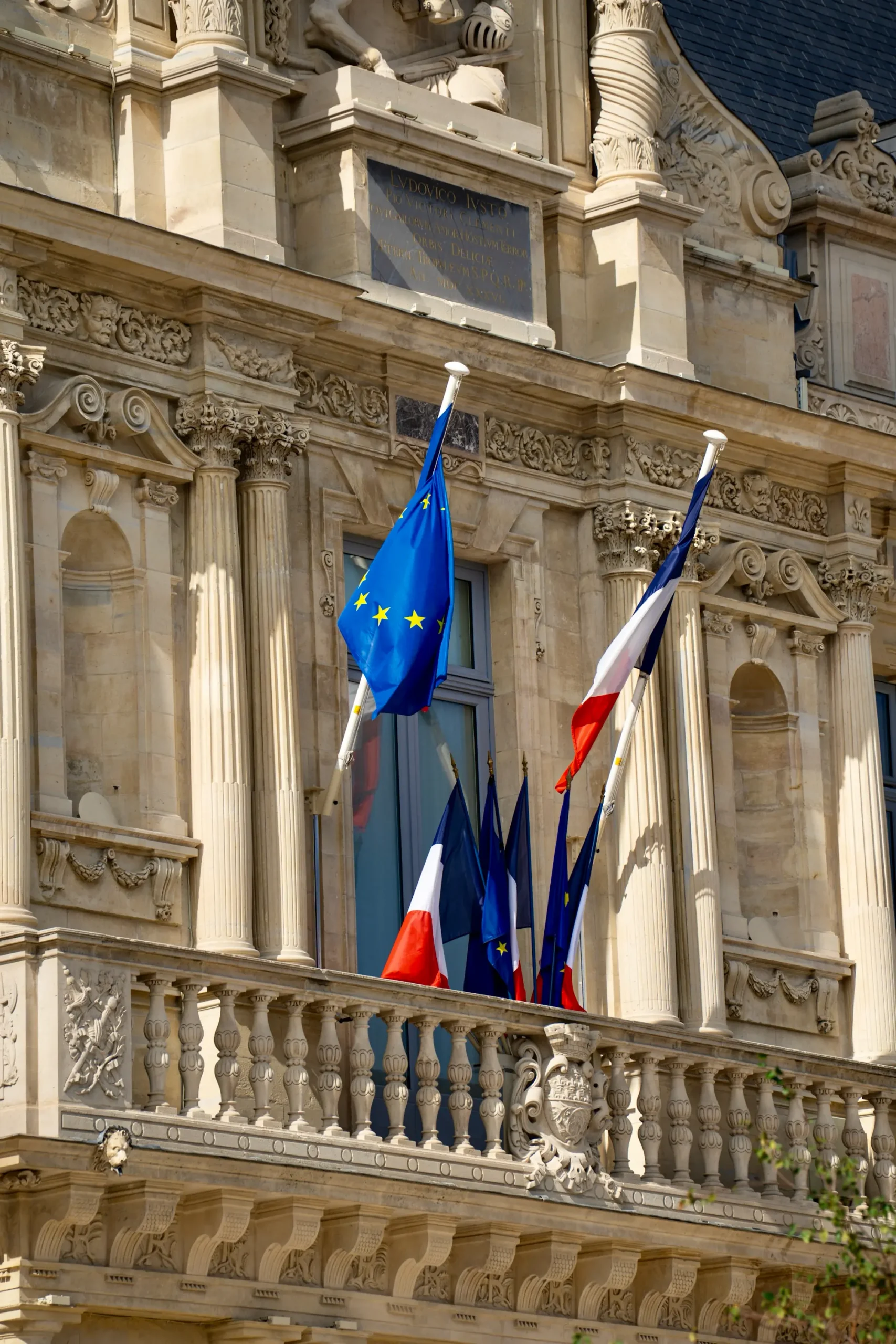
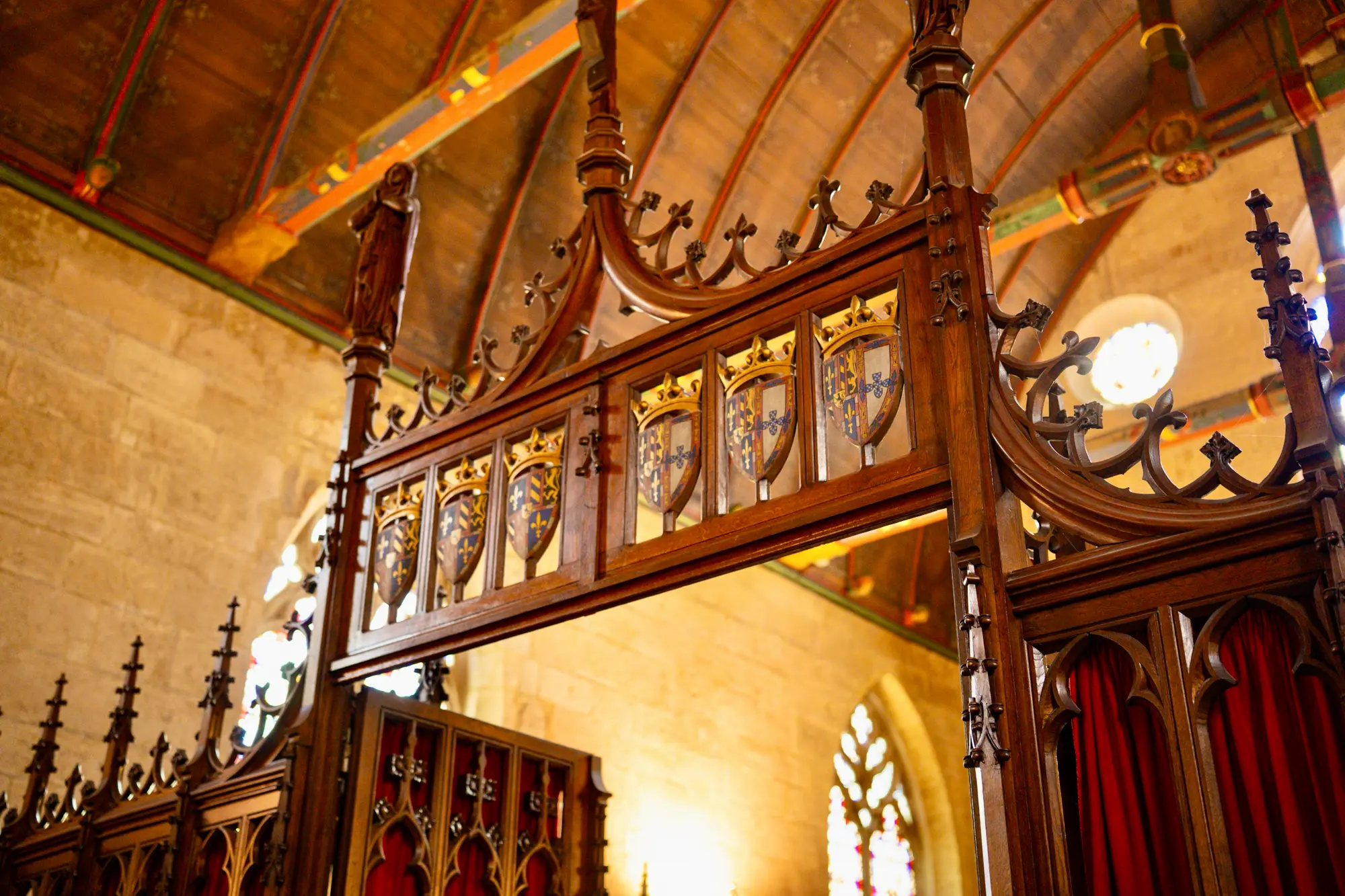
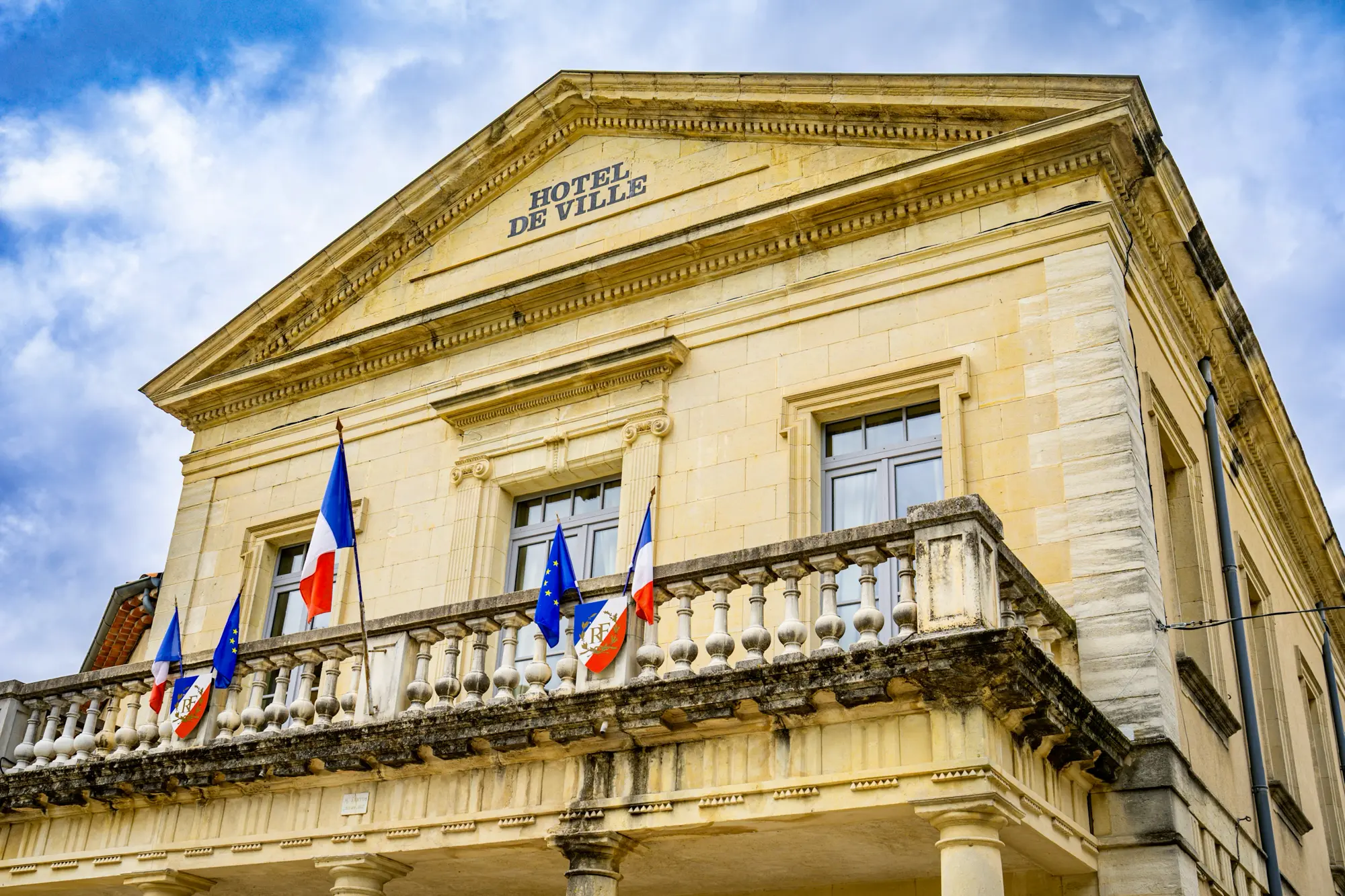
Fortunately, we got everything sorted and rolled into Reims well ahead of schedule. Our accommodation is bargain-basement basic, but hey, it leaves more budget for the important things like local drinks. Reims itself is an absolute stunner—we squeezed in a quick tour of the magnificent cathedral and a peek at the town hall before treating ourselves to proper pizzas and cold beers.
Consider this a mere practice run before we tackle the crack-of-dawn drive to Beaune tomorrow.
Day 2 - Beaune 'Dijon' mustard, Motorways, and World Peace over a pizza
Day two delivered smooth tarmac, excellent logistics, and a masterclass in French picnicking under the warm sun. Who knew two entirely different vehicles could synchronise their driving schedules so impeccably while navigating foreign motorways? It was the kind of effortless travel morning that makes you feel like seasoned explorers ready for anything.
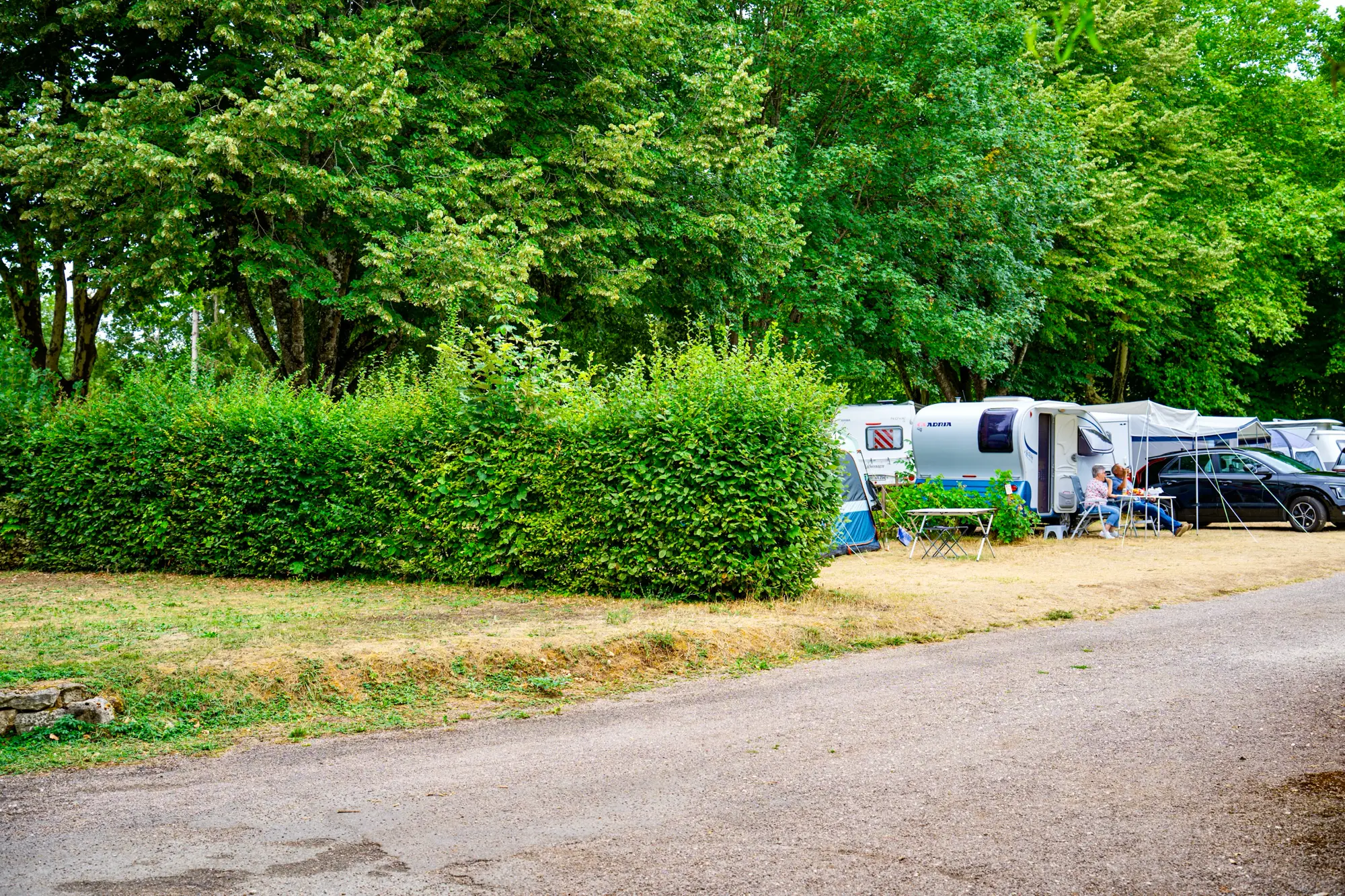
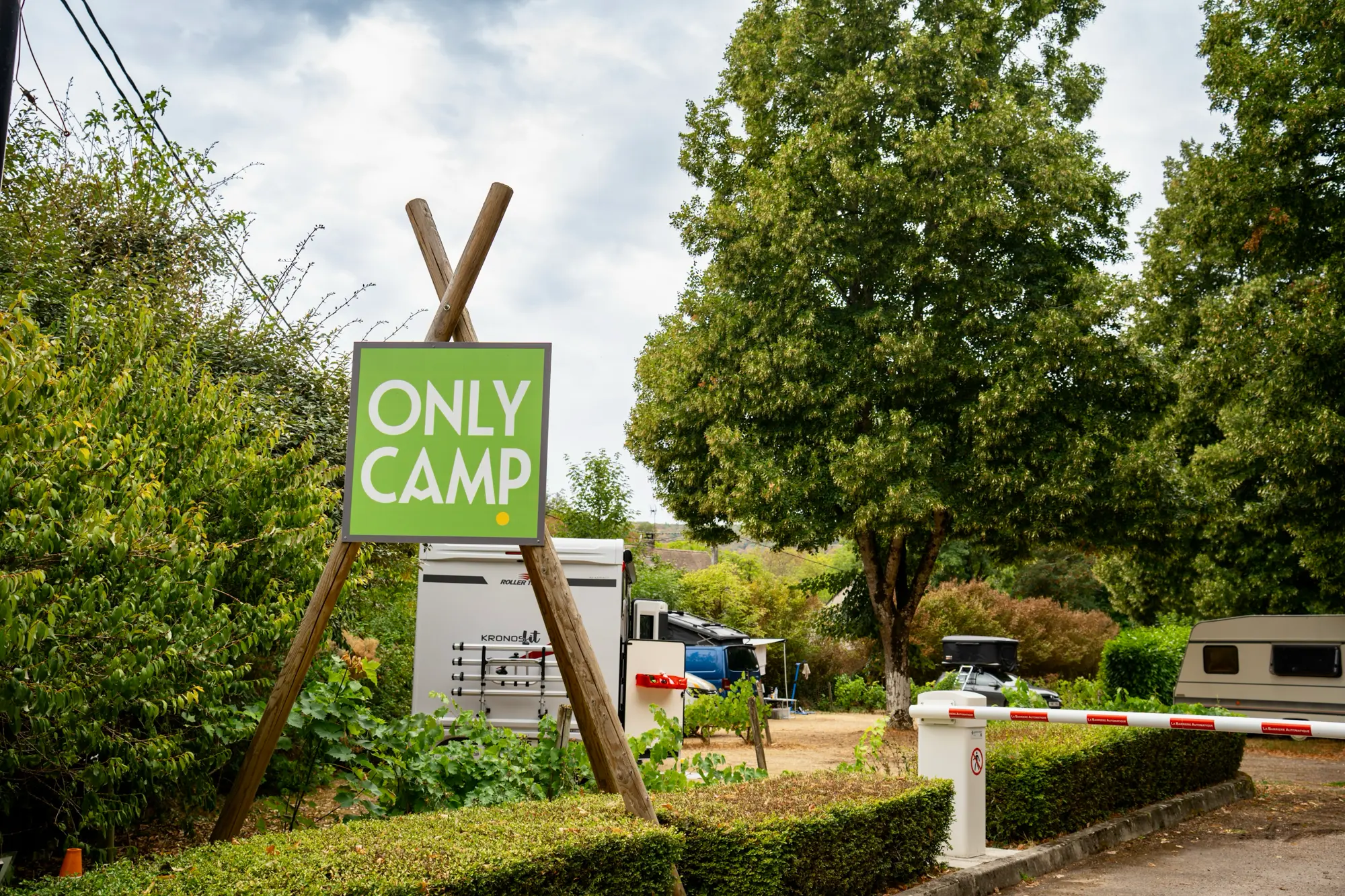
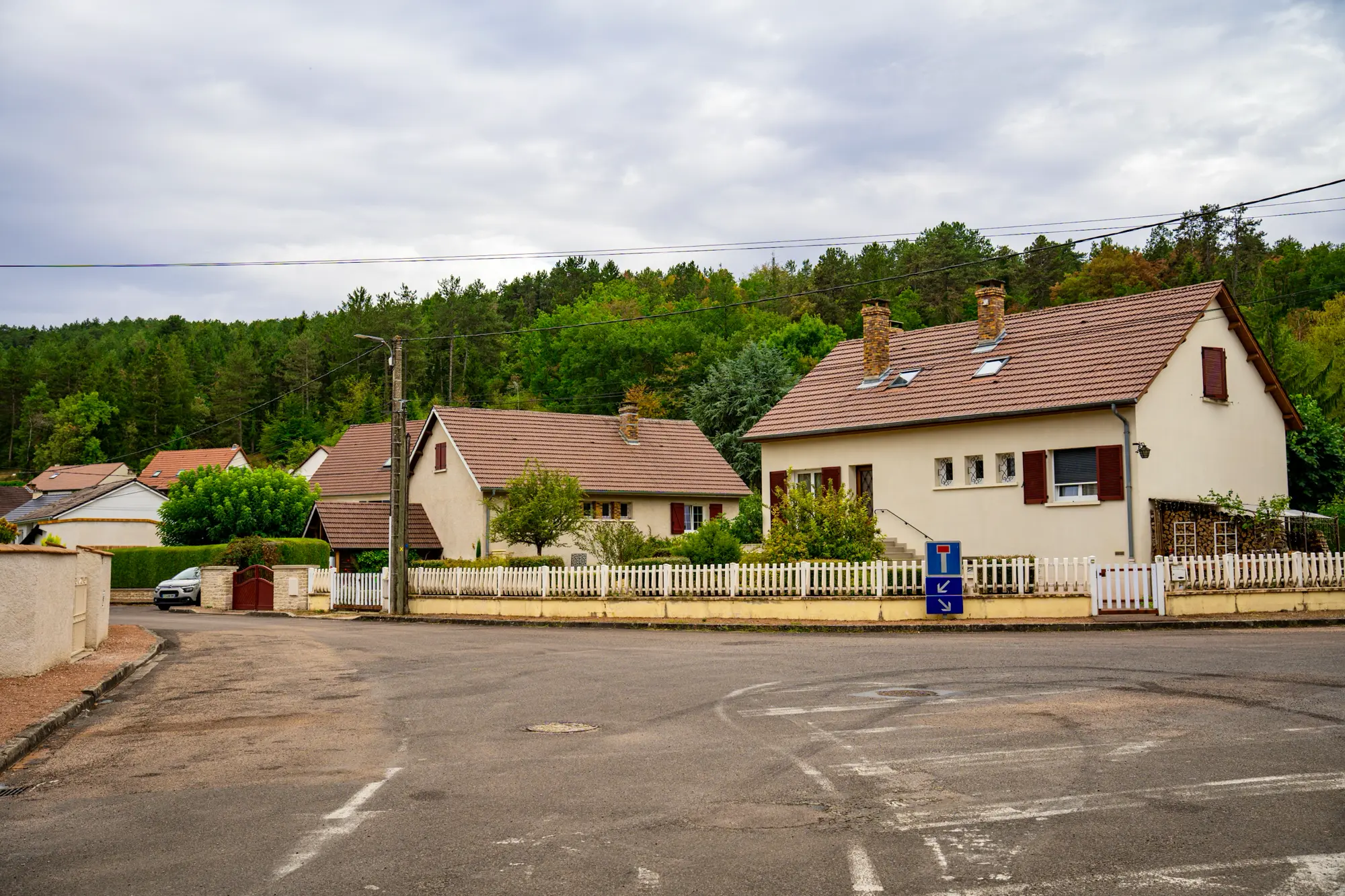
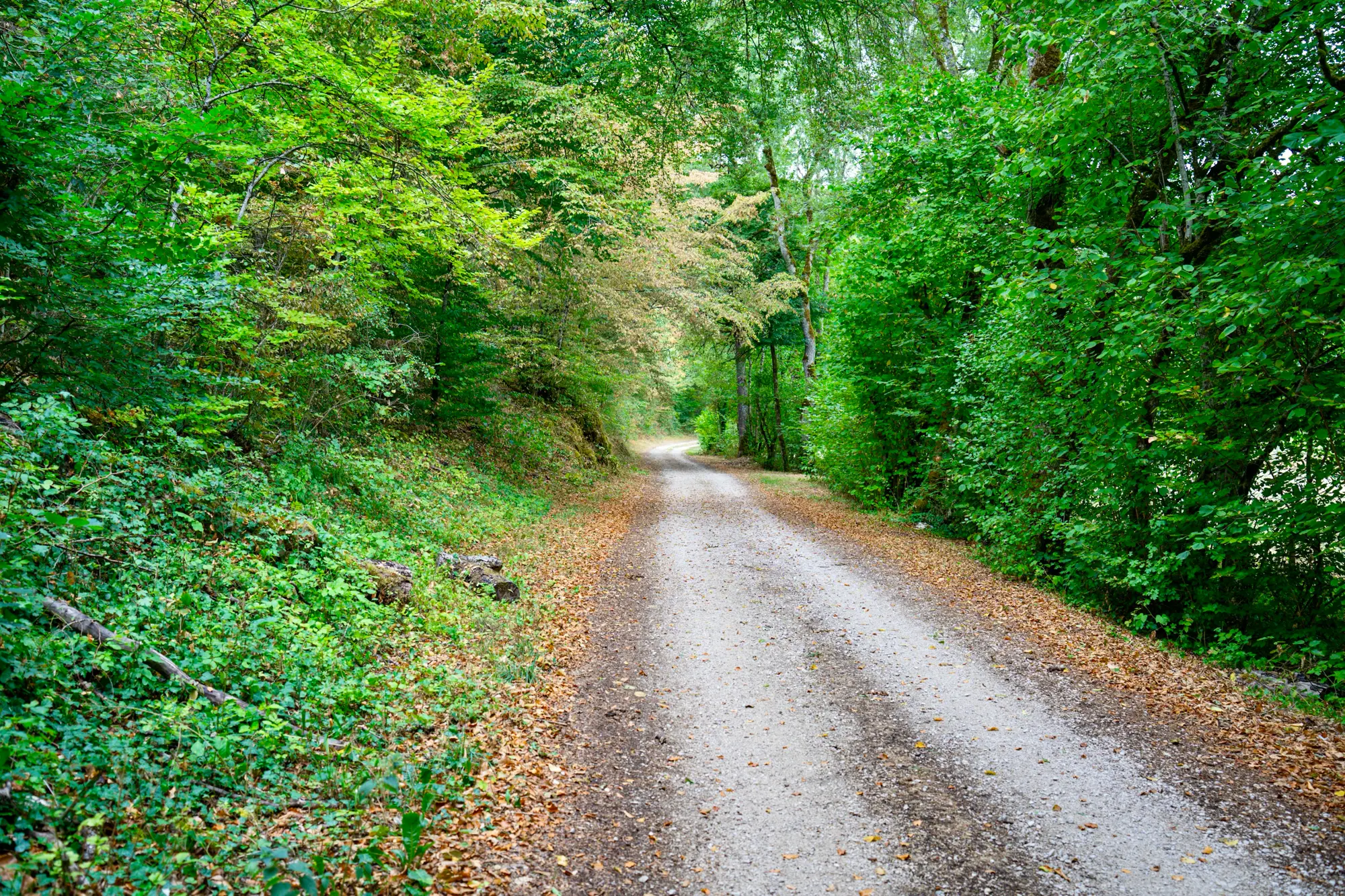
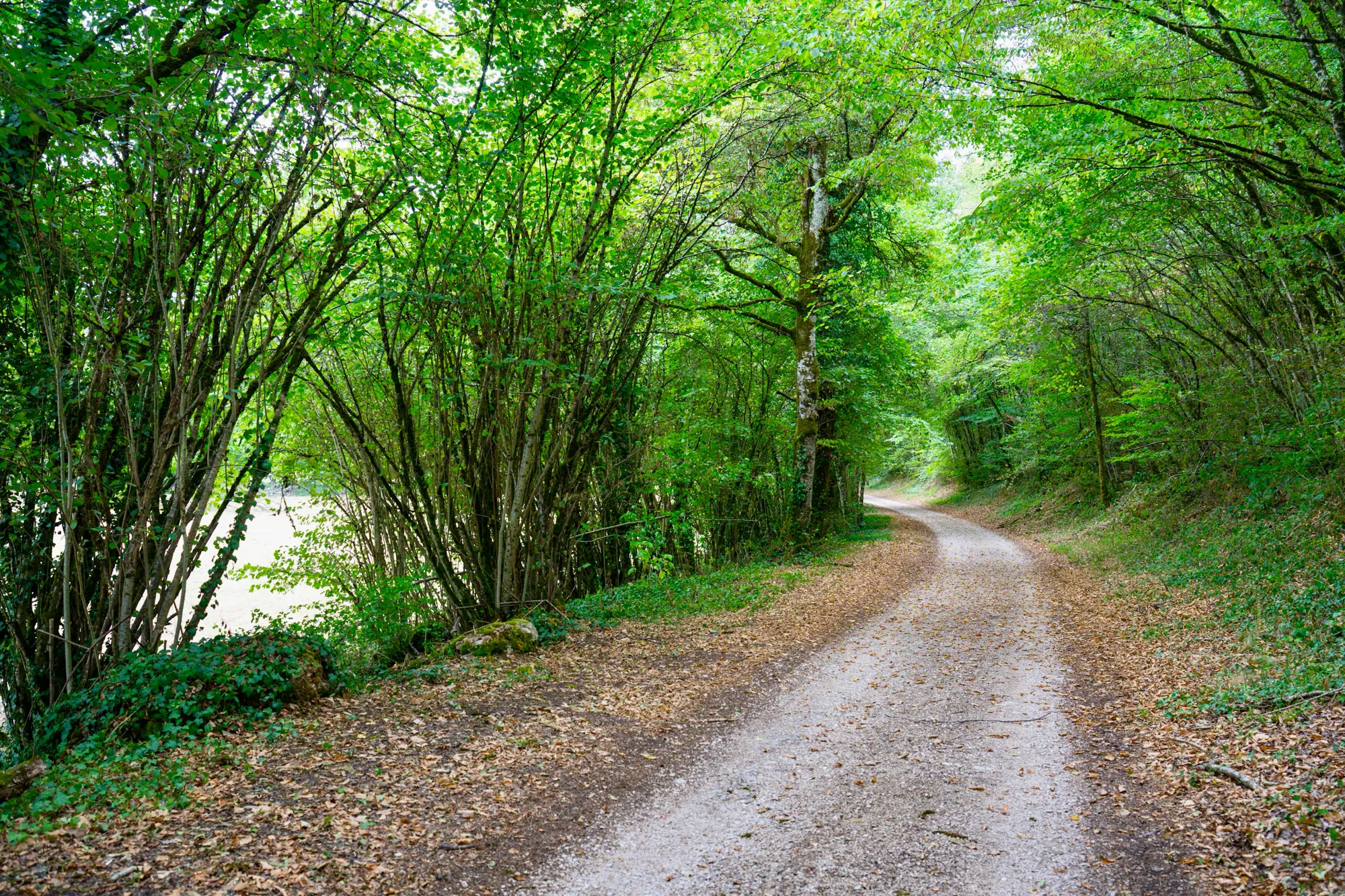
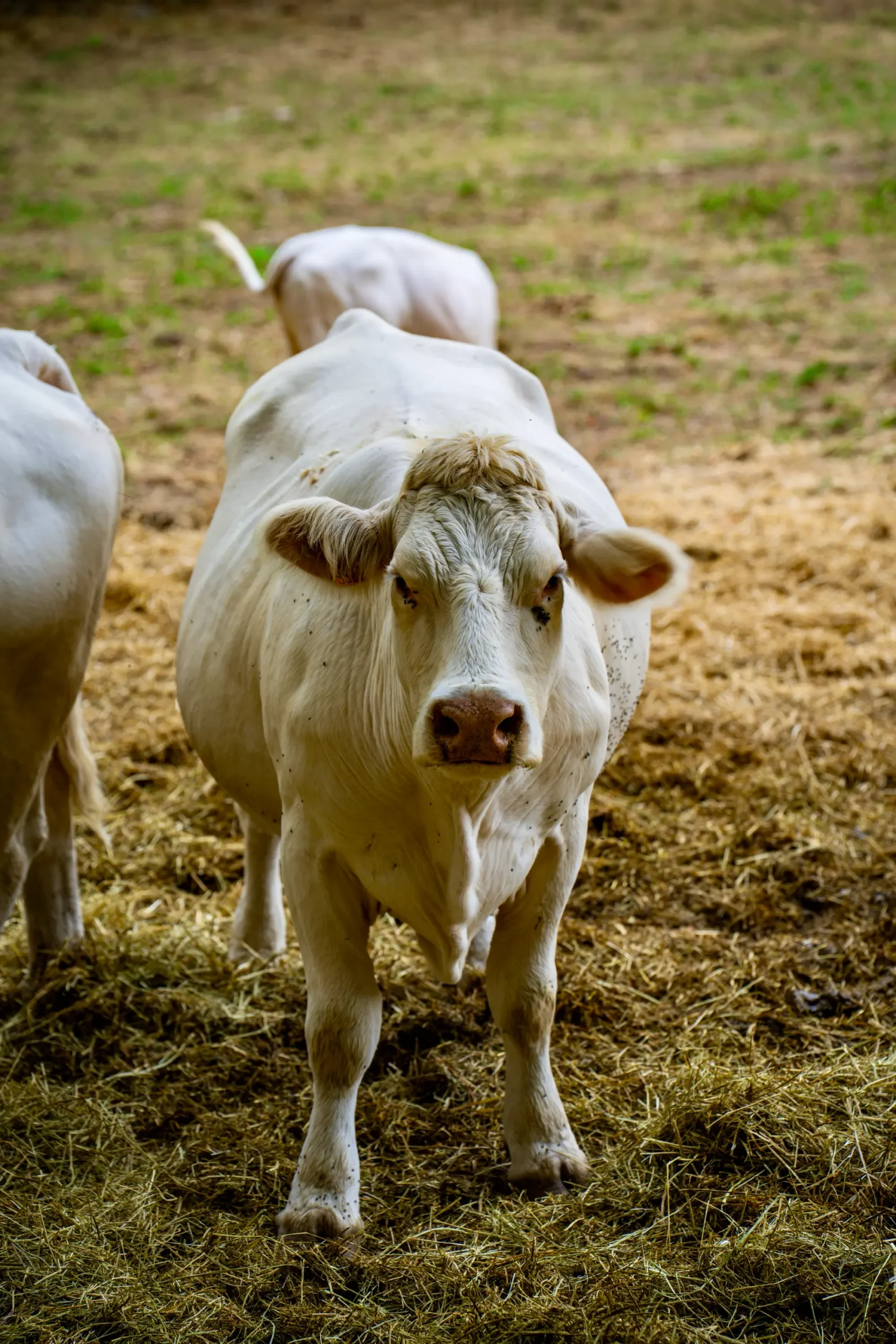
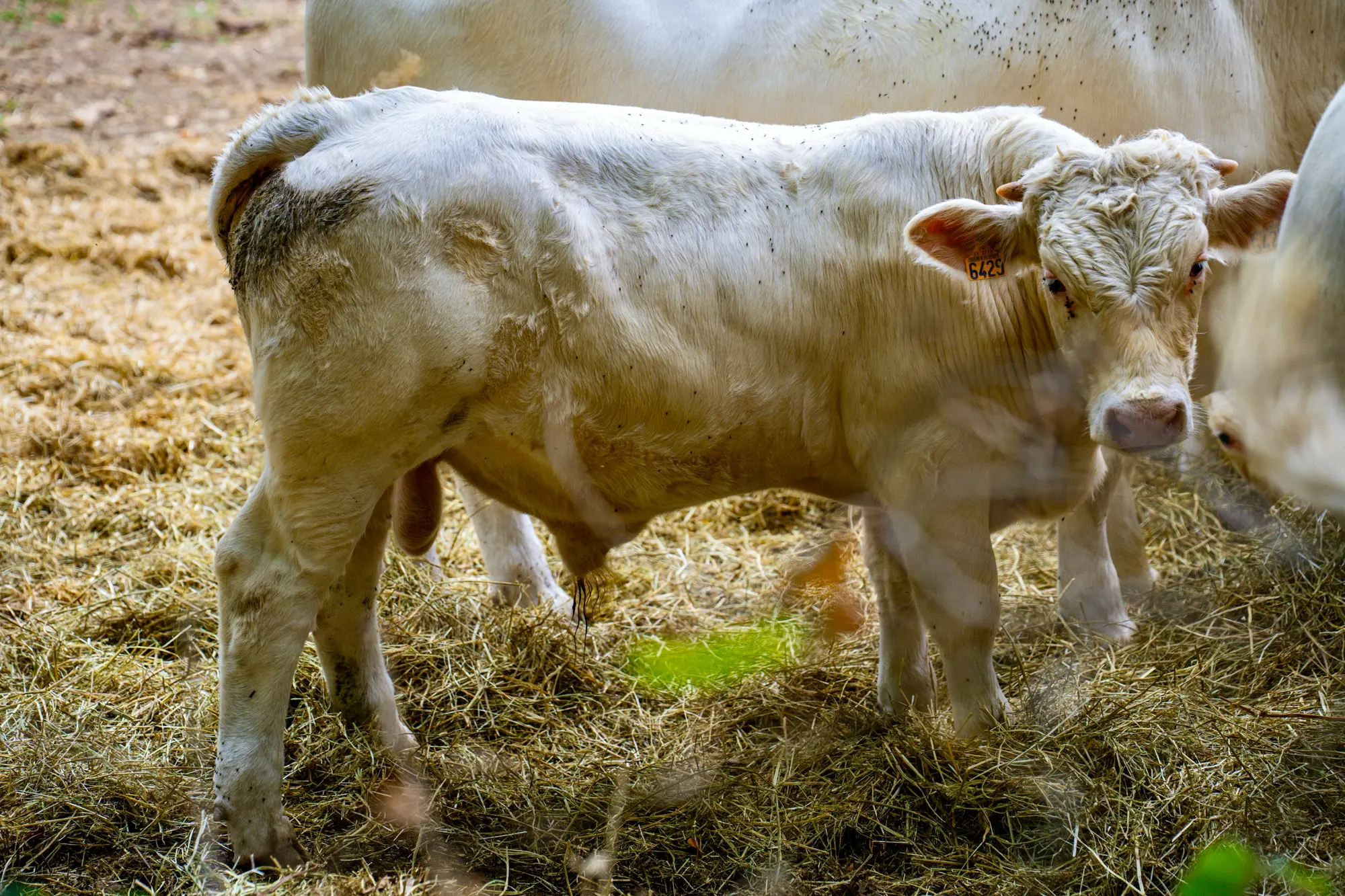
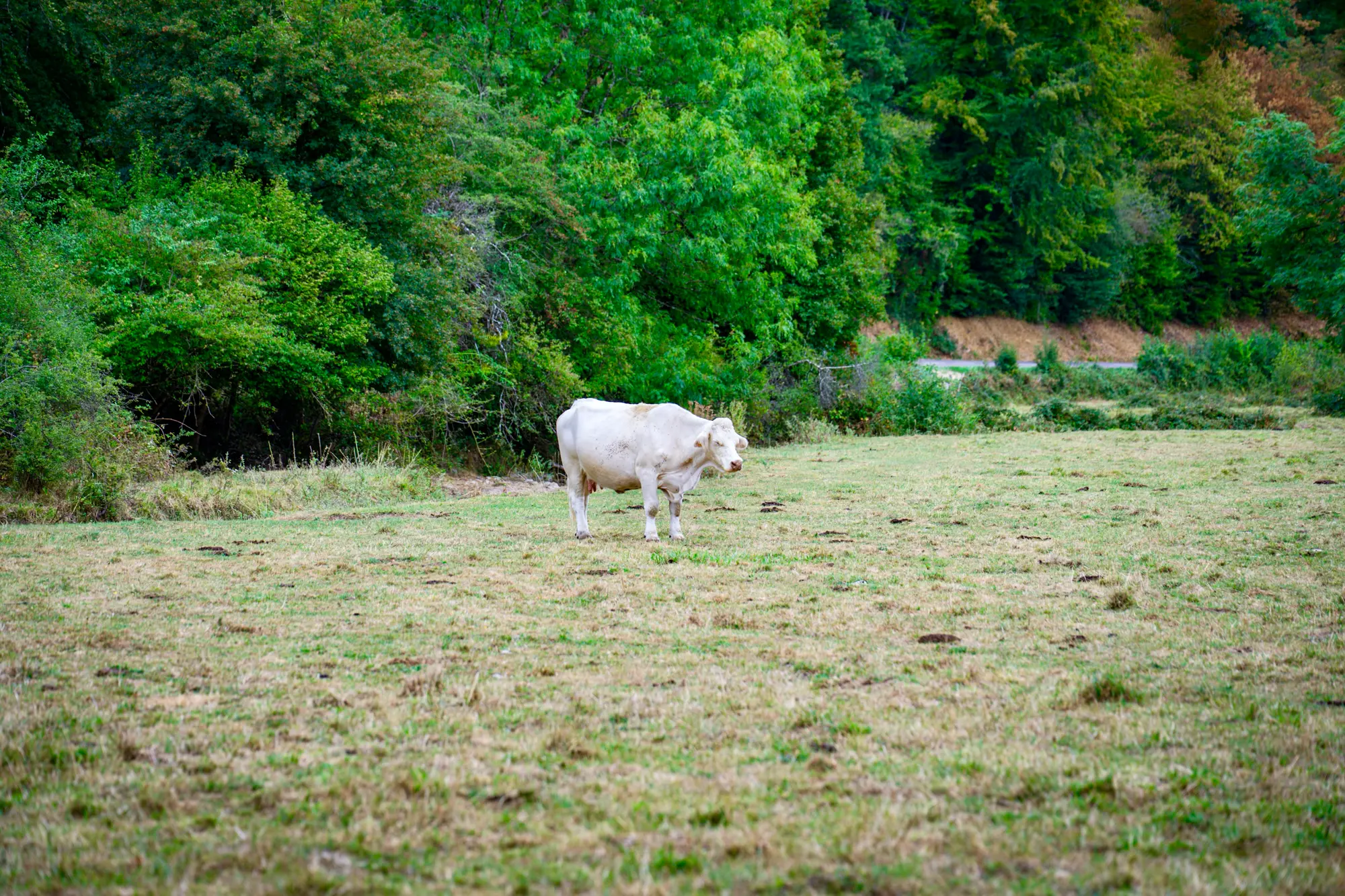
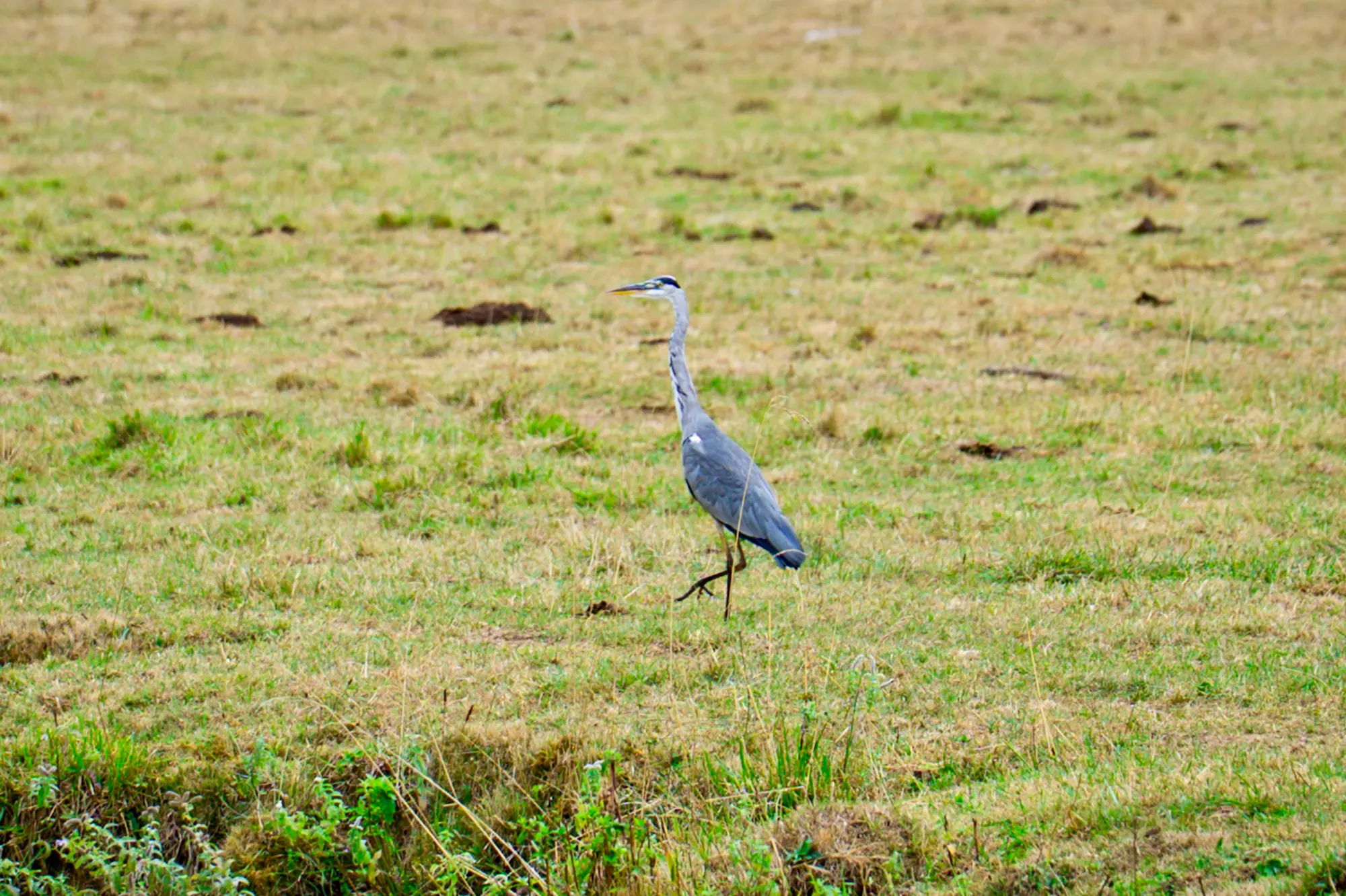
The drive down to Beaune was wonderfully straightforward. Rooster and Cola made a couple of strategic charging stops, while TT&DD hunted down vital provisions at a local supermarket. In a stroke of pure vehicular wizardry, both teams arrived at the campsite at the exact same moment. Small site, pitches directly opposite each other—absolute perfection.
Lunch was a holy trinity of French cheese, cured meats, and crusty bread, washed down with a couple of beers because, frankly, hydration is key. A leisurely stroll helped us walk off the feast, followed swiftly by sundowners and a generous splash of Pimm’s. Mmmmmmm.
We had grand plans for home-cooked steaks, but exhaustion won, so the ladies picked up emergency pizzas. We promptly solved most of the world’s major geopolitical crises over dinner before crashing hard. Bring on tomorrow’s exploring!
Day 3: Chasing Cars and Overpriced Wine
Culture, heavy carb-loading, and a slightly steep financial lesson in French wine pricing made for a thoroughly action-packed Wednesday in Beaune. We traded our driving shoes for walking boots, ready to uncover historic monuments, eccentric museums, and local market squares packed with lively characters and unexpected sights.
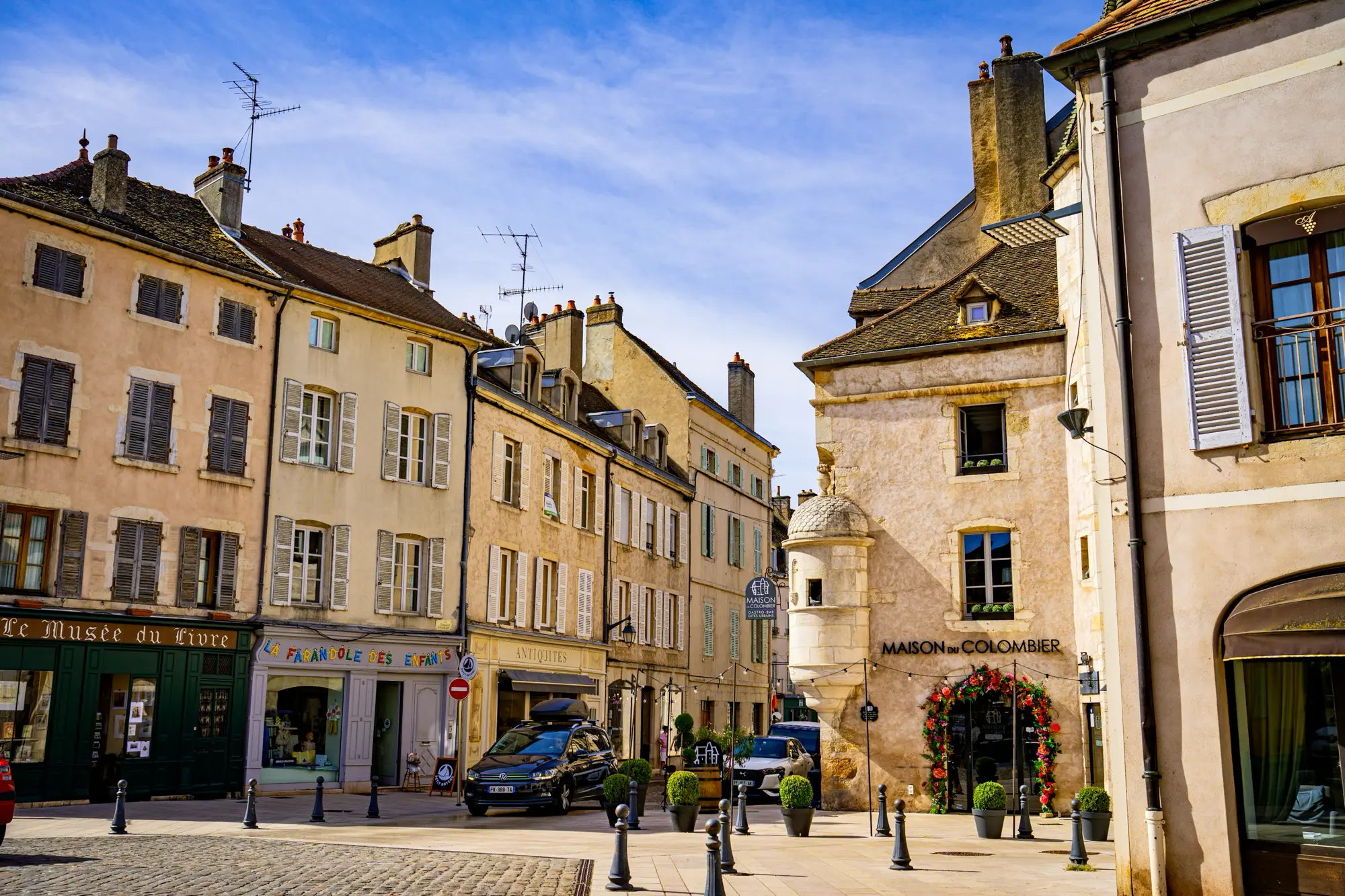
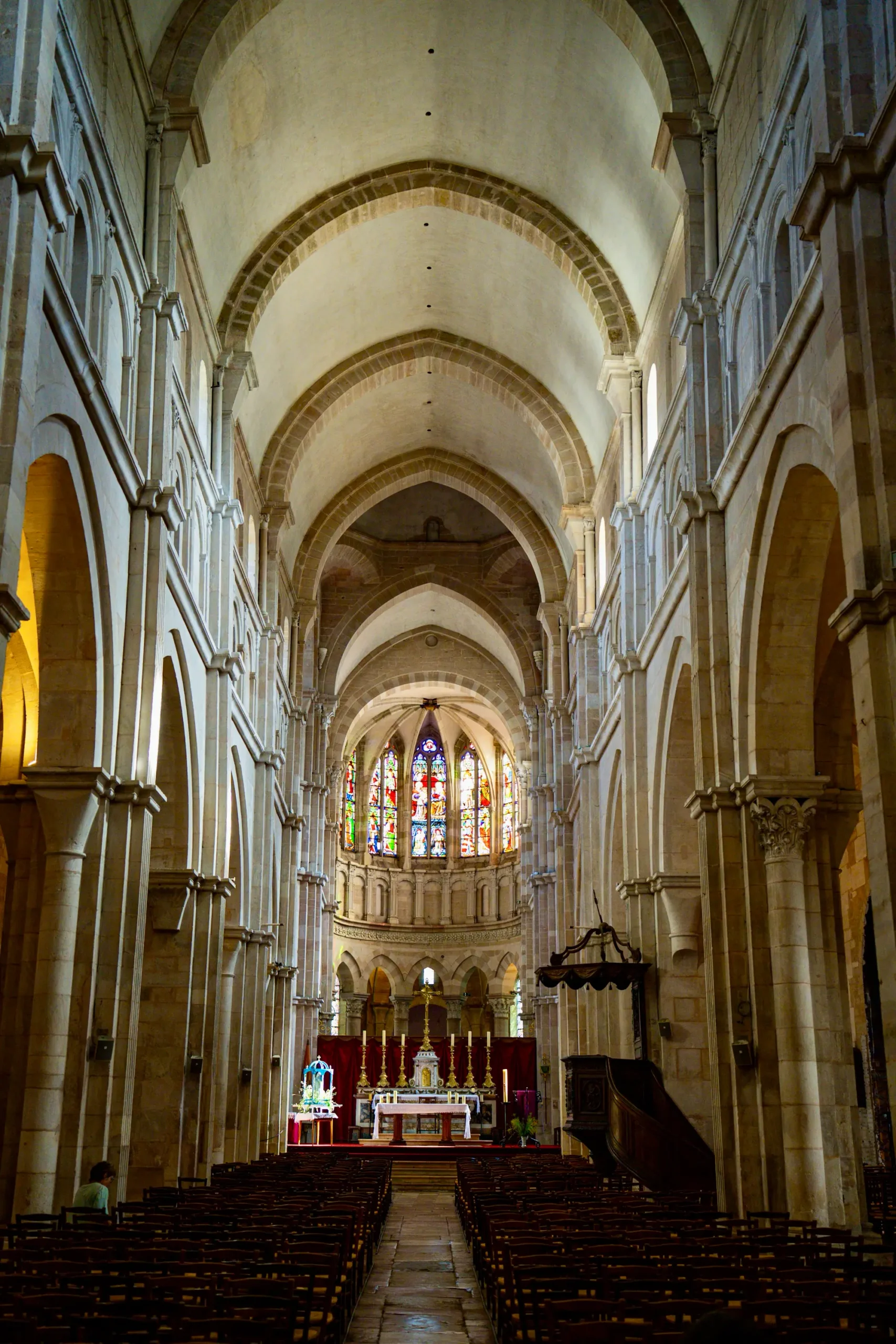
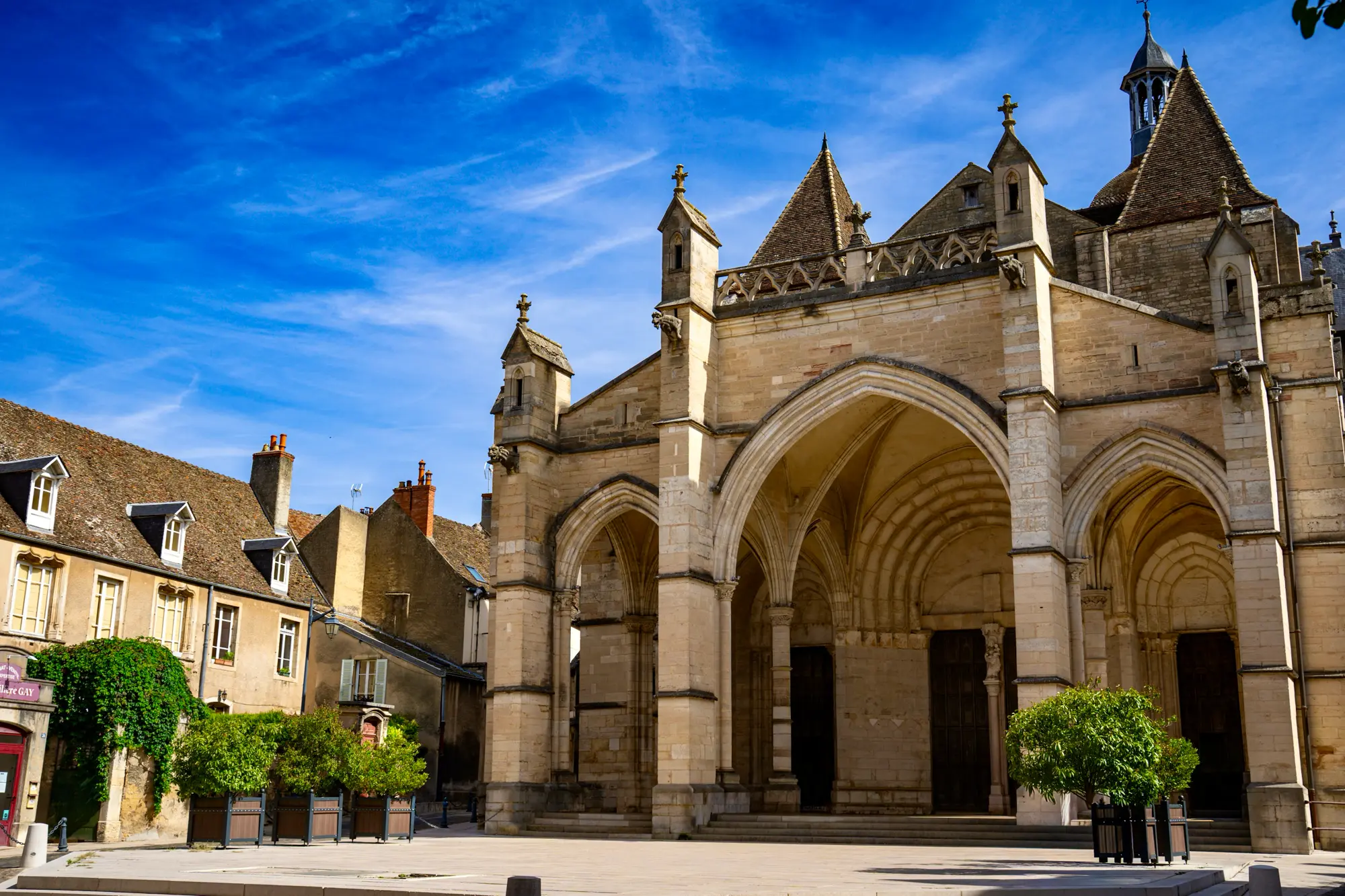
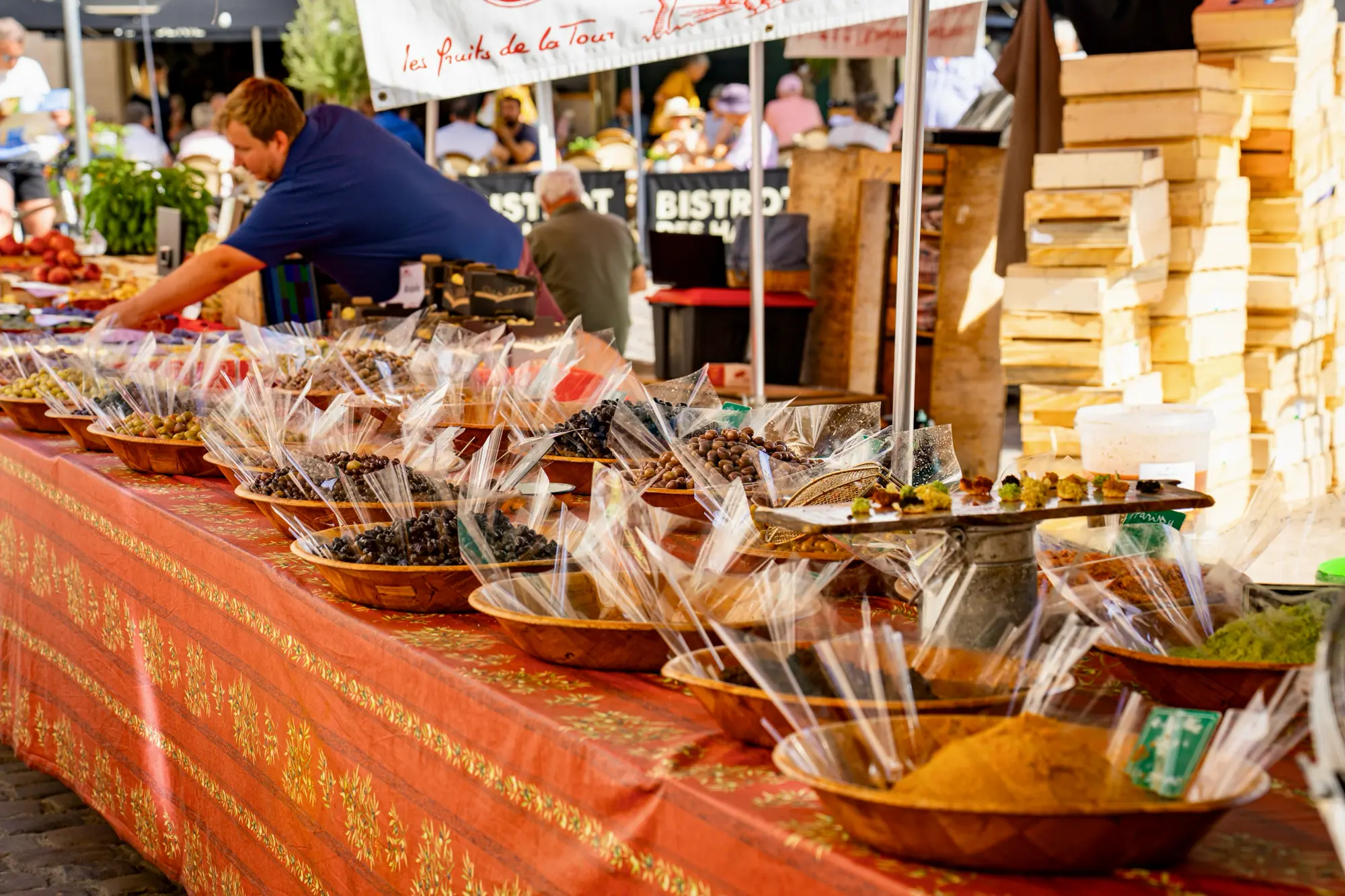
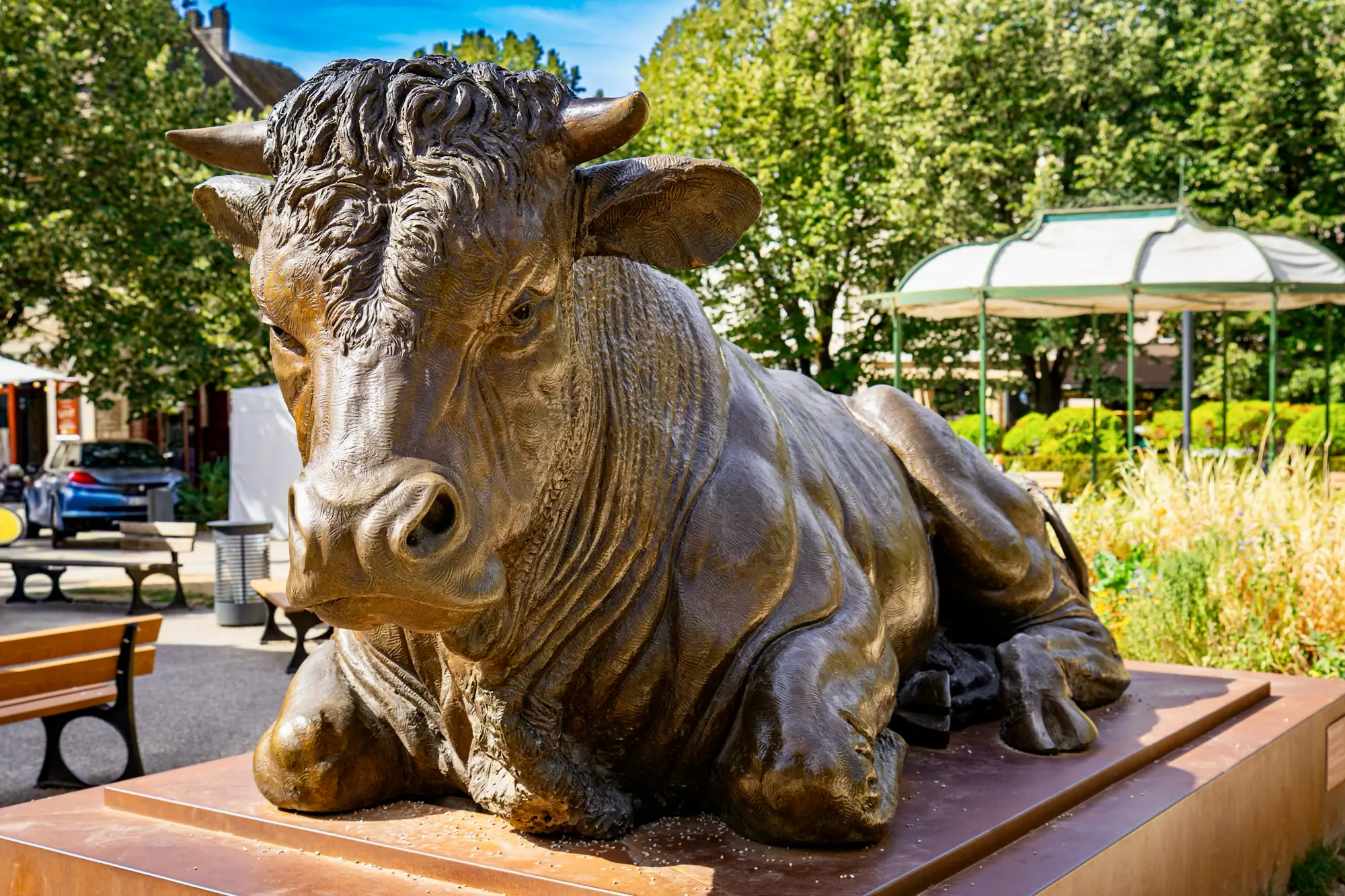
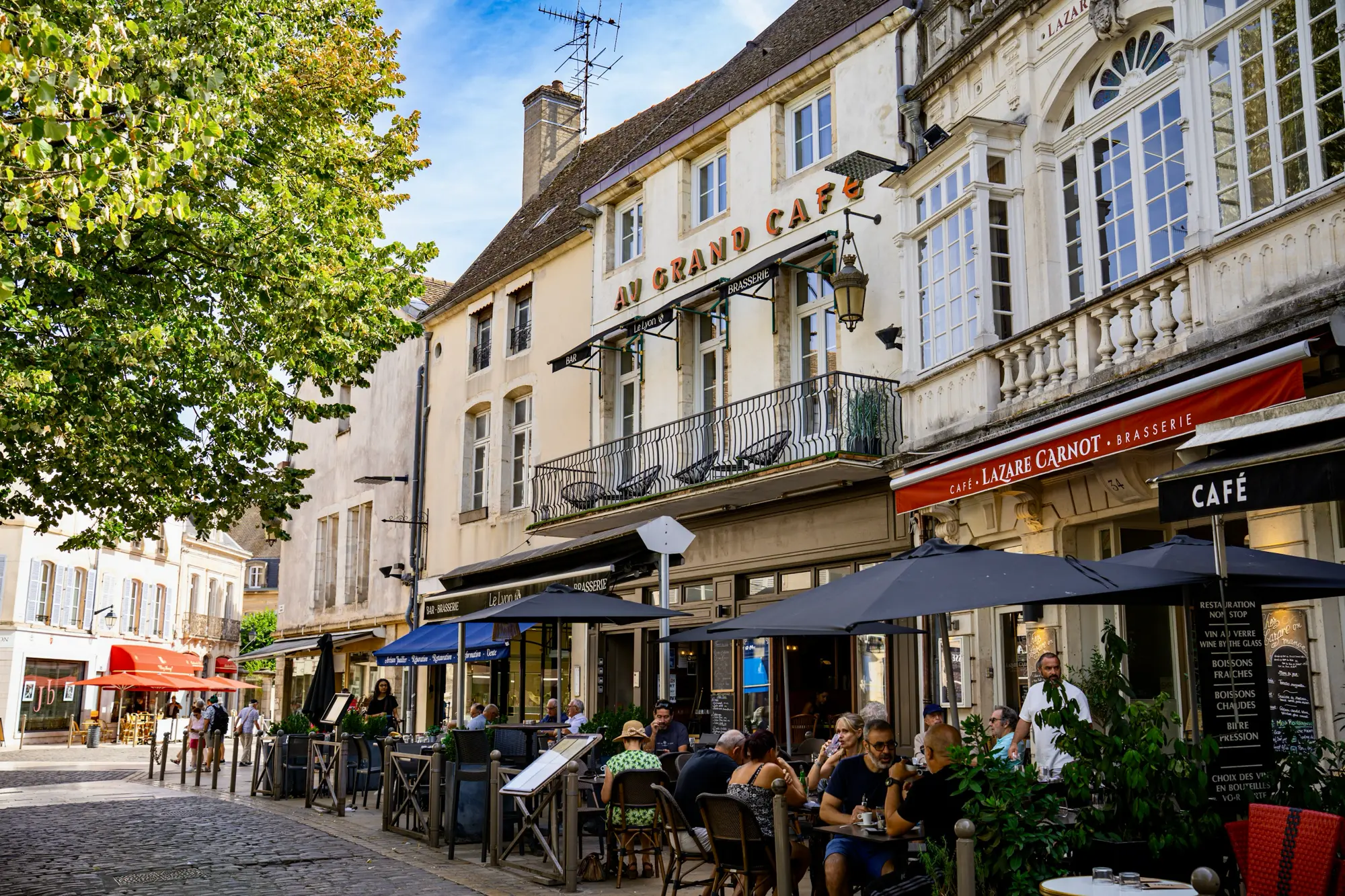
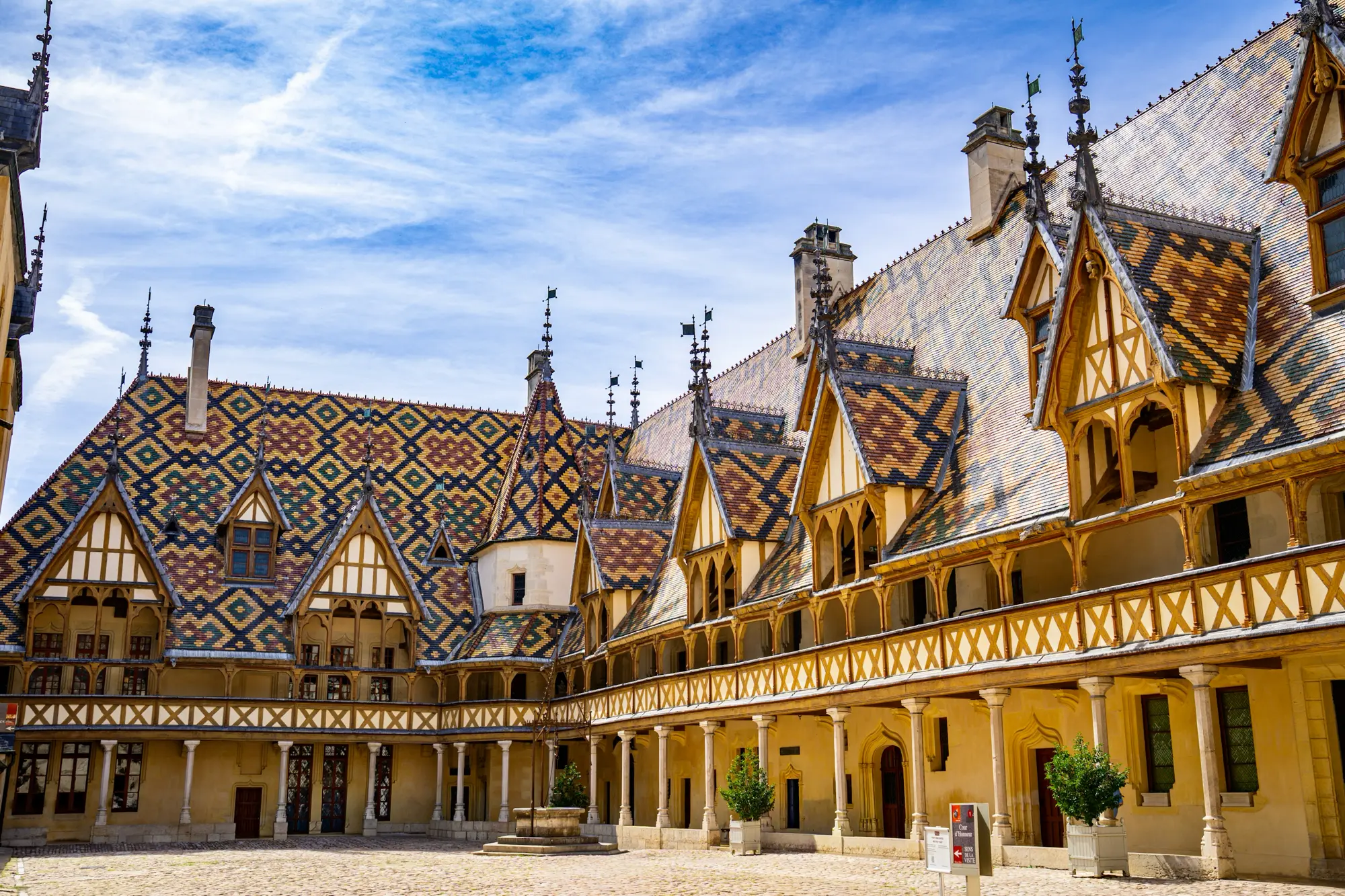
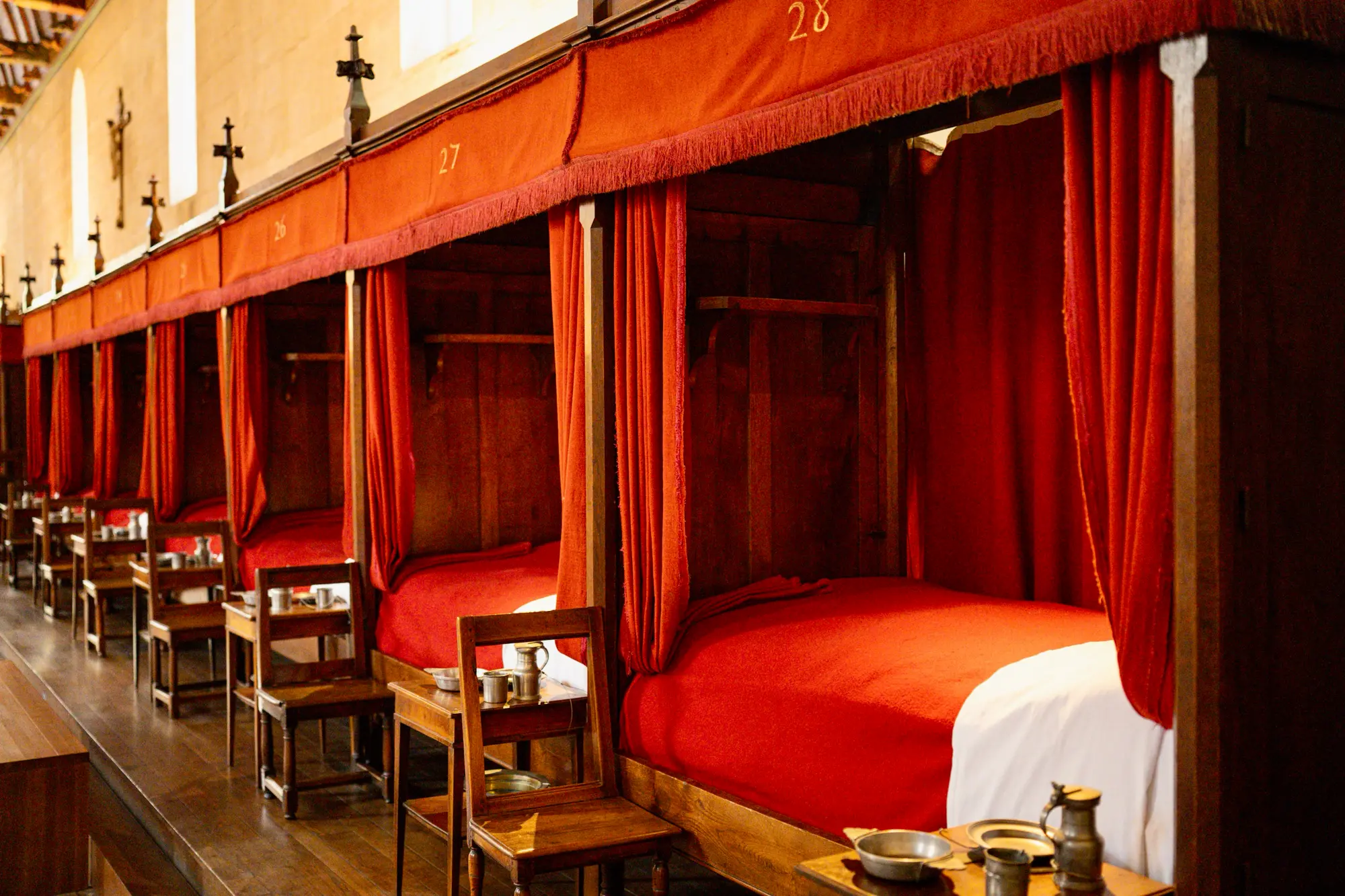
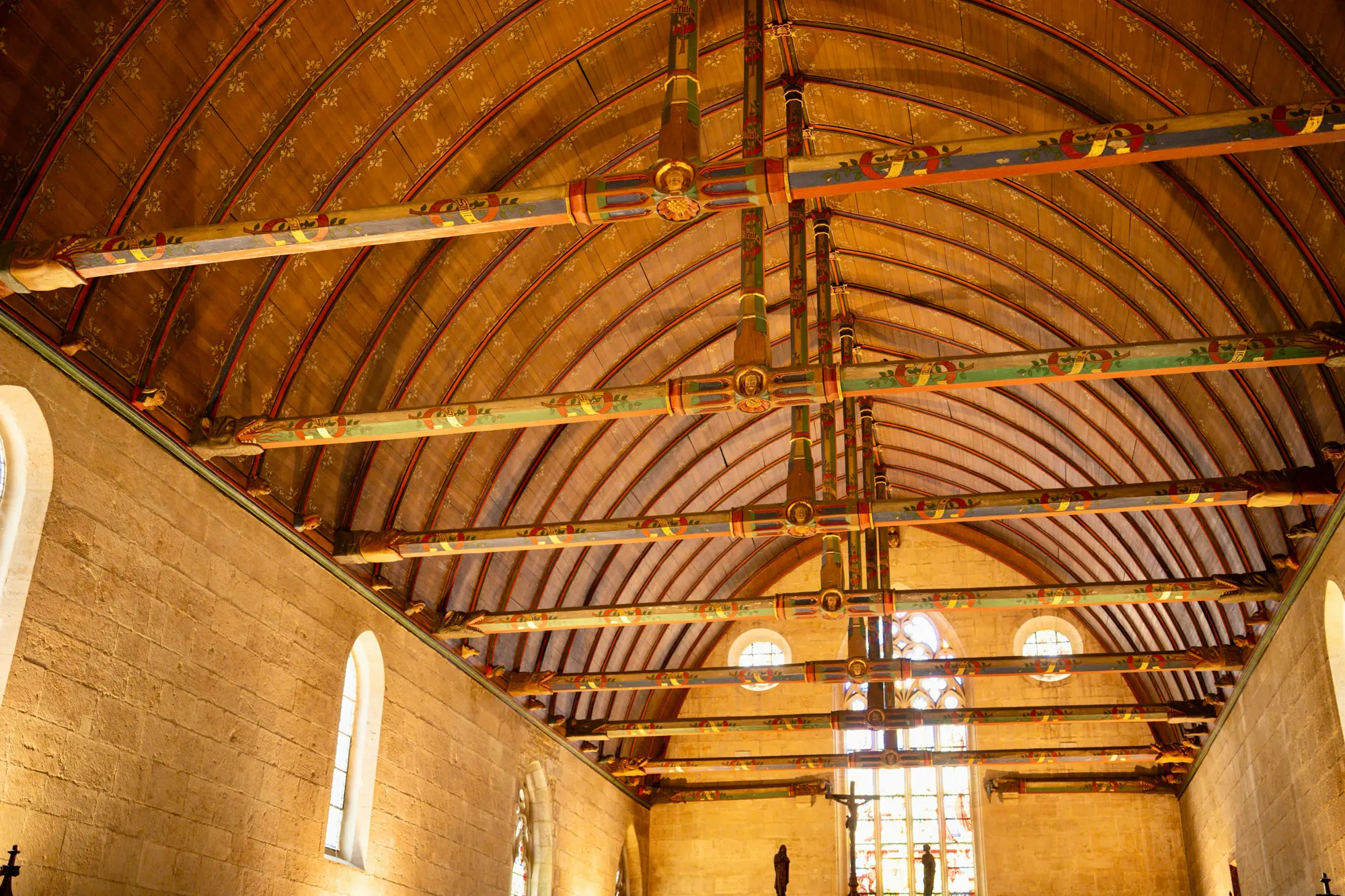
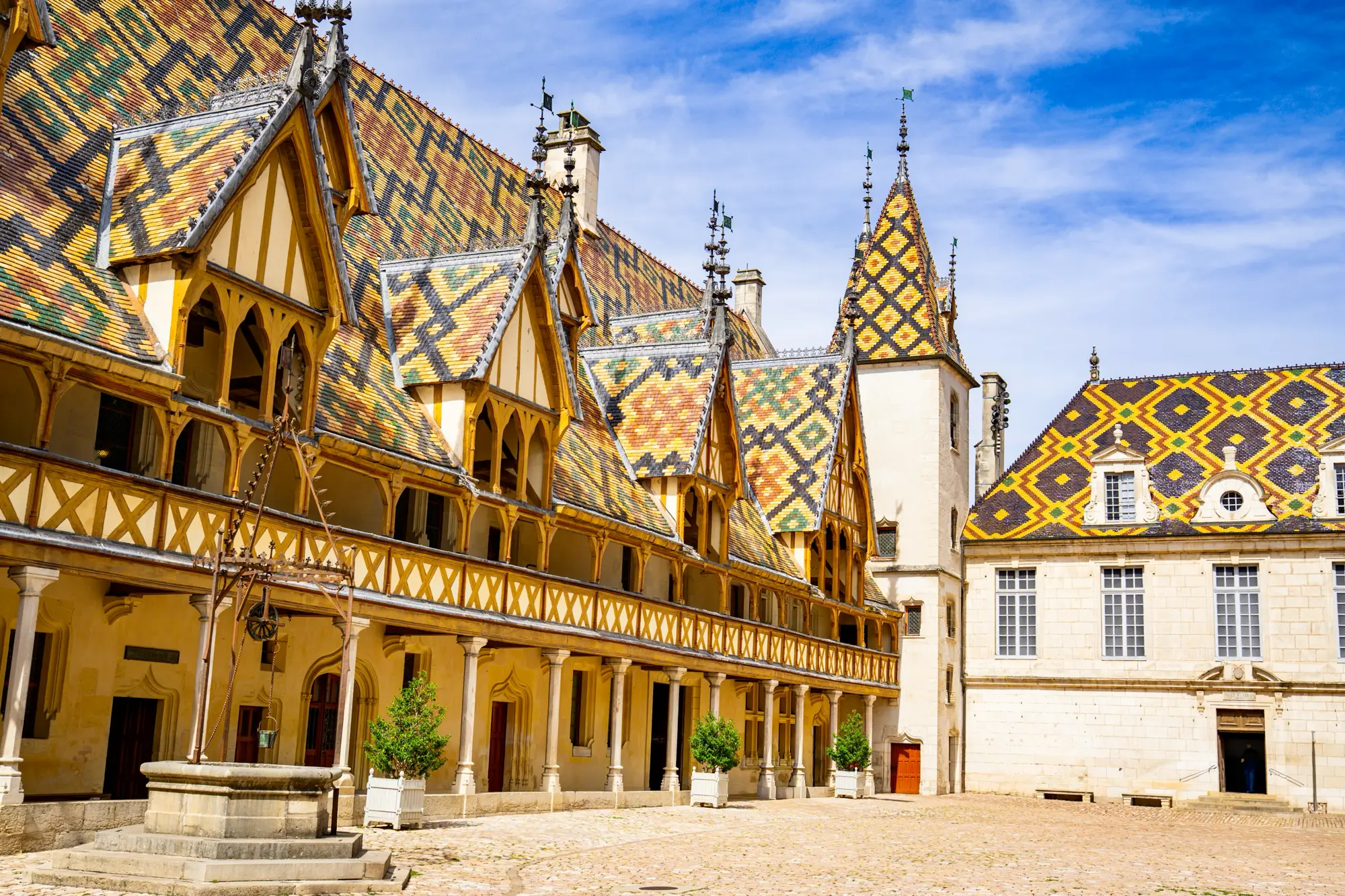
We kicked off the day exploring the local town, taking in the jaw-dropping Hospices Civils de Beaune and the Basilique Notre-Dame. Naturally, we opted for a classic park picnic featuring Cola’s legendary ham sandwiches, complete with market browsing and bull-watching in the town square.
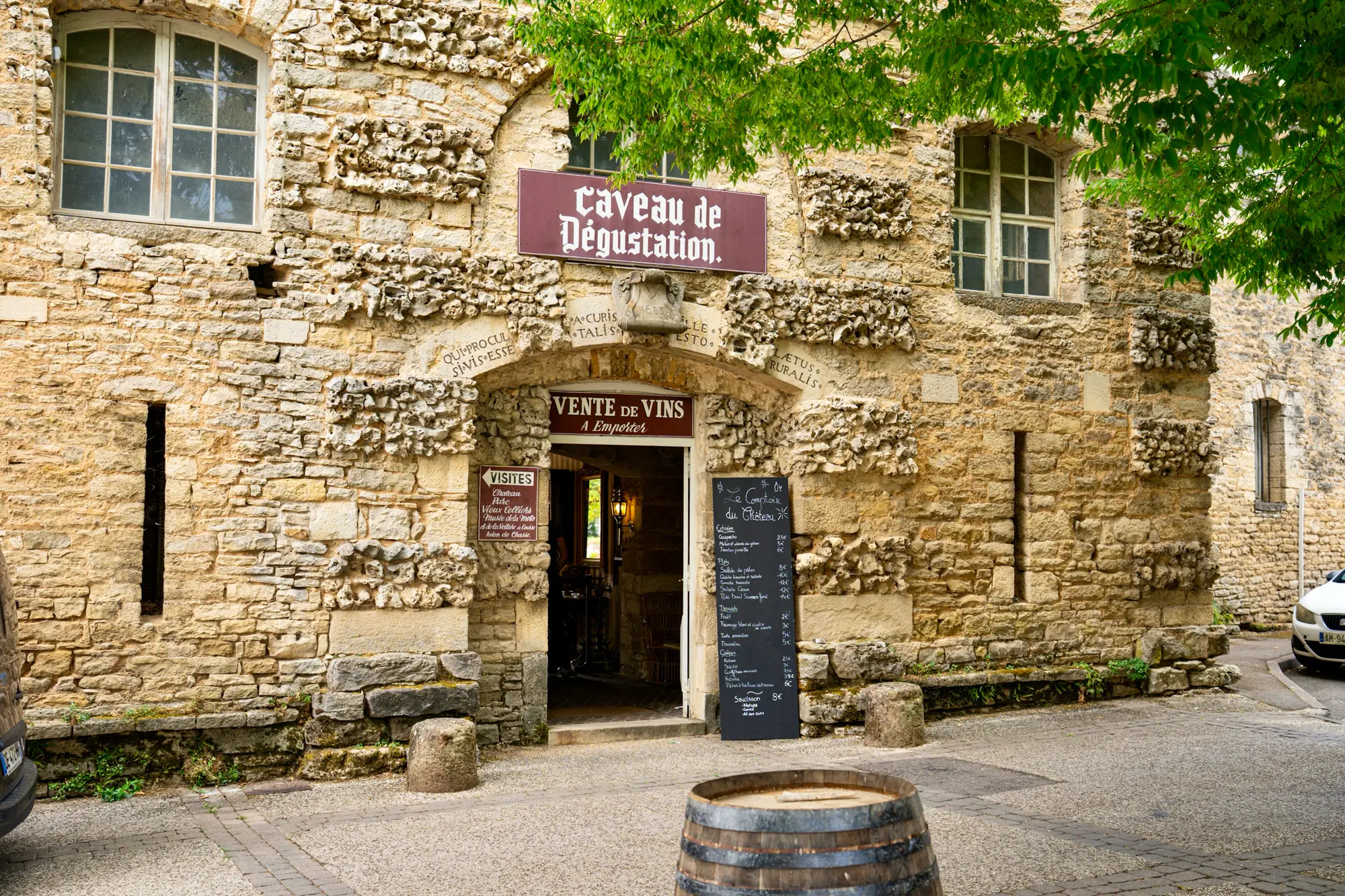
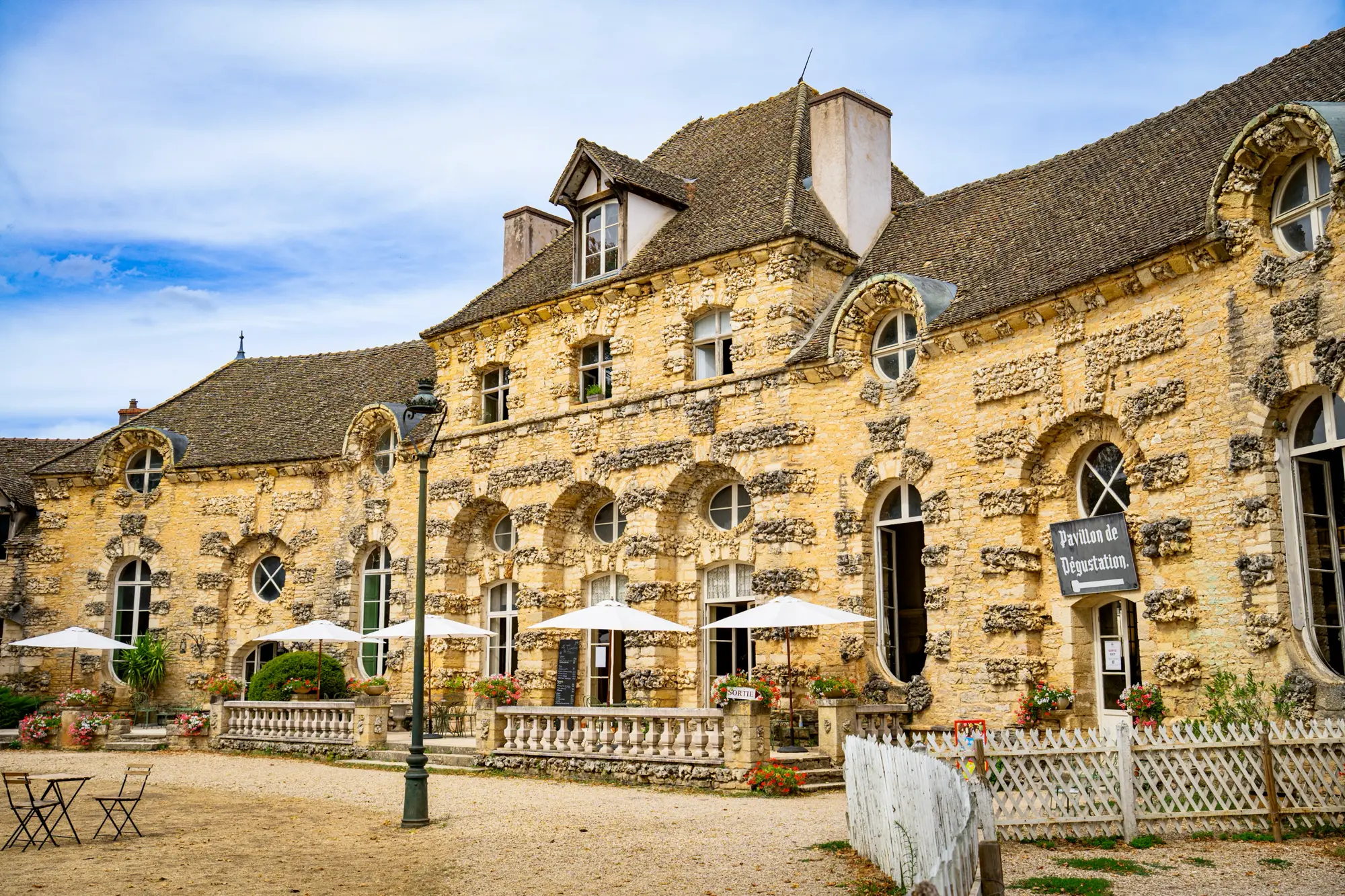
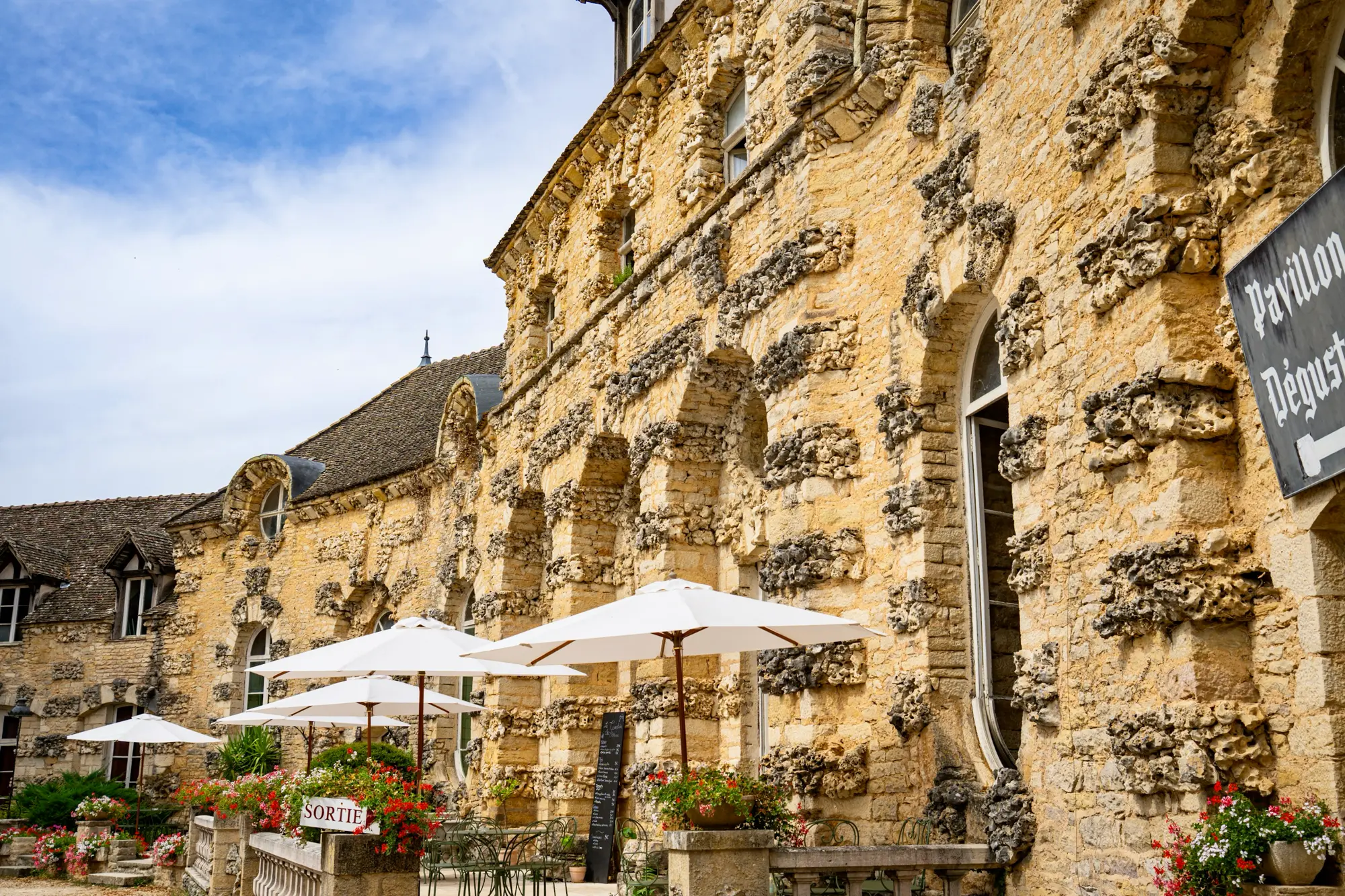
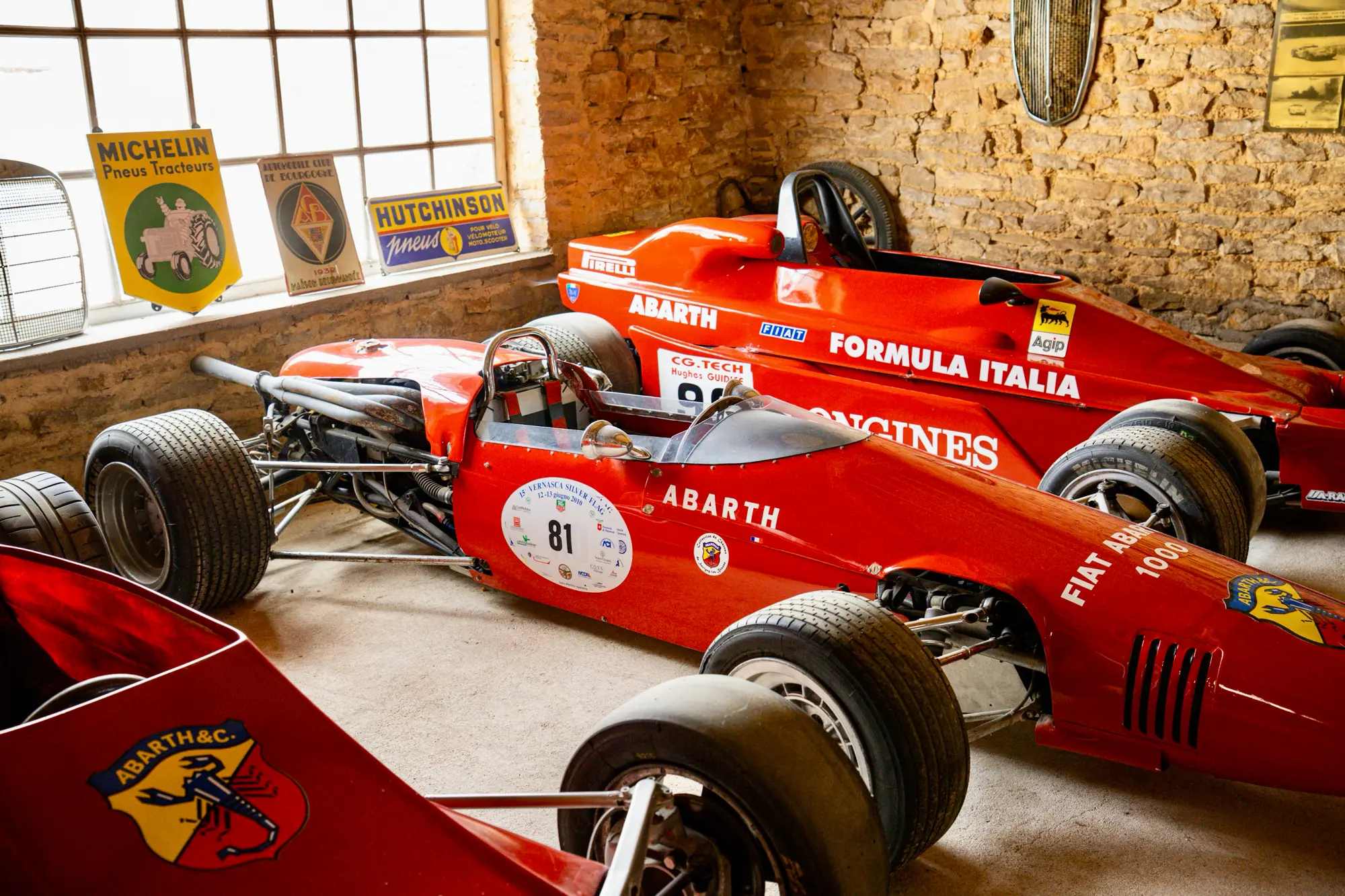
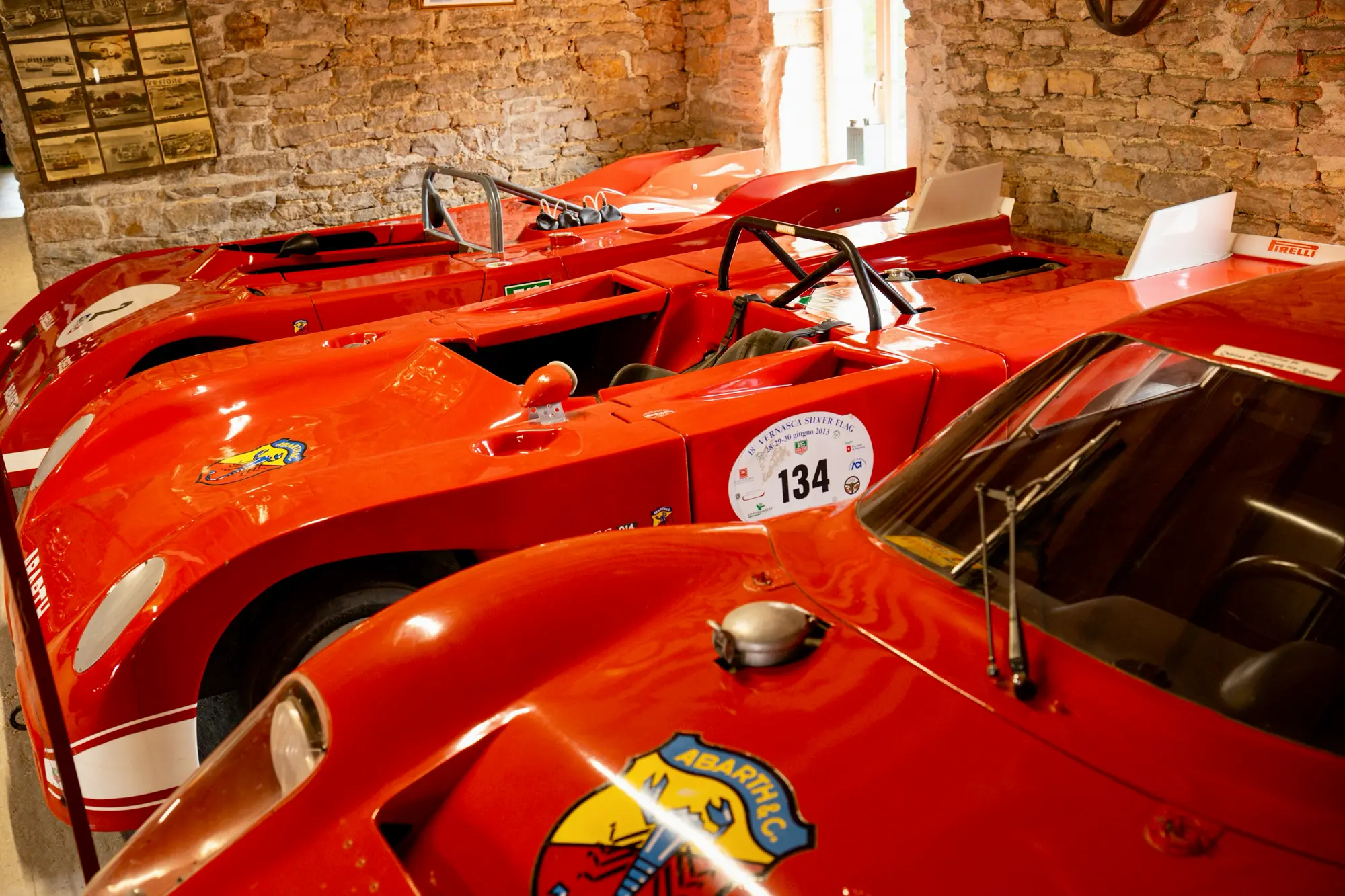
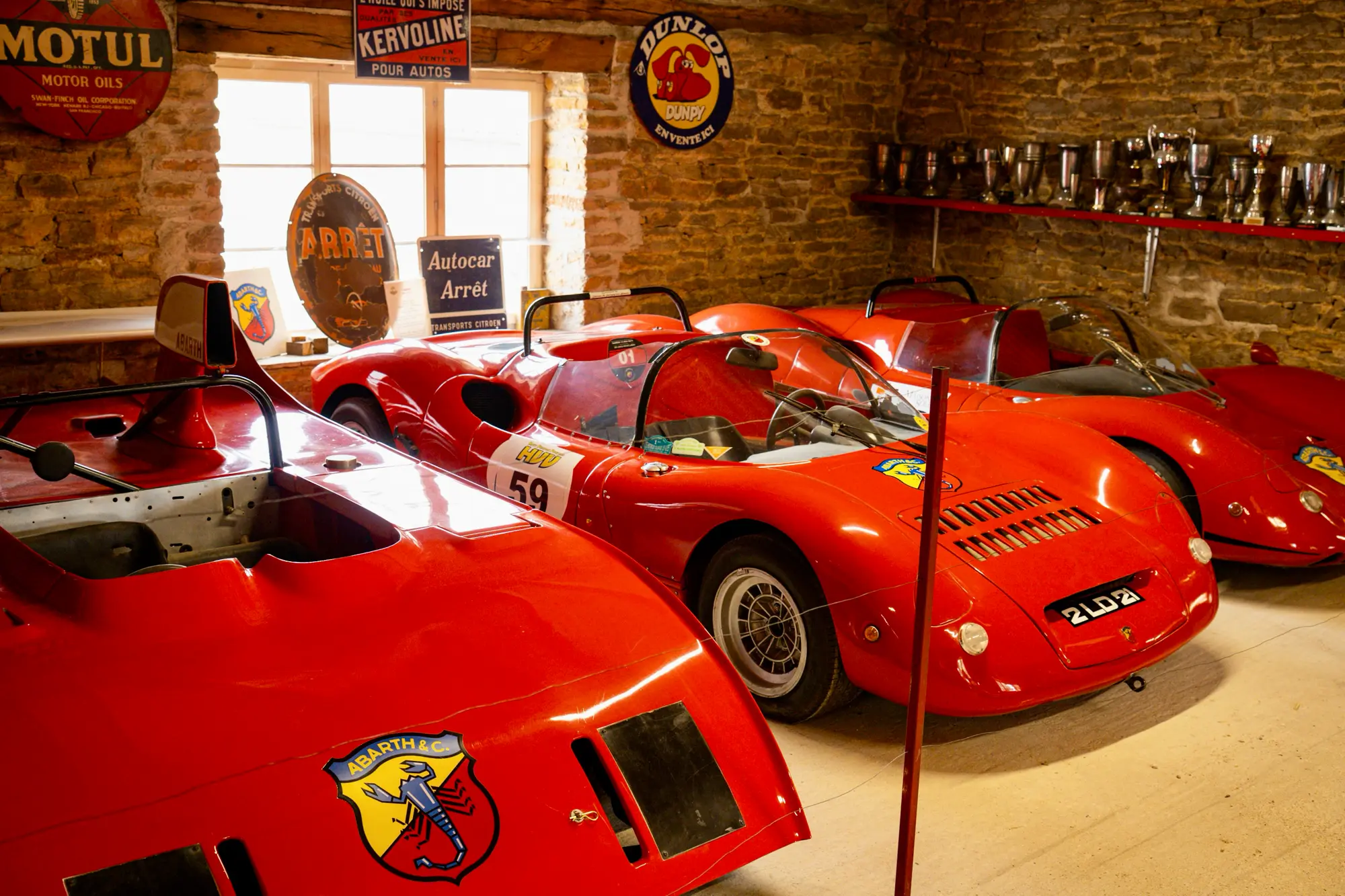
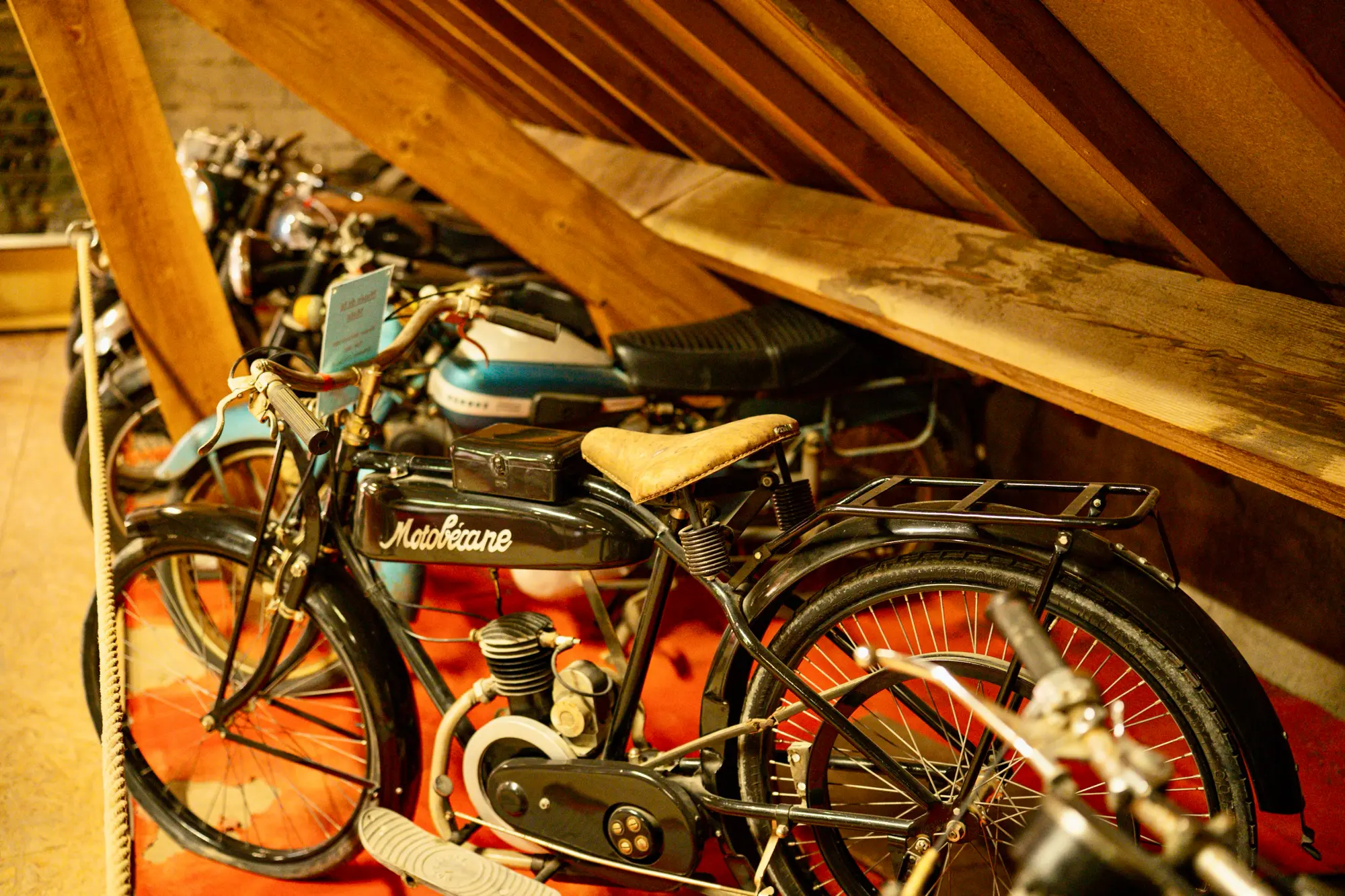
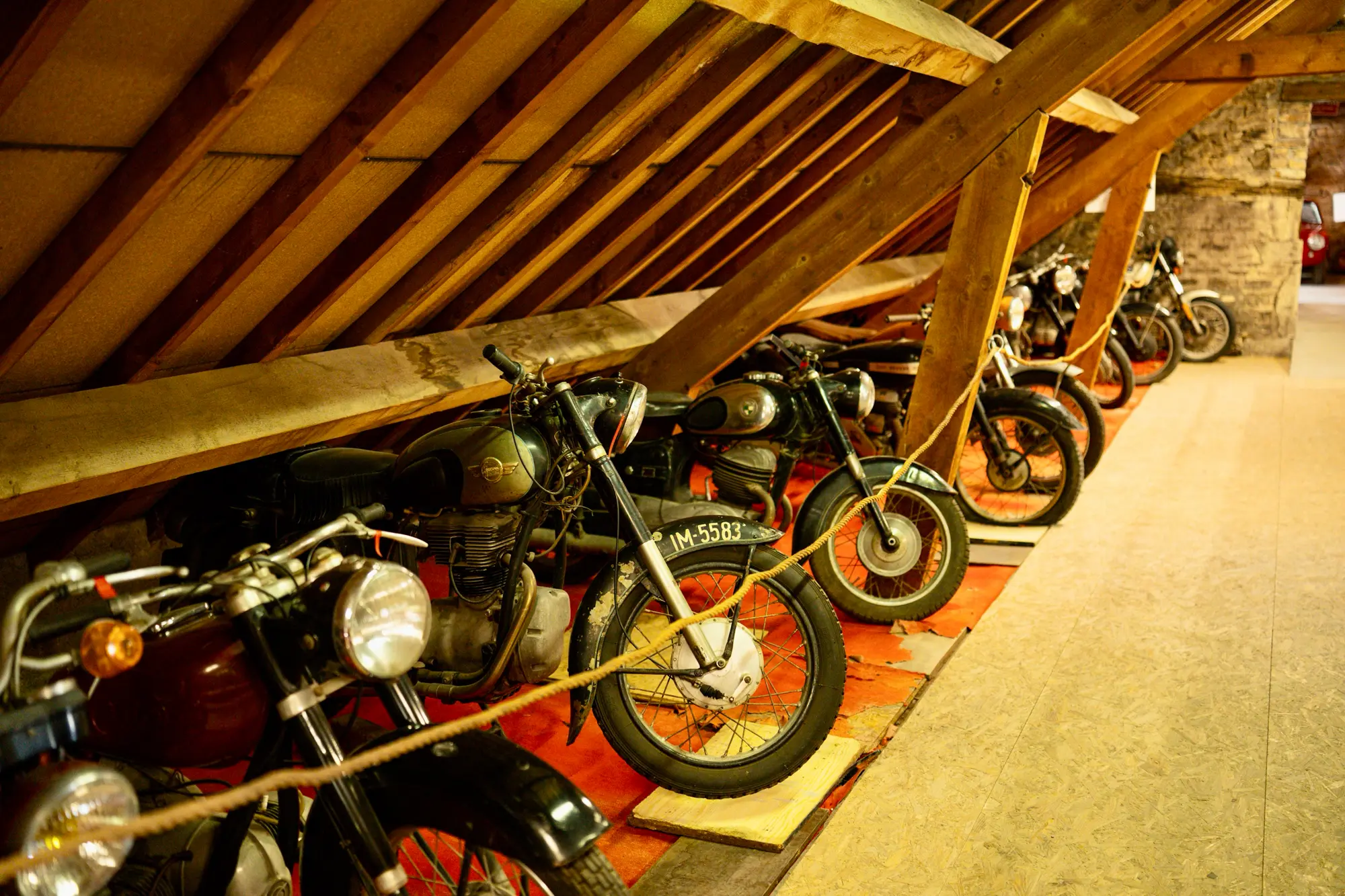
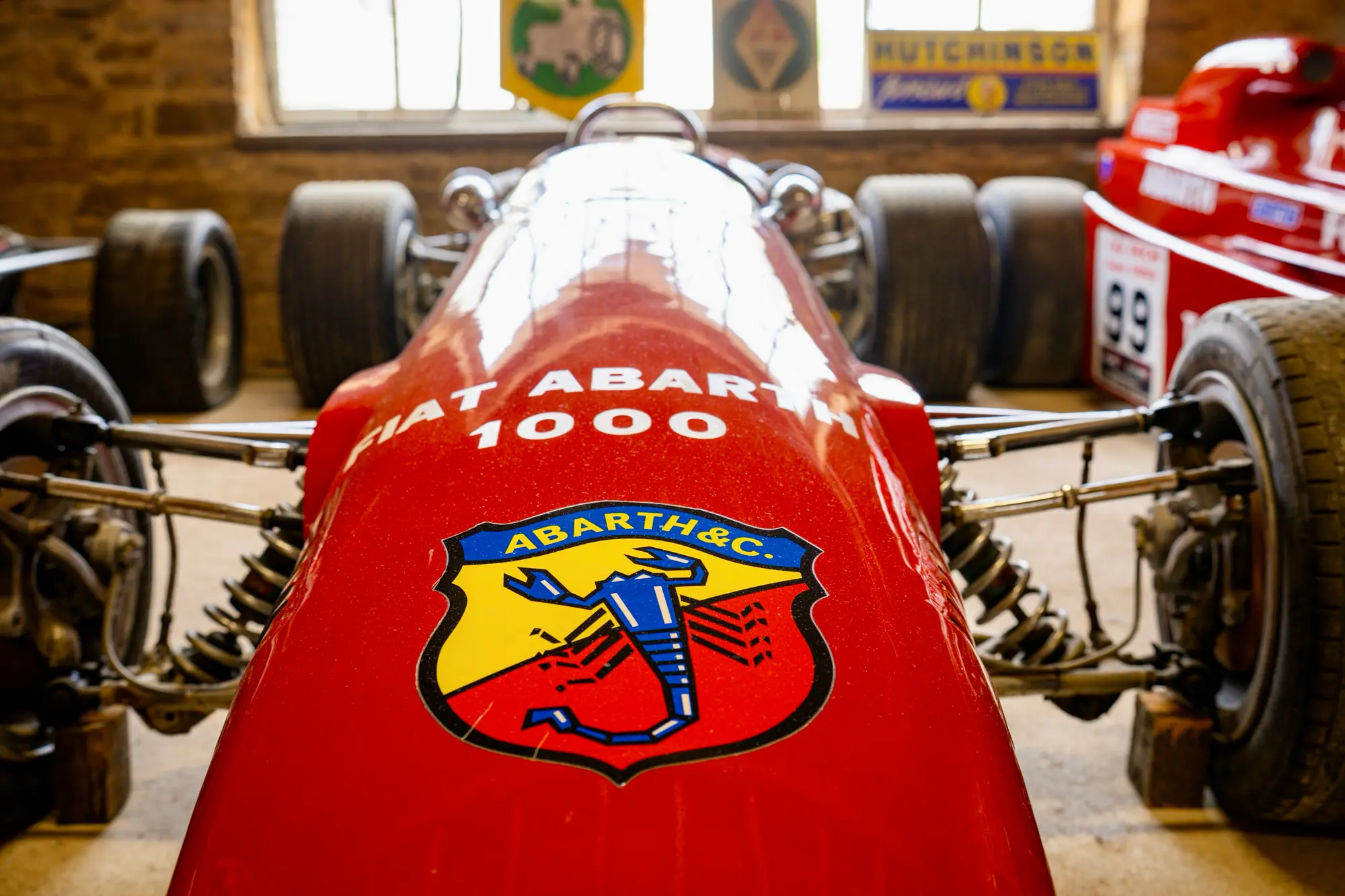
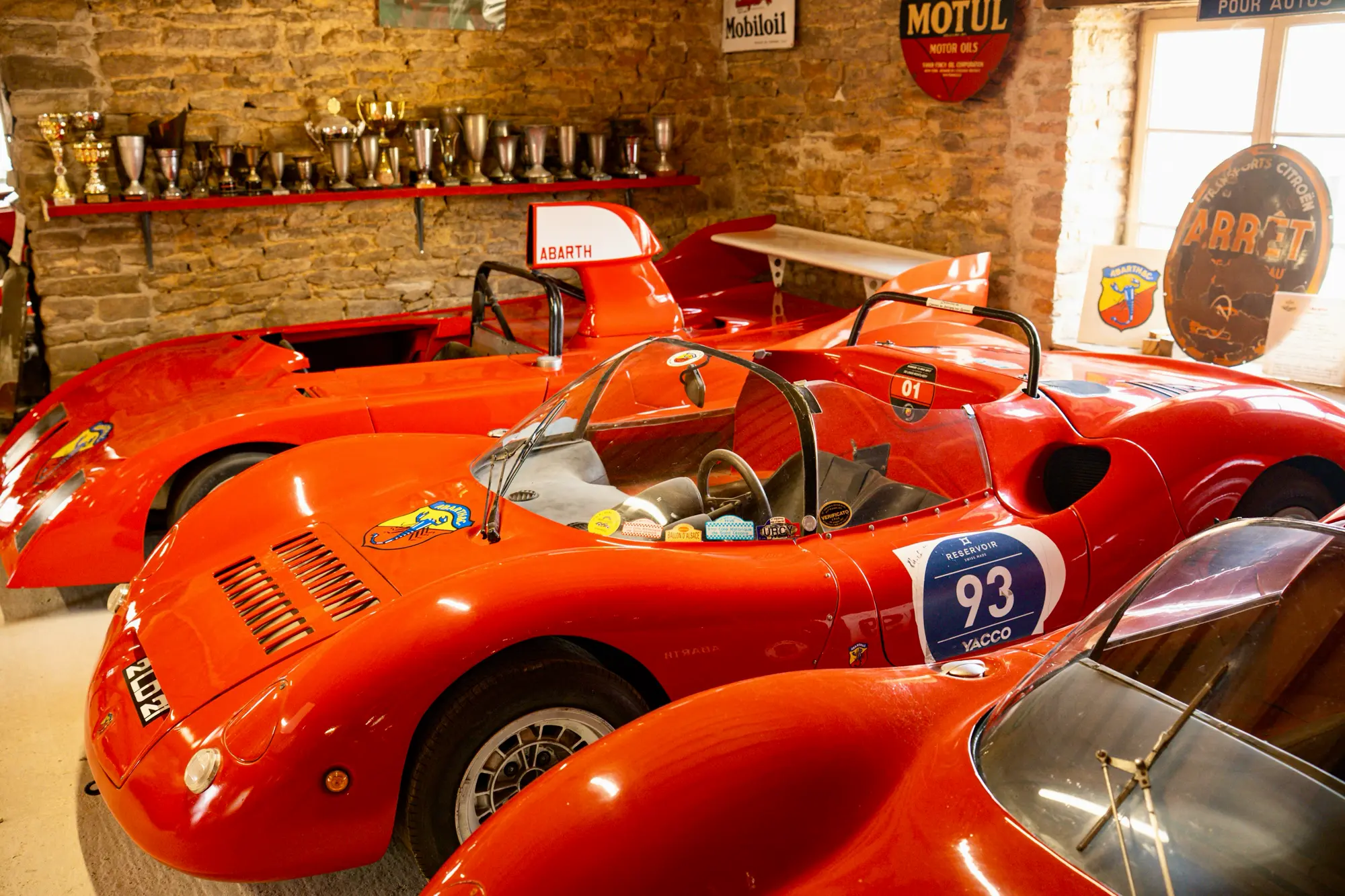
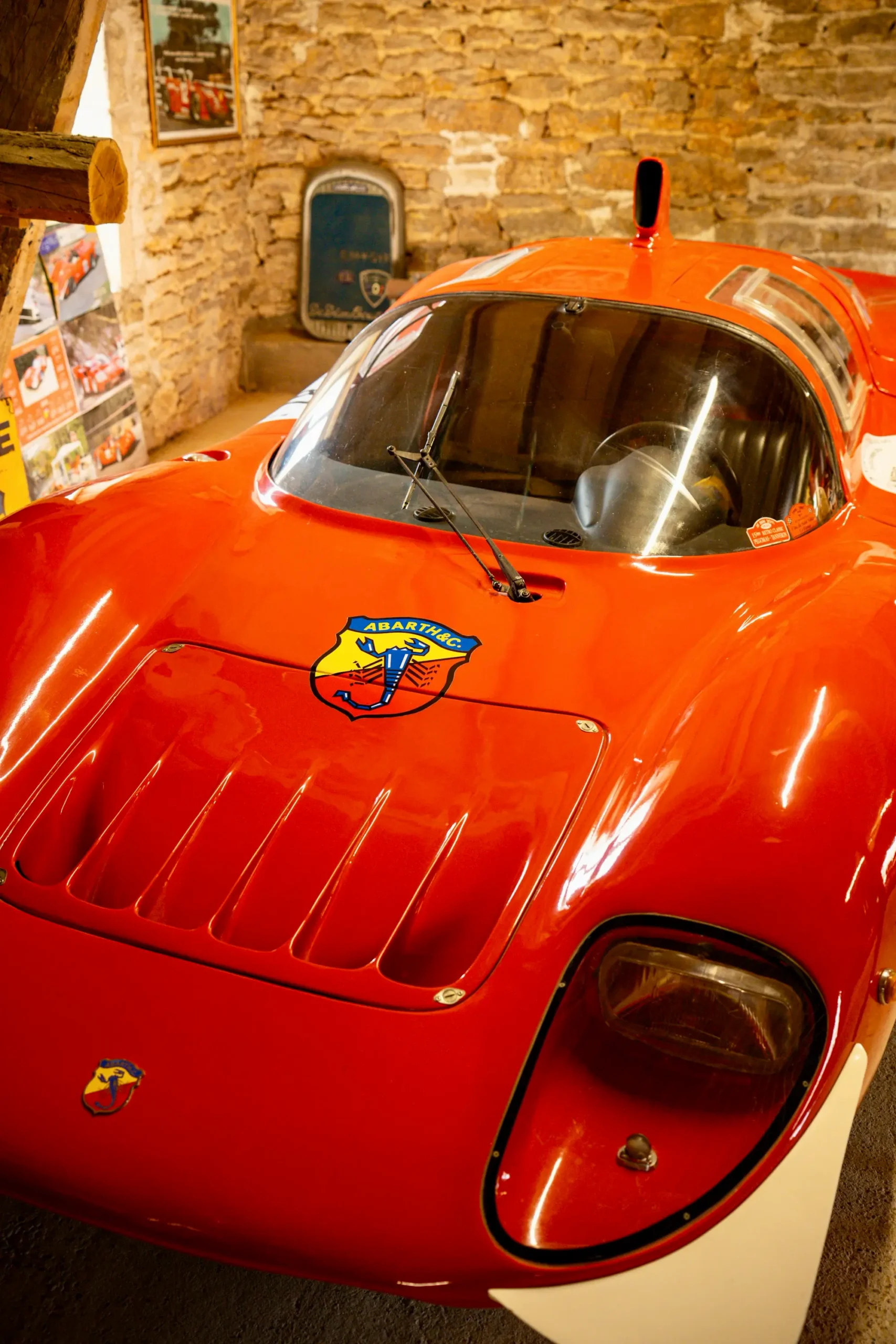
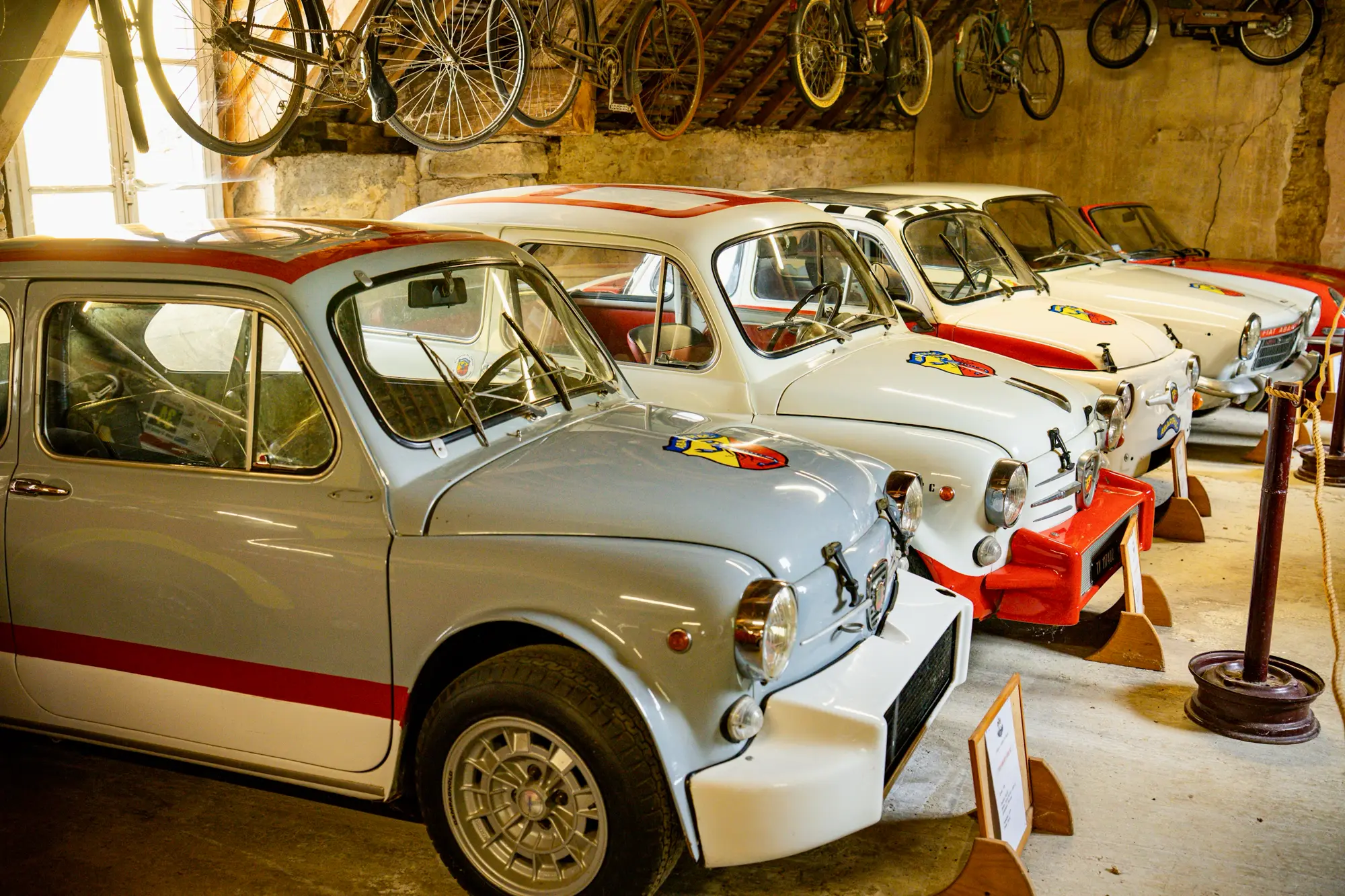
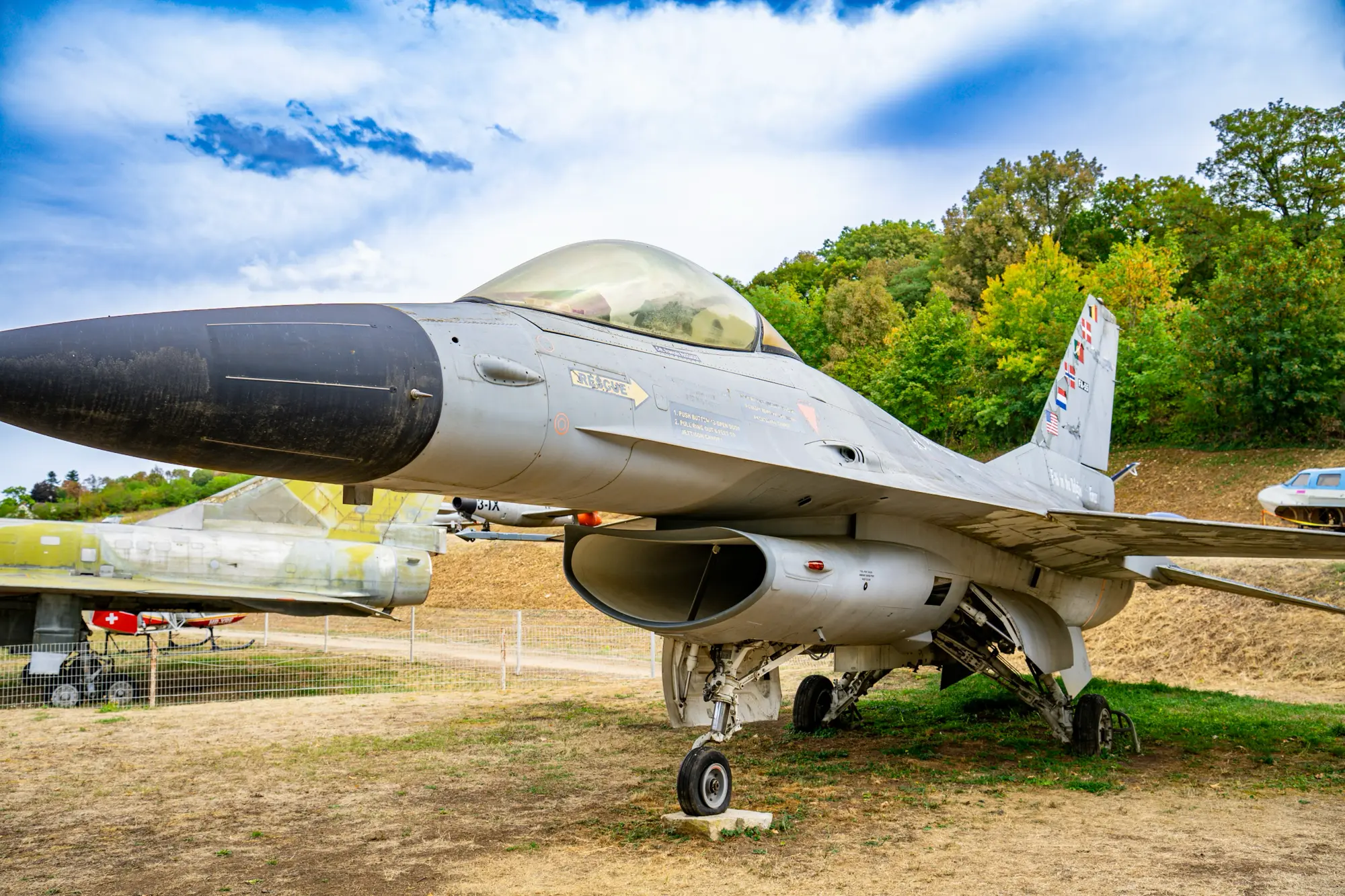
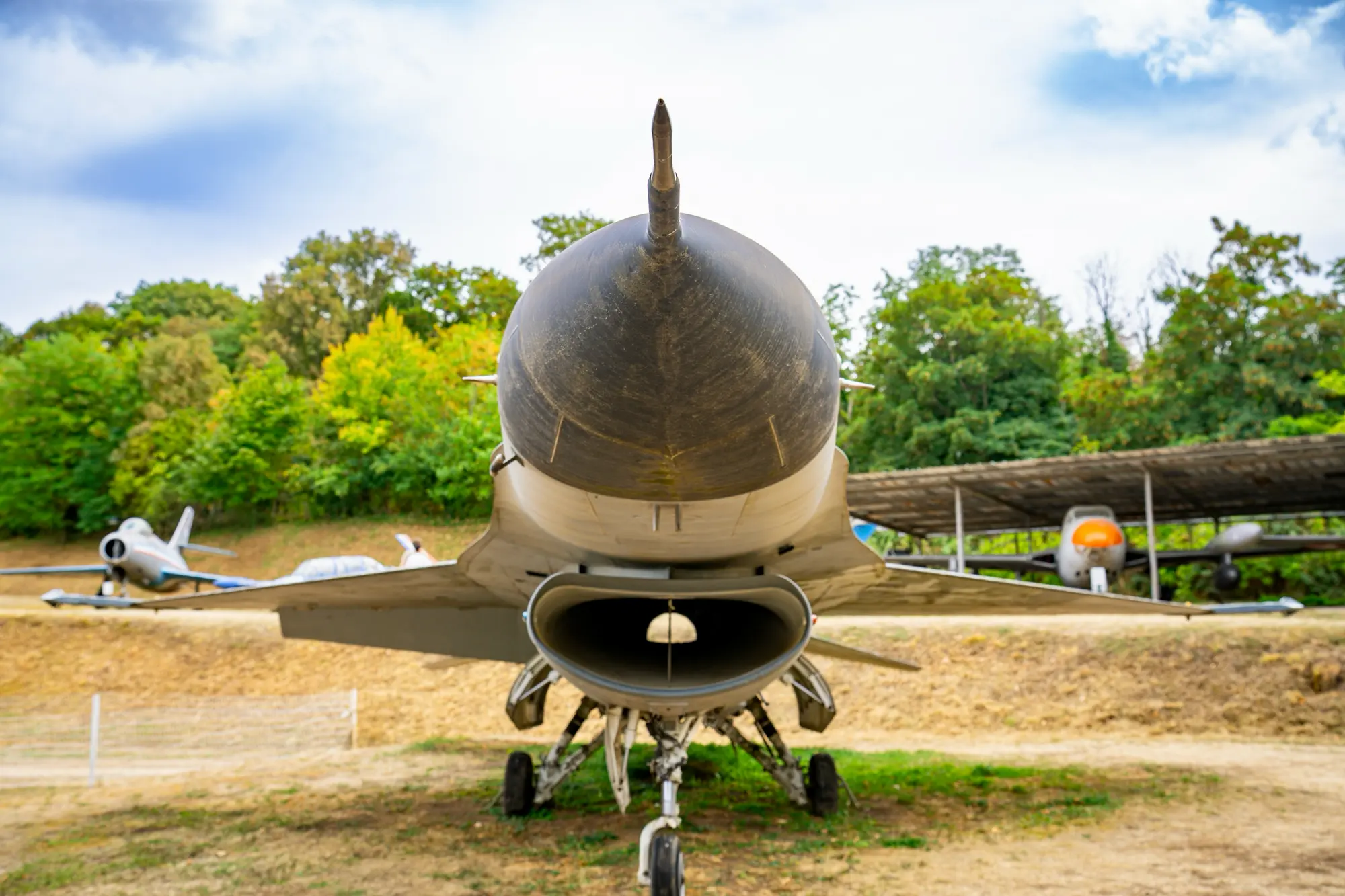
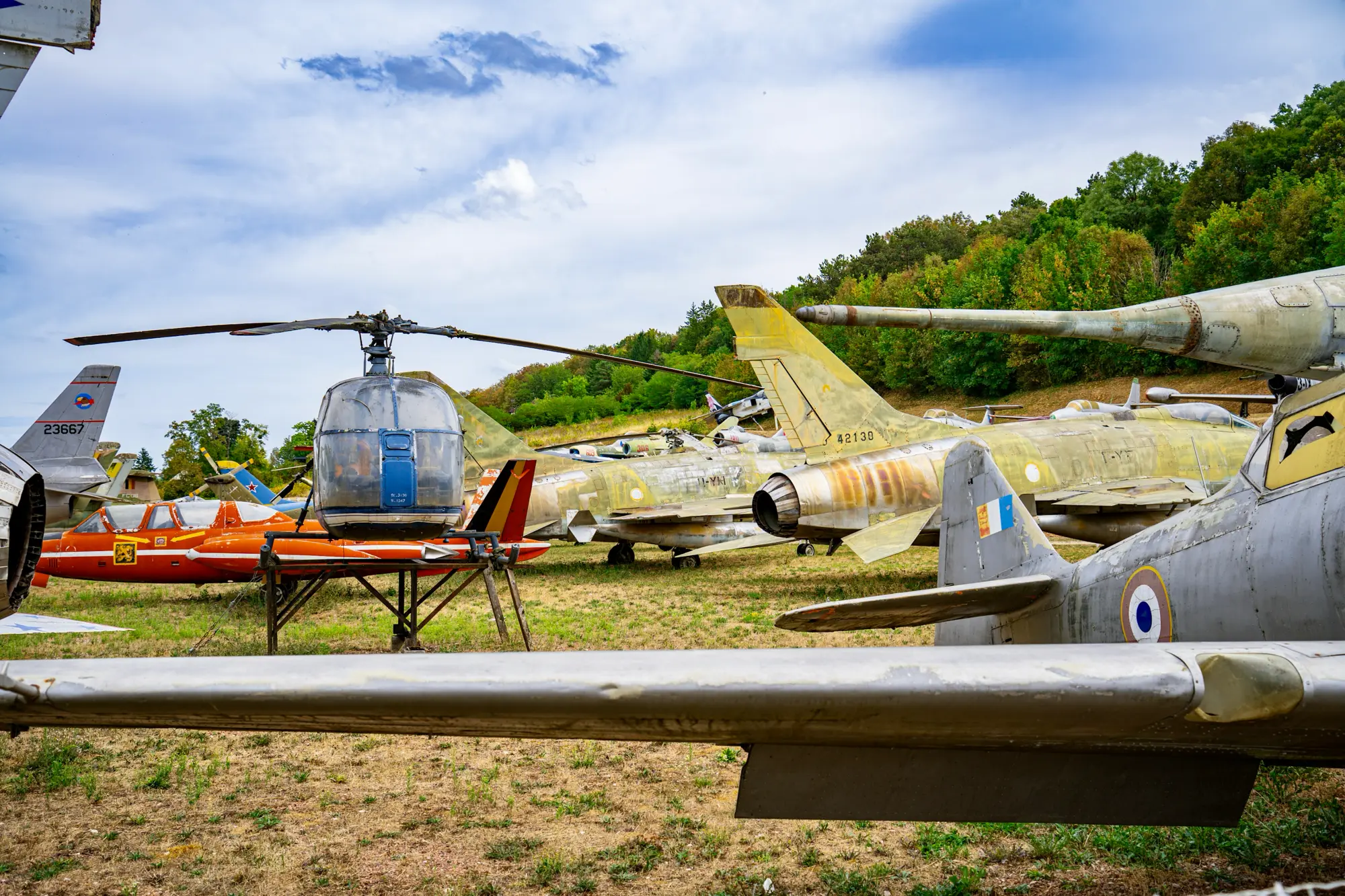
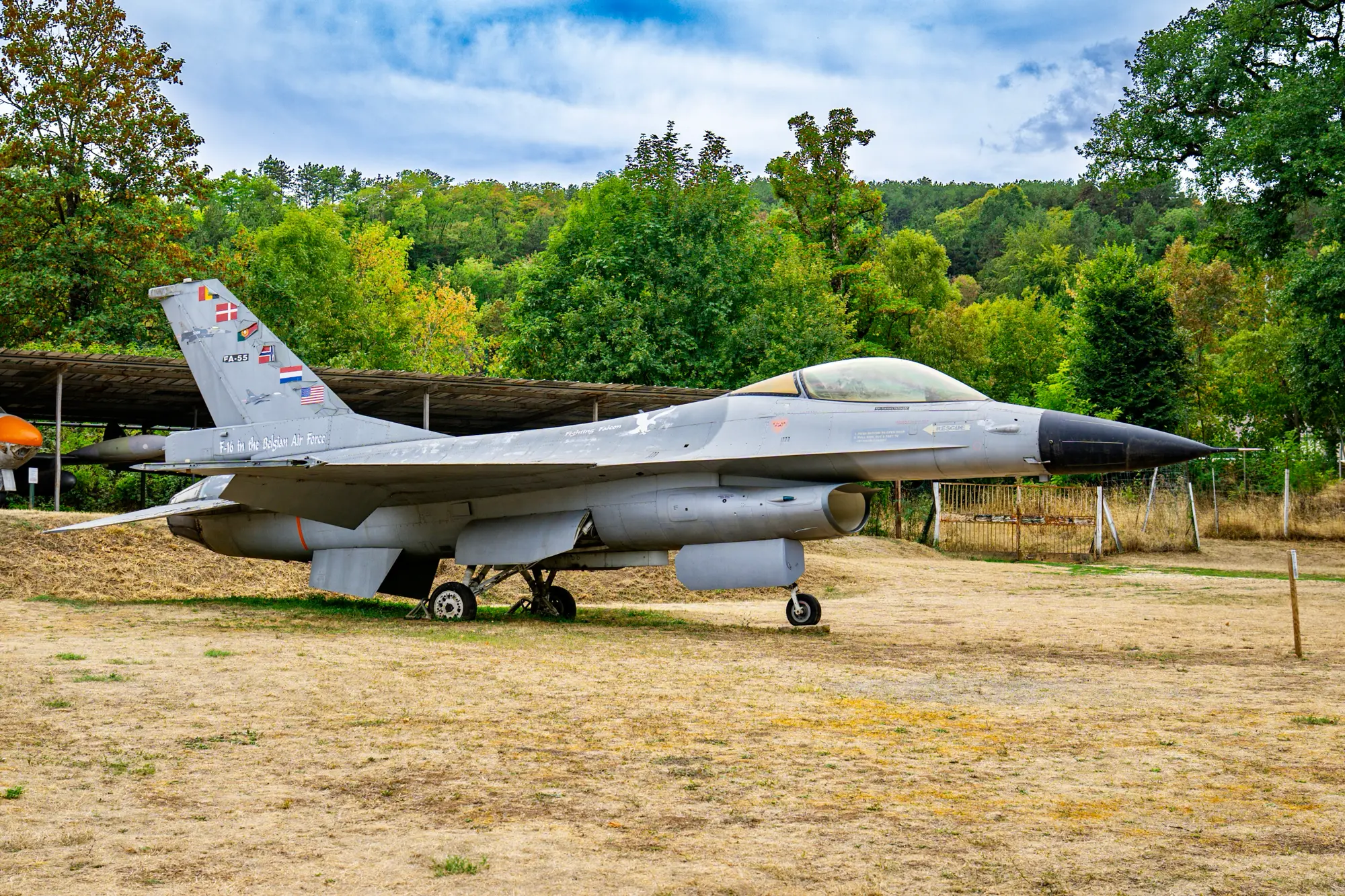
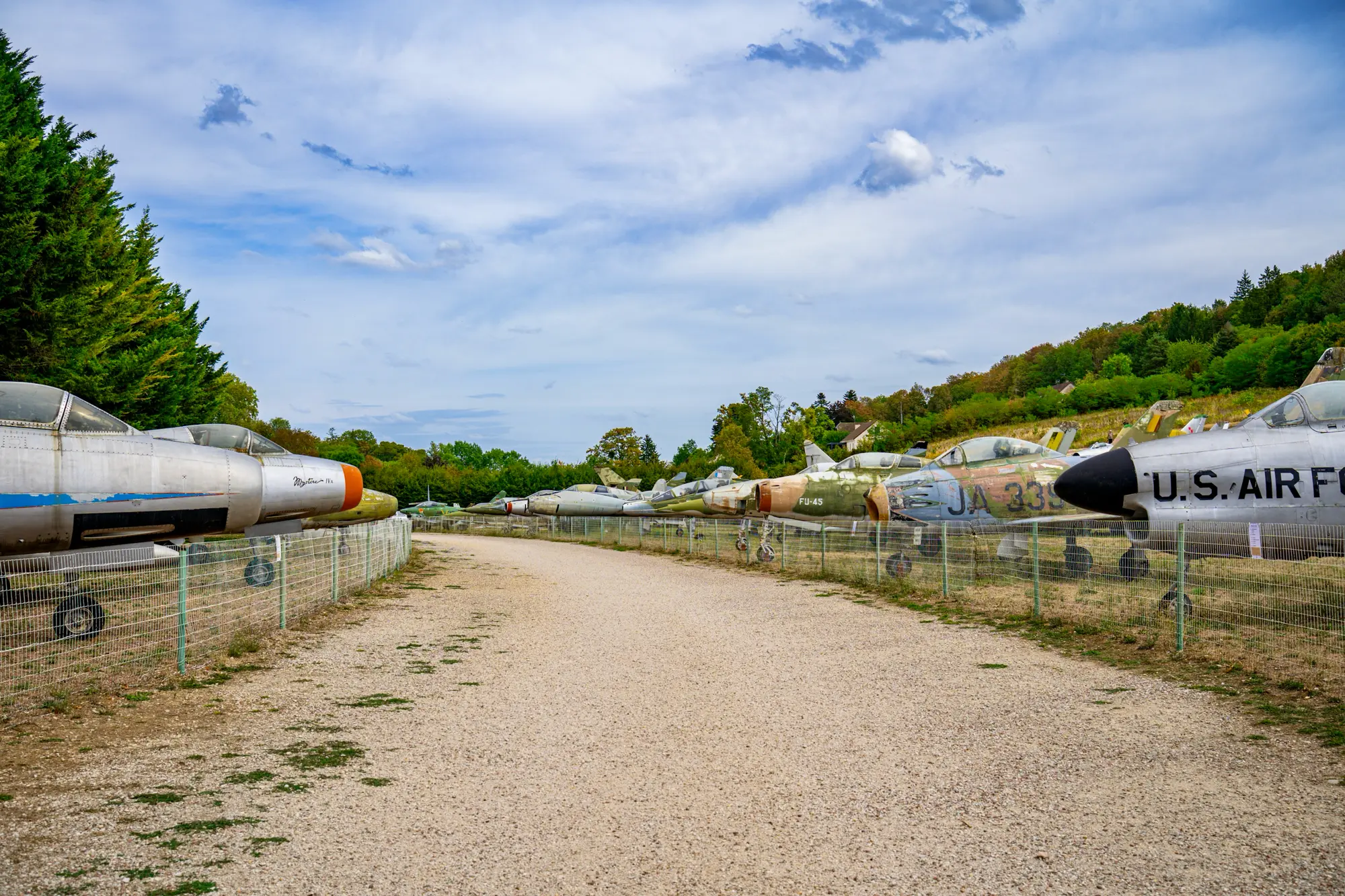
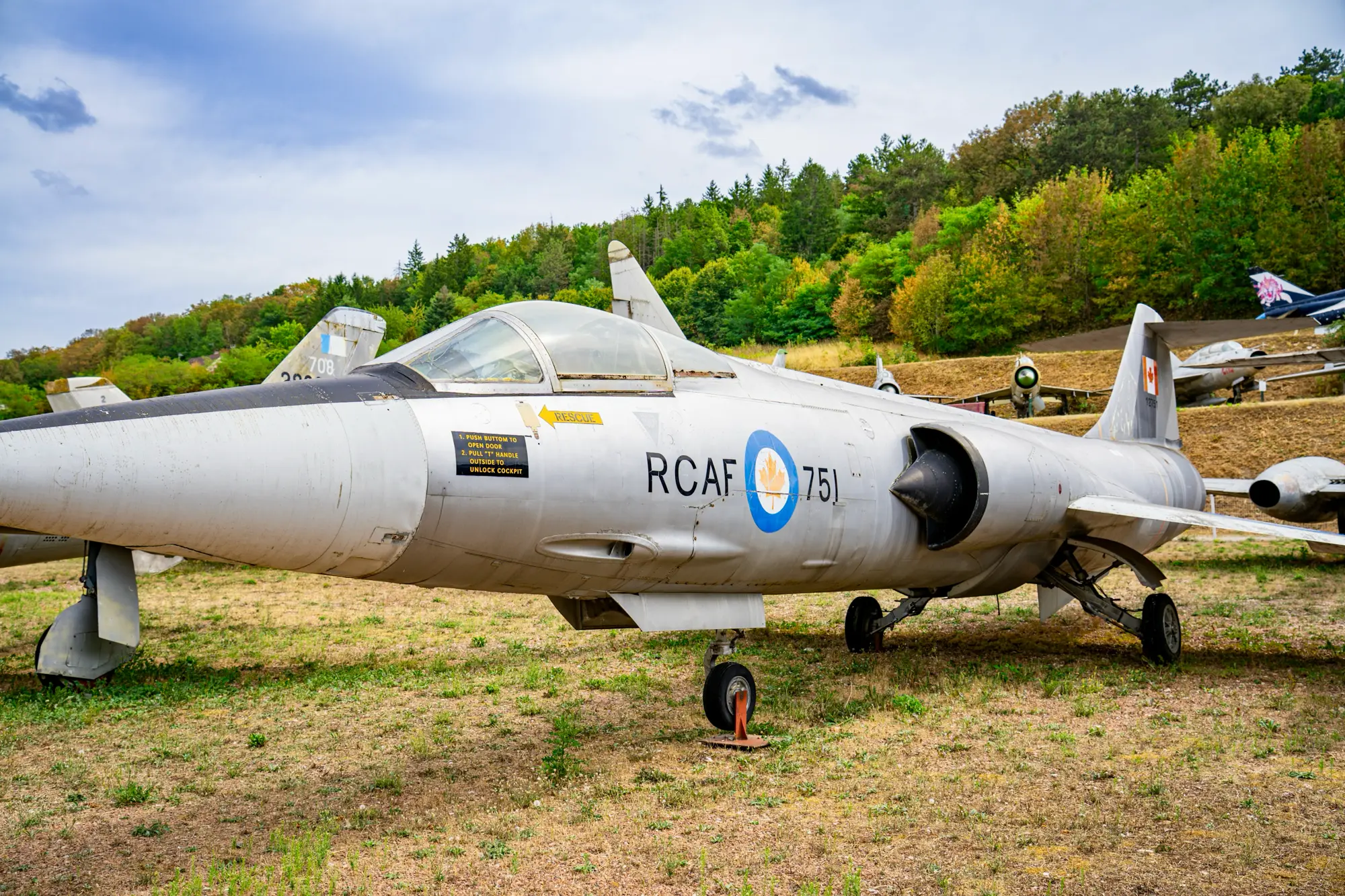
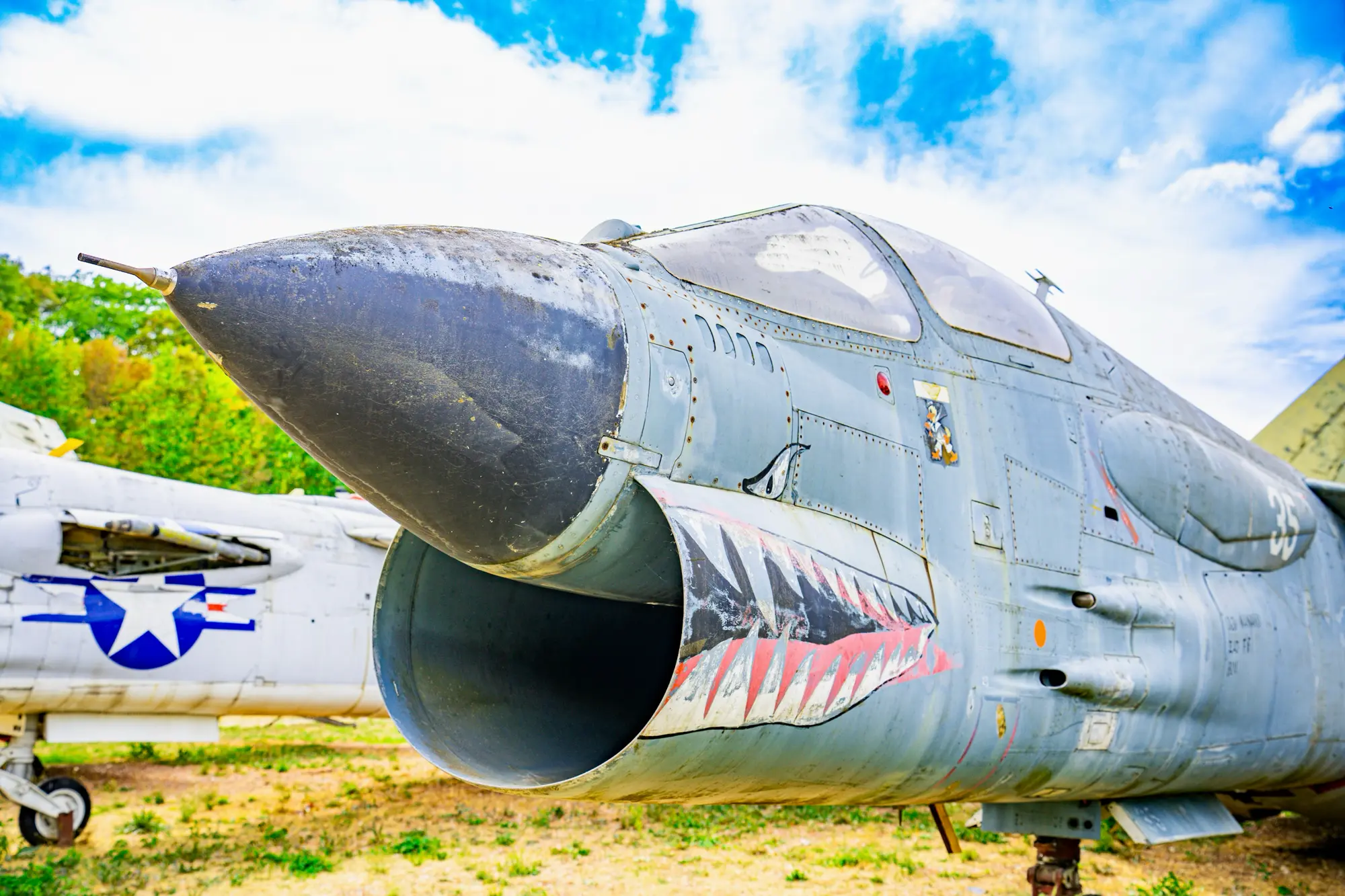
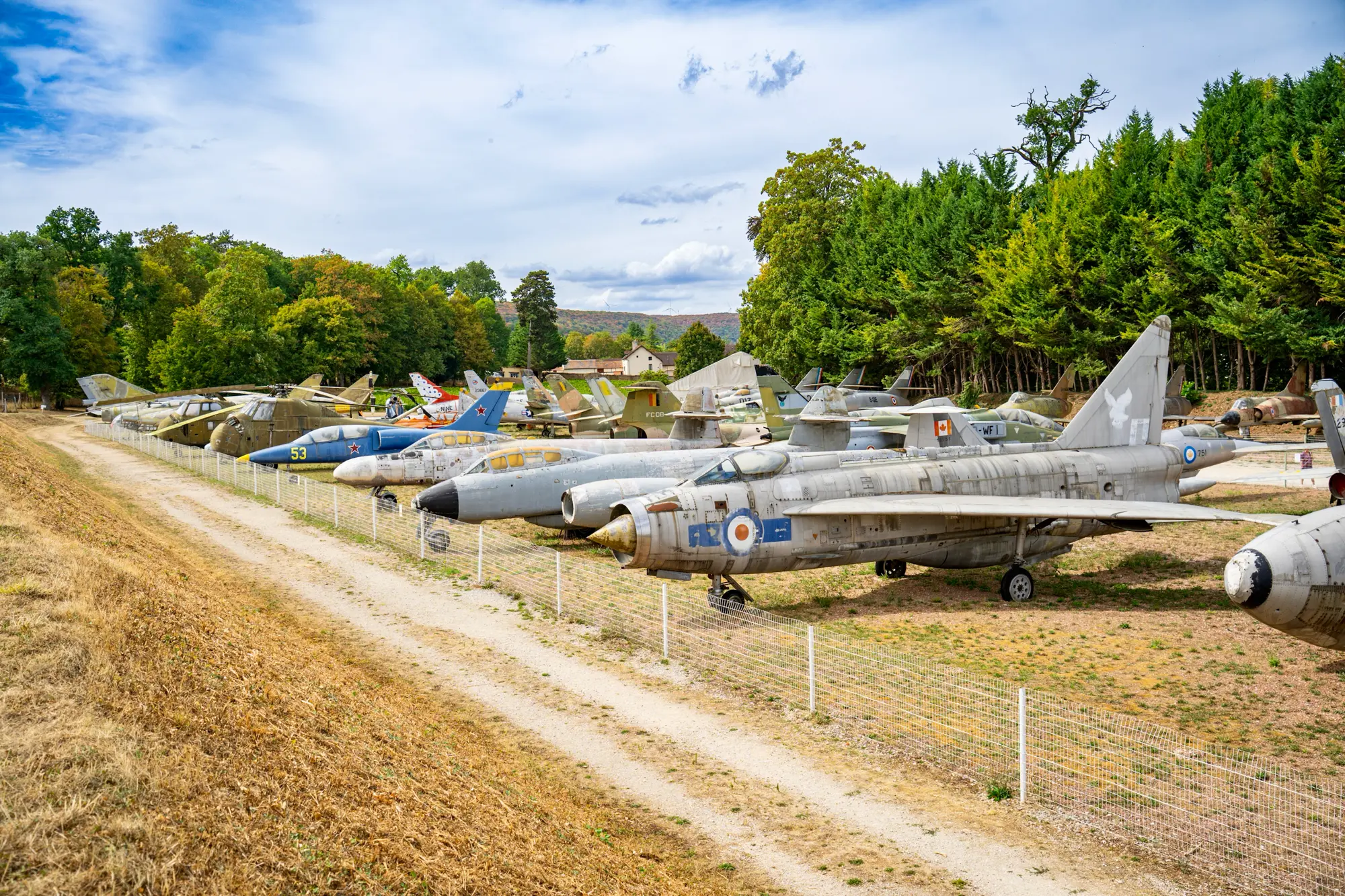
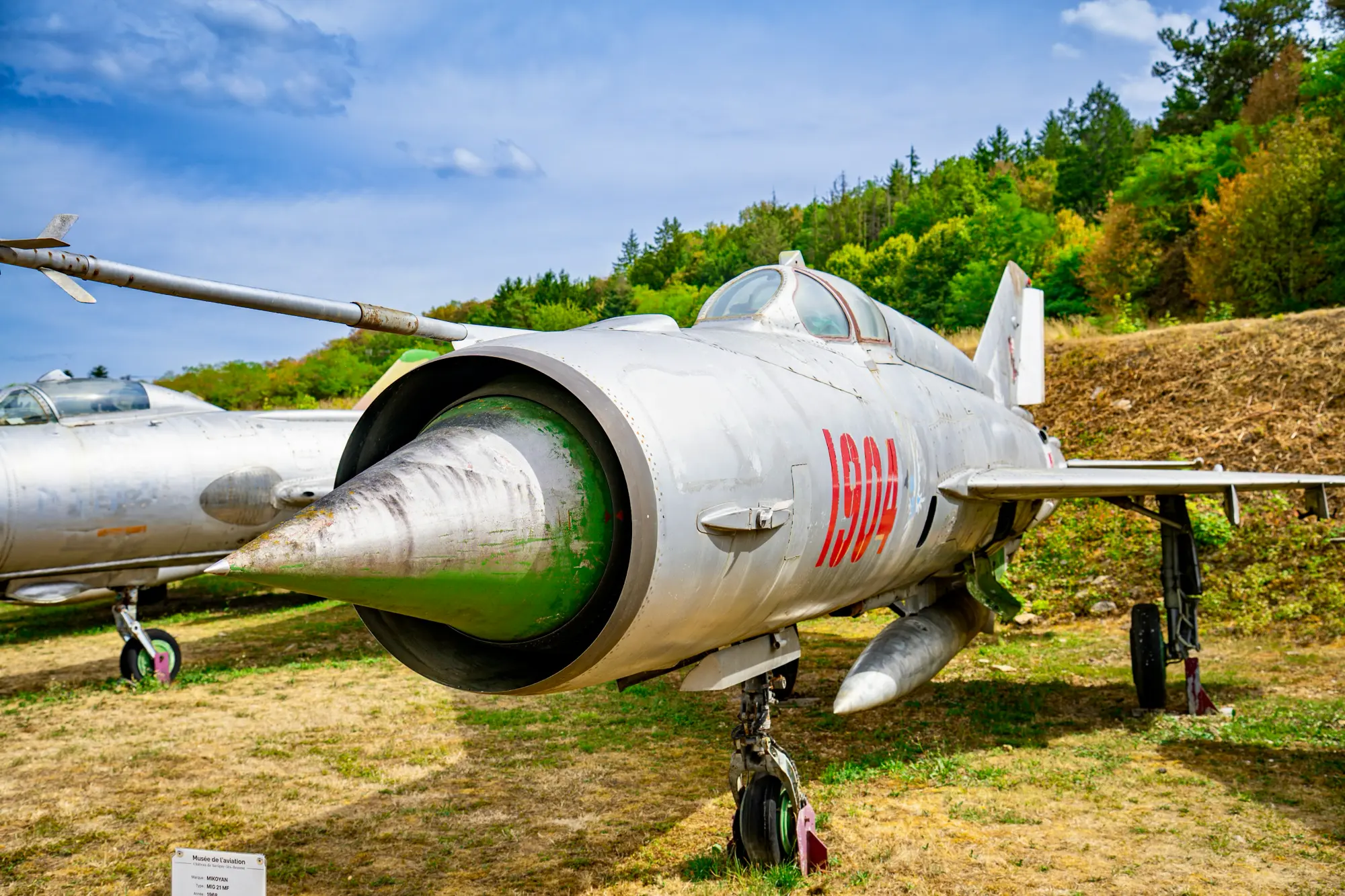
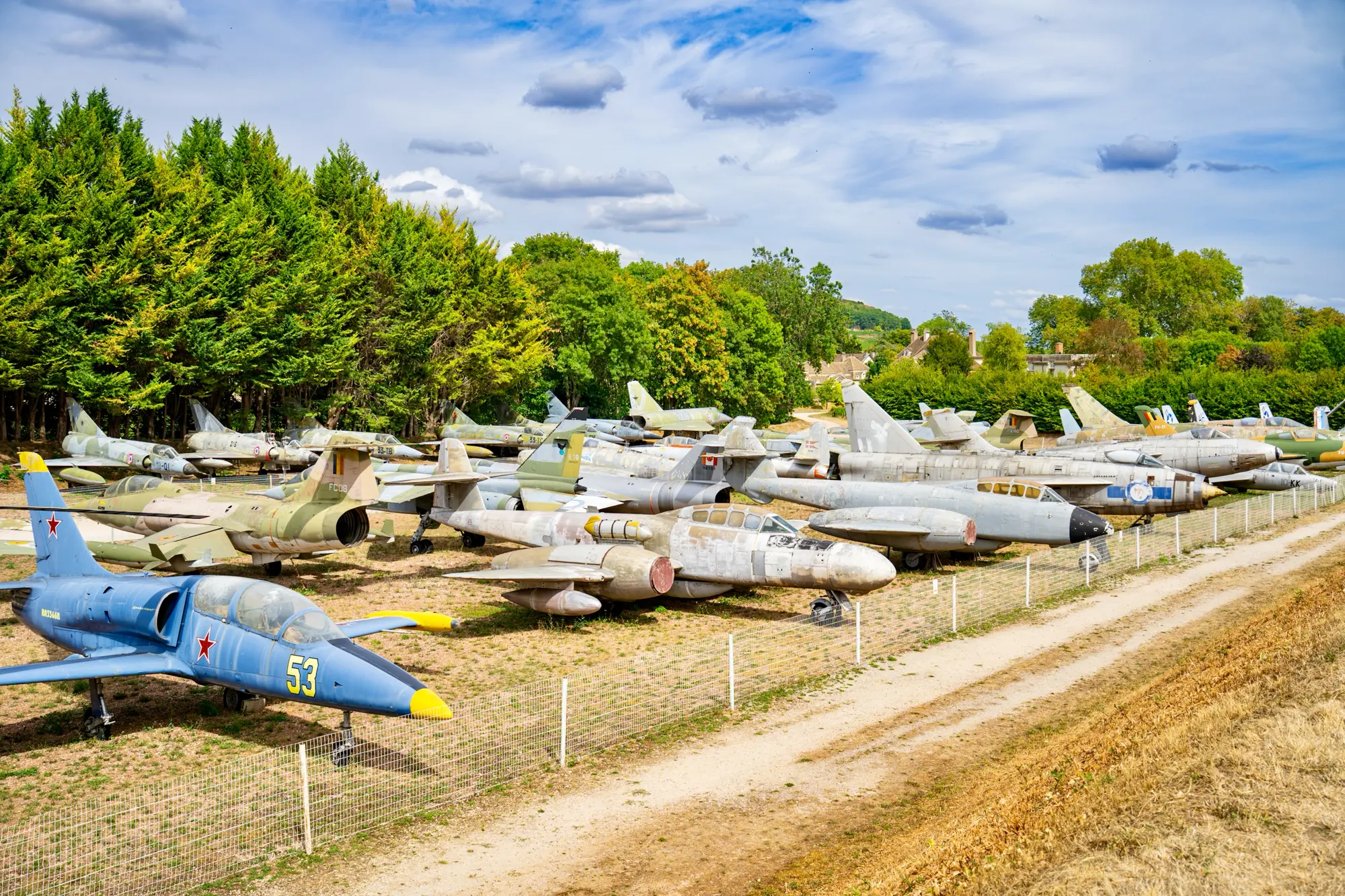
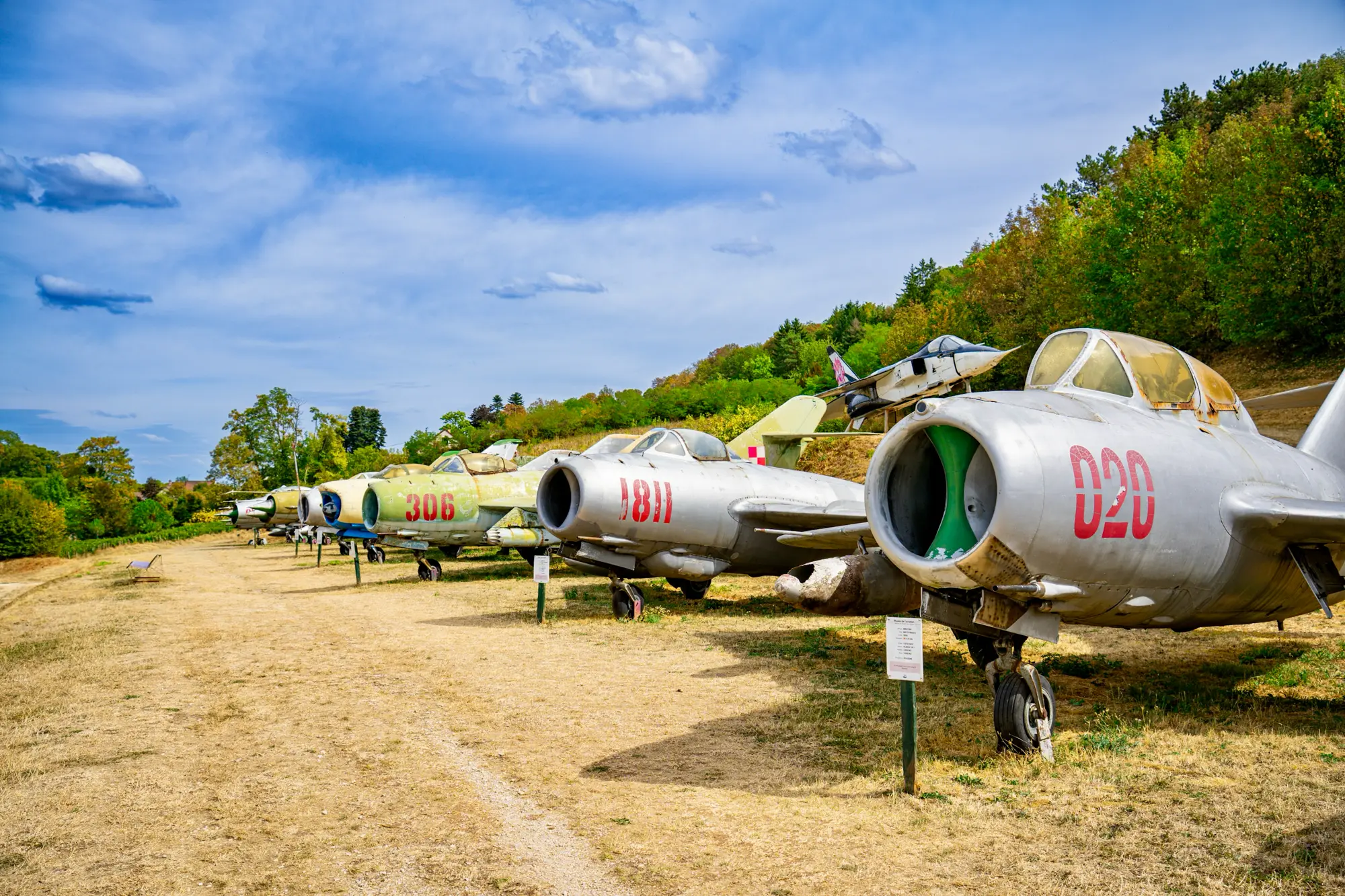
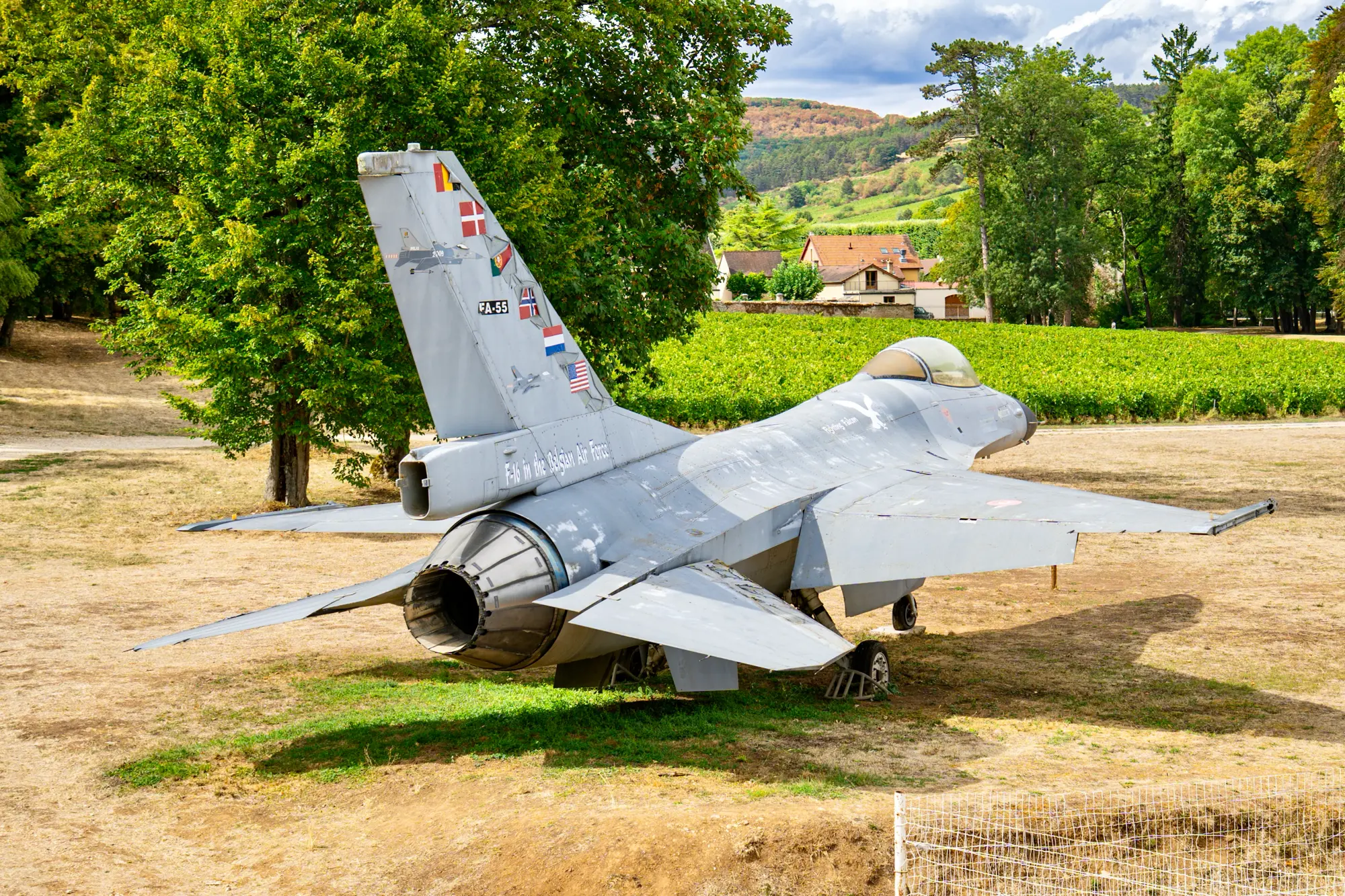
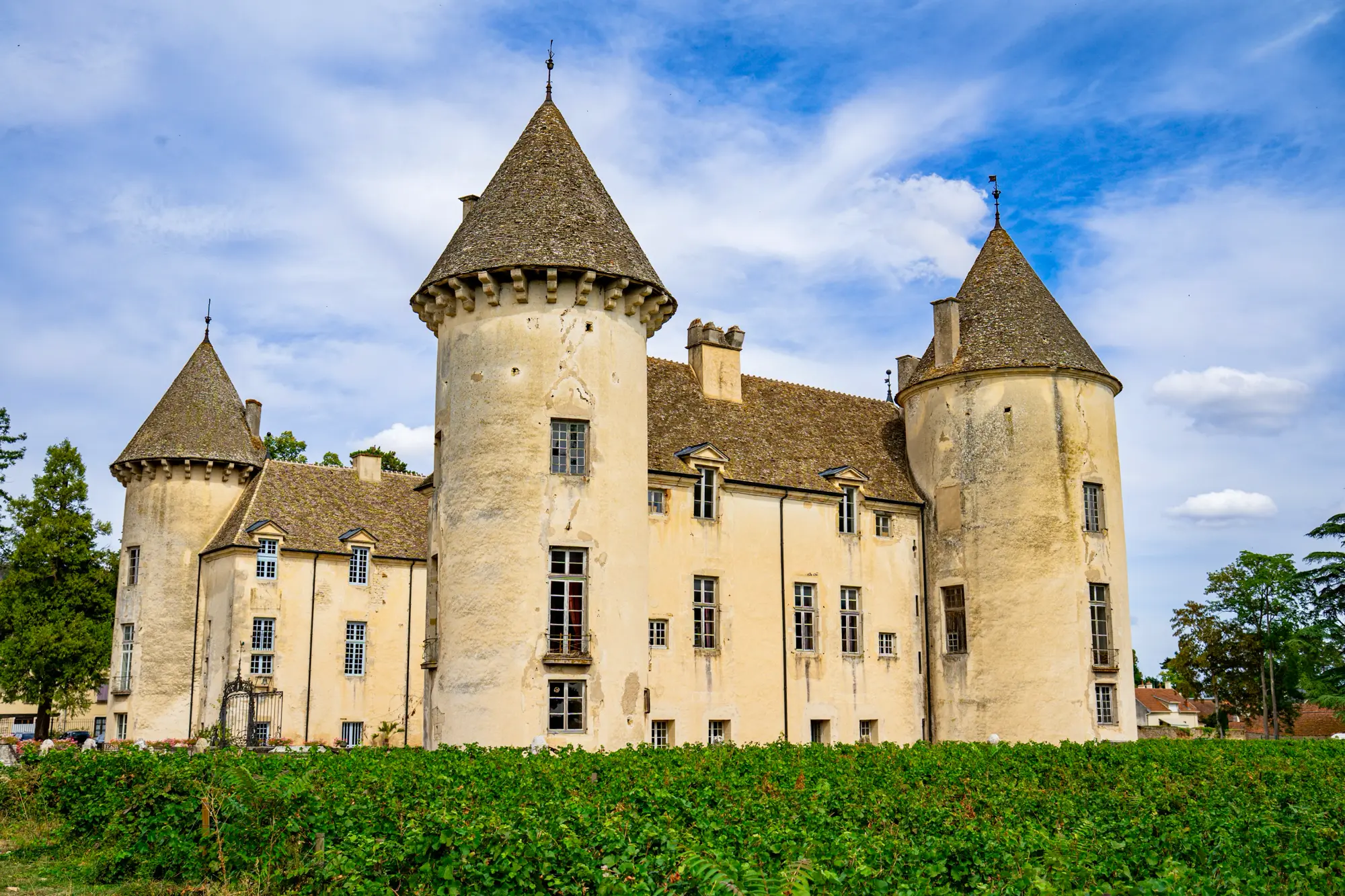
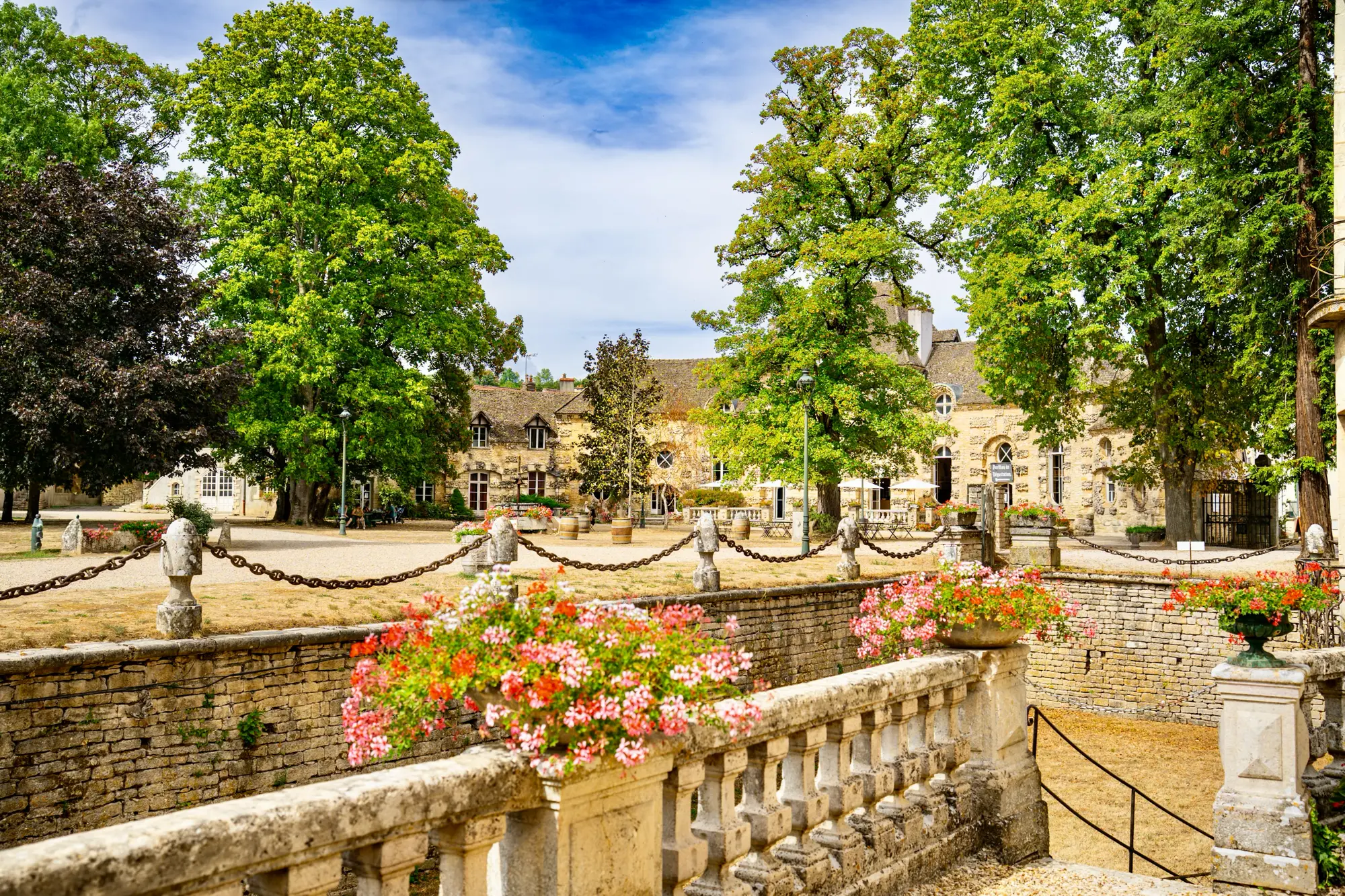
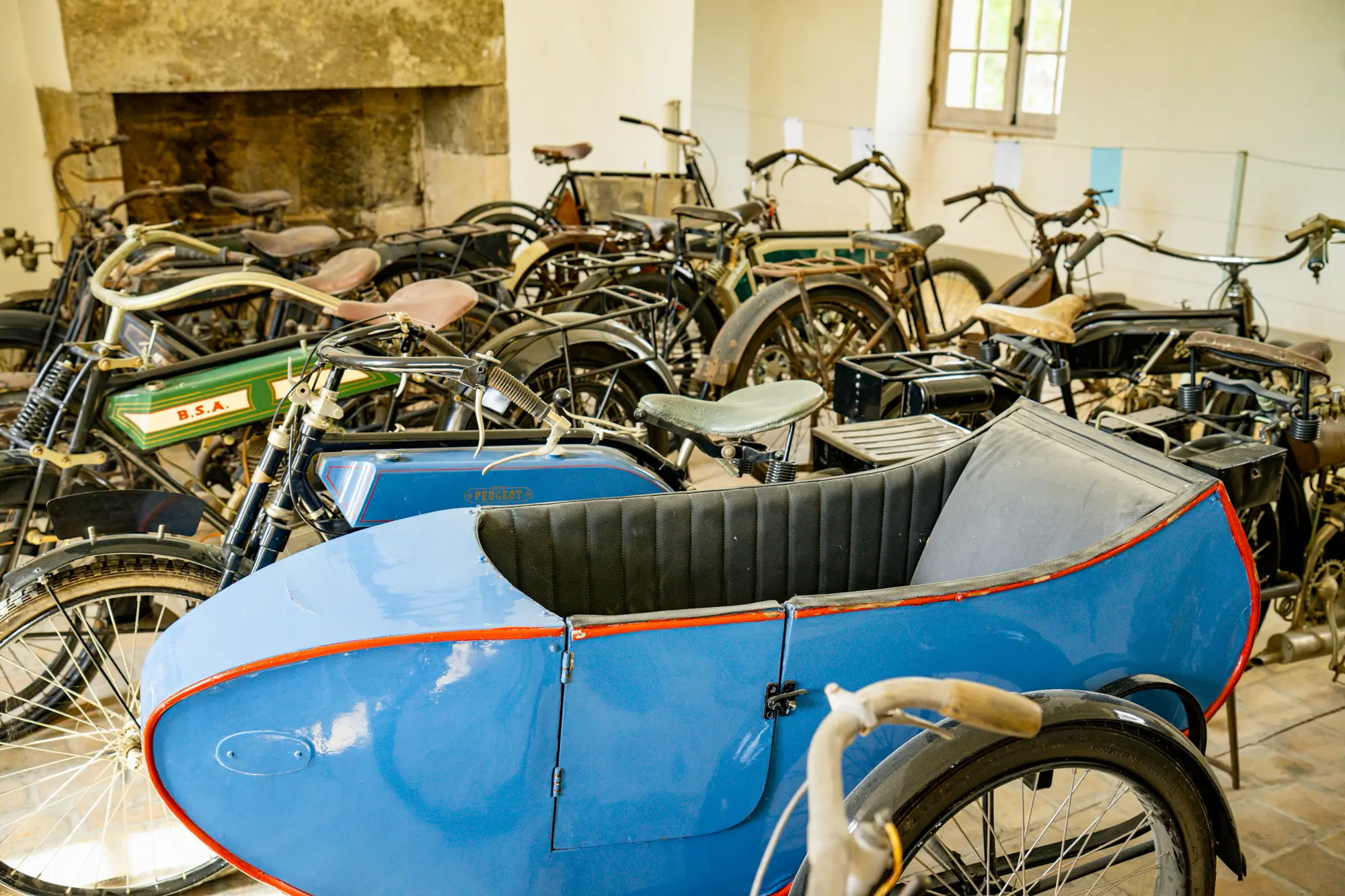
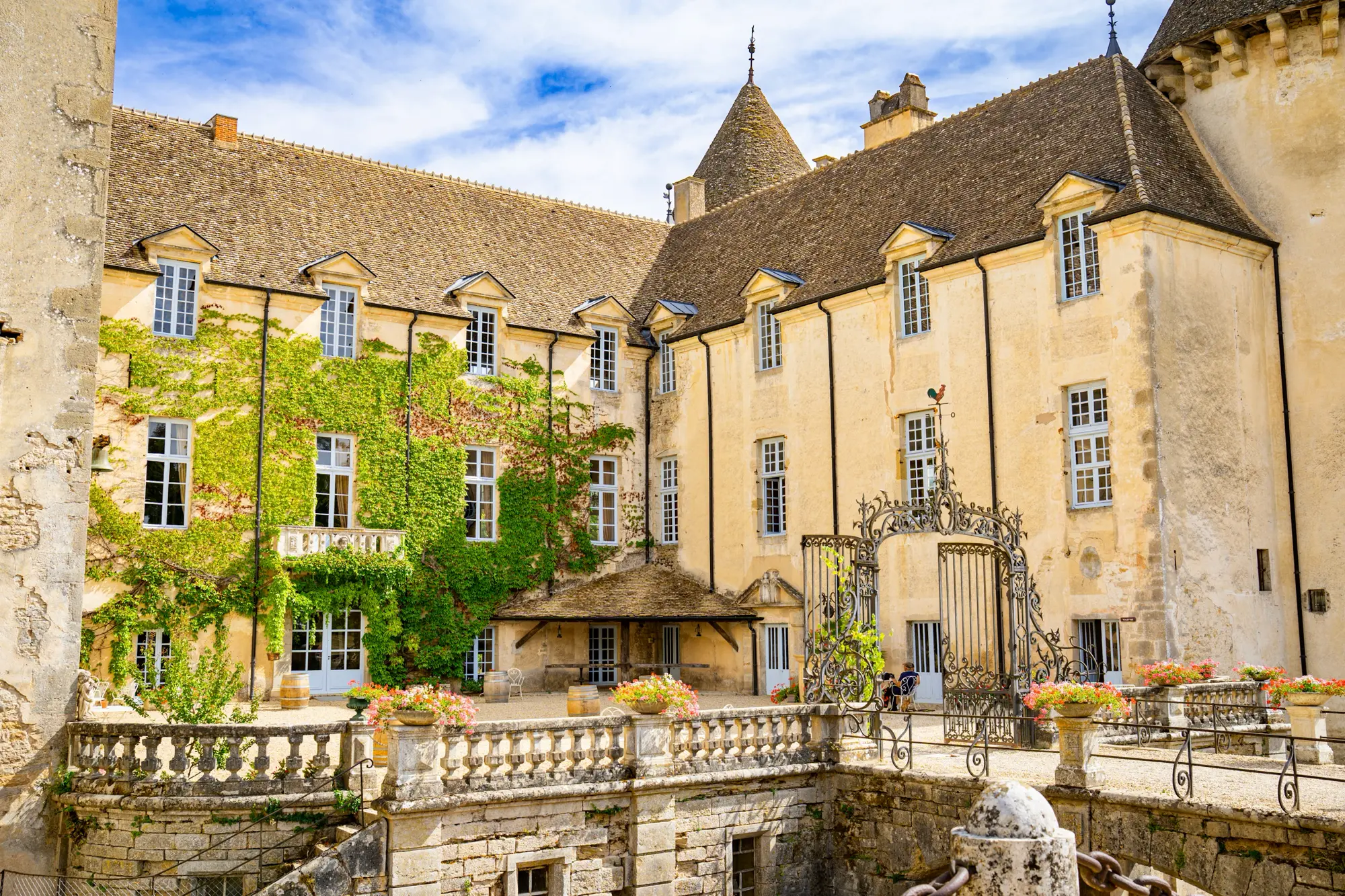
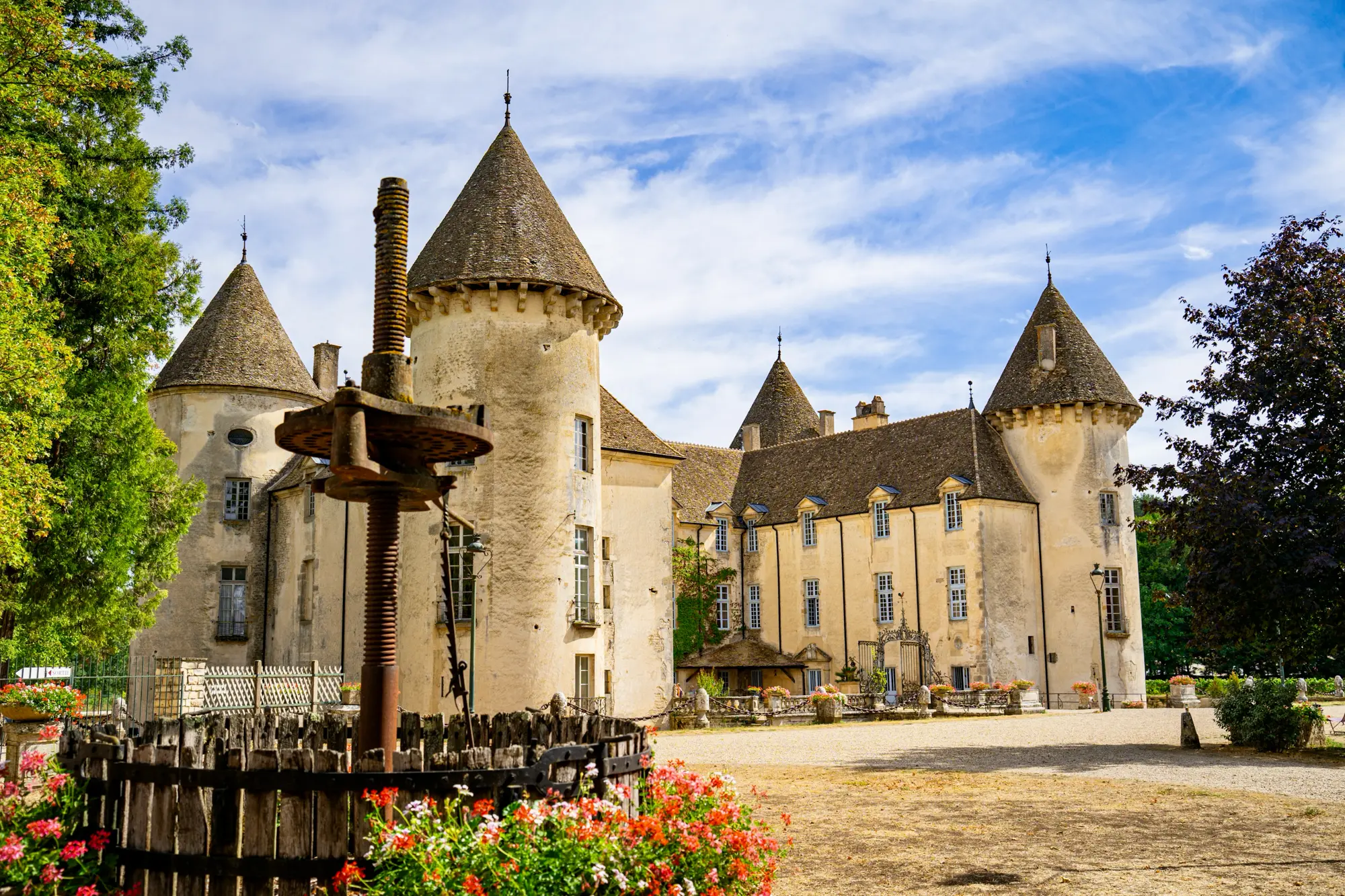
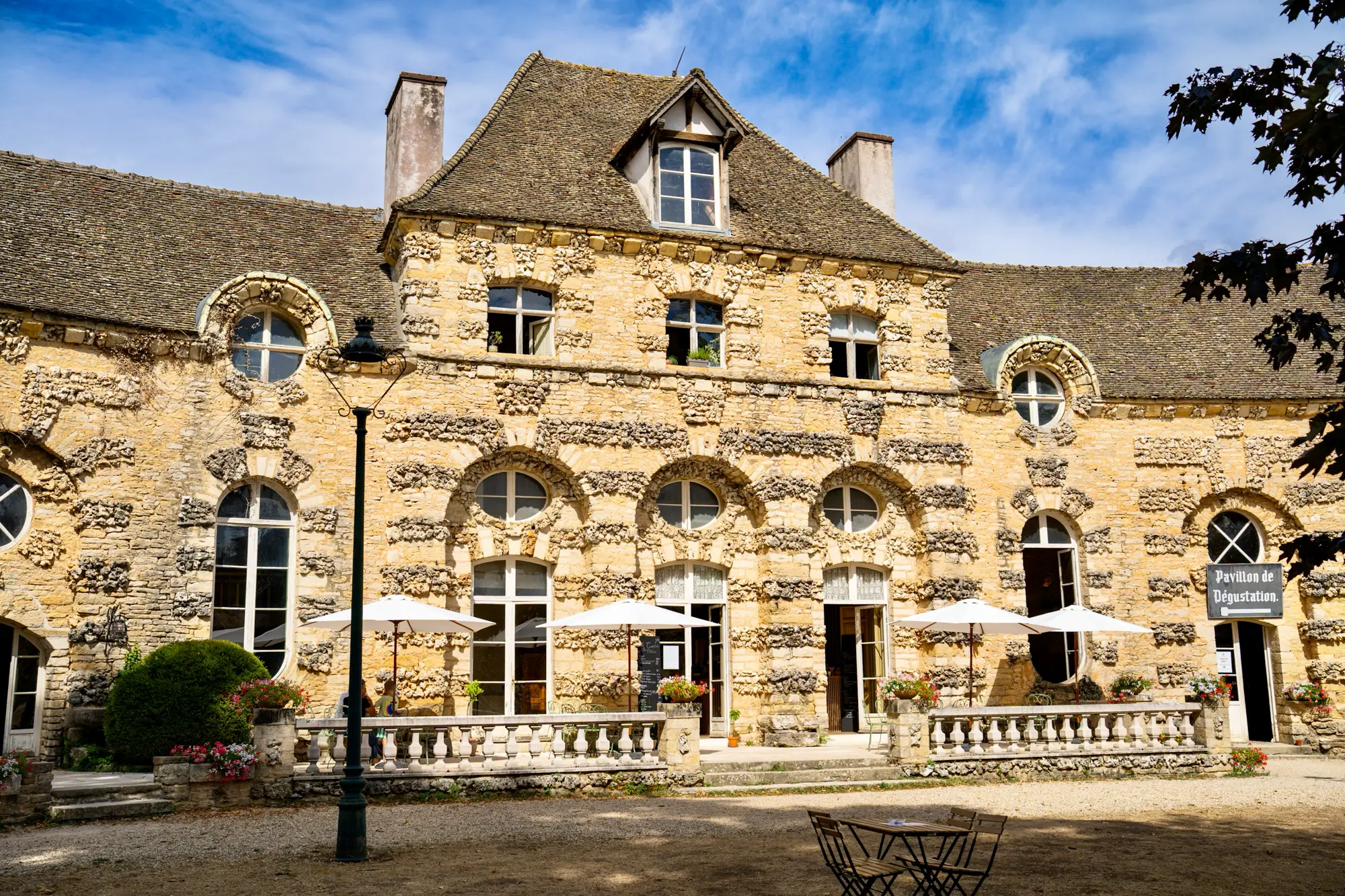
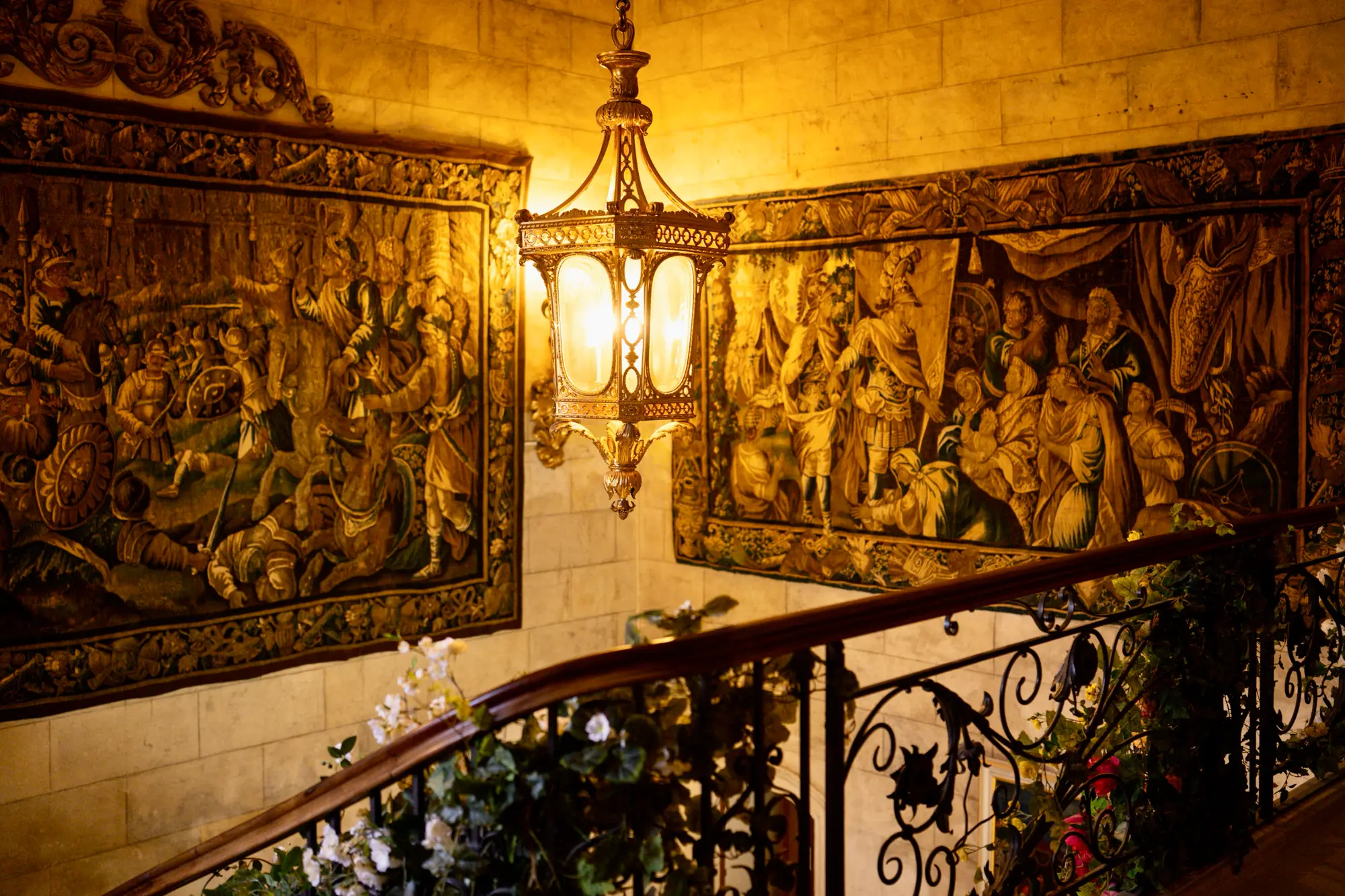
Later, we marched off to find a vineyard and stumbled upon the Château de Savigny-lès-Beaune. Less wine museum, more mind-boggling collection of fighter jets, race cars, classic motorbikes and tractors! We did sample some local vino, though at ten euros for three microscopic tasters, let’s just say we weren’t rolling out of the tasting room.
We wrapped up back at camp with a “shoe-leather” steak (character-building chewiness) and a fiercely contested card game to close out the night.
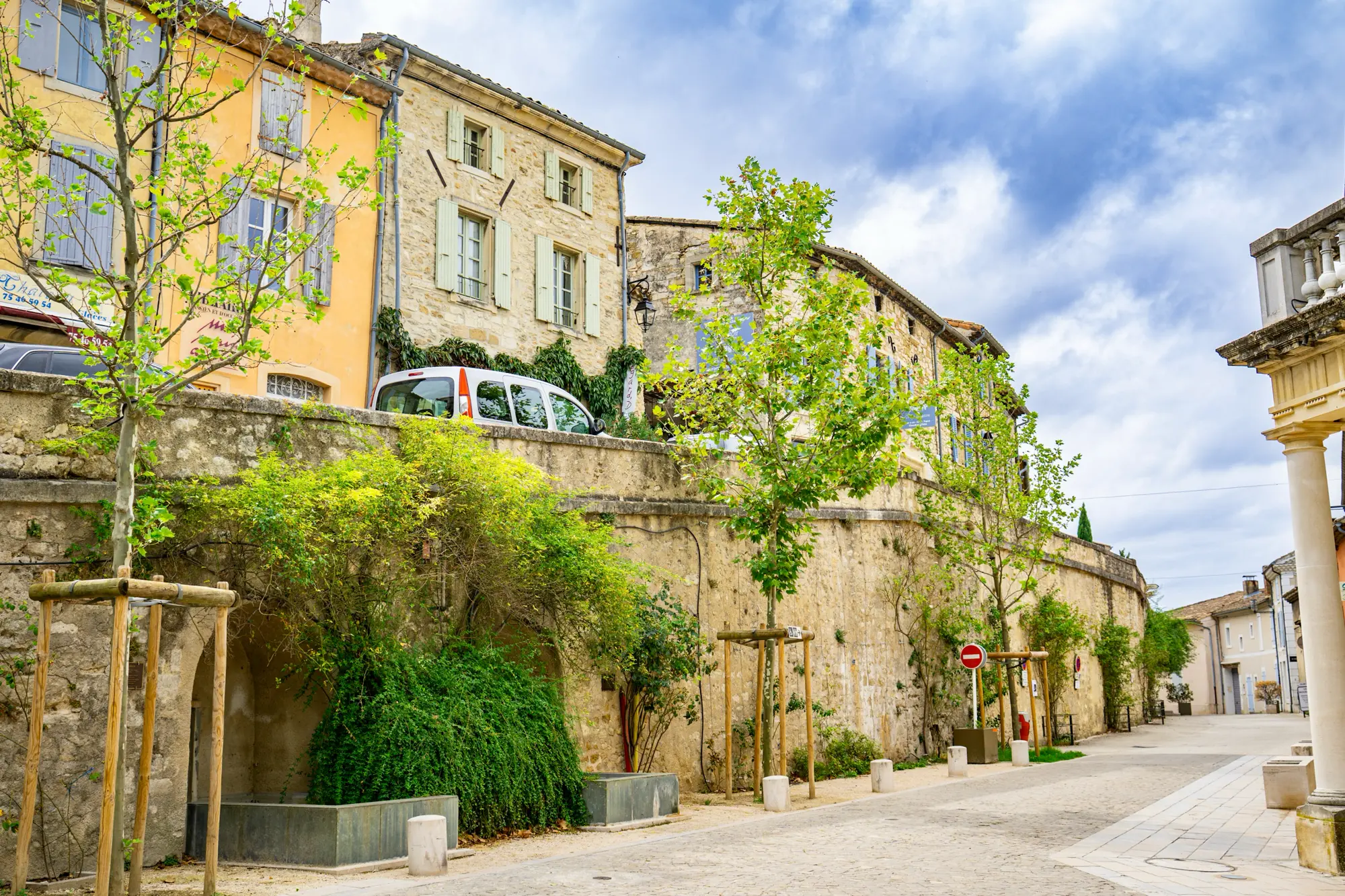
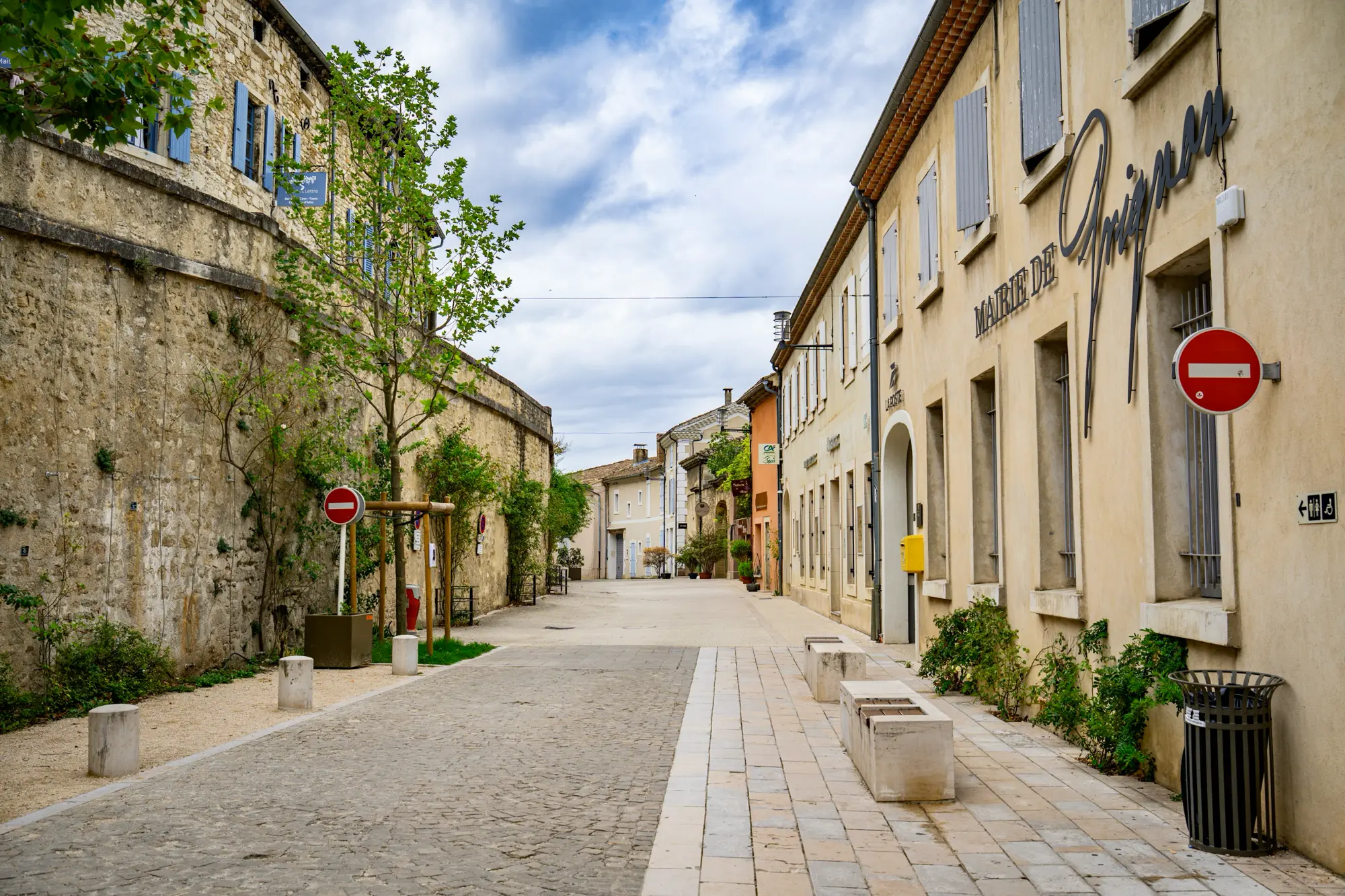
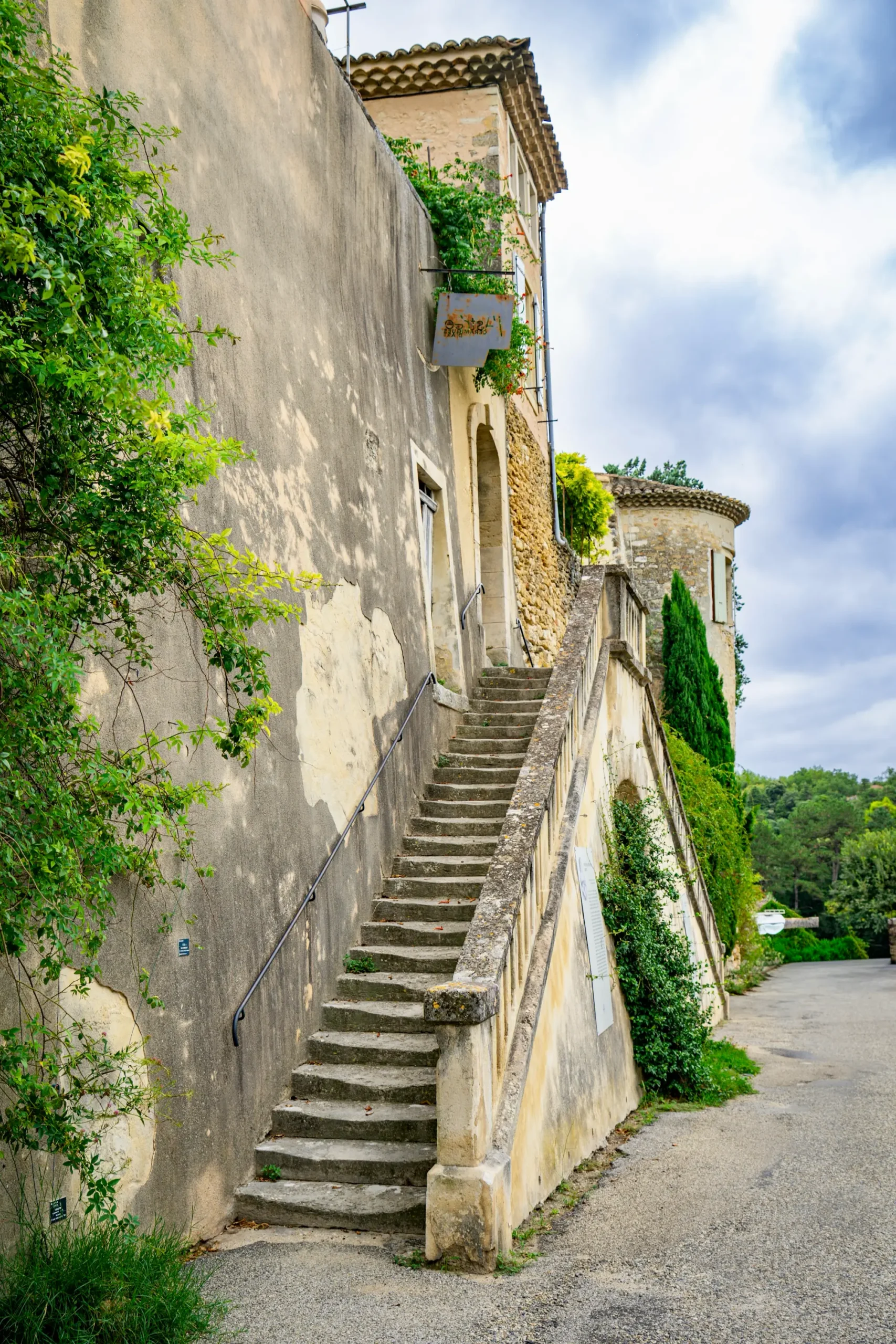
Day 4: Chasing the Sun to Grignan
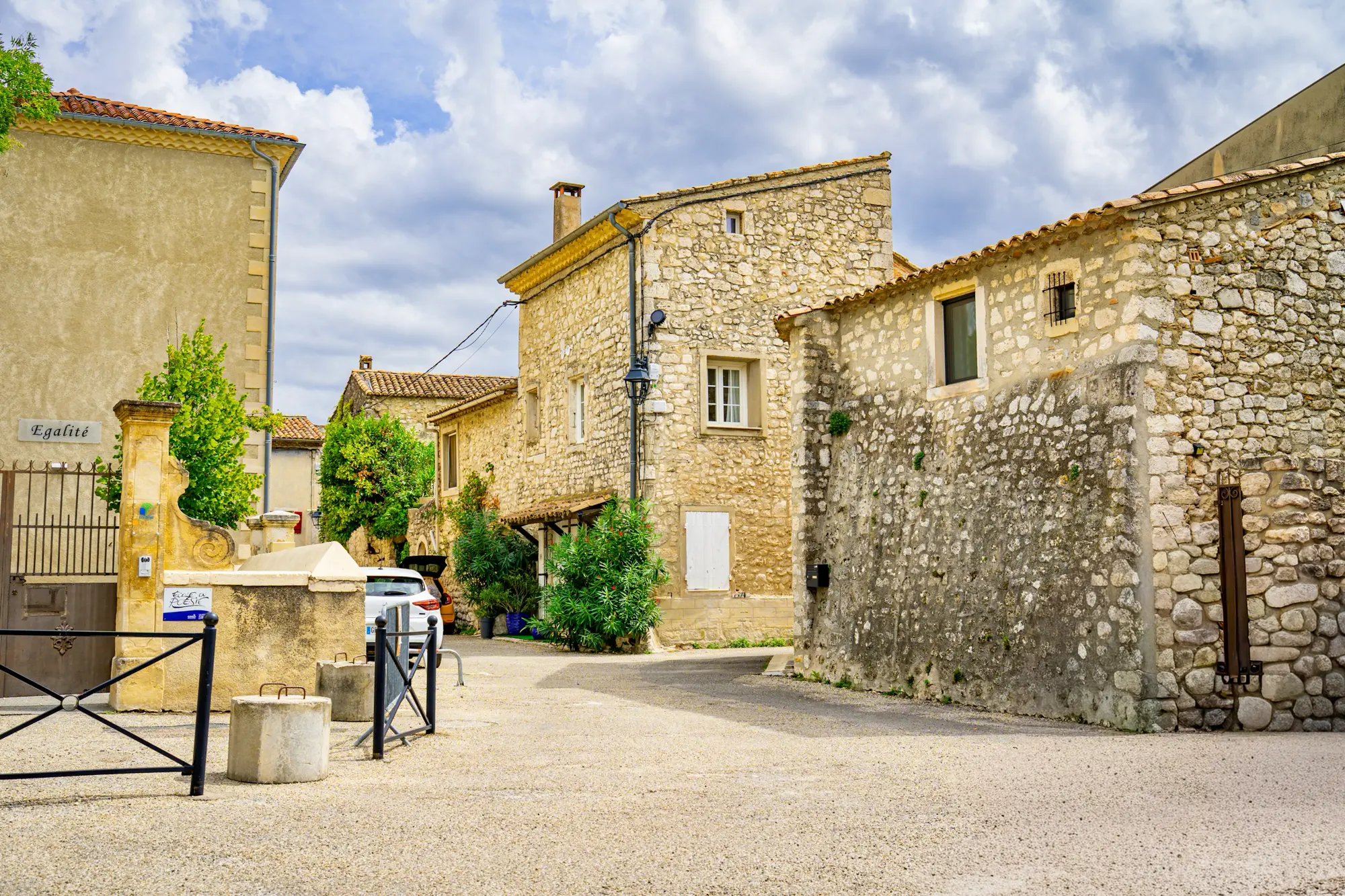
Leaving the misty vineyards of Burgundy behind, we pointed our bumpers south towards the sun-drenched, lavender-scented breeze of the Drôme Provençale. The promise of warm weather, peaceful surroundings, and dedicated relaxation time by a private swimming pool felt like the ultimate reward after days of constant movement.
After a deliciously leisurely breakfast, we headed south towards Grignan. The weather welcomed us with open arms—properly hot, but kept in check by a gorgeous, gentle breeze.
Our accommodation here is a dreamy little spot complete with a swimming pool. It’s wonderfully peaceful, offering prime conditions for some high-grade Kindle time by the water.
Life is tough, but someone has to do it. Tomorrow we’re off to explore the medieval streets and feast on local figs.
Day 5: Figs, Fortresses, and BBQ
Medieval grandeur met high-altitude snacking as we dove deeper into Grignan's historic charm and prepped for our second big barbecue of the holiday. With pastries in our bellies and historic castles on the horizon, every single moment felt perfectly tuned to the slow, joyful rhythm of southern French living.
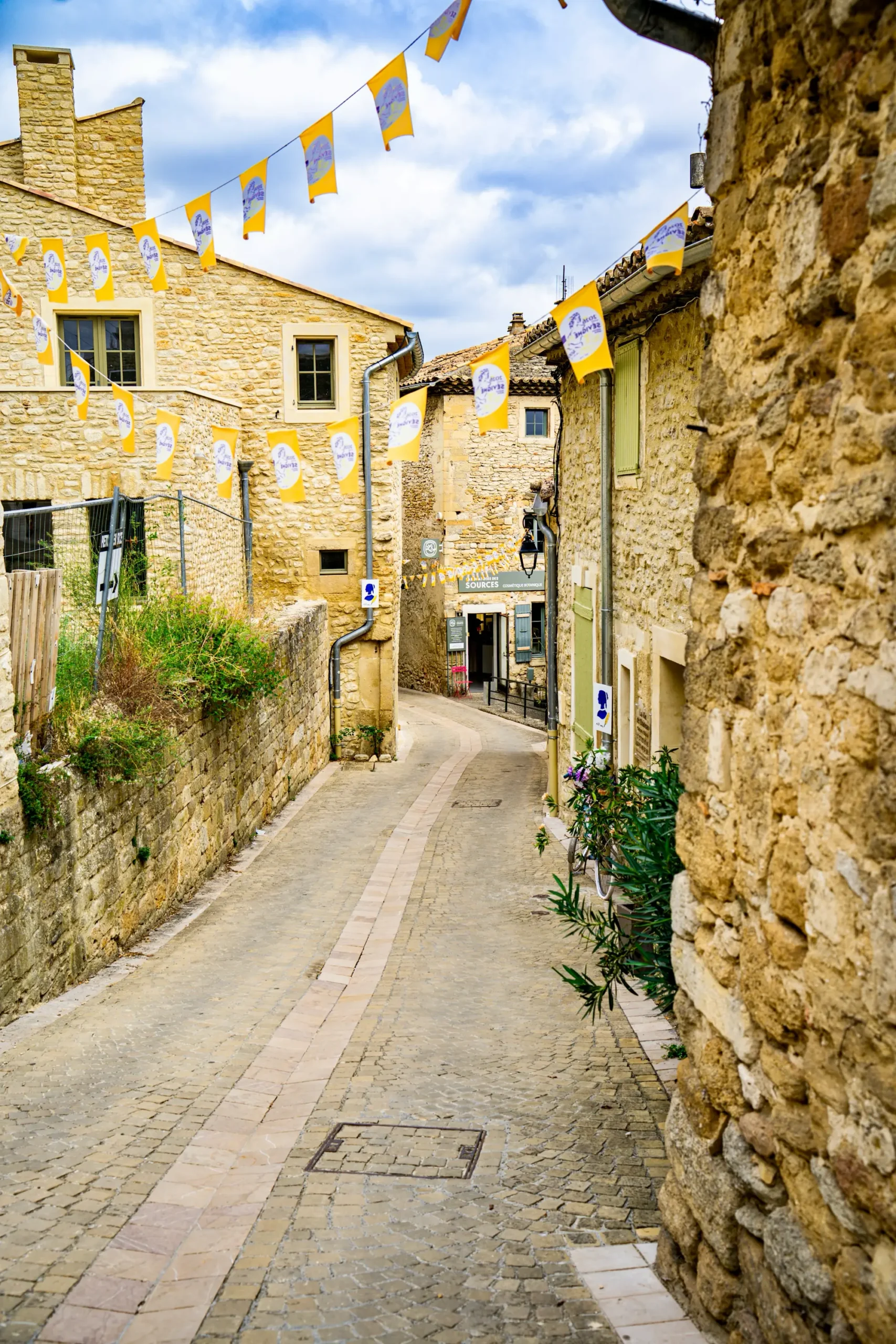
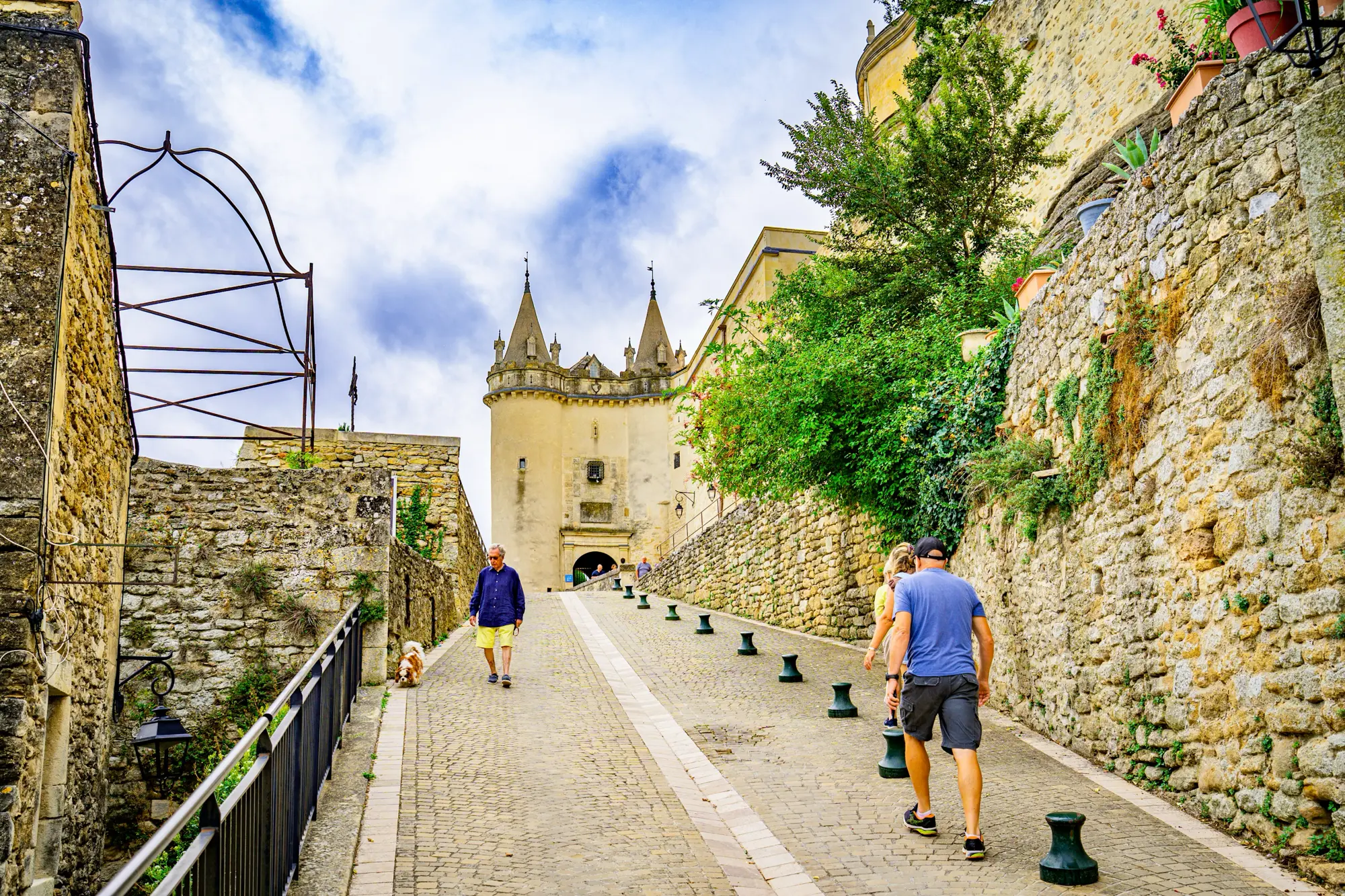
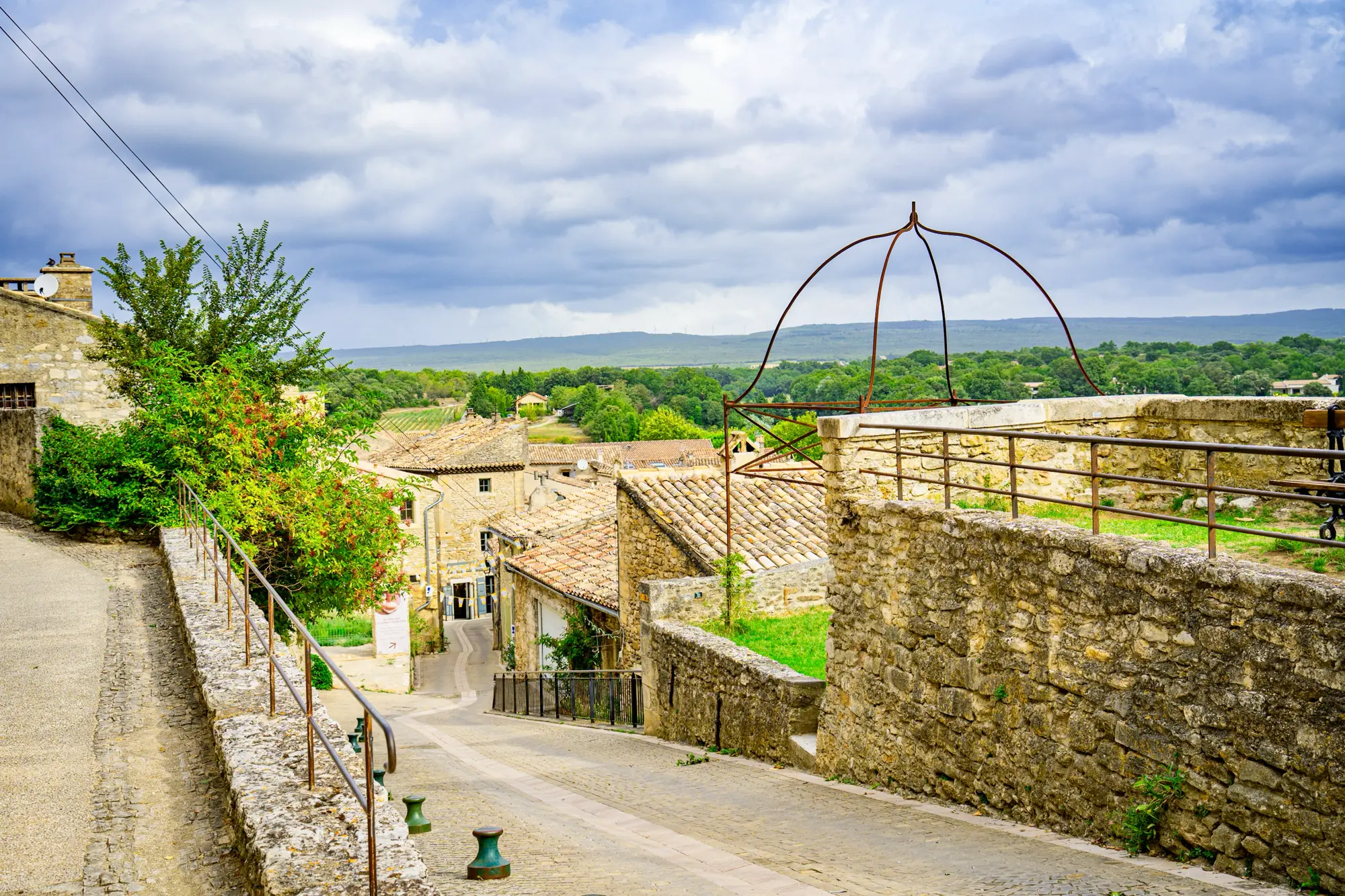
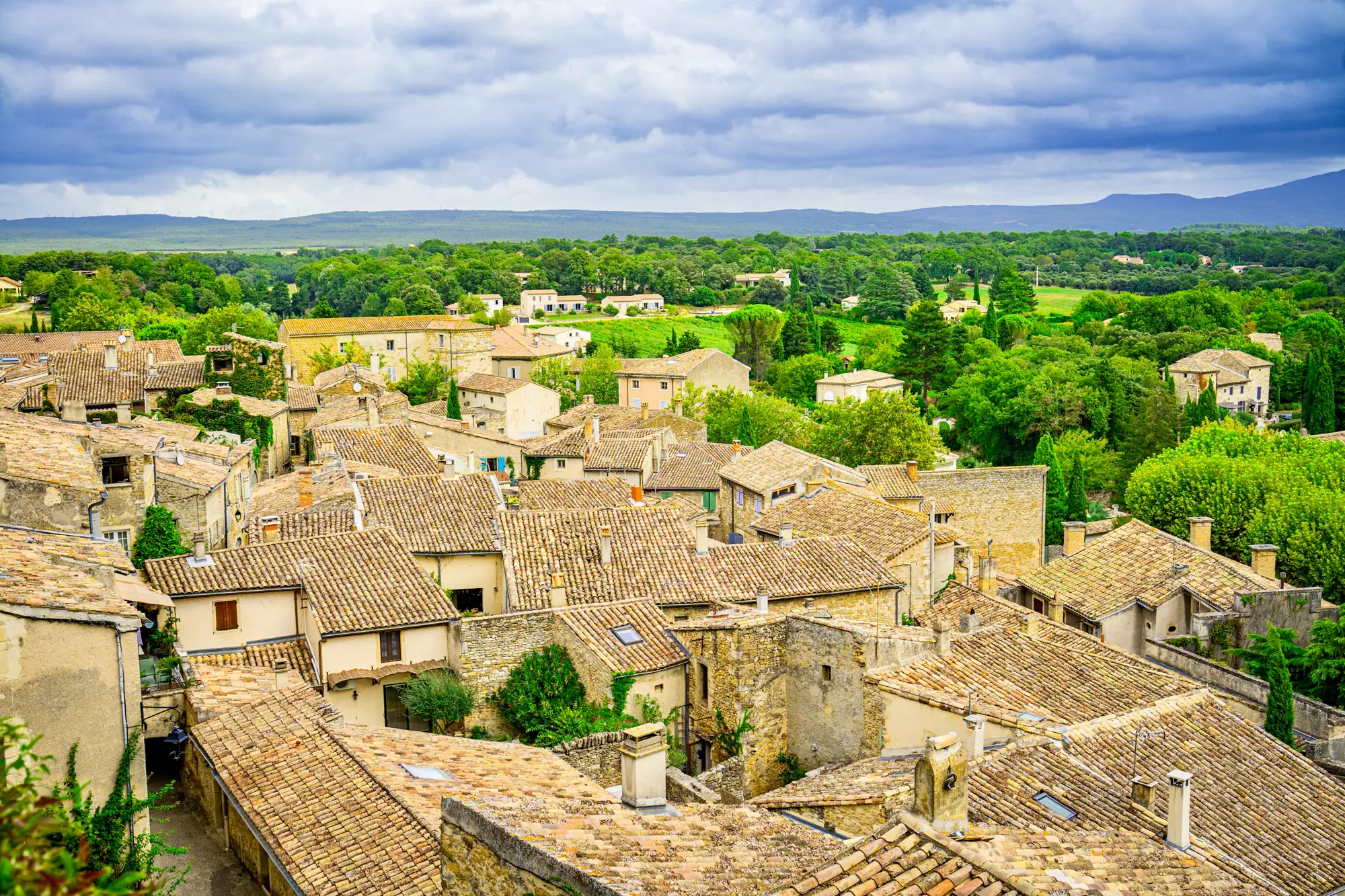
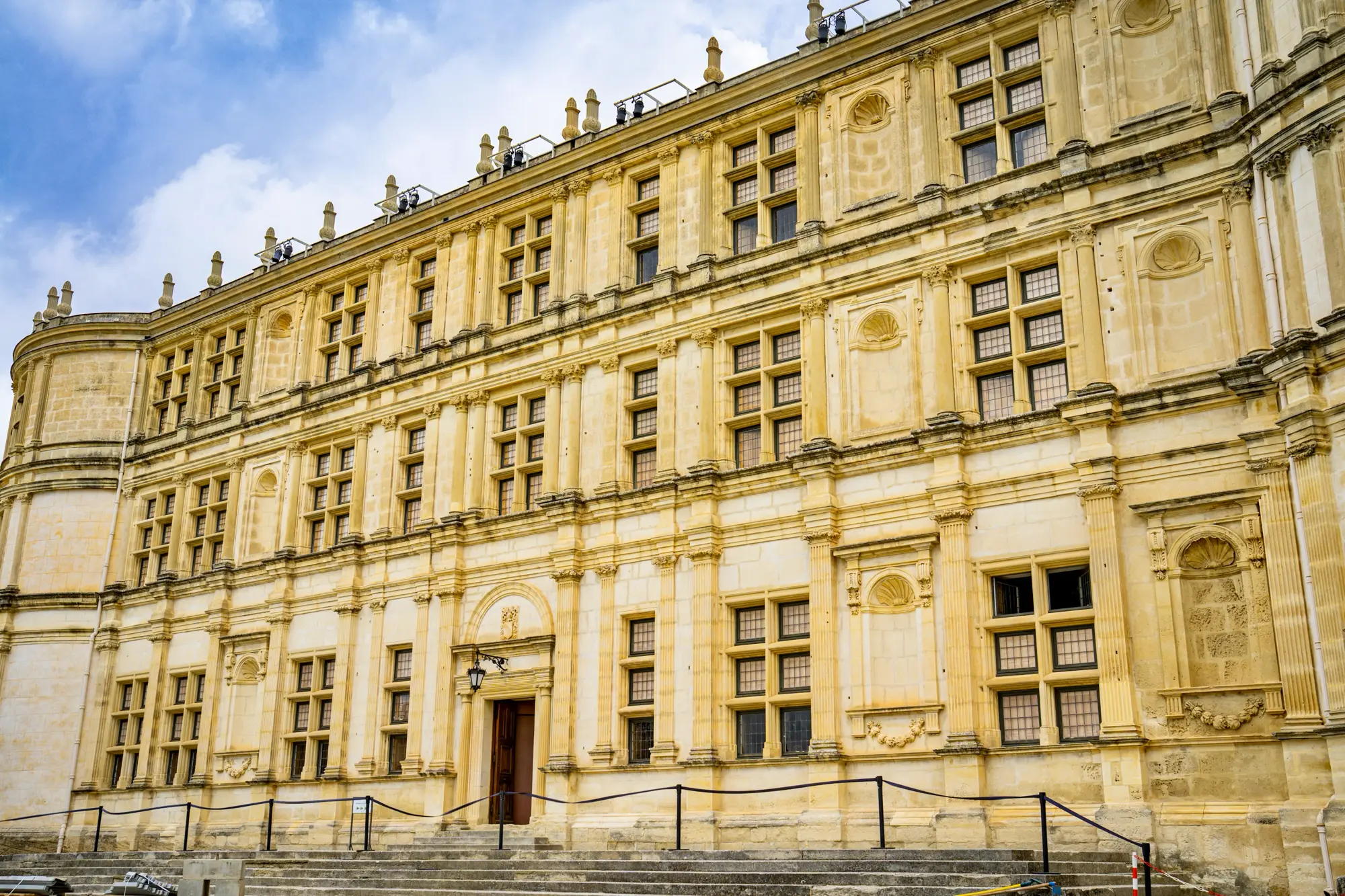
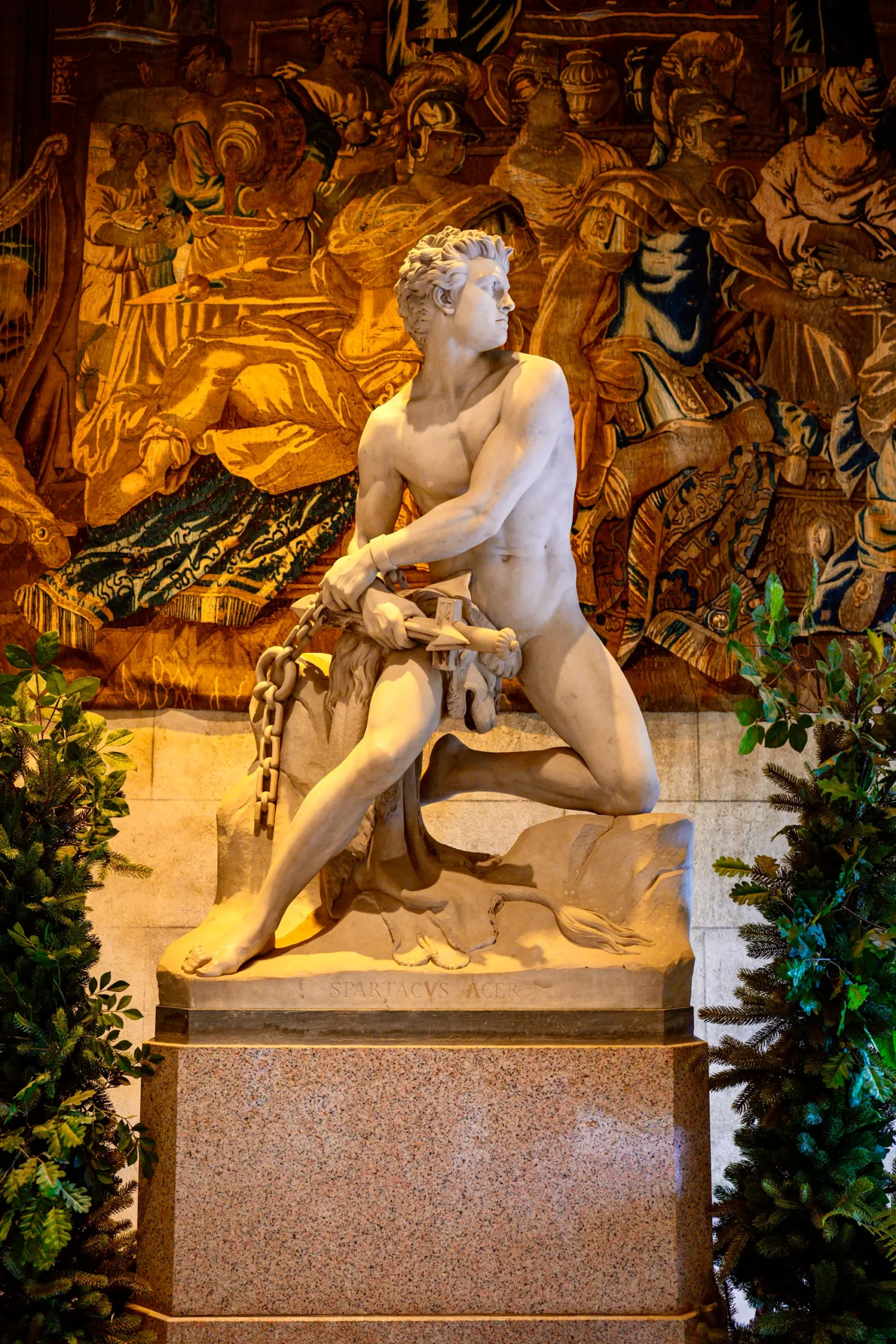
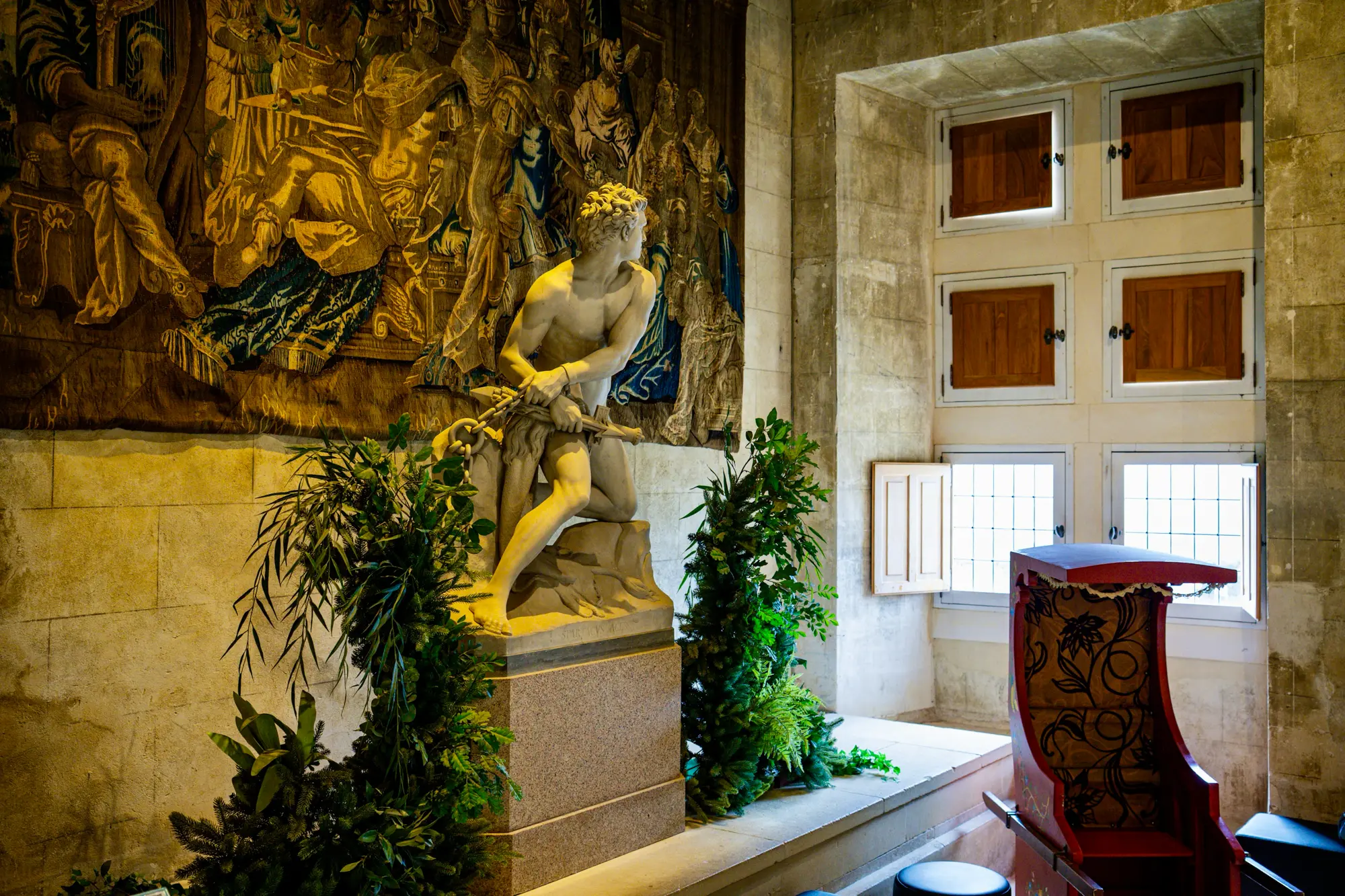
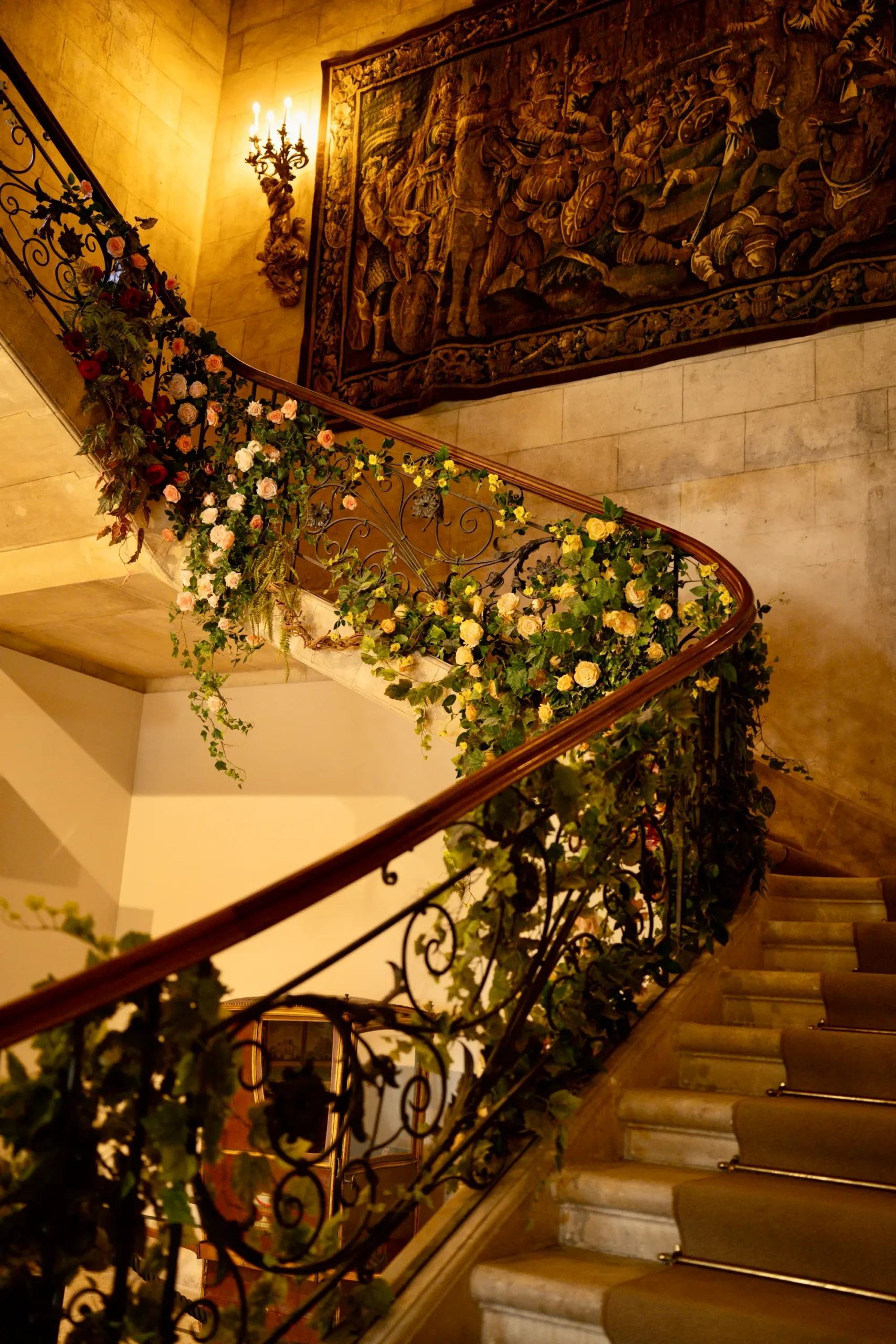
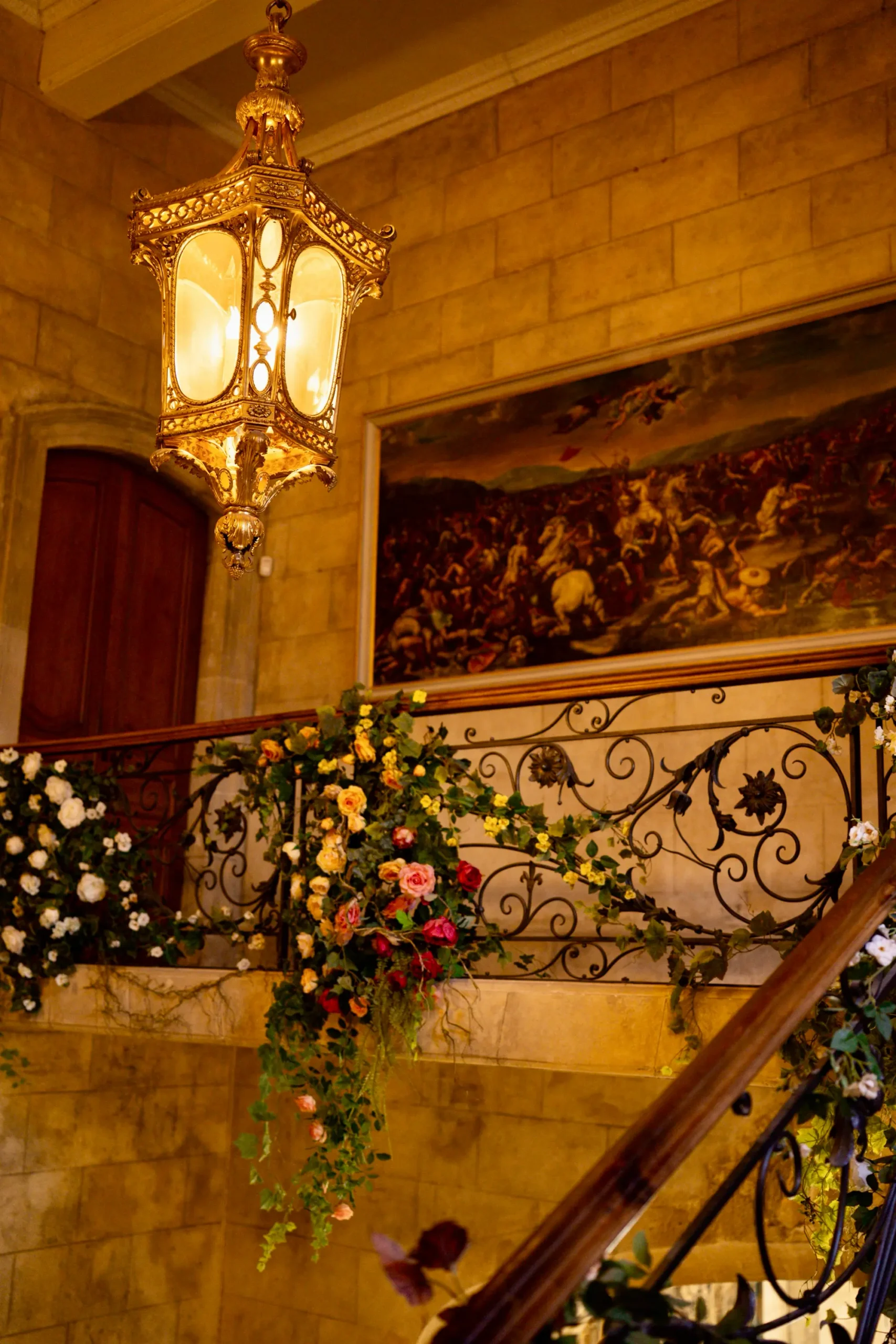
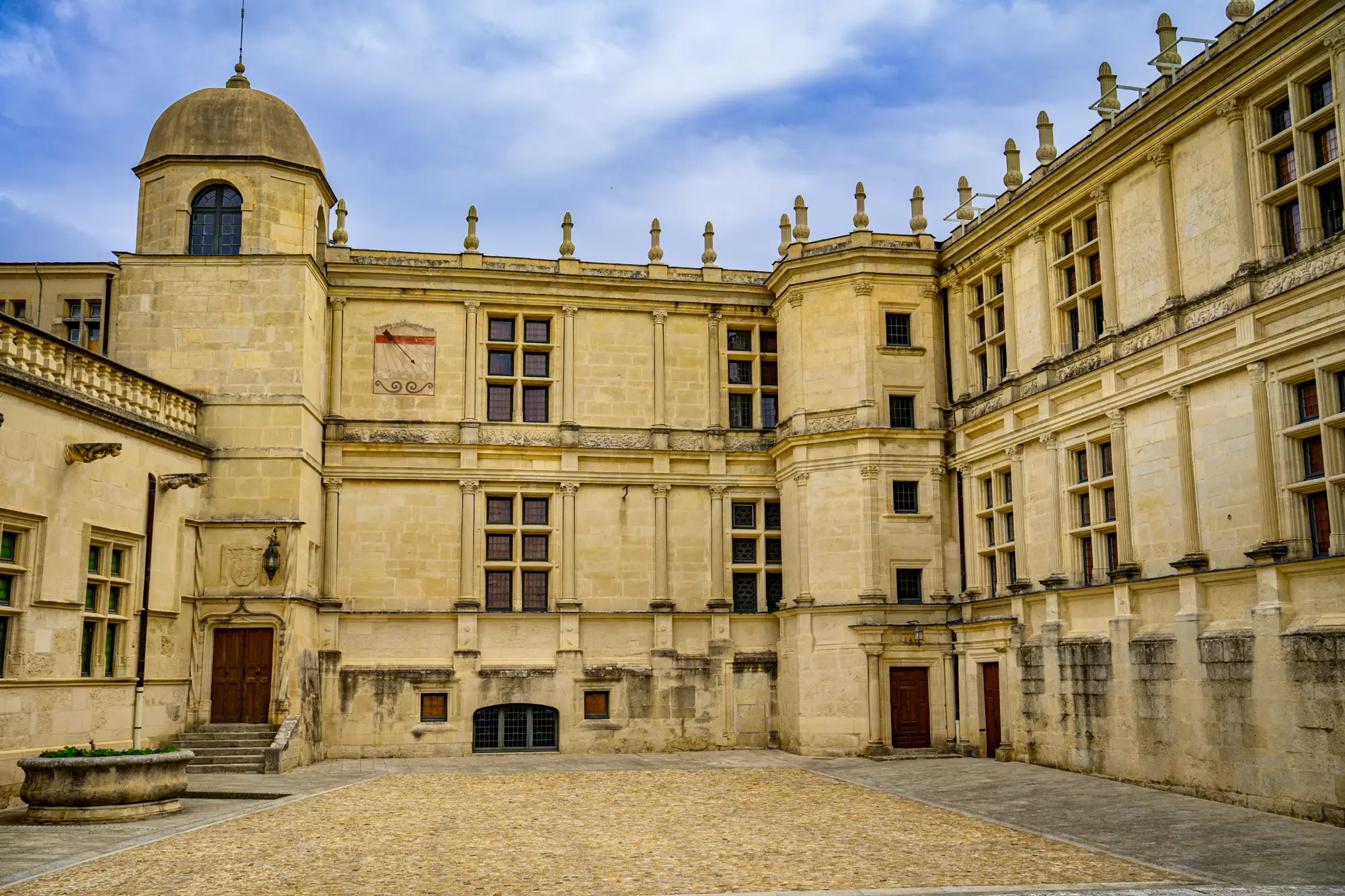
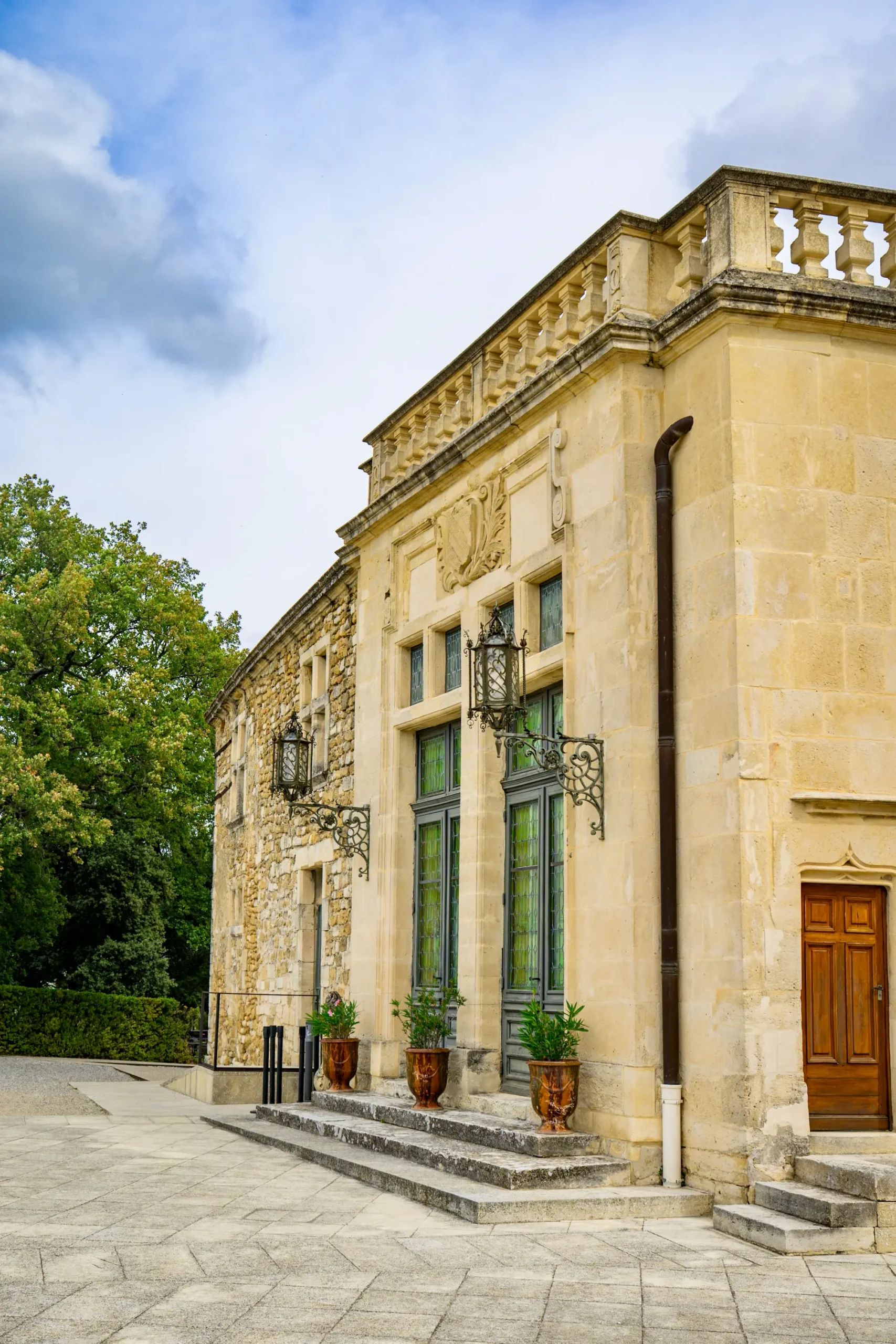
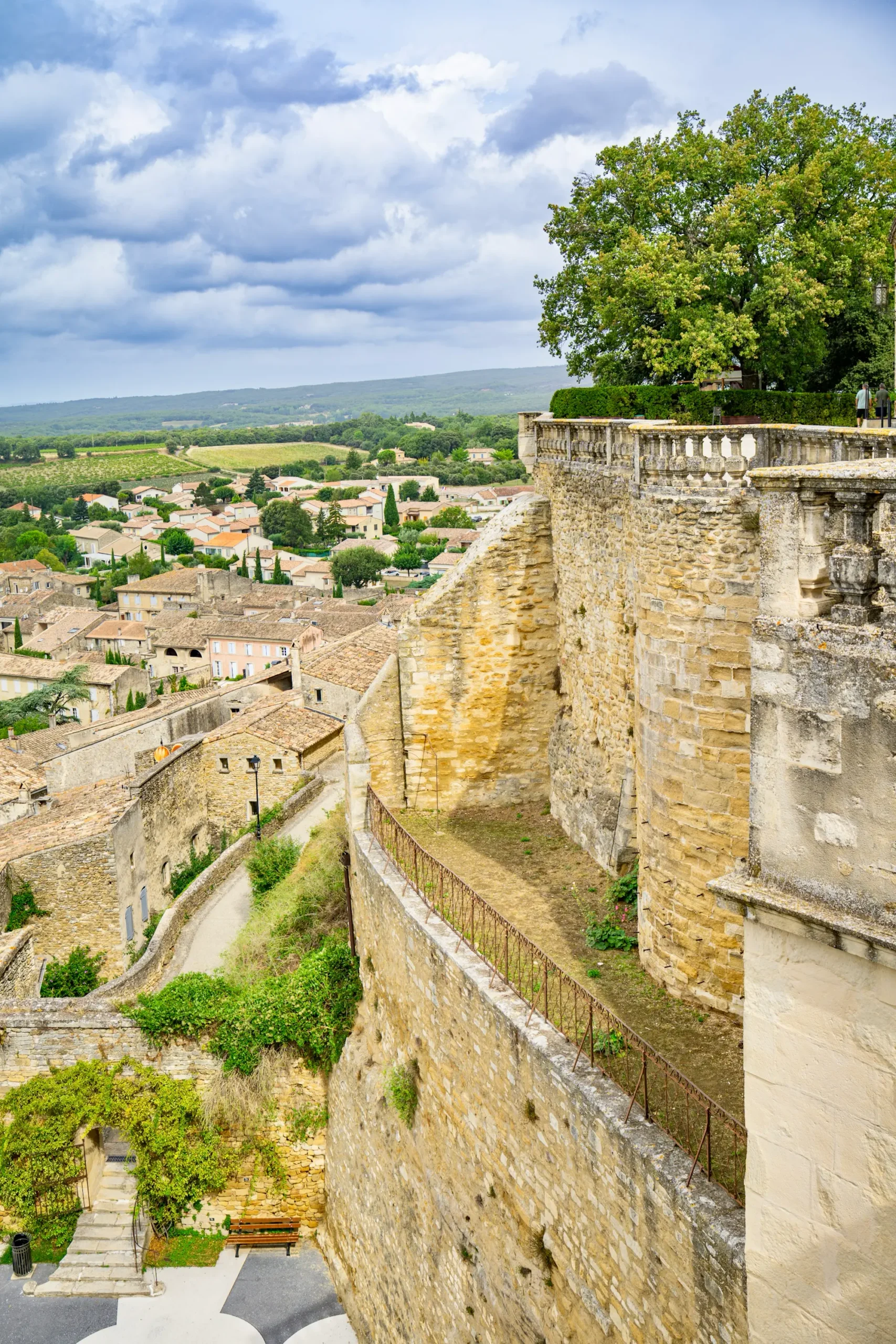
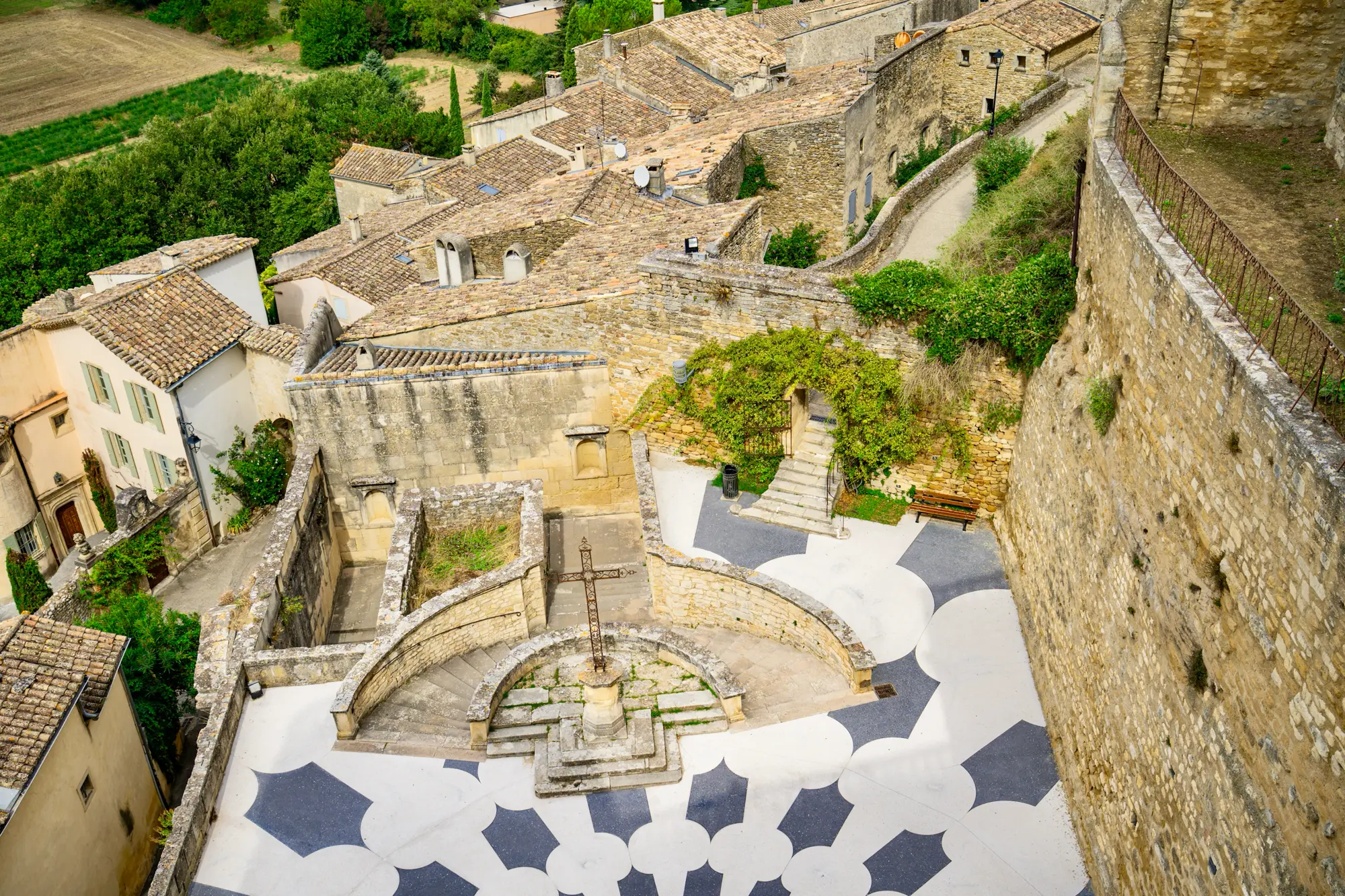
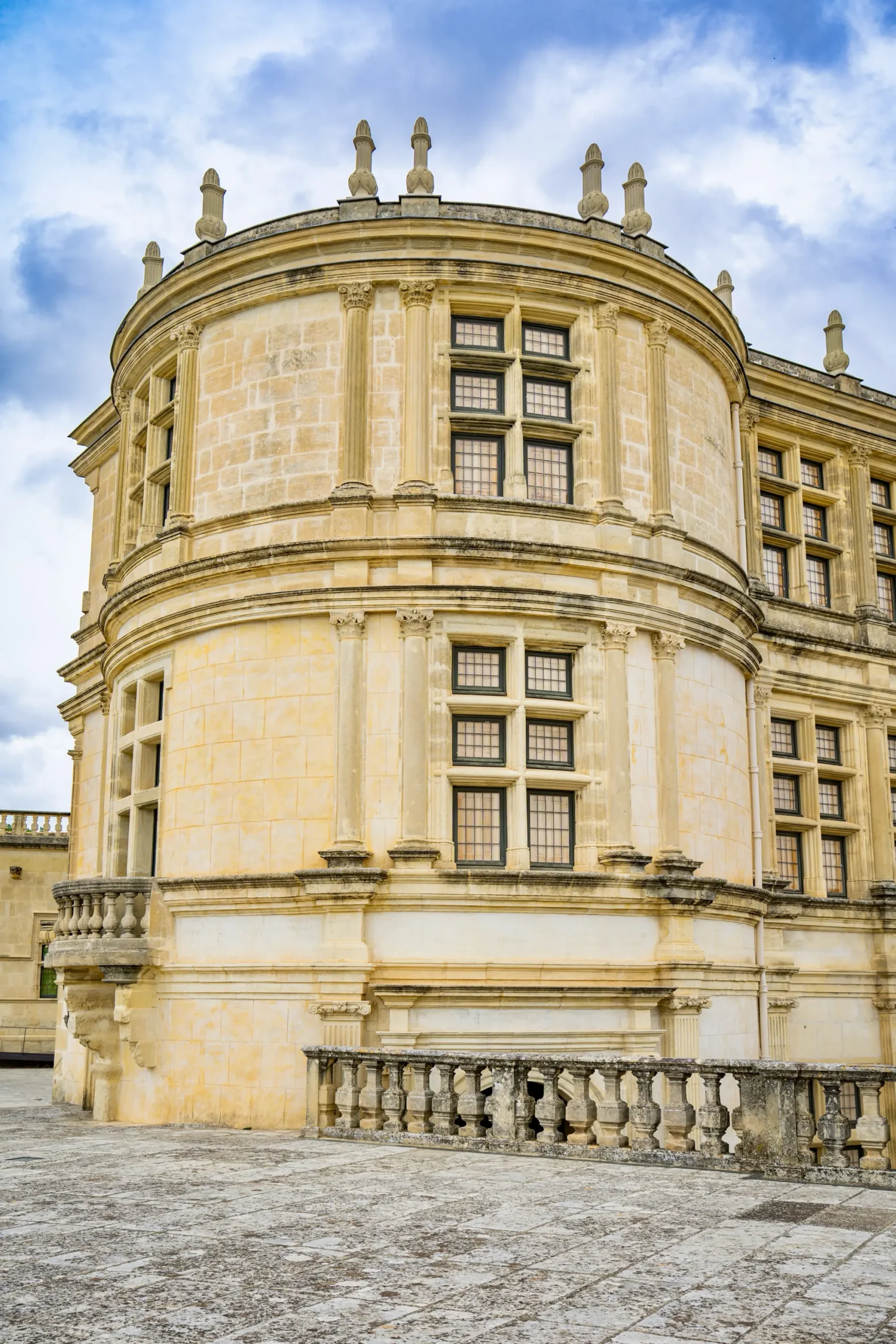
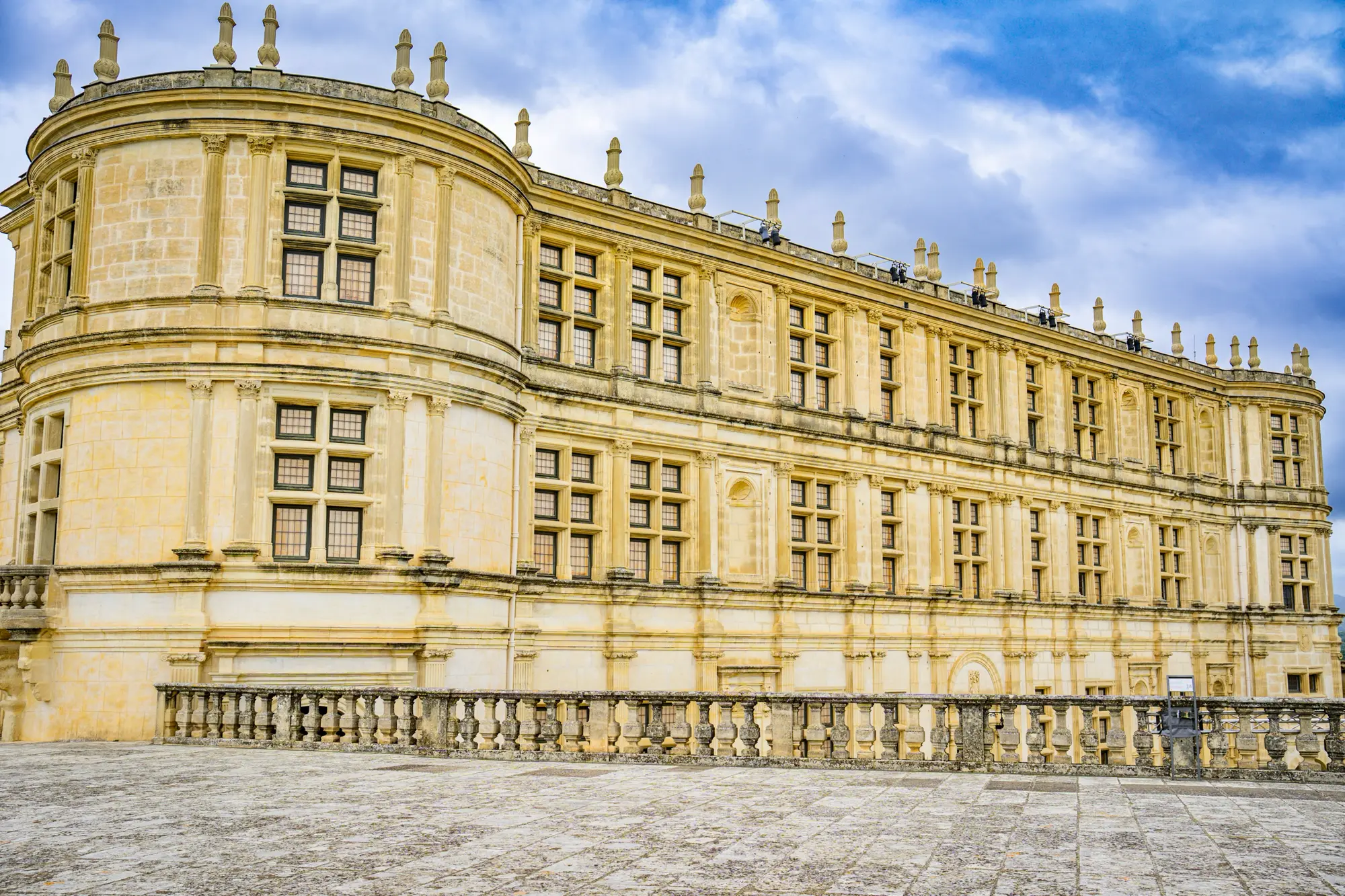
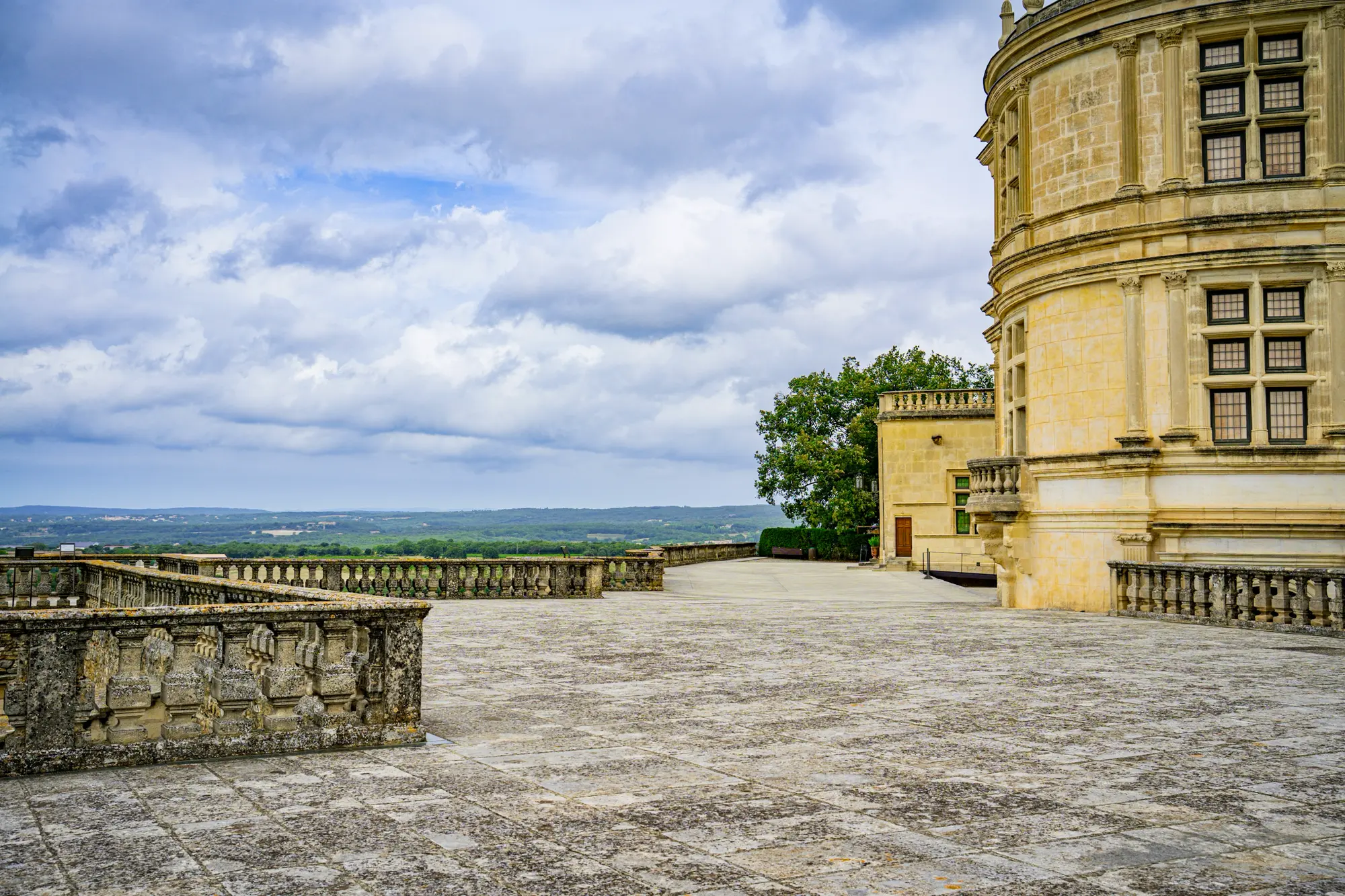
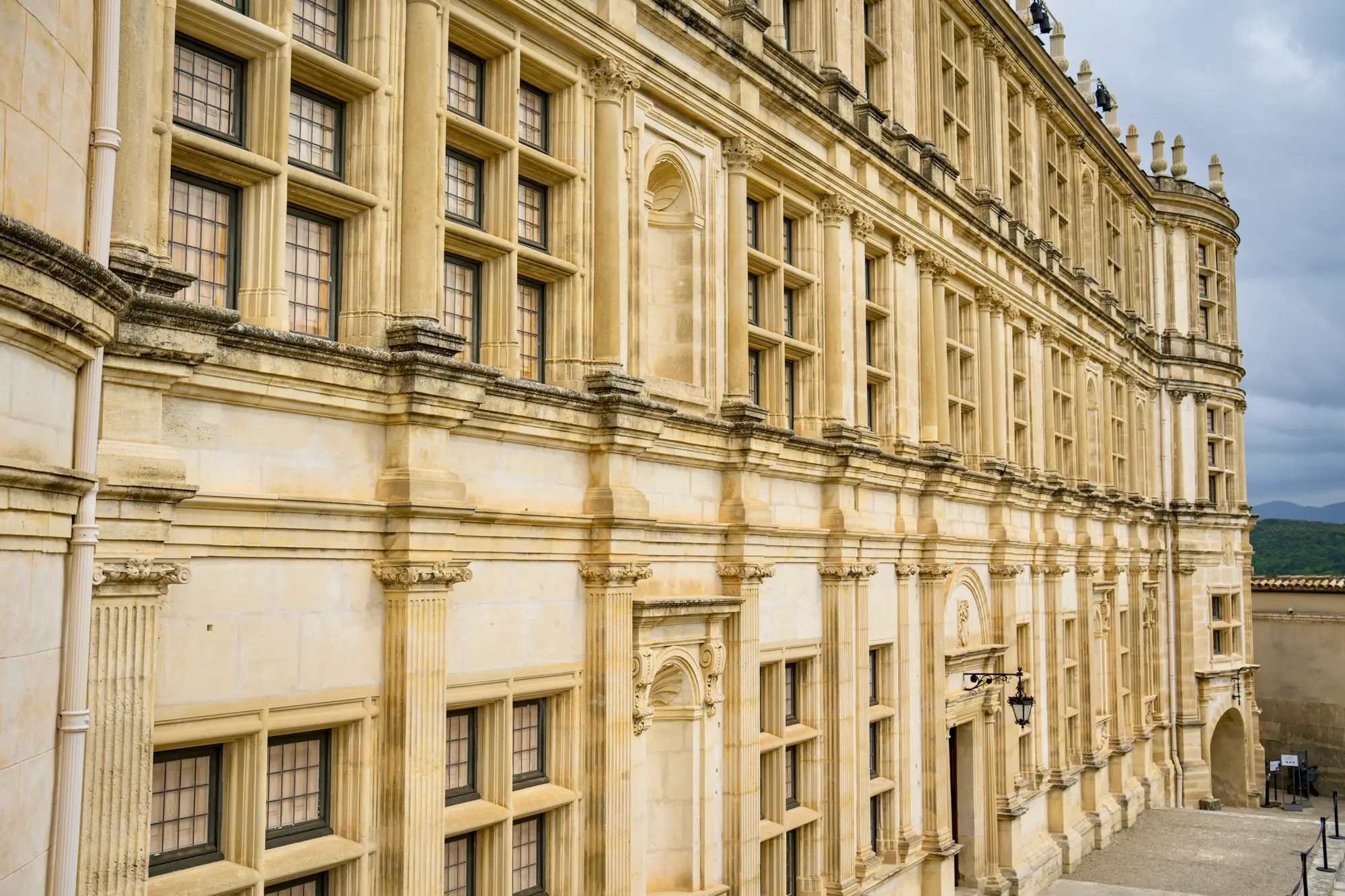
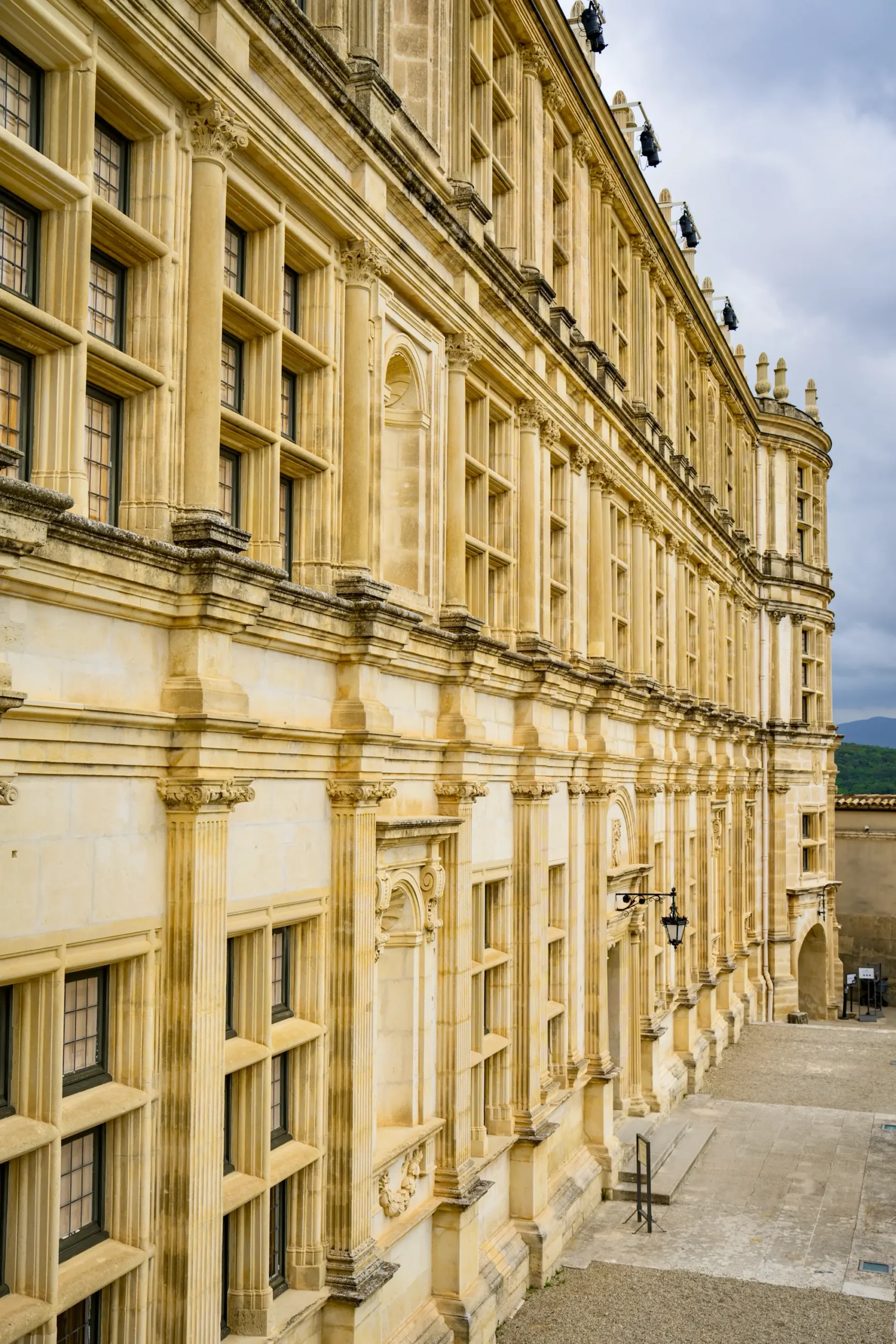
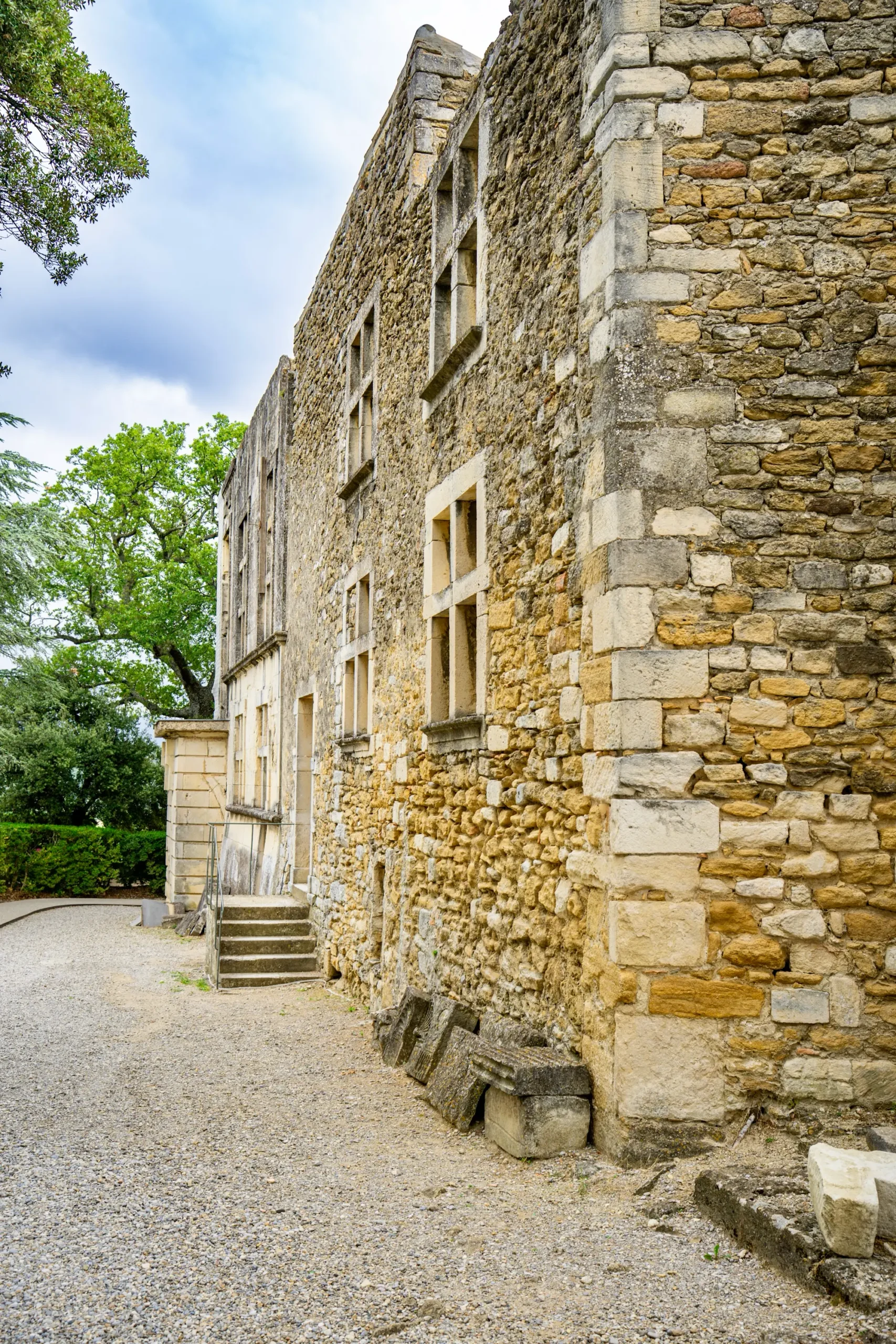
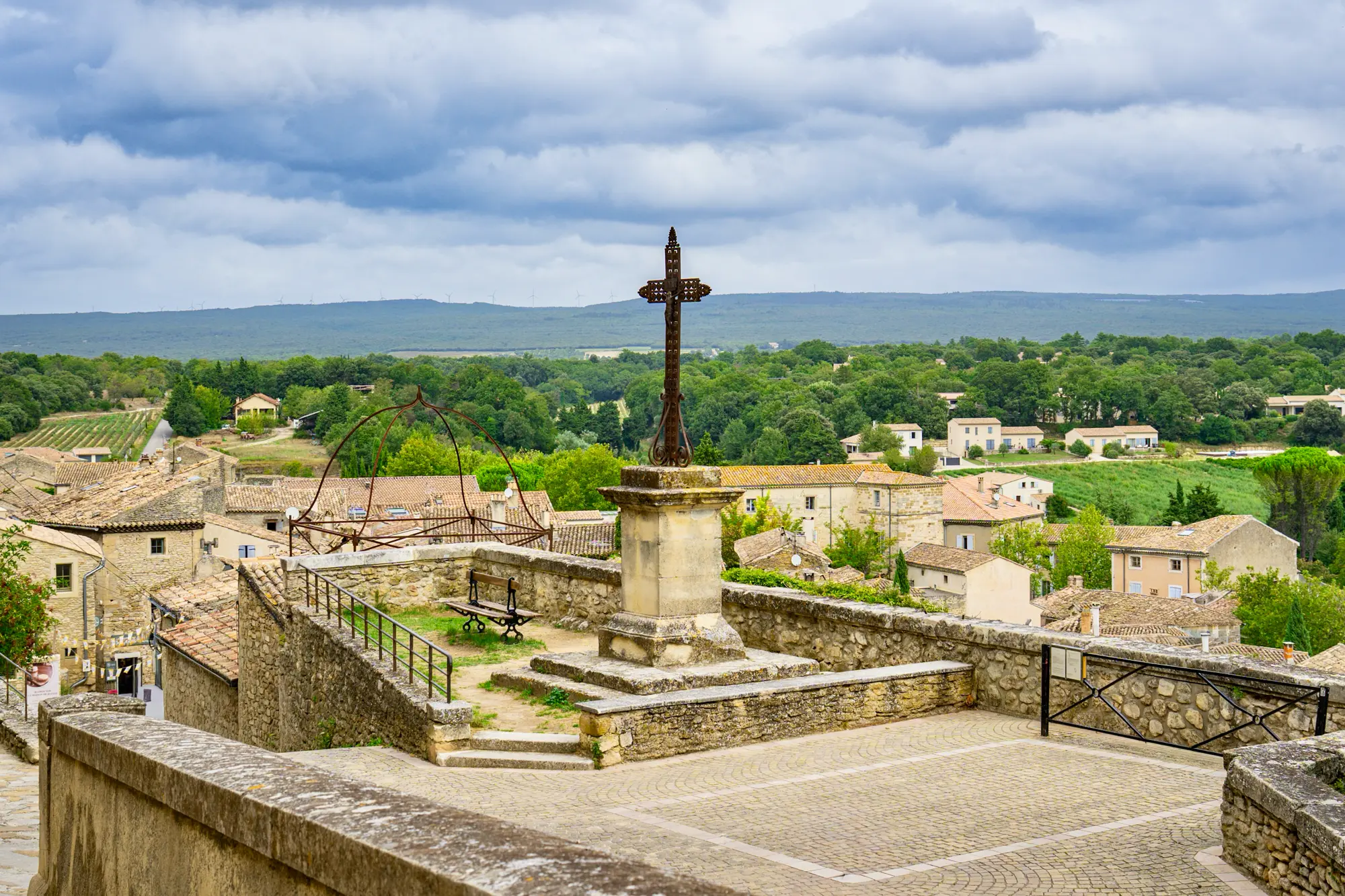
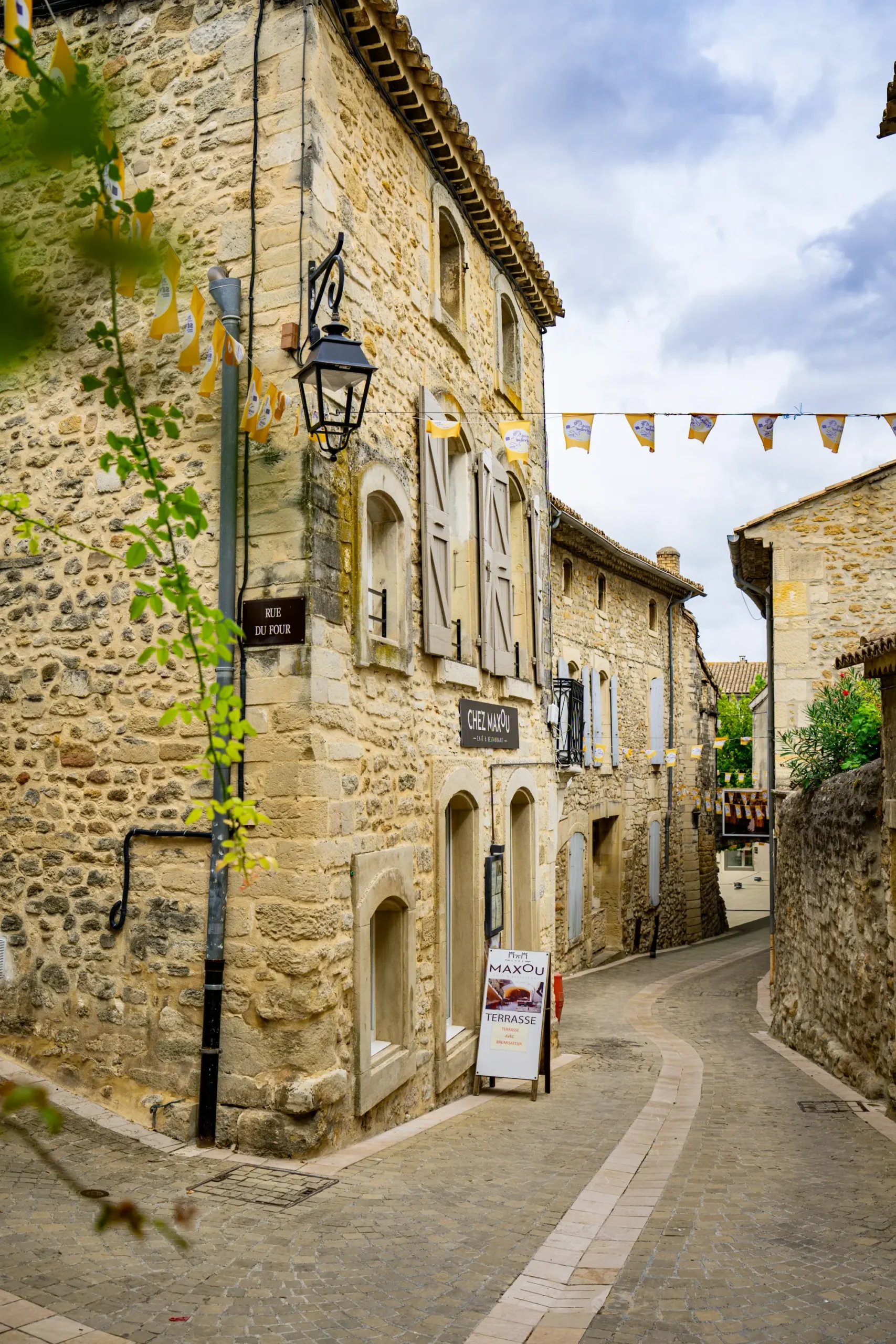
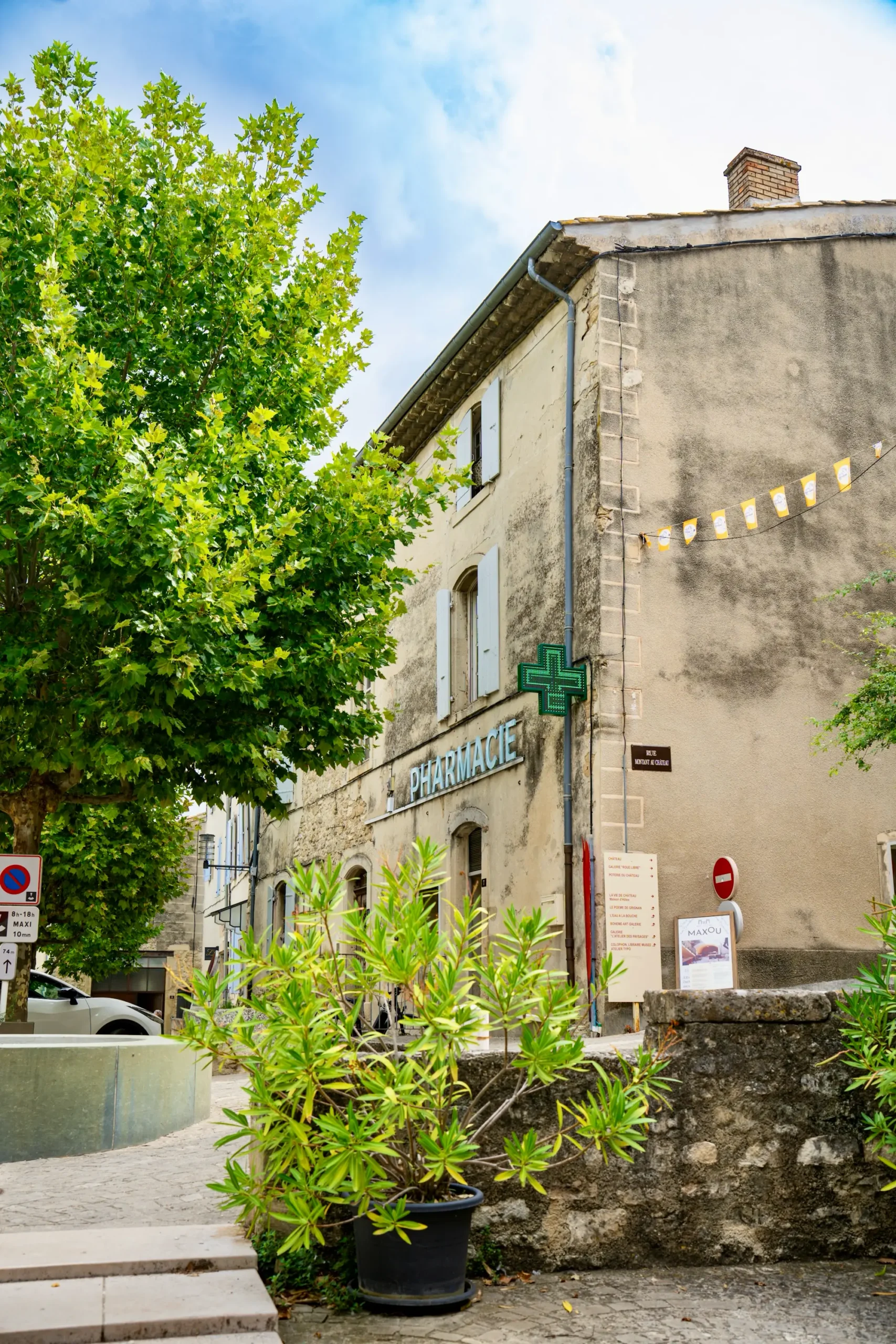
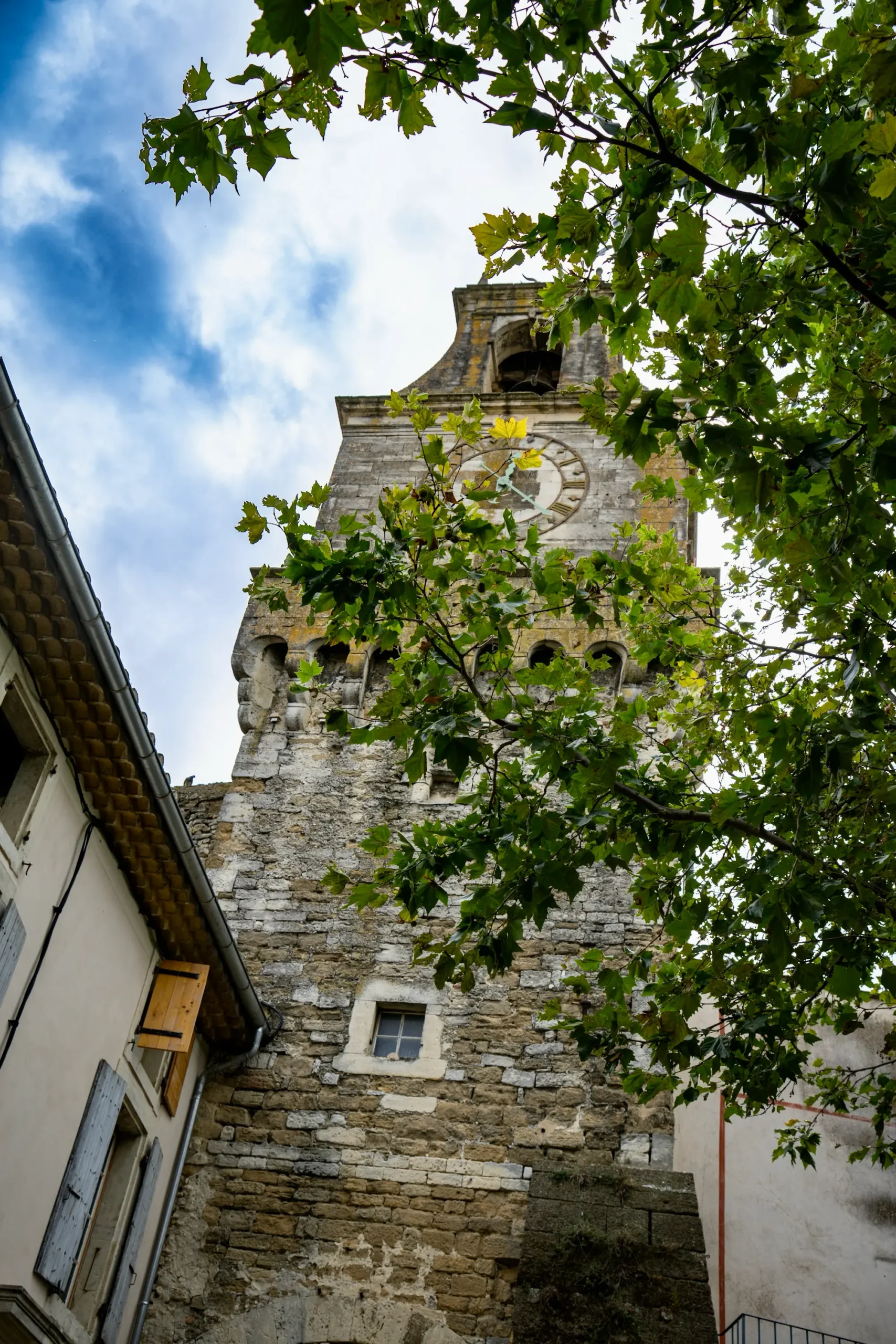
Fueled by an unhealthy amount of morning pastries, we marched up to explore the magnificent Château de Grignan and its stunning medieval village backdrop.
Later, a twenty-minute drive brought us to a stunning local beauty spot where Rooster and TT aggressively foraged figs straight from the trees. Naturally, they were paired with homemade ham baguettes courtesy of Cola’s catering service.
Back at the digs, we settled into our afternoon routine of poolside dips and serious Kindle reading. We capped it all off with our second successful barbecue of the trip. Tomorrow we pack up for a three-night stint at the legendary Verdon Gorge — Rooster is exceptionally pumped for this one!
Day 6: Conquering Mountains and En-Suite Tents
A dramatic, winding mountain drive tested our brakes, our collective patience, and the camper van's mysterious smoking habits before delivering us to the jaw-dropping Verdon Gorge. Finding a campsite nestled right against a rushing turquoise river made every single white-knuckle mile completely worth the effort.
Today was a proper mountain-climbing slog. TT&DD’s van ran into some smoking brake issues, though we suspect it was just throwing a tantrum from all the downhill engine-braking.
The reward? A campsite hugging the rushing river of the Verdon Gorge. Though our setups were a two-to-three-minute walk apart, it worked brilliantly—especially since Cola and Rooster’s tent came equipped with a luxury “sort-of-en-suite” shower and toilet setup.
After a hearty evening meal, collective exhaustion hit us like a freight train. Lights out early for everyone!
Day 7: Engagements, Views, and Confused Bartenders
High-altitude driving, breathtaking medieval marvels, and breaking international cocktail etiquette made for an unforgettable Sunday in the Gorge. Between celebrating wonderful family news over the phone and experiencing local culinary confusion, our days in the Verdon region proved to be endlessly entertaining and full of surprises.
Rooster bravely volunteered to steer us along the Route des Crêtes, delivering views so spectacular they nearly drove us off the road. We parked up and wandered into Moustiers-Sainte-Marie, an absolute postcard of a medieval village nestled in the cliffs.
Midway through an iced coffee, Rooster’s phone rang: Ads and Ambrose called to announce they’re officially engaged! Cue massive celebrations.
We finished the afternoon with a lakeside picnic at Lac de Sainte-Croix, surrounded by end-of-summer holiday makers. Dinner featured site-restaurant pizzas, beers, wine, and Rooster’s ultimate culinary faux pas: ordering a Ricard pastis with lemonade instead of water. The French waiter looked at him as though he’d just asked for ketchup on a croissant.
Day 8: Turquoise Waters and Total Chill
When unexpected canyoning cancellations threaten to ruin a morning, true road-trip champions pivot to private motorboats, hidden alpine lakes, and maximum relaxation. Trading hiking boots for boat capes allowed us to discover quiet turquoise coves and soak in the majestic landscape from an entirely different perspective.
Our planned canyoning adventure got canned, so we improvised brilliantly. We drove up to Lac de Castillon, parked at Saint-Julien-du-Verdon, and hired a little motorboat for a very reasonable forty euros. Cruising around a dead-quiet, intensely turquoise alpine lake with panoramic views? Smiles all around.
We swung by a supermarket on the way back to Huttopia, then dedicated the entire afternoon to the holy trinity of holiday activities: chill, chill, and more chill by the pool.
It’s our last night at this stunning site before an early start tomorrow. Next stop: a five-hour slog up to Annecy!
Day 9: Kindles, Car Trouble, and Lake Annecy
Long drives, missing electronics, and lingering brake paranoia tested our zen as we rolled into the bustling Alpine playground of Lake Annecy. Discovering that our campsite was practically overrun by British holidaymakers added a funny, familiar twist to an otherwise stunning mountain lake destination.
We woke up early to the sound of rushing water, packed up, and hit the road for Annecy. Naturally, TT&DD’s van decided to reenact yesterday’s brake drama and called out the AA, who predictably found nothing wrong. Meanwhile, Rooster realised he’d left his Kindle back at Huttopia and was in a royal huff, frantically trying to negotiate ransom terms for its return.
The Annecy campsite is positively crawling with Brits—we haven’t heard this much English since Folkestone! Still, the setup is lovely, and we are ready to tackle the lake tomorrow.
Day 10: Backflips, Parachutes, and Questionable Restaurant Portions
With our missing Kindle finally recovered at an extortionate financial penalty, we spent an action-packed day swimming, sightseeing, and marvelling at extreme sports in Annecy. Between dramatic lakeside acrobatics and soaring paragliders overhead, the day showcased the breathtaking diversity of the French Alps in summer.
The missing Kindle ransom cost us thirty-eight quid. Robbing %&£€, but at least it’s heading home!
With logistics sorted, we headed out for a gentle stroll. True to form, Rooster marked the occasion with an unnecessarily showy backflip straight into Lake Annecy. We grabbed a harbour picnic before driving up to the ultimate Alpine viewpoint. Watching dozens of paragliders float off the cliff like giant birds was mesmerising—though Rooster and TT wisely resisted the urge to leap.
We looped the lake, checked out a the Chateau de Menthon-Saint-Bernard – just three-euro to visit, and hit the historic town centre. Dinner at a local “groundhog” restaurant delivered enormous, mediocre portions, salvaged only by complimentary shots.
A solid ten out of ten day!
Day 11: E-Bikes, Bottomless Lakes, and Moules-Marinières
Two wheels, electric assistance, and a sensational seafood feast made for an absolute masterpiece of an activity day around Lake Annecy. Gliding effortlessly past stunning shoreline views proved that e-bikes are quite possibly the greatest invention known to road-tripping mankind, especially when followed by a refreshing afternoon swim.
Today was bike day! Cola wisely sat this one out, but Rooster, DD, and TT hired e-bikes at 10 AM. It was Rooster’s first time on an e-bike, and he fell instantly in love. Zooming around the lake trail with stunning views and a scenic picnic stop is unbeatable.
The afternoon called for another swim in the lake, where we discovered you can touch the muddy bottom even a hundred meters out—unnerving, but fun!
Back at base, Rooster whipped up a gourmet storm of moules-marinières paired with a proper campsite BBQ. In the morning, we pack our bags and head across the border to Basel to catch up with KT and Ols.
Day 12: Corporate Towers and Impromptu Jazz
Modern corporate architecture in Basel gave way to an unexpected village jazz fiesta, proving that European road trips always keep you guessing. Reuniting with friends high above the city before stumbling into a lively local street party created a wonderfully surreal and memorable evening.
We rolled into Basel and headed straight to meet KT and Ols for a tour up the towering Roche headquarters—very corporate, very sleek, and boasting incredible city views. After a cosy home-cooked meal in their snug apartment, we returned to our quiet little village hotel, only to find the entire place transformed by an annual one-night jazz festival. Weird, slightly chaotic, but immense fun!
Day 13: Wooden Bridges and Lake Cruises
Lucerne’s historic charm and a peaceful boat cruise provided a picturesque backdrop for catching up with family in Switzerland. Walking across ancient wooden bridges while taking in the stunning alpine panoramas offered a wonderful dose of cultural exploration and relaxation.
After collecting KT, we drove down to Lucerne—what an absolute gem of a city, complete with famous wooden bridges and the melancholic Lion Monument. Meeting up with Ols, we wandered the streets before jumping aboard an hour-long lake cruise to soak in the stunning Alpine scenery.
We headed back to the hotel for a quiet couple of beers followed by an eye-wateringly expensive hotel dinner. Worth every penny, mostly because we were too tired to look for alternatives!
Day 14: Floating in the Rhine and Schnitzel Suppers
Swimming in a major European river and crossing back into Germany marked a memorable, action-packed transition day full of character. Floating down warm river currents and touring historic old towns before settling into Schnitzel in the campsite restaurant made for an exceptional travel experience.
After taking the tram into Basel, Rooster decided that swimming in the Rhine was a life goal that needed ticking off. For thirty glorious minutes, Rooster, TT, and Ols just floated down the twenty-plus-degree river, watching the city drift past.
After a whirlwind tour of the old town, complete with a tiny dragon church and a river-powered ferry, we said fond farewells to KT and Ols. Next stop: Titisee in Germany!
Our accommodation here is luxurious with gorgeous lake views. We drove over to check out TT&DD’s campsite pad, then wolfed down a massive round of schnitzels at the local restaurant.
Day 15: Black Forest Cake and Quiet Towns
A sleepy Sunday in Titisee gave us a chance to catch our breath, indulge in legendary local cuisine, and enjoy peaceful forest surroundings. Finding out that a bustling tourist town had only one restaurant open added a quirky challenge to our quest for traditional German comfort food.
After a glorious, well-earned lay-in, both couples strolled down to Titisee town center for lunch. Oddly enough, for such a bustling tourist hotspot, only one restaurant seemed to be open!
Naturally, we fulfilled our two mandatory German culinary duties: Rooster and TT tackled a colossal Schweinshaxe(knuckle of pork), while DD successfully hunted down her sacred Black Forest gateau. Stuffed and satisfied, we headed back for another wonderfully early night.
Day 16: Gondolas, Waterfalls, and Weisswurst
High-altitude cable cars, cascading waterfalls, and scenic lake views filled our final full day in the Black Forest with fresh mountain air. Experiencing the region's best natural wonders before enjoying a hearty meal of authentic sausages provided a fitting grand finale to our German leg.
Rooster bundled everyone into the car and drove up to Feldberg to catch the highest cable car in the area for sweeping views. Next came a quick stop at the lovely Menzenschwand waterfall, followed by a sneaky ice cream break at Schluchsee lake while watching dinghies race.
After charging the car and stocking up at the supermarket, we returned to base for a simple Thai-inspired dinner. To top it off, Rooster treated everyone to authentic Weisswurst. TT&DD then strolled back to their campsite to prep for tomorrow’s migration to Colmar.
Day 18: Eguisheim Magic and Stork Nests
A gorgeous Uber ride to Eguisheim delivered the best meal of the entire holiday, surrounded by fairytale architecture and huge nesting storks. Wandering through medieval cobblestone streets before indulging in carafes of wine and cascading desserts made it a day to remember forever.
Finding bakery supplies required some improvisation today, but Timmy Tours successfully scouted out an Uber to Eguisheim. Wow, what a place! Cobbled streets, fairytale architecture, and massive stork nests perched precariously on every rooftop.
After dodging tourist traps, we found a sensational local Italian restaurant. Between the carafes of wine, incredible food, and a decadent trio of desserts each, it easily took the crown for best meal of the trip. The return bus cost more than the Uber and left us with a brutal mile-long walk back, but the afternoon Kindle-and-pool recovery session made it worthwhile.
Day 19: The Chocolate Museum and Bubbles of Nostalgia
Sugar overloads at a dedicated chocolate museum and a celebratory bottle of bubbly helped us reflect on three weeks of unforgettable adventures. Sampling sweet treats until we nearly felt sick proved our unwavering dedication to holiday research before looking ahead to our final stops.
Morning bakery supplies delivered proper apple pastries, sending Rooster and TT into raptures of joy.
Democracy chose the itinerary today, leading us straight to the “Chocolate Story” museum. Excellent exhibits, though the chocolate samples arrived a bit late in the tour—by which point we ate so many we felt violently ill. Never say we don’t commit to research!
After sampling traditional tarte flambée (think thin pizza with bacon and onions) for lunch, we spent our final afternoon chilling. Pop went the cork on a bottle of bubbly in the evening as we reminisced over three weeks of madness. One final stop in Metz tomorrow before home!
Day 20: Staircase Workouts and Birthday Feasts
Historic hotels with zero lifts and steep French staircases tested our leg muscles before we celebrated Cola’s birthday in magnificent style. Checking into an old-world hotel right opposite an impressive cathedral set the stage for an extraordinary evening of fine dining and heartfelt celebrations.
We rolled into Metz and checked into a charmingly antiquated old-world hotel. Naturally, there was no lift, and our room was up on the third floor—an unexpected leg-day workout!
The hotel sat directly opposite the cathedral, continuing France’s streak of building impossibly impressive places of worship. More importantly, it was Cola’s birthday, which we celebrated with a phenomenal dinner booked at La Fleur de Ly. What an absolute culinary triumph to cap off the trip.chocolate story museum
Day 21: The Final Countdown and Home Bound
One last comedic car park puzzle, an early Eurostar train ride, and the sobering reality of the gym awaited as our epic European road trip drew to a close. Trading foreign motorways for a comforting cup of British tea made the bittersweet ending feel completely worthwhile and grounding.
After a final breakfast, our little convoy splintered off in different directions. Naturally, our final exit from the car park required comedic relief when the automated barrier refused to open because our car wasn’t on the floor pressure pad to trigger the exit barrier!
We waved down an attendant, bypassed the drama, and after an eventless journey and one charging stop we managed to bag an earlier Eurostar train home—cueing up a desperate yearning for a proper British cuppa.
Now we have six weeks until our next adventure to the South Pacific… and precisely one day until the gym. Gulp!