

No planned trips scheduled.
Size & Geography: Brazil covers an area of approximately 8,514,877 square kilometers (3,288,000 sq mi), making it the largest country in both South America and the Latin American region. It is located in the eastern and central parts of the continent, bordering the Atlantic Ocean to the east, and sharing borders with every country in South America except Ecuador and Chile.
Population: As of 2020, Brazil’s estimated population is approximately 212 million people, with a population density of about 25 people per square kilometer (65 people per square mile).
Brazil has a rich and diverse history, with various indigenous civilizations dating back to the 13th century. The Portuguese established the first European settlement in 1532, and the country became a major colonial power. Brazil declared independence in 1822 and became a republic in 1889. The country has experienced periods of military rule, economic growth, and social change, with significant contributions to the arts, culture, and politics.
Rio de Janeiro is a vibrant and stunning city located in the southeastern part of Brazil. Known for its breathtaking beaches, lush tropical forests, and iconic landmarks, Rio is a must-visit destination for any traveler. The city’s famous beaches, such as Copacabana and Ipanema, offer a perfect blend of relaxation and excitement, with crystal-clear waters, powdery white sand, and a lively atmosphere. In addition to its beautiful beaches, Rio is home to the iconic Christ the Redeemer statue, one of the Seven Wonders of the World, and the vibrant neighborhood of Lapa, known for its street art, music, and nightlife.
From hiking in the Tijuca Forest to exploring the historic center, Rio de Janeiro has something for everyone. The city’s warm and welcoming atmosphere, combined with its rich cultural heritage and stunning natural beauty, make it an unforgettable destination for any traveler.
Size & Geography: Argentina is the second-largest country in both South America and the Latin American region after Brazil, covering an area of approximately 2,780,400 square kilometers (1,073,518 sq mi). It is located in the southern part of the continent, bordered by Chile to the west, Bolivia and Paraguay to the north, Brazil to the northeast, Uruguay and the South Atlantic Ocean to the east, and the Drake Passage to the south.
Population: As of 2020, the estimated population of Argentina is approximately 45.6 million people, with a population density of about 16 people per square kilometer (41 people per square mile).
Argentina has a rich and complex history, with various indigenous groups inhabiting the region for thousands of years before the arrival of European colonizers in the 16th century. The country declared independence from Spain in 1816 and went through a series of wars and coups until the establishment of a democratic government in 1983. Today, Argentina is a federal republic with a president as head of state and government.
Misiones is a province located in the northeastern part of Argentina, bordering Brazil and Paraguay. It is known for its lush tropical forests, waterfalls, and diverse wildlife. The province is home to the Iguazú Falls, one of the world’s largest and most impressive waterfalls, which attracts millions of tourists each year. Misiones is also famous for its Jesuit missions, which were established in the 17th century and are now UNESCO World Heritage Sites. The province has a rich cultural heritage, with a blend of indigenous, Spanish, and Italian influences. Visitors can explore the beautiful scenery, learn about the history and culture, and enjoy outdoor activities such as hiking, birdwatching, and rafting.
Buenos Aires, the capital city of Argentina, is a vibrant and eclectic metropolis that seamlessly blends European and Latin American cultures. The city’s rich history, stunning architecture, and lively atmosphere make it a fascinating destination for travelers. From the grand Plaza de Mayo to the colorful streets of La Boca, Buenos Aires is a city that will captivate your senses and leave you wanting more.
With its world-class museums, theaters, and restaurants, Buenos Aires is a hub for art, culture, and entertainment. Take a stroll through the picturesque Recoleta Cemetery, visit the iconic Obelisco, or indulge in a delicious asado at a traditional parrilla. Whether you’re a foodie, a history buff, or a music lover, Buenos Aires has something for everyone.
Size & Geography: Peru covers an area of approximately 1,285,216 square kilometers (496,225 sq mi) in western South America. It is bordered by Ecuador and Colombia to the north, Brazil to the east, Bolivia to the southeast, Chile to the south, and the Pacific Ocean to the west.
Population: As of 2020, the estimated population of Peru is approximately 32.9 million people, with a population density of about 24 people per square kilometer (62 people per sq mi).
Peru has a rich and diverse history, with evidence of human habitation dating back to around 20,000 BCE. The Inca Empire was a major power in the region from the 13th to the 16th century, until the arrival of the Spanish conquistadors in the 16th century. Peru gained independence from Spain in 1821 and has since been a republic, with a tumultuous history marked by periods of civil war and economic instability.
Miraflores is a district of the Lima Province in Peru. It is a popular tourist destination known for its scenic coastline, upscale shopping centers, and vibrant nightlife. The district is home to several beaches, including the famous Malecón, a scenic waterfront promenade that stretches for several kilometers. Visitors can enjoy a variety of activities, including surfing, swimming, and sunbathing. Miraflores is also a great place to try Peruvian cuisine, with many restaurants serving up delicious seafood dishes and traditional Peruvian specialties.
The district is also home to several museums and cultural attractions, including the Museo de Arte de Lima and the Parque Kennedy, a popular spot for people-watching and street performers. Overall, Miraflores is a must-visit destination for anyone traveling to Lima, offering a unique blend of natural beauty, cultural attractions, and urban excitement.
Urubamba is a town in the Cusco Region of Peru, located in the Urubamba Province. It is the capital of the Urubamba District. The town is situated near the Urubamba River and is a popular destination for tourists due to its proximity to Machu Picchu, the Inca Trail, and other nearby archaeological sites.
The town has a rich cultural heritage, with many Inca ruins and colonial-era architecture. Visitors can explore the town’s historic center, visit the local market, and enjoy the surrounding natural beauty.
Cusco, the ancient capital of the Inca Empire, is a city in southeastern Peru. Nestled in the Andes Mountains at an altitude of 3,399 meters (11,148 ft) above sea level, Cusco is a treasure trove of history, culture, and natural beauty. The city is a UNESCO World Heritage site and is home to numerous archaeological sites, including the famous Sacsayhuamán fortress and the Q’enqo temple.
Visitors can explore the narrow cobblestone streets, visit the vibrant San Pedro Market, and experience the local cuisine, which is a fusion of indigenous, Spanish, and African influences. The nearby Sacred Valley and Machu Picchu, one of the Seven Wonders of the World, are also within easy reach.
Cusco is a city that seamlessly blends its rich history with modern amenities, making it an ideal destination for travelers seeking an unforgettable experience in the heart of South America.
Size & Geography: Ecuador is a country located in northwestern South America, bordered by Colombia to the north, Peru to the south and east, and the Pacific Ocean to the west. It has a total area of approximately 283,561 square kilometers (109,592 sq mi). The country’s terrain is diverse, featuring the Andes mountain range, the Amazon rainforest, and the Galapagos Islands.
Population: As of 2020, the estimated population of Ecuador is around 18.3 million people, with a population density of approximately 65 people per square kilometer (168 people per sq mi).
Ecuador has a rich and diverse history, with evidence of human habitation dating back to 10,000 BCE. The country was inhabited by various indigenous groups, including the Incas, before the arrival of the Spanish conquistadors in the 16th century. Ecuador gained independence from Spain in 1822 and has since been a republic, with a presidential system of government.
Quito, the capital city of Ecuador, is a treasure trove of history, culture, and natural beauty. Nestled in the Andean highlands, Quito boasts a unique blend of Spanish colonial architecture, vibrant indigenous traditions, and stunning mountain scenery.
Visit the historic center, a UNESCO World Heritage Site, to explore the stunning churches, monasteries, and plazas that date back to the 16th century. Take a stroll through the picturesque Old Town, admiring the ornate facades, intricate stone carvings, and colorful street art.
Quito is also a great base for exploring the surrounding countryside, where you can hike to the nearby volcanoes, visit traditional Andean villages, and experience the rich cultural heritage of the region.
Napo is a province located in the Amazonas Region of Ecuador. It is the largest province in Ecuador by land area and is home to the Napo River, which flows through the province and forms part of the border with Peru. The province is known for its rich biodiversity, with many indigenous communities and a wide range of wildlife, including monkeys, macaws, and anacondas. Visitors can explore the Amazon rainforest, go hiking, or take a boat tour to spot wildlife. The province is also home to several archaeological sites, including the ancient city of Kuelap.
Napo is a popular destination for adventure travelers and nature lovers. The province offers a range of accommodations, from eco-lodges to luxury resorts, and there are many tour operators that offer guided tours and activities. Visitors can also explore the local culture by visiting indigenous communities and learning about their traditions and way of life.
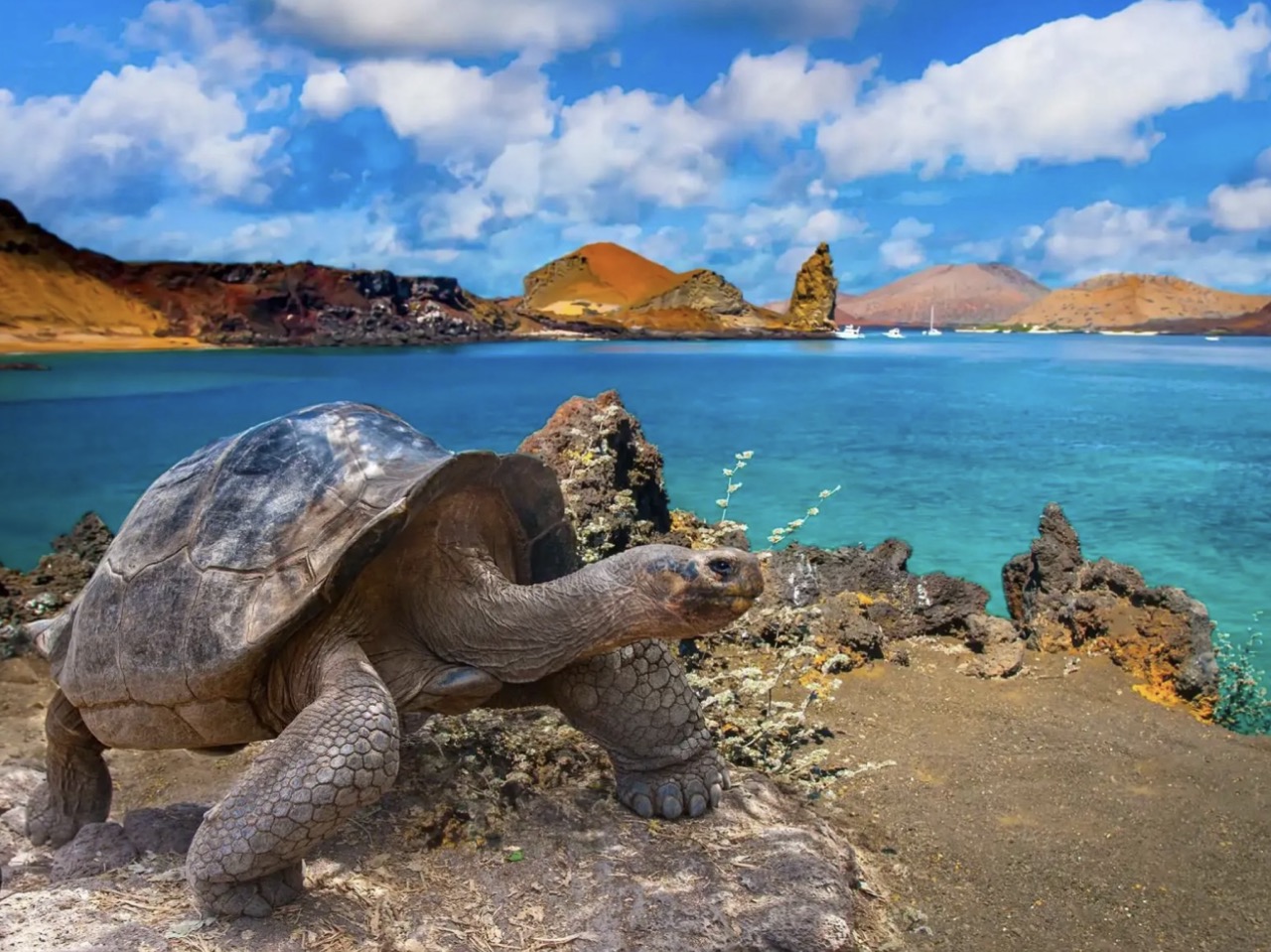
The Galápagos Province is a province of Ecuador, located on the Galápagos Islands. The province is divided into three main islands: Santa Cruz, San Cristóbal, and Isabela. The Galápagos Islands are a UNESCO World Heritage Site and are known for their unique and endemic wildlife, including giant tortoises, marine iguanas, and blue-footed boobies. The islands are also home to a variety of volcanic landscapes, including volcanic mountains, craters, and lava flows. Visitors to the Galápagos can enjoy a range of activities, including hiking, snorkeling, and wildlife watching.
The Galápagos Province is a popular destination for eco-tourists and scientists, who come to study the unique biodiversity of the islands. The province is also home to a number of small towns and villages, including Puerto Ayora, the largest town on the islands.
Puerto Baquerizo Moreno is the capital of the Galapagos Islands, Ecuador. Located on the island of San Cristobal, it is the first point of arrival for most visitors to the Galapagos. The town has a small-town feel, with a few shops, restaurants, and hotels. The main attraction is the San Cristobal Island National Park, which offers stunning natural beauty and unique wildlife. Visitors can explore the park’s trails, beaches, and scenic viewpoints, and get up close and personal with the Galapagos’ iconic species, such as giant tortoises, marine iguanas, and blue-footed boobies.
The town also has a few museums, including the Galapagos Interpretation Center, which provides insight into the islands’ natural and human history. Puerto Baquerizo Moreno is a great base for exploring the Galapagos, with many tour operators offering guided tours and activities.


