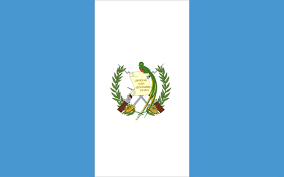



Guatemala is a Central American nation defined by its striking volcanic landscapes, rich indigenous heritage, and complex history. It is the most populous country in the region, with a diverse society where over 40% of the population identifies as Maya, preserving distinct languages, vibrant traditional textiles, and deep-rooted customs alongside Spanish influences.
Geographically, the country is split between mountainous highlands, dense northern rainforests, and dual coastlines on the Pacific and Caribbean. This terrain features over thirty volcanoes—including the highly active Fuego and Pacaya—and iconic natural landmarks like the crater-formed Lake Atitlán and the stepped limestone pools of Semuc Champey.
The heartland of the ancient Maya civilization, Guatemala boasts massive archaeological treasures, most notably the towering jungle pyramids of Tikal. Following Spanish colonization in the sixteenth century, the country eventually gained independence in 1821. Its modern history was heavily shaped by a devastating 36-year civil war that ended in 1996. Today, while Guatemala navigates ongoing challenges with economic inequality and political corruption, it remains a major exporter of coffee, sugar, and bananas, and stands as a captivating, culturally rich destination for global travelers.
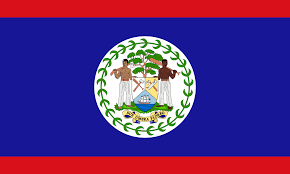
Belize, nestled on the eastern coast of Central America along the Caribbean Sea, is a vibrant nation known for its unique cultural synthesis and exceptional biodiversity. Bordered by Mexico and Guatemala, it is the only country in Central America where English is the official language, a legacy of its history as the former colony of British Honduras.
The nation boasts a multiethnic population of roughly 450,000, comprising Mestizo, Creole, Maya, Garifuna, and Mennonite communities. This cultural blend influences everything from its local cuisine to traditional punta music. Originally a heartland of the ancient Maya civilization, Belize is home to spectacular archeological ruins like Caracol and Lamanai.
Belize’s developing, upper-middle-income economy is heavily driven by services—predominantly international tourism—alongside agriculture and seafood exports, including sugar, bananas, and lobster. Its crown jewel is its natural landscape, featuring dense tropical rainforests, extensive cave systems, and the world’s second-largest barrier reef. This delicate ecosystem anchors the globally significant Mesoamerican Biological Corridor. While highly vulnerable to climate shocks and hurricanes, Belize continues to advance reforms centered on the sustainable development of its “blue economy” and natural treasures.
Located just 20 miles off the coast of mainland Belize, Caye Caulker is a small, five-mile-long limestone coral island that offers a classic Caribbean escape. The island is globally famous for its official mantra, “Go Slow,” a philosophy mirrored by its car-free, white coral sand streets where travel is limited to bicycles, golf carts, and relaxed foot traffic.
Historically a quiet fishing village settled by Mestizo refugees in the mid-19th century, Caye Caulker has evolved into an eco-tourism hotspot while fiercely protecting its low-key, small-town charm. The island is physically split into two distinct sections by a narrow, turquoise channel known appropriately as The Split. While the northern half remains largely an untouched mangrove forest, the vibrant southern side hums with crayon-bright wooden houses, open-air reggae bars, and casual local eateries serving freshly caught lobster.
The island’s true allure lies just beyond its shoreline. Situated right alongside the Belize Barrier Reef—the second-largest barrier reef system in the world—Caye Caulker serves as a premier gateway for world-class marine adventures. Visitors flock here to snorkel the pristine waters of the Hol Chan Marine Reserve, swim alongside nurse sharks at Shark Ray Alley, and launch deep-sea diving expeditions to the legendary Great Blue Hole.
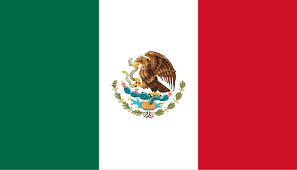
The Yucatán Peninsula is a distinctive region in southeastern Mexico that separates the Gulf of Mexico from the Caribbean Sea, renowned for its profound history, unique geography, and vibrant local identity.
As the ancient heartland of the Maya civilization, the peninsula is world-famous for its spectacular, astronomically precise archaeological sites, most notably the towering pyramid of Chichen Itza and the cliffside ruins of Tulum. Geologically, the region is a massive, flat limestone shelf completely devoid of surface rivers. Instead, it is defined by thousands of cenotes—breathtaking, water-filled limestone sinkholes that create a vast subterranean network used today for swimming and diving.
Because dense jungles historically isolated the peninsula from mainland Mexico, the Yucatán developed a highly distinct cultural identity. This uniqueness is perfectly preserved in its world-class culinary scene, which blends traditional Maya ingredients like achiote and sour orange to create iconic dishes like cochinita pibil. Today, spanning the states of Yucatán, Quintana Roo, and Campeche, the region beautifully balances its rich, preserved heritage with global tourism hubs like Cancún.